Betta fish cannot thrive in a bottle. A tiny, sealed container lacks space, oxygen, and filtration, leading to stress and early death. Learn why a proper tank is essential and how to set one up easily.
Key Takeaways
- Size matters: A bottle is far too small for a betta’s growth and activity.
- Oxygen is critical: Without water movement, dissolved oxygen drops quickly.
- Filtration & water quality: Bottles cannot maintain stable parameters.
- Stress leads to disease: Crowded, dirty water triggers fin rot and fungus.
- Proper setup: A 2‑5 gallon tank with heater and filter keeps bettas thriving.
- Legal & ethical considerations: Many hobby groups consider bottle keeping animal cruelty.
- Alternative options: Small, filtered nano‑tanks are affordable and humane.
📑 Table of Contents
Introduction: The Bottle Myth
If you’ve ever seen a bright red betta swimming inside a tiny glass bottle, you might wonder, “Can a betta fish live in a bottle?” The short answer is no. While a bottle may look cute, it fails to meet the basic needs of a betta. In this article we’ll break down why a bottle is a poor home, what happens to the fish inside, and how to create a safe, attractive environment that lets your betta thrive.
We’ll cover everything from water chemistry to tank décor, and we’ll sprinkle in real‑world tips you can apply today. By the end, you’ll understand why the myth persists and how to replace it with a responsible setup that keeps your betta healthy for years.
Why a Bottle Doesn’t Work for Betta Fish
Space and Swimming Needs
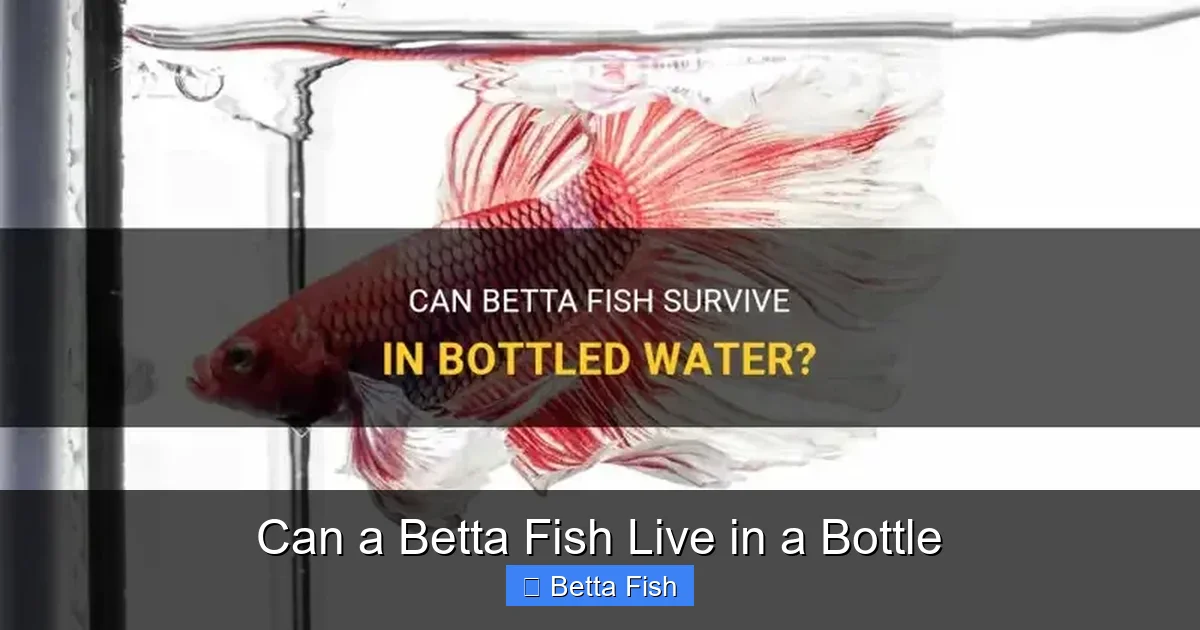
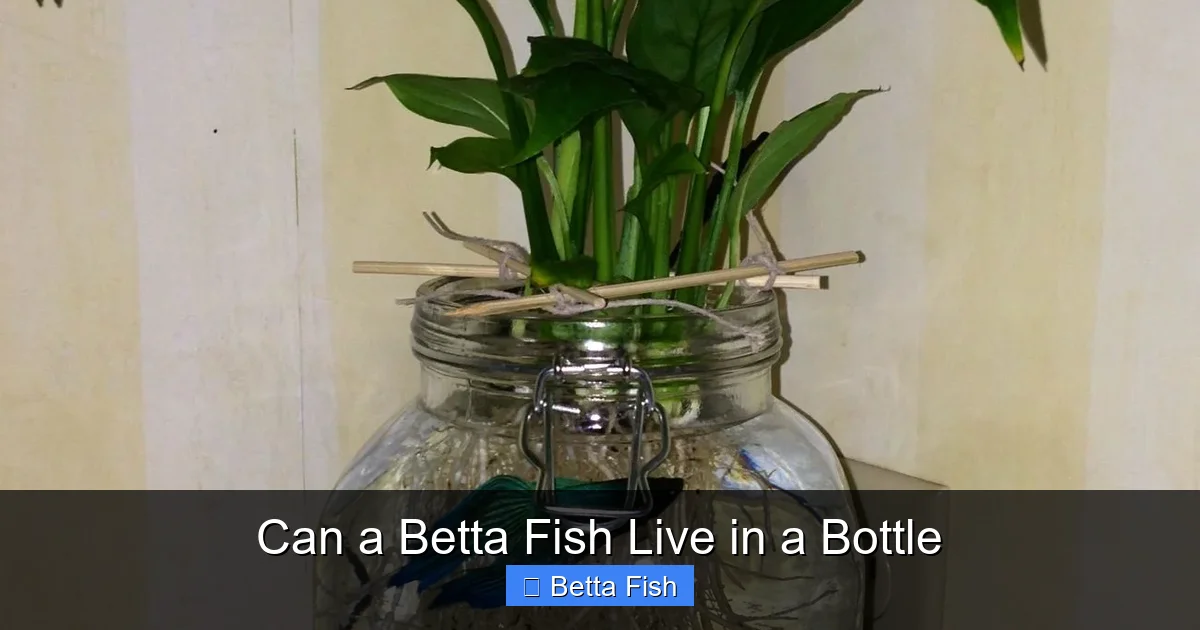
Betta fish (Betta splendens) grow to about 2‑3 inches and love to explore. A typical bottle holds only 8‑12 oz of water, giving the fish barely enough room to turn around. This confinement restricts natural behavior, leading to muscle atrophy and chronic stress.
Visual guide about Can a Betta Fish Live in a Bottle
Image source: petshun.com
Oxygen Supply Is Inadequate
Betta fish breathe air at the surface using a specialized organ called the labyrinth. However, they still need dissolved oxygen in the water. A sealed bottle has almost no surface agitation, so oxygen levels drop within hours. Without a water flow device, the fish will gasp for air until the water becomes lethal.
Temperature Control Is Impossible
Betta fish are tropical and require a stable temperature of 76‑82 °F (24‑28 °C). Glass bottles cannot hold a heater, and temperature fluctuates quickly with room changes. Sudden drops can cause shock, while overheating can be fatal.
Filtration and Waste Accumulation
Even a small fish produces waste. In a bottle, ammonia spikes within days, and there is no filter or substrate to biologically break it down. The result is a toxic environment that leads to fin rot, ich, and other diseases.
Ethical and Legal Concerns
Many animal welfare groups classify keeping fish in bottles as neglect. In some regions, it may even violate local pet‑keeping regulations. Providing a proper tank is not just better for the fish—it’s the responsible choice for any pet owner.
What Happens to a Betta in a Bottle?
Physical Signs of Distress
Within 24‑48 hours, a betta in a bottle may show:
Visual guide about Can a Betta Fish Live in a Bottle
Image source: i.pinimg.com
- Lethargy and loss of color
- Clamped fins (fins held close to the body)
- Labored breathing at the surface
- Frequent hiding or staying motionless
Health Risks Over Time
As ammonia builds, the fish’s gills become irritated, leading to:
- Fin rot – frayed, ragged fins that don’t heal
- Fungal infections – white cotton‑like growths
- Susceptibility to parasites such as ich
Short Lifespan
Most bettas kept in bottles survive only a few weeks to a couple of months, far shorter than the 2‑5 year potential in a proper tank. The poor water quality and constant stress are the main culprits.
Setting Up the Right Home for Your Betta
Choosing the Correct Tank Size
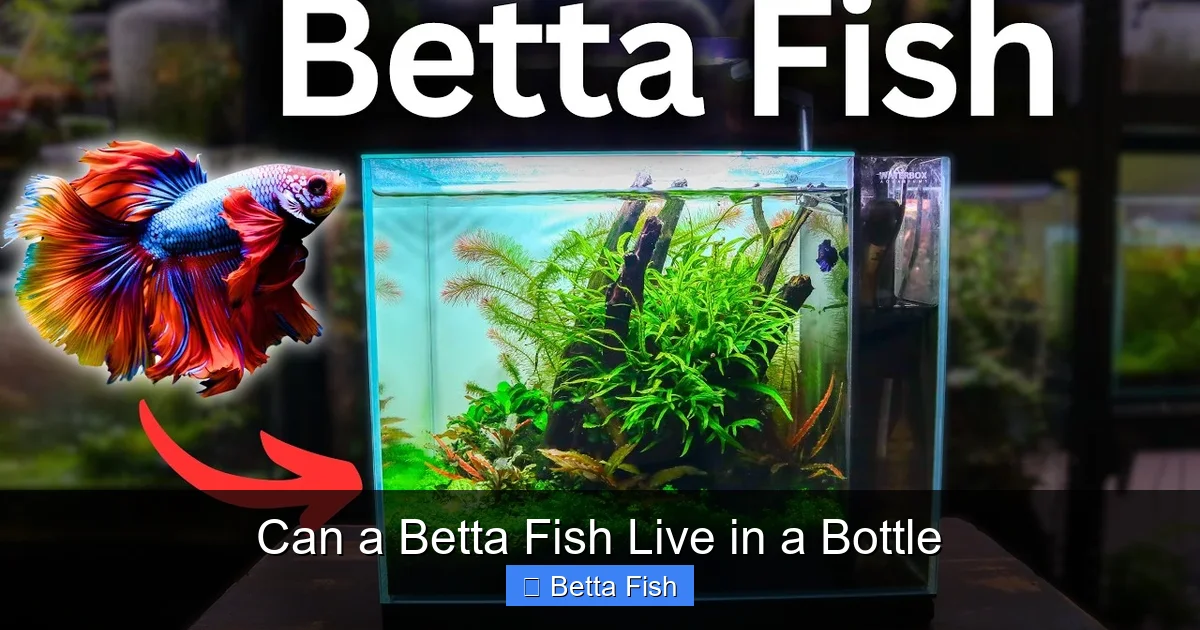
The smallest recommended tank is 2 gallons (about 7.5 liters). Larger tanks (3‑5 gallons) are even better because they dilute waste more effectively and provide more swimming room.
Visual guide about Can a Betta Fish Live in a Bottle
Image source: i.ytimg.com
Essential Equipment
- Heater: A reliable 50‑75 W heater keeps temperature steady.
- Filter: A gentle sponge filter or low‑flow hang‑on‑back (HOB) filter maintains water quality without creating strong currents that can stress a betta.
- Cover: Betta fish are jumpers; a secure lid prevents escapes.
- Lighting: 8‑10 hours of soft LED light mimics natural day‑night cycles.
Water Conditioning and Cycling
Use a water conditioner to remove chlorine and chloramines from tap water. Then, cycle the tank for 2‑4 weeks to establish beneficial bacteria. This step is crucial; you can read more about water setup in our article on Can Betta Fish Live In A Bowl.
Decor and Plants
Live or silk plants give hiding spots and reduce stress. Avoid sharp decorations that could tear delicate fins. A simple layout with a few stems, a small cave, and a smooth substrate works well.
Feeding Routine
Feed high‑quality betta pellets or frozen foods once or twice daily, offering only what the fish can eat in 2‑3 minutes. Over‑feeding leads to waste buildup, which is especially problematic in small tanks.
Alternatives to the Bottle: Small, Filtered Nano‑Tanks
Why Nano‑Tanks Are Affordable
Modern nano‑tanks (2‑5 gallon) often come with built‑in filtration and heating. They cost only slightly more than a decorative bottle and provide a safe, long‑term home.
DIY Bottle Conversion (Not Recommended)
Some hobbyists attempt to add a tiny sponge filter to a bottle, but the limited space still makes water changes cumbersome and oxygen levels low. It’s a temporary fix at best and should be avoided.
Success Stories
Many betta owners report vibrant colors and active behavior when they upgrade from a bottle to a proper tank. The difference is noticeable within days of improving water quality.
Frequently Overlooked Details
Water Changes
Even with a filter, perform a 25‑30% water change weekly. This removes excess nitrates and keeps the environment fresh.
Monitoring Parameters
Invest in a test kit for ammonia, nitrite, nitrate, and pH. Ideal ranges for bettas are:
- Ammonia: 0 ppm
- Nitrite: 0 ppm
- Nitrate: < 20 ppm
- pH: 6.5‑7.5
Tank Mates
If you want companions, choose peaceful species that won’t nip fins. Good options include:
- Harlequin rasboras
- Neon tetras (in a larger, well‑planted tank)
- Snails for algae control
For more ideas, see Which Fish Can Live With Betta Fish In A Tank.
Conclusion: Choose Compassion Over Convenience
A bottle may look charming, but it cannot meet the basic physiological and psychological needs of a betta fish. By providing a properly sized, heated, and filtered tank, you give your betta the chance to live a full, colorful life. The investment of time and a few dollars is tiny compared to the cost of a short, stressful existence for your pet. Make the switch today, and watch your betta flourish.
Frequently Asked Questions
Can a betta fish survive in a bottle for a short period?
Yes, a betta might survive a few days in a bottle if the water is fresh and oxygen is sufficient, but the environment quickly becomes toxic and stressful.
Do bettas need a filter?
While bettas can live without a filter in very small, well‑maintained setups, a gentle filter greatly improves water quality and reduces the frequency of water changes.
What is the minimum tank size for a betta?
The recommended minimum is 2 gallons (7.5 liters). Larger tanks provide better stability and more room for natural behaviors.
Can I keep a betta with other fish in a small tank?
In a properly sized, well‑planted tank, peaceful community fish can cohabit with a betta, but aggressive or fin‑nipping species should be avoided.
How often should I change the water in a betta tank?
Perform a 25‑30% water change weekly, or more often if you notice cloudy water or rising nitrate levels.
Is it illegal to keep a betta in a bottle?
Legislation varies by region, but many animal welfare agencies consider bottle keeping neglectful and may impose fines or penalties.

