Betta fish cannot have Down syndrome because the condition is a human‑specific chromosomal disorder. However, bettas can show genetic abnormalities that look similar, and understanding these helps you give better care.
Key Takeaways
- Down syndrome is human‑specific: Betta fish lack the chromosomes that cause Down syndrome in people.
- Genetic mutations do occur: Betta fish can have deformities, color mutations, and fin abnormalities caused by DNA changes.
- Observe behavior and appearance: Spotting odd swimming patterns or malformed fins can signal health issues.
- Proper tank conditions matter: Clean water, correct temperature, and a balanced diet reduce stress‑related defects.
- Consult a vet or specialist: If you suspect a genetic problem, get professional advice early.
- Breeding responsibly prevents defects: Choose healthy parents and avoid inbreeding.
- Educational myth‑busting: Knowing why bettas can’t have Down syndrome stops misinformation.
📑 Table of Contents
- Introduction: Why the Question Pops Up
- What Is Down Syndrome?
- Genetic Abnormalities in Betta Fish
- Environmental Factors That Mimic Genetic Problems
- Responsible Breeding: Preventing Unwanted Traits
- Frequently Asked Questions About Betta Genetics
- Practical Tips for Keeping a Healthy Betta
- Conclusion: Knowledge Beats Myth
- Related Reading
Introduction: Why the Question Pops Up
Anyone who has ever watched a betta flare its fins might wonder if the little fighter could develop a condition like Down syndrome. The idea spreads quickly on social media, where cute videos meet medical jargon. Let’s clear the water: Down syndrome is a human genetic disorder, and fish simply don’t have the same chromosome set. But betta fish do face their own genetic quirks, and understanding those can improve the care you give.
In this article we’ll explore the science behind Down syndrome, why it doesn’t apply to bettas, the kinds of genetic problems bettas *can* have, and practical steps you can take as a keeper. By the end you’ll be able to separate myth from fact and become a more confident betta parent.
What Is Down Syndrome?
The Human Chromosomal Basis
Down syndrome, also called trisomy 21, occurs when a person has three copies of chromosome 21 instead of the usual two. This extra genetic material changes how cells develop, leading to characteristic facial features, developmental delays, and a higher risk of certain health issues.
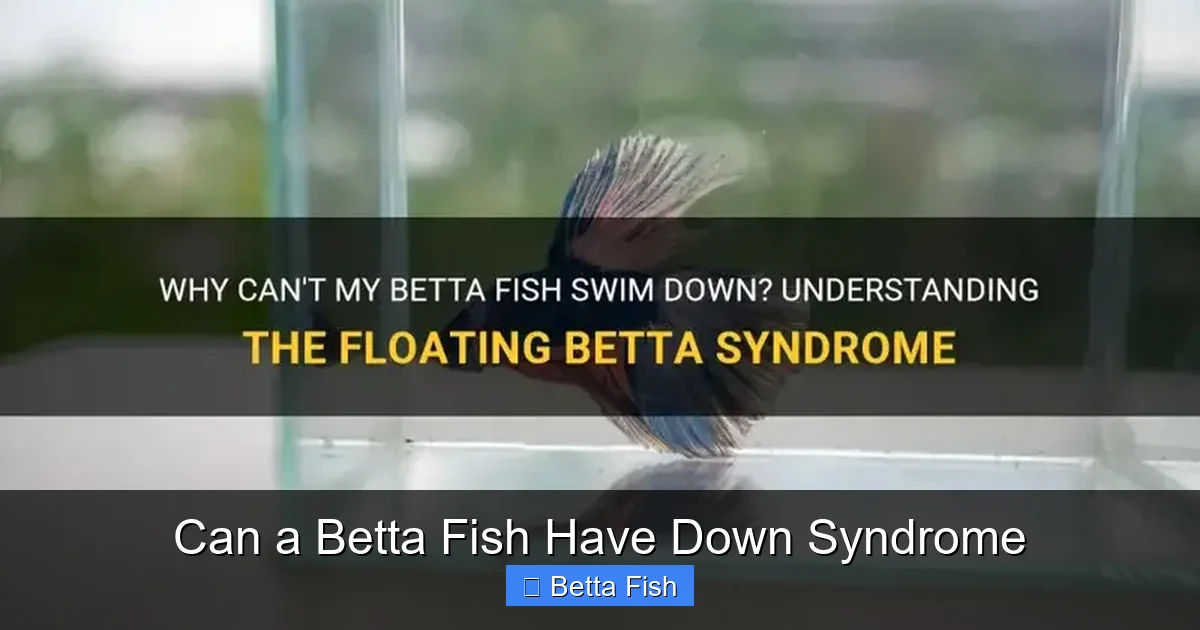
Visual guide about Can a Betta Fish Have Down Syndrome
Image source: petshun.com
Why It’s Unique to Humans (and Some Mammals)
Only species with a chromosome that matches the human #21 can develop a similar trisomy. Fish have a completely different set of chromosomes; most bettas have 24 pairs (48 total). None of those pairs correspond to human chromosome 21, so the exact condition simply cannot happen.
Genetic Abnormalities in Betta Fish
Common Mutations and Their Appearance
While bettas can’t get Down syndrome, they do exhibit a range of genetic mutations:
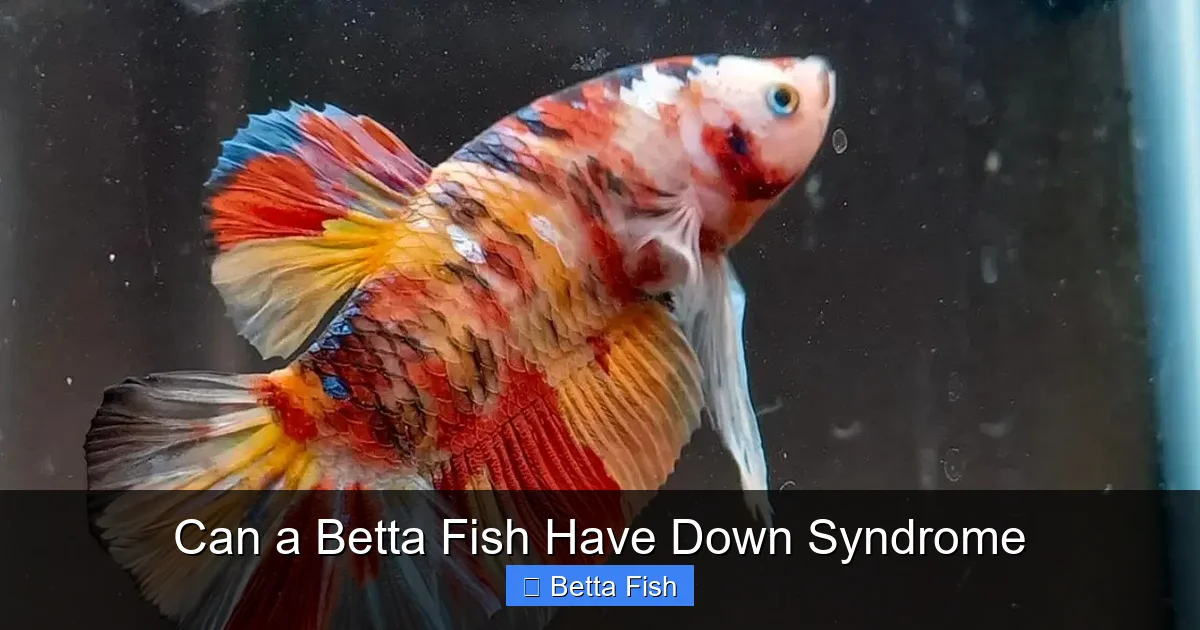
Visual guide about Can a Betta Fish Have Down Syndrome
Image source: ekk4j69ebaa.exactdn.com
- Fin deformities: Split, ragged, or shortened fins often result from in‑breeding or developmental stress.
- Color mutations: Albino, marbled, or ghost patterns arise from changes in pigment genes.
- Body shape issues: Shortened spines or a curved tail can be hereditary.
How to Spot a Genetic Issue
Watch for these red flags:
- Asymmetrical fins that never grow evenly.
- Swim bladder problems causing the fish to float upside down.
- Stunted growth despite proper feeding.
If you notice any of these, it’s worth checking water parameters and consulting a veterinarian who specializes in fish.
Environmental Factors That Mimic Genetic Problems
Water Quality and Stress
Poor water quality can cause “floppy” fins, cloudy eyes, and erratic swimming—symptoms that might look like a genetic defect. Keep ammonia below 0.25 ppm, nitrite at zero, and nitrate under 20 ppm. A stable temperature of 78‑80°F (25‑27°C) is ideal for most bettas.
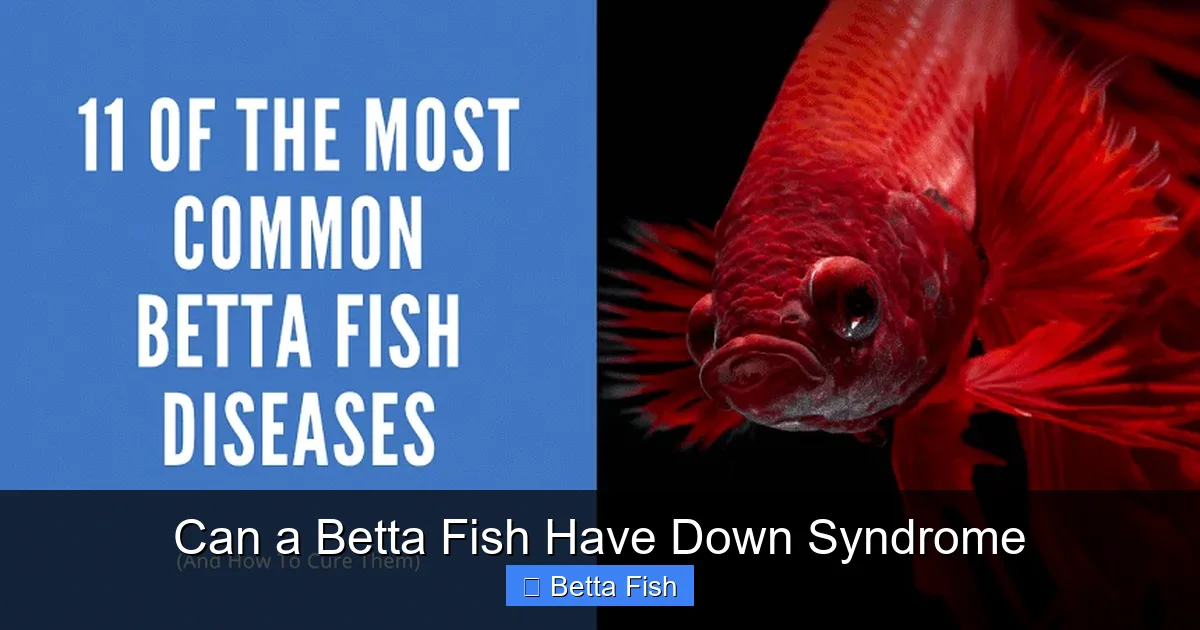
Visual guide about Can a Betta Fish Have Down Syndrome
Image source: aquariumstoredepot.com
Nutrition’s Role
Deficiencies in vitamins, especially A and C, can lead to weak fins and skin. Feed a varied diet of high‑quality betta pellets, occasional frozen or live foods, and a vitamin supplement once a week.
Responsible Breeding: Preventing Unwanted Traits
Selecting Healthy Parents
When you decide to breed, choose fish with:
- Symmetrical, vibrant fins.
- No visible signs of disease.
- A calm temperament (aggressive bettas often pass on stress‑related traits).
Avoiding In‑breeding
Breeding closely related bettas raises the chance of recessive defects surfacing. Keep a breeding log, track lineage, and rotate stock to maintain genetic diversity.
Frequently Asked Questions About Betta Genetics
Can a betta be born with a “missing” fin?
Yes. Developmental mutations can cause a fin to be under‑developed or absent. This is genetic, not a sign of Down syndrome.
Do bettas inherit color from their parents?
Color is highly heritable. Breeding two vibrant parents usually yields colorful offspring, though mutations can create new patterns.
Is there a cure for genetic deformities?
There’s no cure, but good water, nutrition, and low stress can help the fish live a comfortable life.
Can I treat a betta with a swim bladder issue?
Often, adjusting diet (adding boiled peas) and improving water quality resolves mild cases. Severe issues may need vet care.
Should I separate a betta with a fin defect from others?
If the tank mates are aggressive, yes. A delicate fin can be torn further by nipping.
Do all bettas with “odd” looks have genetic problems?
Not always. Some oddities are temporary, caused by poor water or injury. Observe over a week before assuming it’s genetic.
Practical Tips for Keeping a Healthy Betta
Set Up a Proper Habitat
Use a 5‑gallon tank with a gentle filter, a heater, and plenty of hiding spots. Avoid tiny bowls; they limit oxygen and waste dilution.
Regular Health Checks
Weekly, glance at your betta’s fins, eyes, and swimming style. Early detection of problems makes treatment easier.
When to Seek Professional Help
If your betta shows sudden weight loss, refuses food, or develops persistent fin rot, contact a fish‑savvy veterinarian.
Conclusion: Knowledge Beats Myth
While a betta fish can’t have Down syndrome, it can experience real genetic and environmental issues that affect its health and appearance. By understanding the difference, monitoring your fish closely, and providing optimal care, you give your betta the best chance at a vibrant, happy life.
Remember, the myth that bettas can get Down syndrome spreads because it’s a catchy phrase, not a scientific fact. Use the information here to educate fellow hobbyists and keep the conversation accurate.
Related Reading
Looking to expand your betta knowledge? Check out these articles:
- Can You Keep Betta Fish In A Bowl – Learn why a proper tank beats a bowl.
- Can You Have Multiple Betta Fish Together – Tips for community setups.
- Can You Have An Algae Eater With A Betta Fish – Safe tank mates for algae control.
Frequently Asked Questions
Can a betta fish have Down syndrome?
No. Down syndrome is a human chromosomal disorder that does not exist in fish.
What genetic defects can appear in bettas?
Fin deformities, color mutations, and body shape issues are common genetic problems in bettas.
How do I know if a fin problem is genetic or environmental?
Genetic defects are present from birth and stay consistent, while environmental issues improve with better water and diet.
Is it safe to keep a betta with a genetic deformity?
Yes, as long as water quality is high and the fish isn’t being bullied by tank mates.
Can I prevent genetic issues through breeding?
Choosing healthy, unrelated parents and avoiding in‑breeding greatly reduces the risk of passing defects.
Should I consult a vet for suspected genetic problems?
If the fish shows severe or worsening symptoms, a fish‑specialist vet can provide a proper diagnosis and care plan.

