Can a Betta Fish Choke on Food
Betta fish can indeed choke on food if the pieces are too large or the water quality is poor. By choosing the right size, type, and feeding schedule, you can prevent choking and ensure your betta thrives.
Key Takeaways
- Choking is possible: Betta fish can block their throat with oversized or hard foods.
- Size matters: Offer food no larger than the size of the betta’s eye.
- Water quality helps: Clean water reduces stress and the risk of choking.
- Observe feeding: Watch your betta eat; stop feeding if you see gulping or splashing.
- Varied diet is safest: Rotate pellets, frozen, and live foods to keep digestion smooth.
- Quick response saves lives: If choking occurs, gentle water flow can dislodge the blockage.
- Regular tank checks: Maintaining proper temperature and filtration supports healthy swallowing.
📑 Table of Contents
Introduction: Why the Question Matters
When you first bring a betta home, the excitement of feeding those bright, flaring colors can turn into worry if you hear a tiny “gurgle” or see your fish struggling. Many beginners ask, can a betta fish choke on food? The short answer is yes—betta fish can experience choking, especially if they are given food that is too big, too hard, or if the tank environment isn’t optimal.
This article walks you through everything you need to know: how choking happens, what signs to look for, how to prevent it, and what to do if it occurs. By the end, you’ll feel confident that each meal is a safe, enjoyable event for your finned companion.
Understanding Betta Anatomy and How They Eat
The Betta’s Mouth Structure
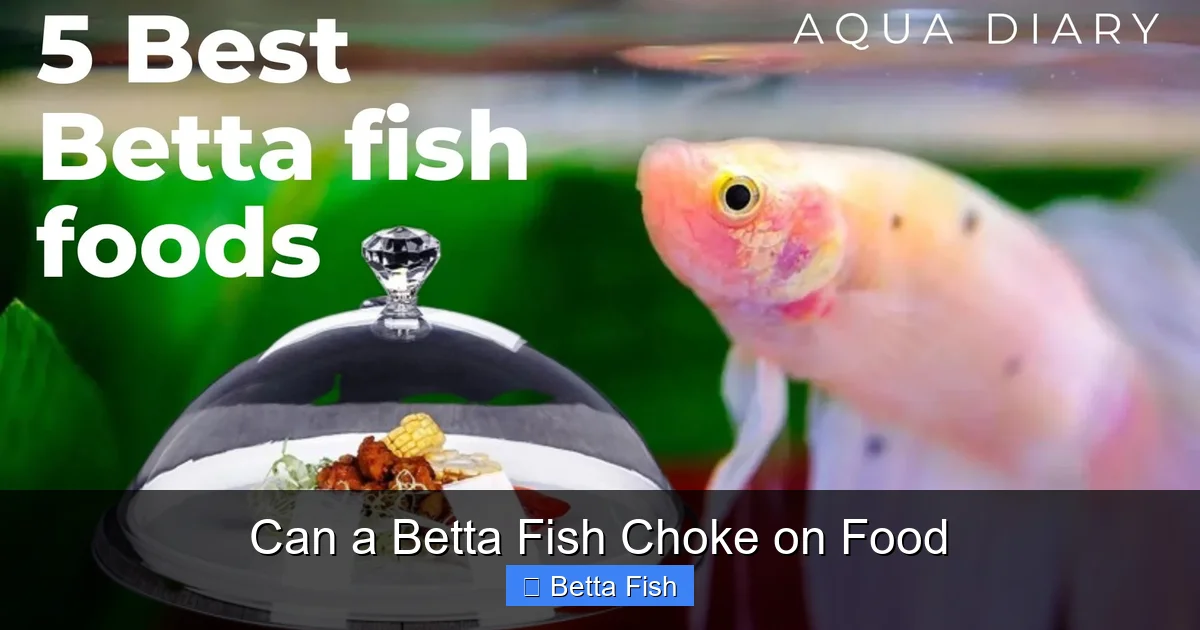
Betta fish have a small, upward‑facing mouth designed for picking up tiny prey in the wild. Their jaws are not built to chew large items; instead, they swallow food whole. This makes them especially vulnerable to choking on oversized pieces.
Visual guide about Can a Betta Fish Choke on Food
Image source: tamilaquadiary.com
Natural Feeding Habits
In their native habitats of shallow rice paddies and slow‑moving streams, bettas hunt insects, larvae, and small crustaceans. Those foods are soft, easily broken apart, and fit comfortably in a betta’s mouth. Replicating this in captivity means offering foods that mimic size and texture.
Why Choking Happens
Choking can occur for three main reasons:
- Oversized food: A pellet larger than the fish’s eye can get stuck.
- Hard or indigestible items: Freeze‑dried or dry foods that don’t soften quickly can block the throat.
- Poor water conditions: Low oxygen or high ammonia makes the fish gasp, increasing the chance of a food piece slipping into the wrong passage.
How to Recognize the Signs of Choking
Behavioral Clues
Watch your betta closely during feeding. Common red flags include:
Visual guide about Can a Betta Fish Choke on Food
Image source: bettasource.com
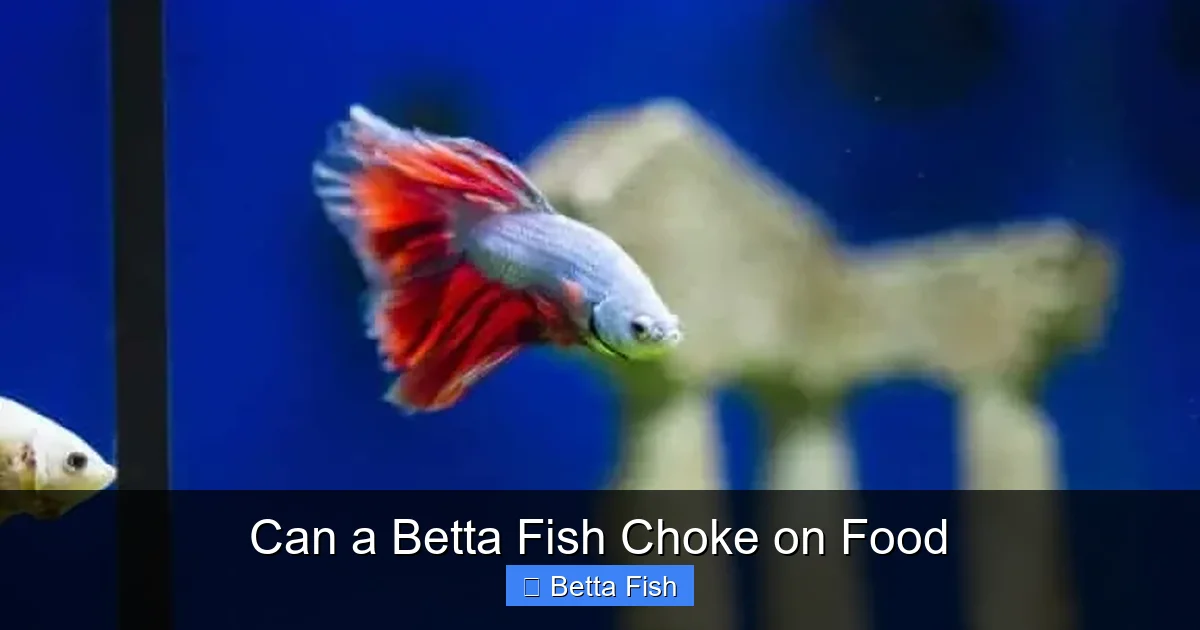
- Rapid, frantic swimming near the surface.
- Repeated gulping with no visible food intake.
- Gasping or “bubble” breathing at the water line.
- Sudden loss of color or fin flaring.
Physical Indicators
In severe cases you might see food protruding from the mouth or a bloated throat area. If your betta stops eating altogether after a choking episode, it’s a sign that something is still stuck.
When to Act
If you notice any of these symptoms, act quickly. The longer a blockage remains, the higher the risk of infection or even death.
Preventing Choking Before It Happens
Choose the Right Food Size
Always select food that is no larger than the size of your betta’s eye. Most commercial betta pellets are designed correctly, but always double‑check the label. For live or frozen foods, cut them into bite‑size pieces (about 1‑2 mm for brine shrimp, 2‑3 mm for daphnia).
Visual guide about Can a Betta Fish Choke on Food
Image source: bettasource.com
Soften Dry Foods
If you prefer dry flakes or pellets, soak them for a few seconds in tank water before feeding. This softens the texture and reduces the choking risk, especially for older bettas with weaker jaws.
Feed Small, Frequent Meals
Instead of dumping a large amount at once, give two to three small portions spread throughout the day. This mimics natural hunting and gives the fish time to digest each bite.
Maintain Excellent Water Quality
Clean, well‑oxygenated water supports healthy breathing and swallowing. Perform weekly 25‑30% water changes, keep the temperature steady at 78‑80 °F (25‑27 °C), and test for ammonia, nitrite, and nitrate levels.
Use Appropriate Feeding Tools
A small feeding dish or a pipette can help you control the amount of food released, especially when using live or frozen foods. This prevents accidental over‑feeding.
Internal Link Example
For more details on choosing the right type of food, see our guide on Can You Feed A Betta Tropical Fish Food.
What To Do If Your Betta Starts Choking
Immediate Steps
1. Turn off the filter: A strong current can push the blockage deeper.
2. Increase water movement gently: Use a small hand‑held pump or a turkey baster to create a gentle flow aimed at the fish’s mouth. This can help dislodge the piece.
3. Remove excess food: Scoop out any uneaten food to keep the water clean.
When to Use a Net
If the fish is still struggling after a minute, carefully net it and place it in a separate, shallow container with fresh, dechlorinated water. This gives you a clear view and reduces stress.
Manual Assistance (Last Resort)
Only attempt this if you are comfortable: using a pair of fine tweezers, gently try to pull the visible piece from the mouth. Do not force anything—if you can’t see the blockage, it’s better to let a veterinarian handle it.
Post‑Incident Care
After a choking episode, give your betta a break from food for 24‑48 hours. Perform a water change and monitor for signs of infection (cloudy eyes, white spots). Resume feeding with very small, softened meals.
Professional Help
If the fish shows no improvement after an hour, or if it becomes lethargic, contact a vet who specializes in fish. Early intervention can save a life.
Creating a Choking‑Free Feeding Routine
Step‑by‑Step Feeding Plan
- Prepare the food: Measure a pinch of pellets, soak if needed, or cut live/frozen foods to bite‑size.
- Set the stage: Turn off strong currents; a calm surface helps the betta focus.
- Observe: Watch the fish take the food. If it spits it out, reduce the size.
- Record: Keep a simple log of what you fed and any reactions. Over time you’ll see patterns.
- Adjust: Change food type or size based on observations.
Rotating Diet for Digestive Health
Betta fish benefit from a varied diet. Rotate between high‑quality pellets, frozen brine shrimp, and occasional live daphnia. This not only keeps them interested but also promotes smoother digestion, reducing choking risk.
Link to Related Feeding Topics
If you’re curious about feeding other types of fish, check out Can A Betta Fish Eat Goldfish Food for a comparison of food textures.
Conclusion: Keep Feeding Fun and Safe
Yes, a betta fish can choke on food, but with a little awareness and simple precautions, you can make each meal a safe, stress‑free experience. Choose appropriately sized foods, keep the water clean, watch your fish closely, and act fast if you see trouble. By following these steps, you’ll enjoy a healthy, vibrant betta that flashes its colors proudly for years to come.
Frequently Asked Questions
Can a betta fish choke on live food?
Live foods are usually soft, but if the piece is too large it can still cause a blockage. Cut live foods into bite‑size pieces before feeding.
How often should I feed my betta to avoid choking?
Feed small amounts two to three times a day. This prevents over‑eating and gives the fish time to swallow each bite properly.
Is it safe to feed betta pellets that have been sitting for a week?
Older pellets can become hard and dry, increasing choking risk. Always store pellets in a sealed container and consider soaking them briefly before feeding.
Can poor water quality cause choking?
Yes. Low oxygen and high ammonia make a betta gasp, which can misdirect food into the wrong passage and cause a blockage.
What should I do if my betta stops eating after a choking incident?
Give a 24‑48 hour fast, perform a water change, and then re‑introduce tiny, softened meals. Monitor closely for improvement.
Are there any foods that should never be given to bettas?
Avoid large, hard items like standard goldfish flakes or big shrimp shells. Stick to foods specifically formulated for bettas or appropriately sized live/frozen options.