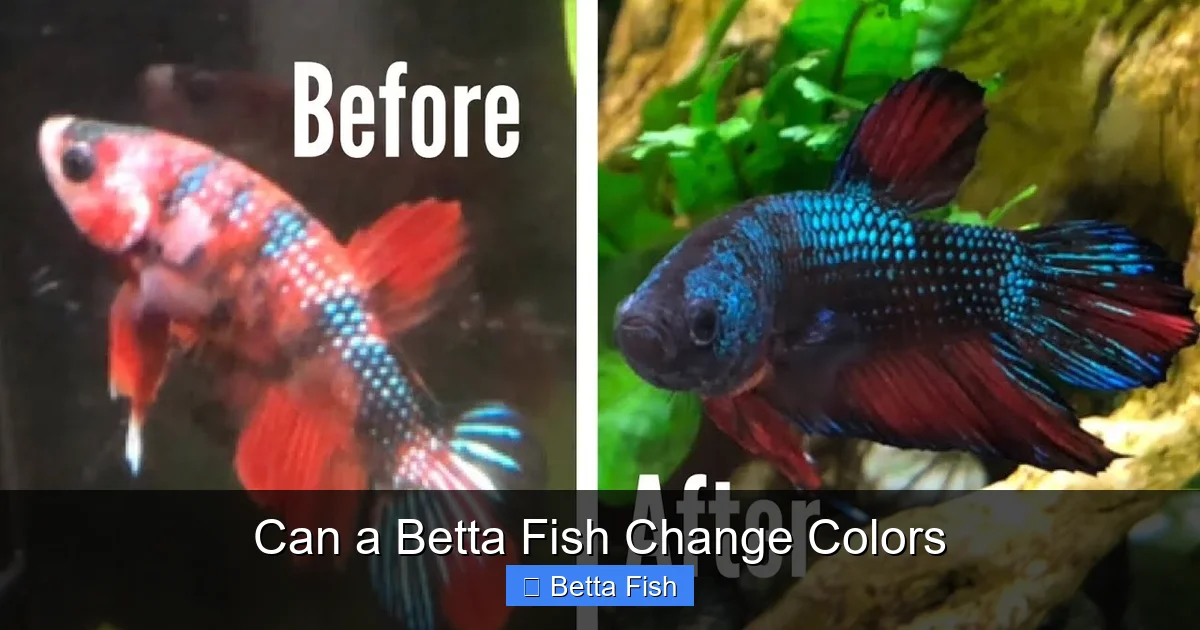
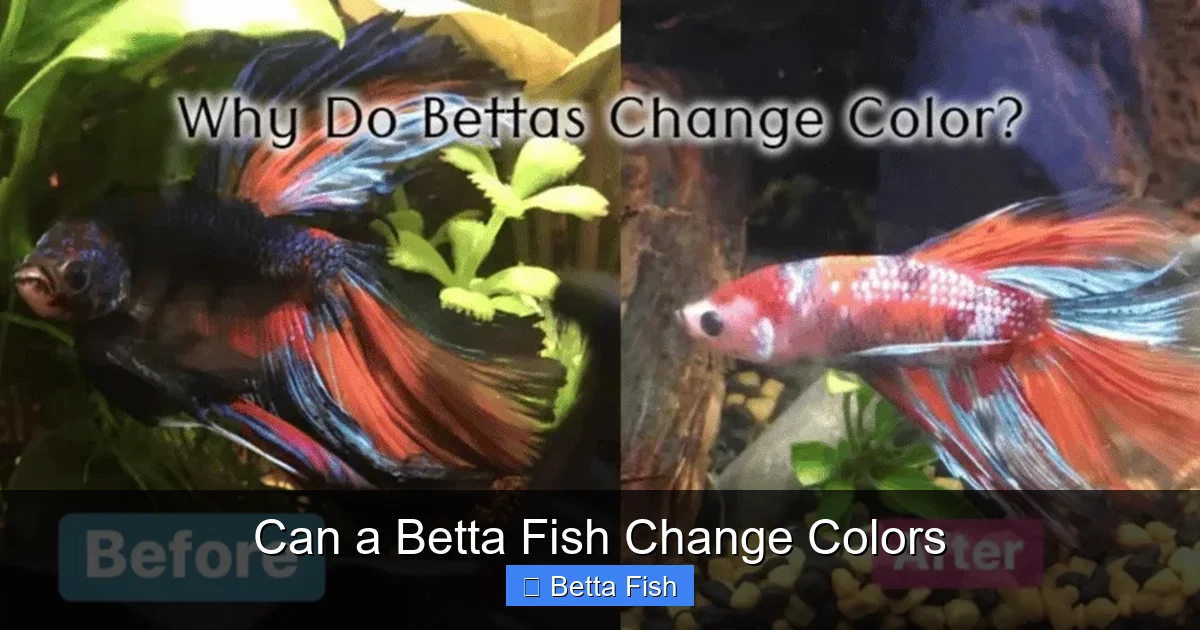
Betta fish can indeed change colors, but it’s not magic—it’s a response to stress, health, age, and environment. Understanding these triggers helps you keep your finned friend looking its brightest.
Key Takeaways
- Color change is normal: Bettas often shift hues due to mood, health, or maturity.
- Stress triggers dullness: Poor water, temperature swings, or bullying can make colors fade.
- Nutrition matters: A balanced, pigment‑rich diet enhances and sustains bright colors.
- Lighting influences appearance: Proper aquarium lighting can bring out the best shades.
- Genetics set the base: Some bettas are naturally more colorful; selective breeding creates vivid strains.
- Regular care prevents unwanted changes: Clean water, stable temperature, and proper tank mates keep colors stable.
- Observe and act: Sudden, drastic color loss often signals illness and needs quick attention.
📑 Table of Contents
Introduction: The Rainbow of Betta Fish
If you’ve ever watched a male betta flare its fins, you’ve probably marveled at the flash of blues, reds, and purples. It’s easy to think those colors are permanent, like a painted masterpiece. In reality, a betta’s palette is alive, shifting with its mood, health, and surroundings. This article answers the burning question, can a betta fish change colors, and gives you practical tips to keep those hues vibrant.
We’ll explore the biology behind color, the everyday factors that cause a shift, and what you as a keeper can do to encourage the brightest display possible. By the end, you’ll be able to read your betta’s “color language” and react like a pro.
1. How Betta Fish Produce Color
Melanophores, Iridophores, and Chromatophores
Betta fish, like many other fish, get their colors from specialized skin cells called chromatophores. There are three main types:
Visual guide about Can a Betta Fish Change Colors
Image source: i.ytimg.com
- Melanophores: Contain black or brown melanin, providing dark shading.
- Iridophores: Reflect light with tiny crystals, creating metallic blues, greens, and silvers.
- Xanthophores and Erythrophores: Hold yellow and red pigments derived from diet.
When these cells expand or contract, the fish’s appearance changes. The process is controlled by hormones, nerves, and external cues.
Genetics Sets the Baseline
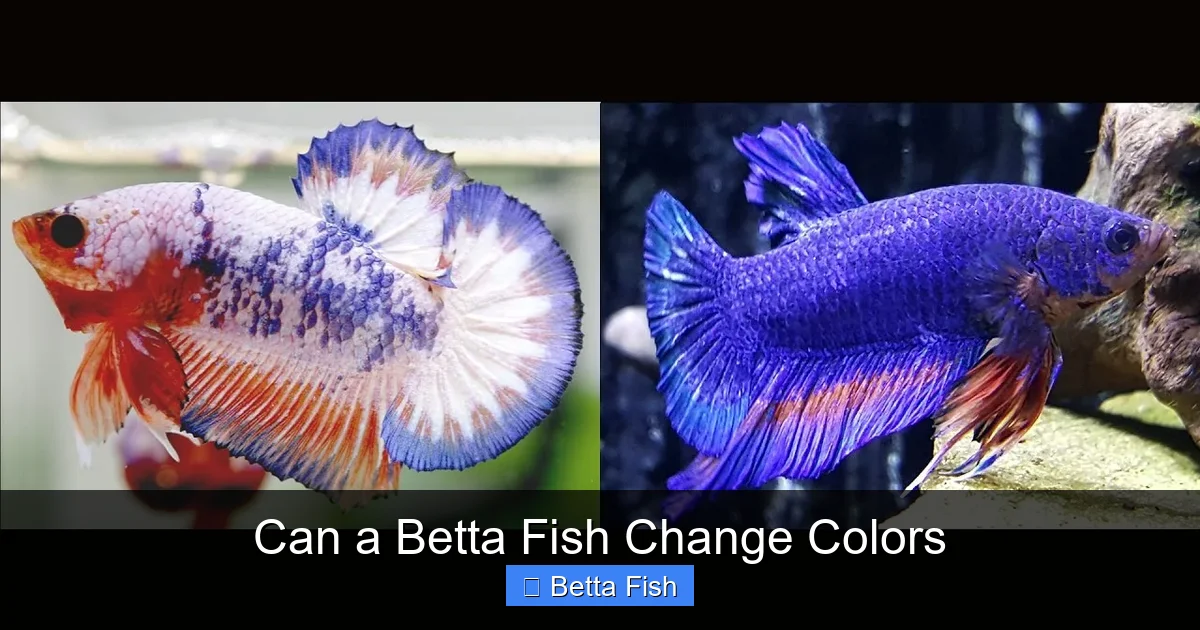
Selective breeding over decades has produced many betta strains—Halfmoon, Crowntail, Plakat, and more—each with a genetic “color blueprint.” Some strains naturally display iridescent blues, while others are rich reds. Even within a single strain, individual fish can vary widely, which is why you’ll see a range of hues in a pet store.
2. Common Reasons Bettas Change Color
Stress and Environmental Factors
Stress is the biggest culprit behind sudden dulling. Common stressors include:
Visual guide about Can a Betta Fish Change Colors
Image source: i.ytimg.com
- Water quality problems (high ammonia, nitrite, or nitrate)
- Temperature fluctuations (bettas prefer 76‑82°F / 24‑28°C)
- Inadequate tank size or poor filtration
- Aggressive tank mates or frequent fighting
When stressed, a betta releases cortisol, which can cause melanophores to expand, making the fish look darker or even black.
Health Issues
Illness often shows up first as a color change. For example:
- Ich or velvet: White spots or a dusty coating may cause the fish to look paler.
- Fin rot: Infected fins become frayed and lose their shine.
- Parasites: Internal parasites can make the body appear thin and faded.
If you notice a rapid, drastic shift—especially accompanied by lethargy or loss of appetite—check water parameters and consider a vet visit.
Age and Maturity
Young bettas often start with muted colors. As they mature (usually 3‑4 months), hormones trigger iridophore development, leading to brighter blues and purples. Conversely, older bettas may lose intensity gradually, similar to how humans’ hair can gray.
Breeding and Hormonal Changes
During the breeding season, males flare their fins and display the brightest colors to attract females. This is a temporary boost driven by sex hormones. After the courtship, colors may settle back to a normal baseline.
Diet and Pigment Intake
Betta fish cannot synthesize many pigments on their own. Red and orange hues come from carotenoids found in foods like bloodworms, brine shrimp, and specially formulated betta pellets. A diet lacking these ingredients will result in duller reds and yellows.
3. How to Encourage and Maintain Vibrant Colors
Optimize Water Quality
Consistently test your tank for ammonia, nitrite, nitrate, and pH. Perform partial water changes (25‑30%) weekly, using conditioned water at the same temperature as the tank. A clean environment reduces stress, keeping colors sharp.
Visual guide about Can a Betta Fish Change Colors
Image source: nicebettathailand.com
Provide Proper Lighting
Full‑spectrum LED lights that mimic natural daylight bring out iridescent blues and greens. Aim for 8‑10 hours of light per day and a dark period at night to mimic a natural cycle. Avoid overly bright or flickering lights, which can stress the fish.
Feed a Color‑Boosting Diet
Rotate high‑protein, live or frozen foods (bloodworms, daphnia, brine shrimp) with quality betta pellets that contain natural pigments. Occasionally add a pinch of spirulina or a commercial color‑enhancing supplement.
Maintain Stable Temperature
Use an aquarium heater with a reliable thermostat. Sudden drops below 76°F can cause the fish to become lethargic and lose color. A stable temperature supports metabolic processes that keep pigments vibrant.
Choose Compatible Tank Mates
While many bettas thrive alone, some can coexist peacefully with non‑aggressive species like tiny snails or peaceful rasboras. Avoid fin‑nipping fish that may cause stress and color loss. For more ideas, read our guide on what fish can live with a male betta.
Regular Observation
Spend a few minutes each day watching your betta’s fins, body shape, and color. Note any gradual fading or sudden darkening. Early detection lets you correct water parameters or adjust diet before problems worsen.
4. When Color Change Signals a Problem
Sudden Darkening
A rapid shift to a very dark or black appearance often points to stress or a spike in ammonia. Test water immediately and perform a water change.
Loss of Specific Hues
If the bright reds fade while blues remain, examine the diet for carotenoid deficiency. Adding more bloodworms or a carotenoid supplement can restore the reds.
Spotting or Cloudiness
White spots (ich) or a dusty veil (velvet) can make a betta look pale. Quarantine the fish, raise the temperature slightly (to 82°F), and treat with appropriate medication.
Flared Fin but No Color Boost
When a male betta flares but the colors stay muted, it may be a sign of hormonal imbalance or poor health. Check for signs of infection and ensure the tank is stress‑free.
5. Frequently Asked Questions About Betta Color Change
Can bettas change color permanently?
Most color changes are temporary and linked to mood, health, or environment. Permanent changes occur only as the fish ages or through selective breeding.
Do lighting and background affect how colors appear?
Yes. Bright, full‑spectrum lighting enhances iridescence, while dark backgrounds make colors pop. A light-colored substrate can also reflect light onto the fish.
Is it safe to keep a betta in a small bowl?
While bettas can survive in small containers, a proper tank (minimum 5 gallons) provides stable water conditions that support vibrant colors. Learn more at Can You Keep Betta Fish In A Bowl.
Can diet alone make a dull betta bright?
Diet is a major factor for reds and oranges. Adding pigment‑rich foods can improve those hues, but water quality and lighting must also be optimal.
Do male and female bettas differ in color change?
Male bettas generally display more dramatic color shifts during flaring and breeding. Females can change hue too, but usually less intensely.
How quickly can a betta recover its color after stress?
With improved conditions, most bettas regain their normal shade within a few days to a week. Persistent dullness may indicate an underlying health issue.
Conclusion: Embrace the Living Palette
So, can a betta fish change colors? Absolutely—both naturally and in response to its environment. Understanding the why behind each shift lets you become a better caretaker, ensuring your betta’s colors stay as vivid as possible. Keep the water clean, feed a balanced diet, provide proper lighting, and watch for signs of stress. When you do, you’ll enjoy a living rainbow that’s constantly evolving, just like the fish itself.
Frequently Asked Questions
Why does my betta turn black when I add new fish?
New tank mates can cause stress, prompting the betta to release cortisol, which expands melanophores and darkens the body. Ensure a gradual introduction and provide plenty of hiding spots.
Can temperature changes make a betta’s colors fade?
Yes. Sudden drops below 76°F slow metabolism and can cause pigment cells to contract, making colors appear dull. Keep the temperature stable with a reliable heater.
Is it normal for a betta to lose color after a water change?
A brief loss of vibrancy can happen if the water temperature differs from the tank or if the new water is too soft/hard. Match temperature and condition the water properly to avoid shock.
Do bettas get brighter after a feeding frenzy?
Feeding stimulates blood flow and can temporarily enhance iridescence, especially with live foods rich in pigments. It’s a short‑term boost, not a permanent change.
Can medication affect a betta’s colors?
Some medications, especially antibiotics, can stress the fish or alter gut flora, leading to temporary dullness. After treatment, colors usually return as the fish recovers.
How can I tell if a color change is a sign of disease?
Look for accompanying signs: loss of appetite, clamped fins, abnormal swimming, or visible spots. If any of these appear with a sudden color shift, test water and consider a veterinary check.

