Wondering if a baby turtle can share a tank with a betta fish? The short answer is no—different water needs and natural instincts make it risky. Instead, give each pet its own habitat and learn how to create a happy, healthy environment for both.
Key Takeaways
- Different water requirements: Turtles need warmer, harder water than most bettas.
- Size and aggression: Even a tiny turtle can mistake a betta’s fins for food.
- Tank size matters: Both species thrive in larger, filtered tanks, not cramped bowls.
- Separate habitats are safest: Keeping them apart prevents stress and injury.
- Alternative companions: Choose fish or invertebrates that truly coexist with bettas.
- Regular monitoring: Watch for signs of stress, illness, or water quality issues.
- Consult experts: When in doubt, ask a veterinarian or experienced hobbyist.
📑 Table of Contents
- Introduction: A Curious Question
- Understanding the Basics of Each Species
- Why the Idea Is Problematic
- Can a Baby Turtle Live with a Betta Fish? The Verdict
- Alternative Set‑Ups for a Mixed Aquatic Habitat
- Step‑by‑Step Guide to Setting Up Separate, Healthy Homes
- Common Mistakes to Avoid
- When Might a Mixed Tank Work?
- Conclusion: Keep Them Happy Apart
Introduction: A Curious Question
If you’ve ever set up a small aquarium and thought, “Can a baby turtle live with a betta fish?” you’re not alone. The idea of a tiny turtle paddling alongside a colorful betta can sound charming, especially for beginners who want to keep more than one pet without buying extra tanks.
But charming ideas need a reality check. Turtles and bettas have very different needs—temperature, water chemistry, diet, and temperament all play a role. In this article we’ll explore the science behind the question, walk through the practical challenges, and give you clear guidance on what to do if you already have both animals.
Understanding the Basics of Each Species
Baby Turtles: What They Need
Baby turtles (often called hatchlings) are fast‑growing reptiles. They require:
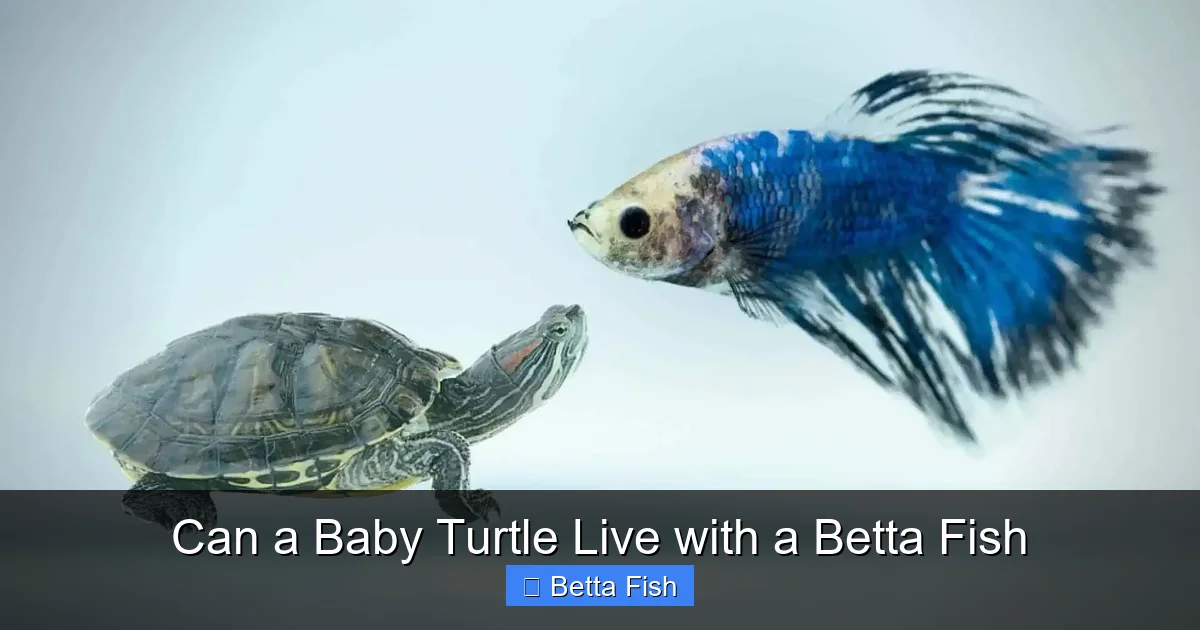
Visual guide about Can a Baby Turtle Live with a Betta Fish
Image source: bettasource.com
- Warm water: Most species thrive at 78‑82°F (25‑28°C).
- Hard, alkaline water: Calcium‑rich water supports shell development.
- Strong filtration: Turtles are messy; they produce a lot of waste.
- UVB lighting: Essential for vitamin D synthesis and healthy shell growth.
- Space to swim: Even a small hatchling needs room to turn and explore.
Betta Fish: What They Need
Betta fish (Betta splendens) are popular for their vivid colors and flowing fins. Their ideal conditions include:
- Warm water: 76‑82°F (24‑28°C) is perfect.
- Soft to moderate hardness: 3‑8 dGH works best.
- Low to moderate flow: Bettas are “labyrinth” fish and prefer calm water.
- Plants or hiding spots: Reduces stress and shows off their colors.
- Small tank (minimum 5 gallons): Bigger is always better for health.
Key Differences at a Glance
| Factor | Baby Turtle | Betta Fish |
|---|---|---|
| Temperature | 78‑82°F | 76‑82°F |
| Water Hardness | Hard (10‑15 dGH) | Soft‑moderate (3‑8 dGH) |
| Filtration | Heavy duty | Gentle |
| Space Needed | Large (20+ gallons per turtle) | 5‑10 gallons total |
| Diet | Protein‑rich pellets, insects, veggies | Pellets, frozen or live foods |
Why the Idea Is Problematic
Water Chemistry Clash
Baby turtles need hard, alkaline water to build a strong shell, while bettas thrive in softer water. Trying to balance both often leads to a compromise that satisfies neither. Over‑softening the water can cause a turtle’s shell to develop poorly, and making the water too hard can stress a betta and make its gills work harder.
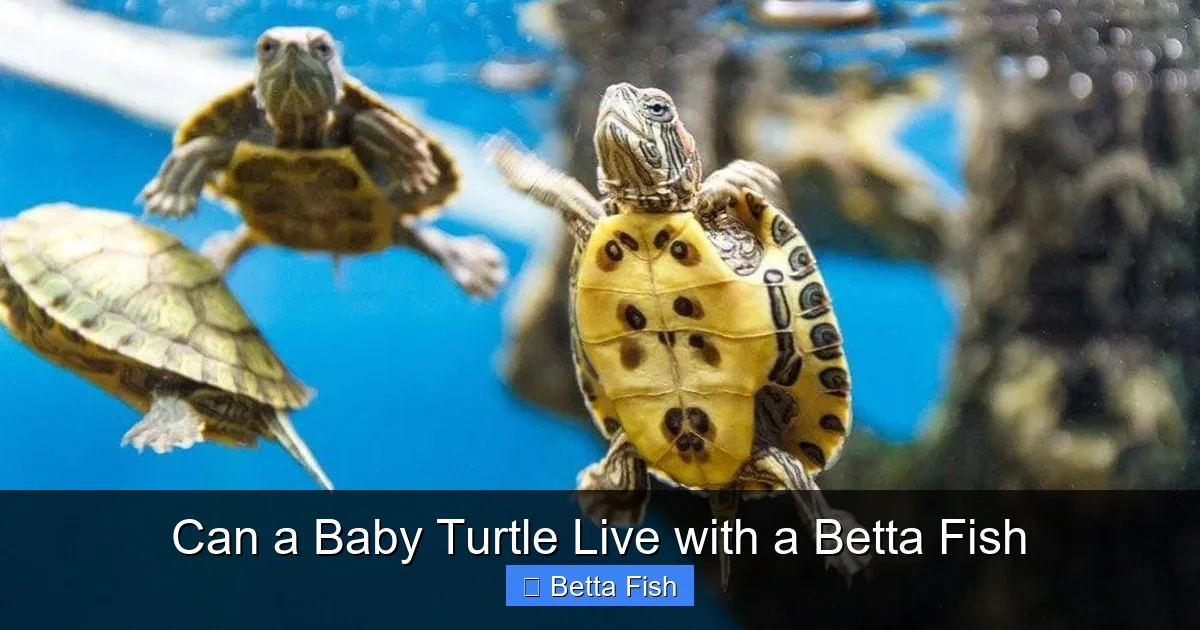
Visual guide about Can a Baby Turtle Live with a Betta Fish
Image source: hepper.com
Temperature Tolerance Overlap
Both species like warm water, but a turtle’s ideal range is slightly higher. If you keep the tank at 78‑80°F for the turtle, the betta will be fine, but if you need to lower the temperature for a different tank mate later, the turtle may become sluggish.
Size and Feeding Issues
Even a newborn turtle can grow quickly—within weeks it may be big enough to accidentally bite a betta’s delicate fins. Turtles are opportunistic feeders; they will try to snap at anything that moves, including a betta’s flowing tail.
Behavioral Risks
Bettas are territorial, especially males. A turtle’s slow, lumbering movement can trigger a betta’s aggression, leading to flaring, chasing, and possible fin damage. Conversely, a turtle may see the betta as prey and try to swallow it.
Filtration and Waste
Turtles produce a massive amount of waste compared to a betta. A single baby turtle can quickly foul a small tank, leading to ammonia spikes that are lethal to bettas. Heavy‑duty filters needed for turtles can create water flow that stresses bettas, which prefer calm waters.
Can a Baby Turtle Live with a Betta Fish? The Verdict
In short, no. The combination creates more problems than benefits. The safest and healthiest choice is to keep each species in its own properly equipped aquarium.
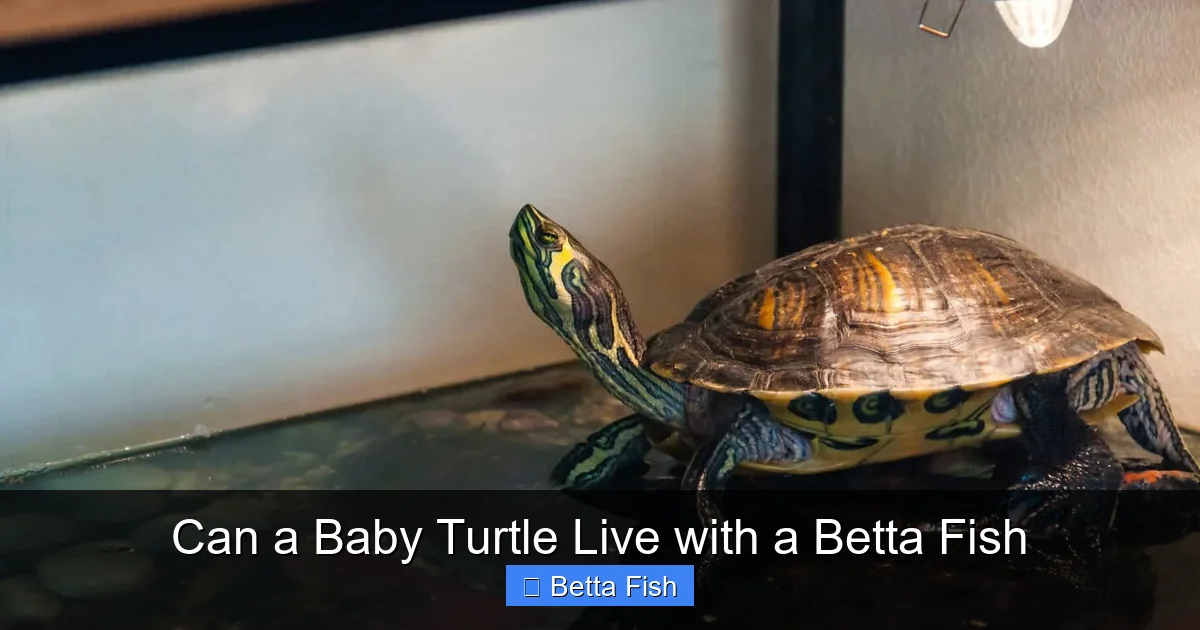
Visual guide about Can a Baby Turtle Live with a Betta Fish
Image source: aquariadise.com
What Happens If You Try?
- Stress signs in the betta: faded colors, clamped fins, frequent hiding.
- Shell deformities in the turtle due to improper water hardness.
- Frequent water changes and high electricity bills from over‑filtration.
- Potential loss of one or both pets.
Alternative Set‑Ups for a Mixed Aquatic Habitat
Separate Tanks with Shared Equipment
You can run two tanks side‑by‑side using the same heater and filter (with separate hoses). This saves space and cost while keeping water parameters distinct.
Creating a “Turtle‑Only” Tank and a “Betta‑Only” Tank
Invest in a 20‑gallon long tank for the turtle and a 5‑gallon tank for the betta. Both can sit on the same stand, look cohesive, and you’ll avoid cross‑contamination.
Consider Other Compatible Tank Mates
If you’re set on a community tank, look at species that truly coexist with bettas. For example, small, fast‑moving fish like neon tetras or peaceful shrimp can share a betta’s space when the tank is well‑planted and heavily filtered. Learn more about suitable companions in our guide on Which Fish Can I Put With A Betta.
Using a Divider
Some hobbyists try a clear acrylic divider to keep the turtle on one side and the betta on the other. While it looks neat, water flow still mixes, so the chemistry issue remains. Moreover, turtles can often push through weak dividers, and bettas may become stressed from constant visual contact.
Step‑by‑Step Guide to Setting Up Separate, Healthy Homes
1. Choose the Right Tank Size
For a baby turtle, start with at least a 20‑gallon long tank. As the turtle grows, you’ll need to upgrade. For a betta, a minimum of 5 gallons with a lid is essential.
2. Install Proper Filtration
Use a canister or power filter rated for at least twice the tank volume for the turtle. For the betta, a gentle sponge filter works well and creates the calm water flow they love.
3. Set Up Heating and Lighting
Place an aquarium heater in each tank, set to the appropriate range. Add a UVB bulb for the turtle’s tank and a dimmable LED for the betta’s tank to showcase its colors.
4. Condition the Water
Use a water conditioner to remove chlorine and chloramines. Test pH, hardness, and ammonia regularly. Adjust hardness for the turtle’s tank with crushed coral or a commercial hardening product.
5. Add Substrate and Décor
For turtles, use a sand or fine‑gravel substrate and provide a large basking platform. For bettas, use live plants or silk moss to mimic their natural habitat.
6. Introduce the Animals Carefully
Acclimate each animal slowly using the drip method. Observe for any signs of stress over the first 24‑48 hours.
7. Ongoing Maintenance
- Weekly 25‑30% water changes for both tanks.
- Check filter media and clean as needed.
- Monitor temperature and water parameters daily for the first two weeks.
Common Mistakes to Avoid
Mixing Water Conditions
Don’t try to “compromise” hardness. Instead, keep each tank at its ideal level.
Under‑Sizing the Turtle Tank
A small tank will quickly become polluted, harming both the turtle and any fish you might later add.
Ignoring UVB Needs
Without UVB, a turtle’s shell can become soft and deformed, leading to health issues.
Leaving a Betta Uncovered
Bettas love to jump. Always use a secure lid to prevent escapes.
When Might a Mixed Tank Work?
There are rare cases where very specific turtle species (like certain mud turtles) can share a large, well‑filtered, and carefully balanced tank with a betta. Even then, constant supervision is needed, and it’s not recommended for beginners.
Expert Opinion
Veterinarian Dr. Lena Morales notes, “The risk of stress and disease spikes is too high for a mixed turtle‑betta tank. Separate habitats are the responsible choice.”
Conclusion: Keep Them Happy Apart
Answering the question “can a baby turtle live with a betta fish?” leads us to a clear answer: it’s best to keep them separate. By respecting each species’ unique needs—water chemistry, temperature, space, and behavior—you’ll enjoy healthy, thriving pets without the worry of conflict.
Invest in proper equipment, follow the step‑by‑step setup guide, and you’ll have a beautiful aquarium for your betta and a thriving aquatic world for your turtle. When in doubt, consult a reptile‑or‑fish specialist and always prioritize the well‑being of your animals.
Frequently Asked Questions
Can a baby turtle and a betta fish share the same water temperature?
Both prefer warm water, but turtles need slightly higher temperatures (78‑82°F) while bettas are comfortable at 76‑82°F. The overlap is narrow, making a shared tank impractical.
Will a turtle eat a betta fish?
Even a small turtle may see a betta’s moving fins as food and attempt to bite. This can injure the betta and cause stress for both.
Is it safe to use the same filter for both a turtle and a betta?
No. Turtles produce far more waste, requiring a heavy‑duty filter that creates strong water flow—conditions that stress bettas.
Can I keep a betta with other fish instead of a turtle?
Yes. Species like neon tetras, guppies, and small rasboras can coexist with bettas if the tank is well‑planted and filtered. See our article on Which Fish Can I Put With A Betta for details.
What signs show my betta is stressed?
Faded colors, clamped fins, constant hiding, or frequent flaring are common stress indicators.
How often should I change the water in a turtle tank?
Perform a 25‑30% water change weekly and test parameters daily during the first month to ensure a stable environment.

