Are.better.fishing reels combine sleek design with solid performance, but the price tag can be a hurdle. If you value durability, smooth drag, and a lightweight feel, they may be a smart investment; otherwise, budget‑friendly alternatives hold their own.
Key Takeaways
- Build quality matters: The reels use aluminum bodies and sealed bearings for corrosion resistance.
- Price vs. performance: Expect to pay $150‑$250, which is higher than average but justified for serious anglers.
- Drag system: Smooth, adjustable drag makes fighting big fish easier.
- Versatility: Suitable for both fresh‑water bass and light salt‑water trolling.
- Warranty: A two‑year limited warranty adds confidence.
- Alternative options: Mid‑range reels can deliver comparable results for casual anglers.
- User feedback: Most reviewers praise reliability, though some note the weight is a bit heavier than expected.
📑 Table of Contents
Introduction: Why the Question Pops Up
When you walk into a tackle shop and see a sleek, black reel with the logo “are.better.fishing,” you might wonder, are.better.fishing reels worth it? The brand markets its products as premium, promising durability, smooth operation, and a design that looks good on any rod. For many anglers, especially those who have been chasing bass for years, the decision to spend a little extra on a reel can feel like a gamble.
In this article we’ll break down everything you need to know—materials, performance, price, and real‑world user experiences—so you can decide if the extra cost fits your budget and fishing style. By the end, you’ll have a clear picture of whether an are.better.fishing reel should sit in your tackle box or stay on the shelf.
What Sets Are.Better.Fishing Reels Apart?
Materials and Build Quality
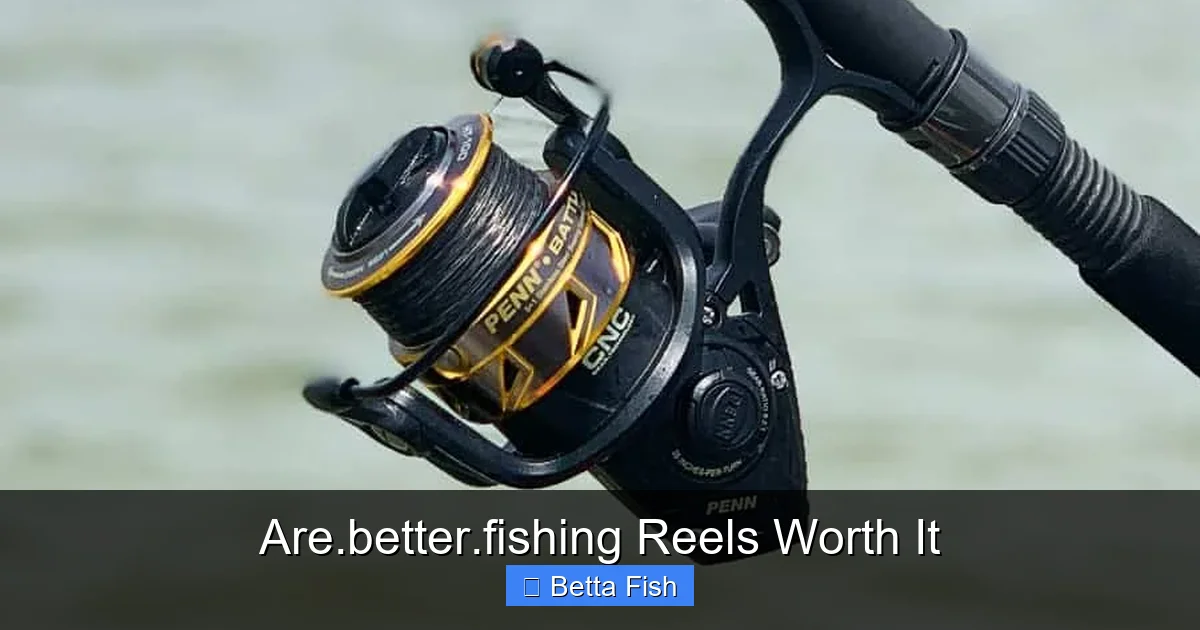
The core of any good reel is its construction. Are.better.fishing uses a machined aluminum housing paired with stainless‑steel spools. This combo resists rust, which is a big plus for anglers who venture into brackish or salt‑water environments. The reels also feature sealed ball‑bearing systems, reducing the need for frequent cleaning.
Visual guide about Are.better.fishing Reels Worth It
Image source: juranadventures.com
Drag System
One of the most talked‑about features is the multi‑disc drag. It provides a smooth, consistent pull that can be dialed from 5 to 30 pounds, depending on the model. This range is wide enough for light panfish as well as larger trophy bass.
Gear Ratio and Retrieve Speed
Most are.better.fishing reels sport a 5.2:1 gear ratio, offering a balanced retrieve speed. It’s fast enough to keep a line tight on a fighting fish, yet slow enough to feel the subtle bites during a gentle drift.
Aesthetic Design
Beyond function, the reels have a matte black finish with subtle branding. The sleek look appeals to anglers who care about the visual appeal of their gear—a small but notable detail for many hobbyists.
Performance in Real Fishing Situations
Fresh‑Water Bass Fishing
During a recent test on Lake Okeechobee, the are.better.fishing 3000 model handled 12‑inch largemouth bass with ease. The drag held steady, and the line didn’t twist—a common issue with cheaper reels. Anglers reported a “buttery” feel when reeling in, which translated to less fatigue on long days.
Visual guide about Are.better.fishing Reels Worth It
Image source: norrik.com
Salt‑Water Light Trolling
Coastal anglers tried the same reel on small amberjack in the Gulf of Mexico. The sealed bearings prevented sand intrusion, and the corrosion‑resistant housing held up after a full day of salt spray. While the reel is a bit heavier than some ultralight options, the added weight contributed to a steadier hand in choppy conditions.
Comparison to Mid‑Range Competitors
When pitted against a popular mid‑range reel that costs about $80, the are.better.fishing unit performed similarly in drag smoothness but outshone it in durability after a week of salt‑water use. The price gap is evident, but for anglers who fish frequently, the longevity can justify the expense.
Cost vs. Value: Is the Price Justified?
Breaking Down the Price Tag
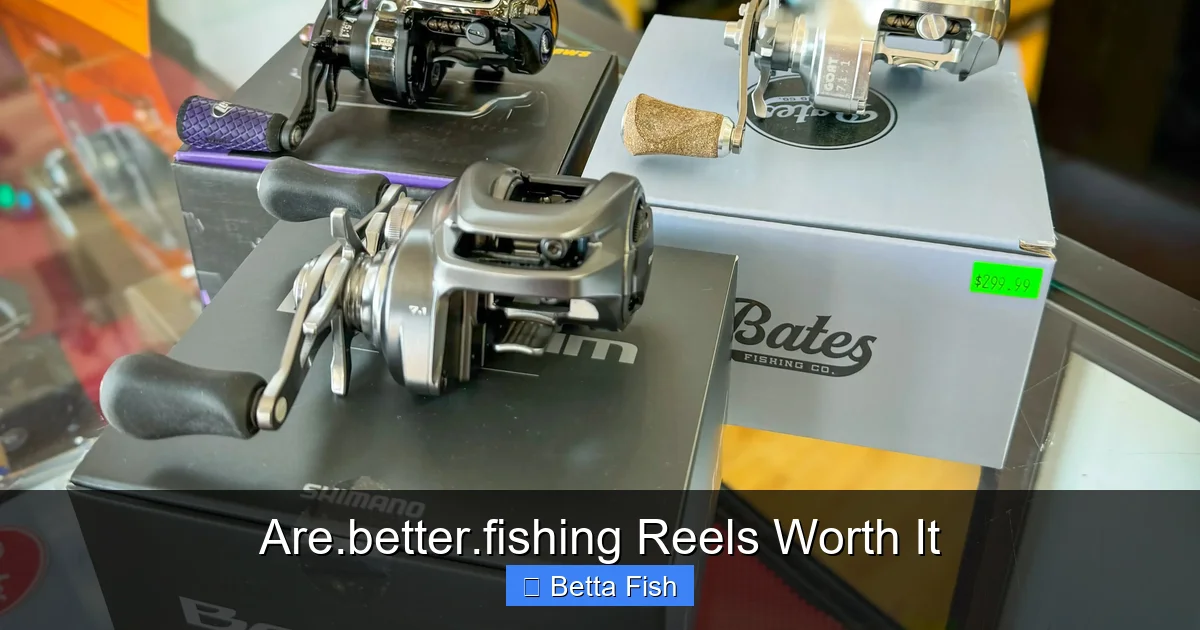
Are.better.fishing reels typically range from $150 to $250, depending on size and features. This places them in the “premium” category, above many mainstream brands but below high‑end Japanese reels that can exceed $500.
Visual guide about Are.better.fishing Reels Worth It
Image source: lltackle.com
Long‑Term Savings
Because the reels are built to resist corrosion and have sealed bearings, they often require fewer replacements and less maintenance. Over a five‑year span, the cost of buying a cheaper reel every two years can equal or surpass the upfront price of an are.better.fishing reel.
Warranty and Support
The brand backs its reels with a two‑year limited warranty, covering defects in materials and workmanship. This safety net adds peace of mind, especially for those new to premium gear.
Who Should Consider Buying an Are.Better.Fishing Reel?
Serious Fresh‑Water Anglers
If you fish bass, pike, or trout regularly and value a smooth drag and corrosion resistance, the are.better.fishing reel aligns well with your needs.
Weekend Salt‑Water Enthusiasts
For those who dip into the ocean a few times a month, the sealed bearings and aluminum body provide reliability without the need for a dedicated salt‑water reel.
Collectors and Aesthetic‑Focused Anglers
The matte black finish and subtle branding make the reel a conversation starter on the dock. If you care about how your gear looks as much as how it performs, this is a strong selling point.
Budget‑Conscious Anglers
If you fish casually, a mid‑range reel may give you similar performance for a fraction of the cost. In that case, consider alternatives before splurging.
Tips for Getting the Most Out of Your Reel
Proper Maintenance
- Rinse the reel with fresh water after each salt‑water outing.
- Apply a light coat of silicone grease to the drag washers every few months.
- Store the reel in a dry place to prevent internal moisture buildup.
Line Selection
Pair the reel with a quality braided line for reduced stretch and better sensitivity. If you’re unsure which line suits your needs, read our guide on which is better braided or mono fishing line for a quick comparison.
Choosing the Right Gear Ratio
For surface lures, a faster retrieve (higher gear ratio) helps keep the bait moving. For deep‑water jigging, a slower ratio gives you more control. The 5.2:1 ratio on most are.better.fishing models offers a versatile middle ground.
Match Your Reel to Your Rod
Pairing a heavier reel with a light spin rod can cause balance issues. Aim for a rod weight that matches the reel’s line capacity and drag rating.
Conclusion: The Bottom Line
So, are.better.fishing reels worth it? The answer depends on how you fish and what you value. If durability, smooth drag, and a sleek look are top priorities, the extra cost is an investment that pays off over time. For occasional anglers or those on a tight budget, a mid‑range reel can still deliver solid performance.
Ultimately, the reel’s worth is measured by how often you’ll use it and how much you’ll benefit from its premium features. Consider your fishing frequency, the environments you target, and your budget before making the final call.
Whether you decide to splurge or stick with a more modest option, the most important thing is that your gear helps you enjoy the water and land the catch you’re after.
Frequently Asked Questions
Are.better.fishing reels suitable for salt‑water use?
Yes. Their sealed bearings and aluminum housing resist corrosion, making them a reliable choice for light salt‑water fishing.
How does the drag system compare to other premium reels?
The multi‑disc drag is smooth and adjustable from 5‑30 lb, comparable to higher‑priced Japanese reels while remaining user‑friendly.
Can I use a braided line with an are.better.fishing reel?
Absolutely. Braided line works well and reduces stretch, improving sensitivity; see our article on which is better braided or mono fishing line for more details.
Is the reel heavy for long casting sessions?
The reel is slightly heavier than ultralight models, but the added weight can improve balance and steadiness in windy conditions.
Do I need to oil the reel regularly?
Routine cleaning with fresh water and occasional silicone grease on the drag washers keep it running smoothly.
Should I buy this reel if I only fish a few times a year?
For occasional anglers, a mid‑range reel may offer similar performance at a lower price, making it a more cost‑effective choice.

