Betta fish are famous for their feisty nature, but not every betta will attack every neighbor. By understanding gender, temperament, and proper tank setup, you can enjoy a community where bettas coexist peacefully. Learn the key factors that create a calm environment and which bettas are most likely to get along.
Key Takeaways
- Male vs. female: Males are usually more territorial, while females can be kept in groups if space allows.
- Temperament matters: Some bettas are naturally calmer; look for “peaceful” or “community” labels from reputable breeders.
- Tank size and décor: A larger, well‑planted tank reduces aggression by providing hiding spots and visual barriers.
- Compatible tank mates: Small, non‑fin‑nipping species such as snails or shrimp often coexist safely with bettas.
- Monitoring is key: Watch for signs of stress or fighting and be ready to separate fish quickly.
- Water parameters: Stable temperature, pH, and low nitrate keep bettas healthy and less likely to act aggressively.
- Gradual introductions: Use a divider or a quarantine tank to let bettas see each other before full contact.
📑 Table of Contents
Introduction: The Myth of the “Fighting Betta”
When most people think of betta fish, the first image that comes to mind is a bright, flaring male battling its reflection in a tiny bowl. This reputation has made many hobbyists avoid keeping more than one betta in the same aquarium. The truth is a bit more nuanced. Not every betta is a relentless fighter, and with the right approach, you can create a peaceful community that includes these beautiful fish.
In this article we’ll explore the science behind betta aggression, identify the types of bettas that are more likely to get along, and give you practical steps to set up a tank where fighting is the exception, not the rule. By the end, you’ll know whether a “peaceful betta” exists and how to make it work in your home.
1. Why Betta Fish Fight
Natural instincts and territoriality
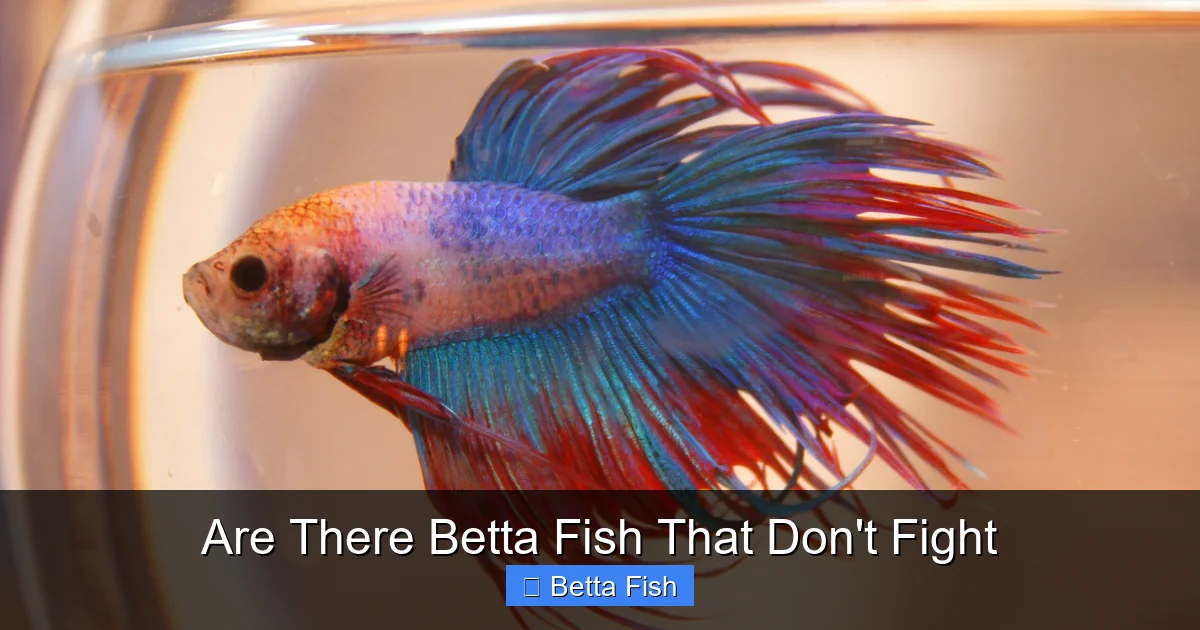
Betta fish (Betta splendens) are native to the shallow rice paddies and slow‑moving streams of Southeast Asia. In the wild, they defend small territories that provide food and shelter. Males develop bright colors and elaborate fins to impress females and warn rivals. When a male sees another male—or even its own reflection—it interprets the image as an intruder and reacts with a flare of fins and a burst of aggression.
Visual guide about Are There Betta Fish That Don’t Fight
Image source: fishkeepingadvice.com
The role of gender
Male bettas are typically more aggressive than females. This is why many articles, such as Why Can T Betta Fish Live Together, advise keeping males separate. Female bettas can also fight, especially if space is limited, but they are generally more tolerant of each other when provided with enough room and hiding places.
Environmental triggers
- Overcrowding – a cramped tank forces fish into constant close contact.
- Bright lighting – harsh light can increase stress and make fish more defensive.
- Poor water quality – high ammonia or fluctuating temperature can cause irritability.
2. Are There Betta Fish That Don’t Fight?
Peaceful “community” bettas
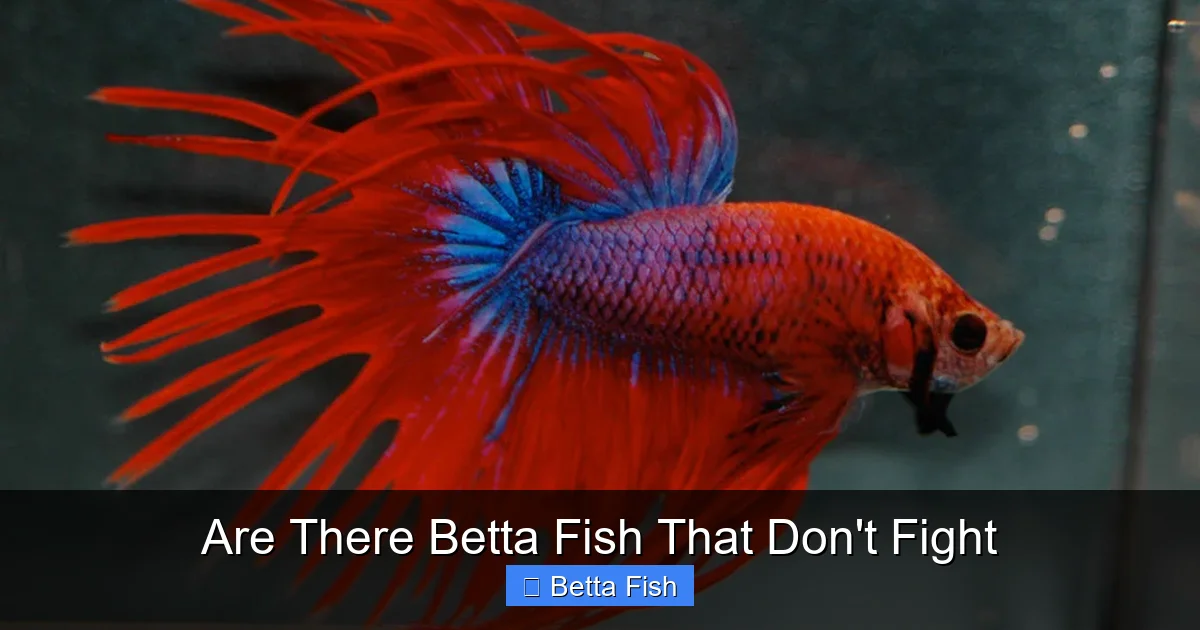
Yes, some bettas are bred specifically for calmer temperaments. Reputable breeders may label these fish as “community bettas,” “peaceful,” or “non‑aggressive.” While no betta can be guaranteed 100% safe with every other fish, these strains have a lower tendency to flare and bite.
Visual guide about Are There Betta Fish That Don’t Fight
Image source: bettafish.org
Choosing the right betta
When shopping, look for the following cues:
- Subtle coloration – extremely vivid colors can sometimes indicate higher aggression.
- Less pronounced fins – overly long, flowing fins are more likely to be used in fights.
- Calm behavior in the store – a fish that swims smoothly without constant flaring is a good sign.
Remember that individual personality still plays a role; two “peaceful” bettas may react differently once placed together.
3. Setting Up a Tank for Multiple Betta
Size matters
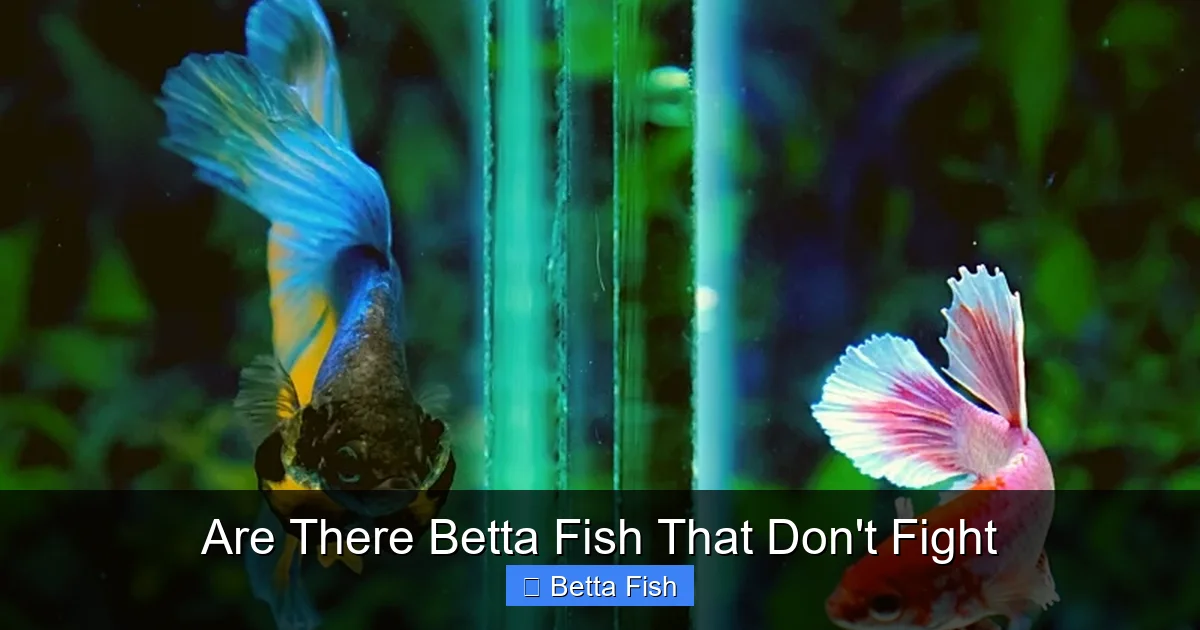
A minimum of 10 gallons per male is recommended if you plan to keep more than one male in the same system using a divider. For a community of females, 5‑gallon tanks can work, but larger is always better. The extra water volume dilutes waste and gives each fish its own territory.
Visual guide about Are There Betta Fish That Don’t Fight
Image source: infishtank.com
Plants, caves, and décor
Live plants such as Anubias, Java fern, and floating moss create natural barriers that block line‑of‑sight, reducing the urge to attack. Adding caves, driftwood, and resin ornaments gives bettas places to hide and claim as their own. For more ideas on plant choices, see Which Live Plants Are Good For Betta Fish.
Water parameters
Stable temperature (78‑80°F), pH (6.5‑7.5), and low nitrate (<20 ppm) keep bettas healthy and less prone to aggression. Perform weekly 25‑30% water changes and use a gentle filter that doesn’t create strong currents.
4. Compatible Tank Mates
Fish that usually get along
Small, fast‑moving species that stay near the bottom or top of the tank are ideal. Examples include:
- Harlequin Rasboras – school in the mid‑water and ignore bettas.
- Neon Tetras – bright but too fast for bettas to chase.
- Corydoras catfish – peaceful bottom dwellers.
Always avoid fin‑nipping species such as guppies or other bettas with long, flowing fins.
Invertebrate companions
Snails (Nerite, Mystery) and shrimp (Cherry, Amano) are excellent choices because they clean algae and are too small to provoke a betta. They also provide extra movement that can distract a betta from focusing on tank mates.
5. Introducing Betta Fish Safely
Quarantine and observation
Before adding a new betta to an established community, keep it in a separate quarantine tank for 2‑3 weeks. This period allows you to treat any hidden diseases and observe its temperament.
Gradual visual introduction
Use a clear acrylic divider to let the fish see each other without physical contact. After a few days, if neither fish is flaring, you can remove the divider. Keep a close eye for the first 30 minutes; any sudden flares mean you should re‑introduce the divider.
Emergency separation
If a fight does break out, quickly use a net or a temporary barrier to separate the aggressor. A plastic cup can hold a fighting betta while you rearrange décor or move one fish to a spare tank.
6. When Peace Is Not Possible
Recognizing signs of chronic stress
Frequent fin nipping, loss of color, or constant hiding indicate a hostile environment. Chronic stress can lead to weakened immunity and disease.
Alternative solutions
If you cannot achieve harmony, consider:
- Keeping a single male in a well‑decorated tank.
- Switching to a female‑only sorority with plenty of space.
- Moving the aggressive betta to a separate display tank.
Sometimes the simplest answer is to let the betta enjoy its own kingdom.
Conclusion: A Balanced Approach to Betta Harmony
While bettas are naturally territorial, there are indeed betta fish that are less likely to fight. By selecting calmer strains, providing ample space, using live plants and décor for visual barriers, and pairing them with suitable tank mates, you can create a thriving community where aggression is the exception.
Patience, observation, and a willingness to adjust the environment are the keys to success. With the right setup, you’ll get to enjoy the dazzling colors and graceful movements of multiple bettas living side by side, proving that these “Siamese fighting fish” can also be peaceful companions.
Frequently Asked Questions
Can two male bettas ever live together peacefully?
It is rare, but possible with a large tank, a solid divider, and careful monitoring. Even then, most experts recommend keeping males separate to avoid stress.
Are female bettas less aggressive than males?
Generally, yes. Females can be kept in groups called sororities if the tank is spacious and well‑planted, reducing the likelihood of fights.
What size tank is ideal for a community of bettas?
A minimum of 10 gallons per male or 5 gallons per female sorority is recommended. Larger tanks provide more territory and hiding spots, which helps calm fish.
Which fish should never be placed with a betta?
Avoid fin‑nipping species such as guppies, tiger barbs, and other bettas with long flowing fins. These can trigger aggression and cause injury.
How can I tell if my betta is stressed?
Signs include constant flaring, loss of color, clamped fins, and reduced appetite. Address water quality and tank setup promptly if you notice these symptoms.
Do bettas need a heater in a community tank?
Yes. Betta fish are tropical and thrive at 78‑80°F. A reliable aquarium heater keeps the temperature stable for all inhabitants.

