Are Swordfish or Bass Better for Fishing
Choosing between swordfish and bass depends on your fishing style, equipment, and where you cast. Swordfish offer thrilling offshore battles, while bass provide accessible, fun freshwater action. This guide breaks down everything you need to decide which fish is better for your next outing.
Key Takeaways
- Habitat matters: Swordfish are offshore giants; bass thrive in freshwater lakes and rivers.
- Gear requirements differ: Swordfish need heavy‑duty rods, reels, and strong line; bass can be caught with lighter, versatile setups.
- Skill level: Swordfish are best for experienced anglers; bass are ideal for beginners and families.
- Seasonality: Swordfish follow migratory patterns, while bass have predictable seasonal peaks.
- Cost and regulations: Swordfish often involve higher fees and strict limits; bass fishing is generally low‑cost and less regulated.
- Physical challenge: Swordfish provide an adrenaline‑pumping fight; bass offer a more relaxed, tactical experience.
- Conservation impact: Sustainable practices differ; understanding quotas helps protect both species.
📑 Table of Contents
- Introduction: The Great Debate Between Swordfish and Bass
- 1. Understanding the Habitat: Offshore vs. Freshwater
- 2. Gear Essentials: From Heavy‑Duty Tackle to Light‑Weight Gear
- 3. Skill Level and Learning Curve
- 4. Seasonality and Timing
- 5. Cost, Regulations, and Conservation
- 6. The Experience Factor: What Do You Really Want?
- Conclusion: Which Is Better for You?
Introduction: The Great Debate Between Swordfish and Bass
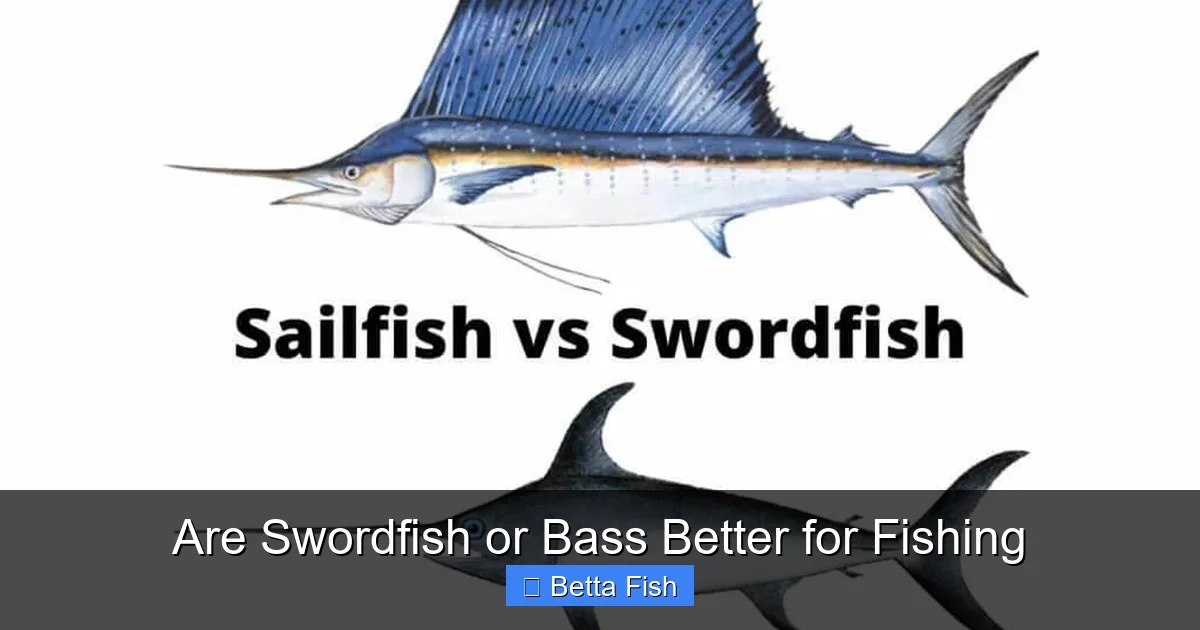
If you’ve ever stood on a dock or a boat wondering “are swordfish or bass better for fishing?” you’re not alone. The two species sit on opposite ends of the fishing spectrum. Swordfish are the sleek, torpedo‑shaped predators of the open ocean, famous for their long, sharp bills and powerful runs. Bass, on the other hand, are freshwater favorites that love hiding among vegetation, rocks, and logs.
Both fish offer unique thrills, but the right choice depends on where you fish, what gear you own, and how much time you want to spend prepping. In this article we’ll dive deep into habitat, equipment, technique, seasonality, cost, and conservation so you can decide which catch will give you the most satisfaction.
1. Understanding the Habitat: Offshore vs. Freshwater
Where Swordfish Roam
Swordfish (Xiphias gladius) are pelagic, meaning they spend their lives in the open sea, often far from shore. They prefer warm, temperate waters and follow the edges of the thermocline where prey like tuna and squid gather. Popular swordfish hotspots include the Atlantic off the coast of New England, the Gulf of Mexico, and the Pacific near Hawaii.
Visual guide about Are Swordfish or Bass Better for Fishing
Image source: fishingbooker-prod-blog-backup.s3.amazonaws.com
Because they are migratory, you’ll need to plan trips around their seasonal movements. Checking local fishery reports and using tools like satellite tracking maps can help you pinpoint their location.
Where Bass Hide
Bass, especially largemouth (Micropterus salmoides) and smallmouth (Micropterus dolomieu), stick to freshwater environments such as lakes, ponds, rivers, and reservoirs. They love warm, slow‑moving water with plenty of cover—think submerged trees, weed beds, and rock ledges.
Unlike swordfish, bass are locally resident. That means you can often find good action within a short drive from home, making them ideal for weekend outings.
2. Gear Essentials: From Heavy‑Duty Tackle to Light‑Weight Gear
Equipment for Swordfish
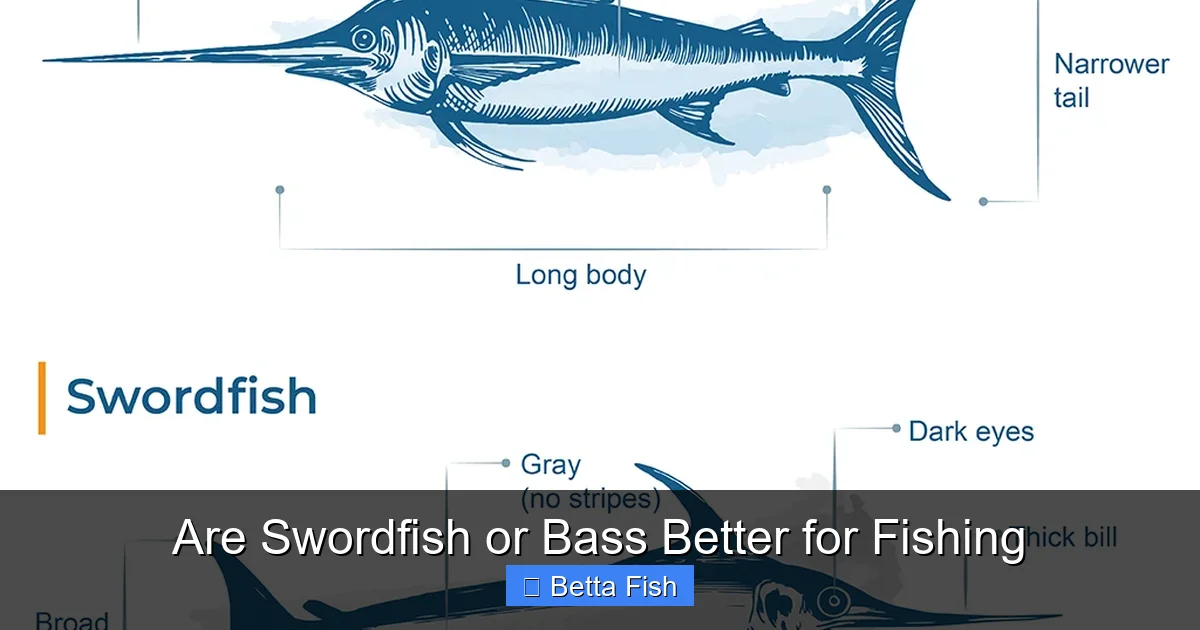
Catching swordfish is a serious undertaking. You’ll need a stout offshore rod (7–9 ft, 80–130 lb test), a high‑capacity reel with a strong drag system, and at least 80‑lb test braided line. Many anglers also use a steel leader to prevent the swordfish’s bill from cutting through the line.
Visual guide about Are Swordfish or Bass Better for Fishing
Image source: fishingbooker-prod-blog-backup.s3.amazonaws.com
Artificial lures like big trolling skirts, deep‑diving plugs, or live bait such as strip‑baited mackerel work best. A sturdy fighting chair and a boat equipped with a reliable GPS are also essential.
Equipment for Bass
Bass fishing is far more forgiving. A medium‑action rod (6–7 ft) paired with a spinning or baitcasting reel using 8‑12 lb test line works for most situations. Soft plastics, spinnerbaits, and crankbaits are the go‑to lures.
Because bass often bite in shallow water, a good pair of waders or a small boat can make access easier. The gear is affordable, and you can upgrade gradually as your skills improve.
3. Skill Level and Learning Curve
Why Swordfish Suit Experienced Anglers
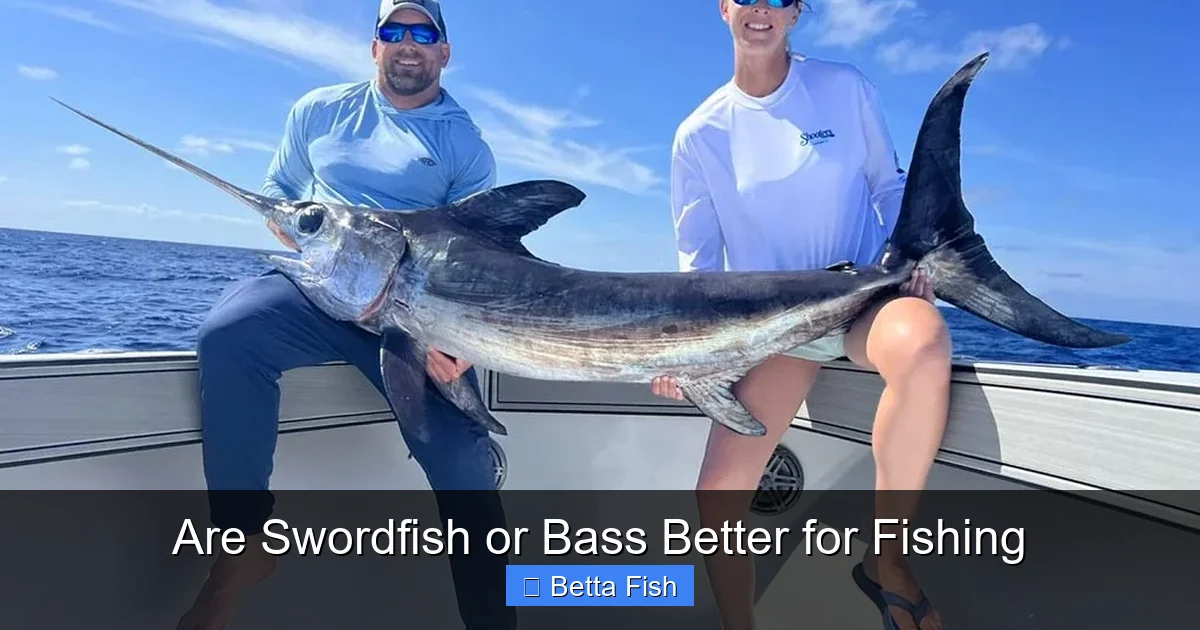
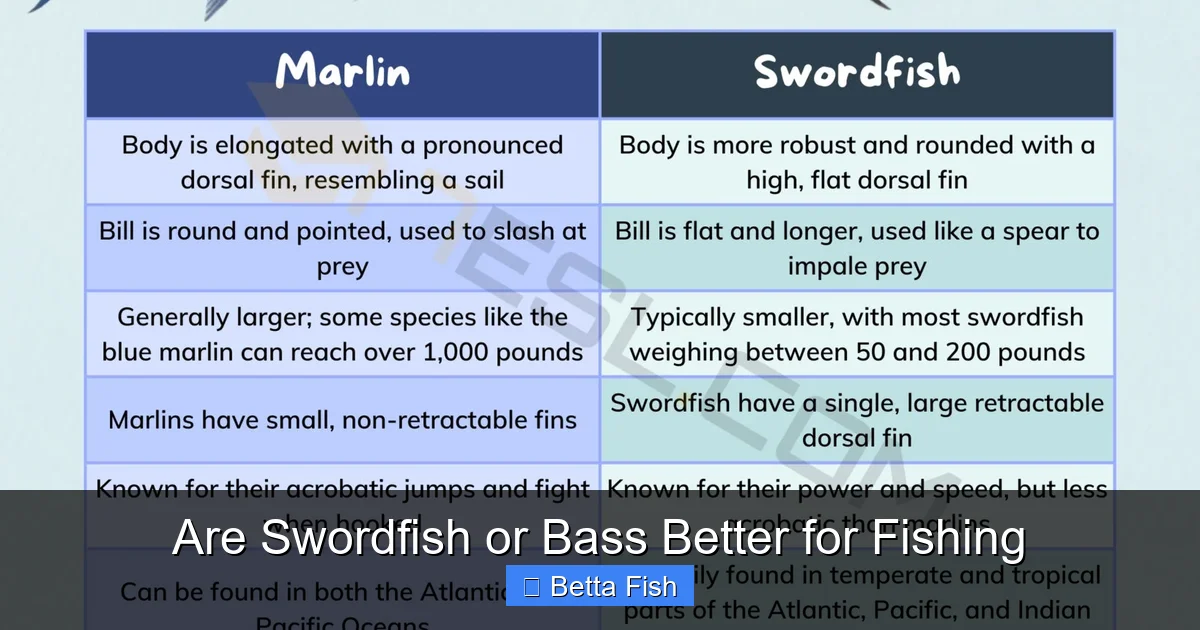
The sheer size and speed of swordfish demand confidence and technique. You must master trolling, jigging, and fighting a fish that can exceed 60 lb and run at 30 mph. Mistakes in line management can lead to a broken line or a lost fish.
Visual guide about Are Swordfish or Bass Better for Fishing
Image source: 7esl.com
If you’re new to offshore fishing, consider hiring a charter or joining a guided trip first. Learning from seasoned captains will teach you how to read the water, set the right depth, and handle the massive pull.
Bass: The Perfect Beginner’s Fish
Bass fishing is approachable for all ages. The learning curve is gentle—start with a simple plastic worm, practice casting, and watch the fish respond to subtle changes in retrieve speed.
Because bass often bite in clear, calm water, you can quickly see what works and adjust. This immediate feedback makes bass an excellent fish for sharpening your technique before tackling bigger game.
4. Seasonality and Timing
Swordfish Seasons
Swordfish follow warm currents and are most abundant in late summer to early fall in the Atlantic, and year‑round in tropical Pacific waters. Checking the high tide vs. low tide patterns can also influence success, as swordfish often feed closer to the surface during certain tidal phases.
Bass Seasons
Bass have clear seasonal patterns. Spring is prime time when bass move into shallow spawning areas, making them aggressive and easy to locate. Summer offers consistent bites in deeper structures, while fall brings another surge as they feed heavily before winter.
Understanding these windows helps you plan trips that align with peak activity, increasing your catch rate.
5. Cost, Regulations, and Conservation
Financial Investment for Swordfish
Offshore charters, fuel, and heavy gear can add up quickly—often several hundred dollars per outing. Moreover, many regions impose strict quotas, size limits, and licensing fees to protect swordfish populations.
Always verify local regulations before you go. Sustainable practices, such as releasing undersized fish and using circle hooks, help maintain healthy stocks.
Bass Fishing Budget
Bass fishing is budget‑friendly. A basic rod and reel set costs under $100, and local fishing licenses are inexpensive. Regulations are generally simple—most states set a daily bag limit of 5‑10 bass, with size restrictions to protect juveniles.
Because bass are abundant, you can fish often without worrying about overharvest, making it a low‑stress hobby.
6. The Experience Factor: What Do You Really Want?
Adrenaline vs. Relaxation
If you crave a heart‑pounding battle, the swordfish’s powerful runs and dramatic surface jumps deliver pure adrenaline. The effort of hauling a massive fish onto a sturdy deck is a badge of honor among offshore anglers.
For a more relaxed, family‑friendly outing, bass fishing offers a blend of strategy and tranquility. You can spend hours casting from a dock, sharing stories, and enjoying the natural scenery.
Social Aspects
Offshore trips often involve a crew, a captain, and sometimes a group of friends. This can be a great bonding experience, but it also requires coordination and higher costs.
Bass fishing is flexible—you can go solo, with a partner, or bring the whole family. It’s also a common activity for community tournaments, which can be a fun way to meet other anglers.
Conclusion: Which Is Better for You?
So, are swordfish or bass better for fishing? The answer isn’t one‑size‑fits‑all. If you love the challenge of tackling a massive, fast‑moving predator and have the gear and budget for offshore adventures, swordfish will give you an unforgettable thrill. If you prefer a low‑cost, low‑stress, skill‑building experience that you can enjoy close to home, bass is the clear winner.
Consider your location, equipment, skill level, and the type of experience you seek. Many anglers enjoy both—spending weekends on the lake for bass and planning an annual offshore trip for swordfish. Whatever you choose, respect the fish, follow regulations, and enjoy the water.
Ready to plan your next outing? Check out our guide on which is better inshore or offshore fishing to help you decide where to cast your line next.
Frequently Asked Questions
Are swordfish harder to catch than bass?
Yes. Swordfish require heavy offshore gear, experience with trolling, and often a charter boat, while bass can be caught with simple freshwater equipment and minimal expertise.
Can I fish for both swordfish and bass in the same season?
It’s possible if you live near both coastal and inland waters. Swordfish are typically targeted in late summer offshore, whereas bass are active in spring and fall in freshwater.
Do I need a special license for swordfish?
Most regions require a commercial or offshore sport fishing license, and there may be additional permits for swordfish due to conservation quotas.
What is the best bait for swordfish?
Live or strip‑baited fish such as mackerel, sardines, or squid work best. Many anglers also use large trolling lures that mimic these prey items.
What lures work best for bass?
Soft plastic worms, spinnerbaits, and crankbaits are popular. Matching the lure size and color to local forage and water clarity improves success.
Is bass fishing more family‑friendly than swordfish?
Generally, yes. Bass fishing can be done from a dock or small boat with minimal cost and equipment, making it safe and accessible for all ages.