Are Shorter Rods Better for Kayak Fishing
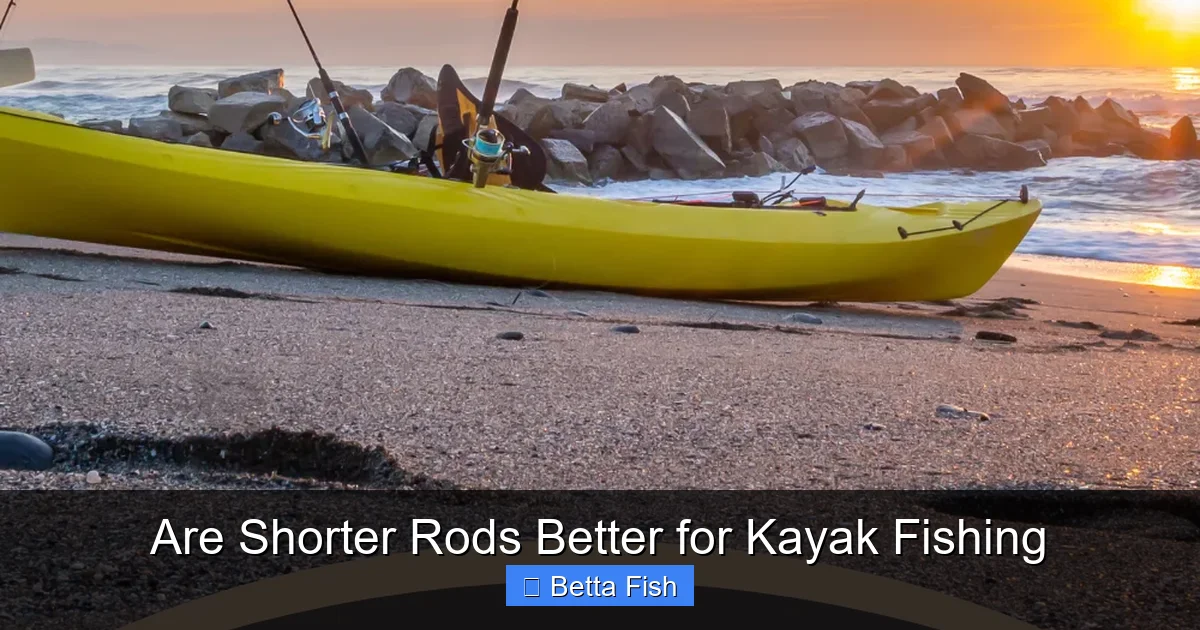
Shorter rods can be a game‑changer for kayak anglers. They boost maneuverability, reduce swing weight, and fit tighter spaces, but may sacrifice casting distance. Choose the right length based on your kayak type, target species, and fishing style.
Key Takeaways
- Space matters: Shorter rods fit snugly in kayak cockpits and on deck rigs.
- Balance and swing: A lighter, shorter rod reduces kayak rocking when casting.
- Casting range: Longer rods generally throw farther; short rods excel at accuracy.
- Target species: Small‑to‑medium freshwater fish respond well to short‑rod techniques.
- Custom fit: Match rod length to kayak width, paddle length, and personal comfort.
- Material choice: Graphite or composite short rods stay stiff while staying light.
- Versatility: Many anglers keep both short and medium rods to cover all scenarios.
📑 Table of Contents
- Introduction: Why the Length Question Matters
- 1. The Physics of Length: How Rod Size Affects Performance
- 2. Matching Rod Length to Kayak Type
- 3. Target Species and Technique
- 4. Material Matters: Choosing the Right Build for a Short Rod
- 5. Practical Tips: Getting the Most Out of a Short Rod on a Kayak
- 6. Real‑World Examples: Anglers Who Swear by Short Rods
- Conclusion: Finding Your Sweet Spot
Introduction: Why the Length Question Matters
Kayak fishing has exploded in popularity over the past decade. The appeal is simple: you get to chase fish in places a motorboat can’t reach, all while staying low‑impact and inexpensive. But the sport brings a new set of challenges, especially when it comes to gear. One of the most debated topics among kayak anglers is rod length. Traditional shore anglers often reach for 7‑ to 9‑foot rods, yet many kayak fishermen swear by 5‑ to 6‑foot models.
So, are shorter rods better for kayak fishing? The answer isn’t a flat “yes” or “no.” It depends on how you fish, where you fish, and what you’re after. In this guide we’ll break down the physics, the practicalities, and the personal preferences that shape the decision. By the end you’ll know exactly when to grab a short rod and when a longer pole might still be the smarter pick.
1. The Physics of Length: How Rod Size Affects Performance
1.1 Lever Action and Casting Distance
Think of a fishing rod as a lever. The longer the lever, the farther you can fling the line with the same amount of muscle. A 9‑foot rod gives you a longer swing arc, which translates to more line speed and greater distance. Short rods, usually 5‑6 feet, have a tighter arc, so they sacrifice some range but gain speed in the initial pull.
Visual guide about Are Shorter Rods Better for Kayak Fishing
Image source: koala.sh
1.2 Swing Weight and Kayak Stability
When you cast from a kayak, every ounce of swing weight can rock the hull. A longer rod often means more mass at the tip, which can cause the kayak to tip side‑to‑side. Shorter rods are lighter and keep the center of gravity closer to the paddler, helping maintain a steady platform.
1.3 Line Management in Tight Spaces
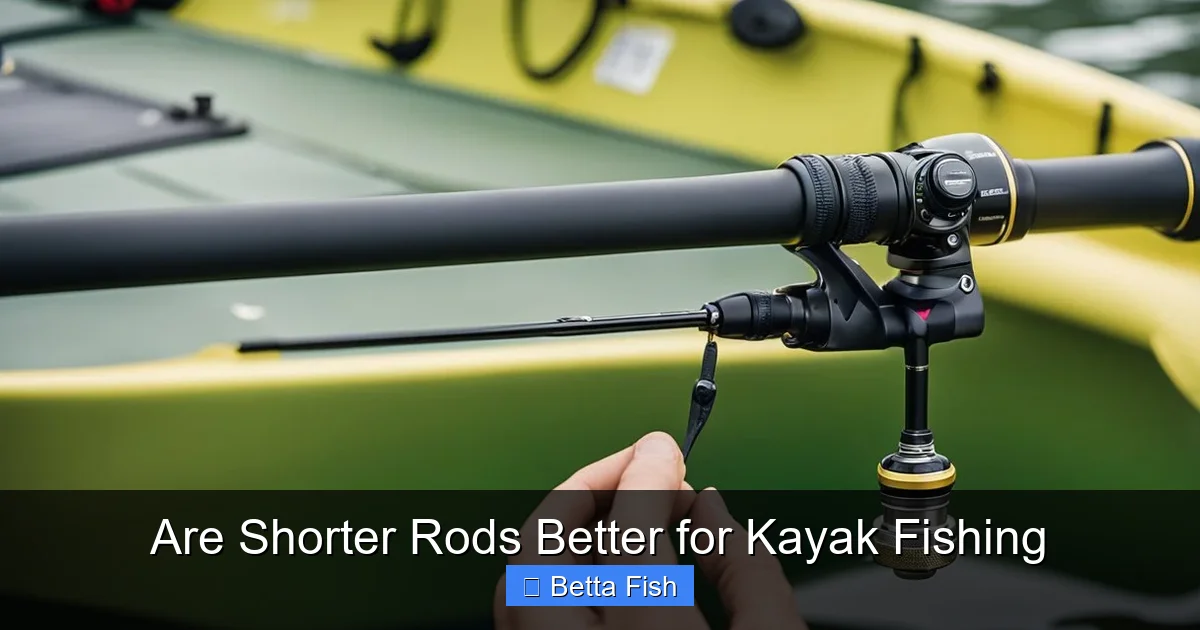
Kayak cockpits are cramped. A 7‑foot rod can bump against the foot brace, the kayak deck, or even the paddles stored on deck. A 5‑foot rod slides easily into a rod holder or a side mount, reducing the chance of accidental damage.
2. Matching Rod Length to Kayak Type
2.1 Sit‑Inside vs. Sit‑On‑Top
Sit‑inside kayaks have a closed cockpit, which limits how far a rod can extend forward. Many sit‑inside anglers prefer 5‑foot rods that can be stored inside the cockpit when not in use. Sit‑on‑top models usually have a larger deck area, making 6‑foot rods a comfortable middle ground.
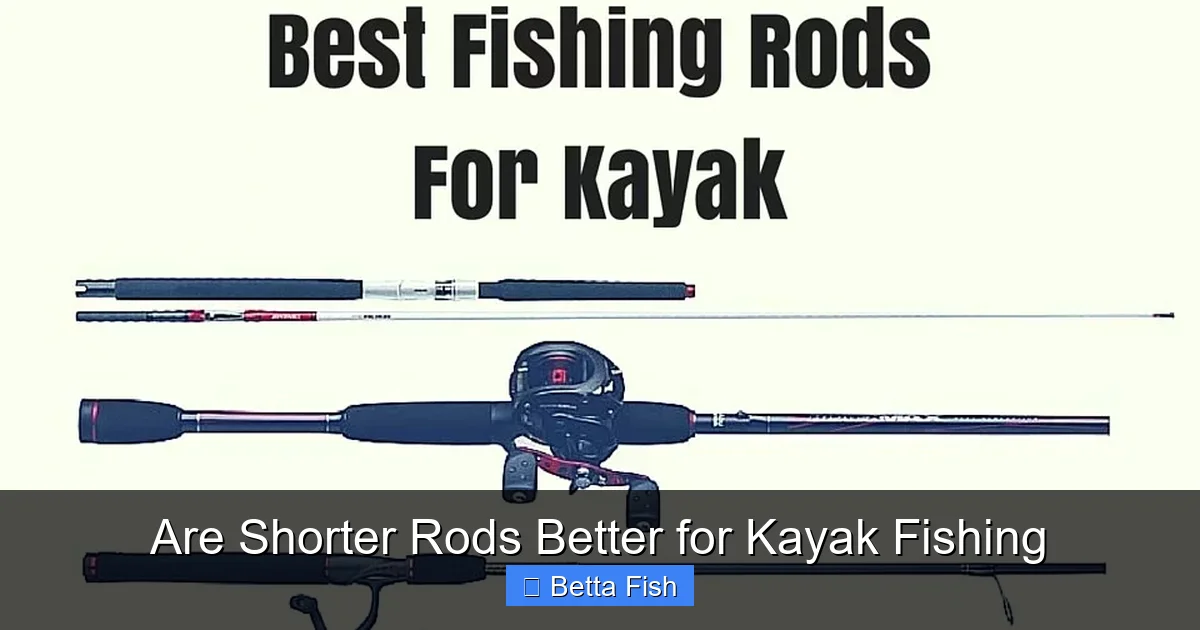
Visual guide about Are Shorter Rods Better for Kayak Fishing
Image source: spinningpole.com
2.2 Width and Stability
A wider kayak offers more stability, allowing you to handle slightly longer rods without excessive rocking. Narrow, high‑performance fishing kayaks pair best with short, light rods to keep the boat balanced.
2.3 Rod Holders and Mounts
Most kayak rod holders are designed for 5‑6 foot rods. If you purchase a longer pole, you may need a custom mount or a “quick‑release” system that can handle the extra length. Check the manufacturer’s specifications before you buy.
3. Target Species and Technique
3.1 Freshwater Favorites: Bass, Crappie, and Panfish
These species often bite on lures or soft plastics presented close to the water’s surface. A short rod gives you better control for precise casts under overhanging trees or dock pilings. It also lets you feel subtle bites that a longer, more “springy” rod might mask.
Visual guide about Are Shorter Rods Better for Kayak Fishing
Image source: kayakbase.com
3.2 Saltwater Pursuits: Redfish, Snook, and Striped Bass
When you’re chasing larger, faster saltwater game, you’ll need longer casting distance and stronger backbone. A 7‑foot rod is usually recommended for surf or offshore kayak fishing, especially if you’re using heavy jigs or bucktails. However, for inshore ambush spots like mangrove channels, a 5‑foot rod can still excel.
3.3 Trolling vs. Casting
Trolling from a kayak often involves a motor or paddle‑driven trolling speed, requiring a longer rod to keep the lure at the right depth. For static casting (still‑water or casting from a dock), short rods shine because you can keep the line tight and react quickly.
4. Material Matters: Choosing the Right Build for a Short Rod
4.1 Graphite vs. Composite
Graphite rods are lightweight and stiff, perfect for short‑length designs that need to transmit power quickly. Composite (graphite‑fiberglass blends) adds a bit of flex, which can be forgiving on light‑tackle presentations.
4.2 Action and Power
Short rods typically have a “fast” action, meaning they bend near the tip. This gives a snappy hook set, ideal for bass and panfish. If you plan to target heavier saltwater species, look for a medium‑fast action with a higher power rating, even on a short frame.
4.3 Guides and Reel Seats
Because the rod is shorter, the line spends less time in the guides, which reduces friction. However, high‑quality ceramic guides still matter—they’ll keep your line smooth and prevent wear, especially when using braided line.
5. Practical Tips: Getting the Most Out of a Short Rod on a Kayak
5.1 Master the “Side‑Cast” Technique
When space is tight, a side‑cast (casting across the kayak rather than over the bow) saves room and keeps the kayak stable. Practice this motion on land first; the short rod’s quick swing makes it perfect for side‑casting.
5.2 Use Light Lures and Tippets
Short rods work best with lighter lures (1‑4 ounces). Pair them with a 6‑8 lb test line for bass or a 10‑12 lb test for light saltwater. A thin tippet allows the lure to move naturally without the rod’s limited length dampening the action.
5.3 Keep Your Rod Clean and Dry
Kayak fishing means exposure to spray, sun, and occasional splashes. Wipe down your rod after each outing, especially the handle and reel seat, to prevent corrosion. A quick‑dry rod sheath can protect a short rod when stored inside the cockpit.
5.4 Pair with a Compact Reel
Choose a spinning or bait‑casting reel that matches the rod’s length—usually 2000‑2500 size for 5‑foot rods. A compact reel reduces overall weight and fits better in kayak rod holders.
5.5 Have a Backup Longer Rod
Even the most versatile short rod has limits. Many seasoned kayak anglers keep a 7‑foot rod in a dry bag for days when they need extra casting distance or heavier tackle. This “dual‑rod” approach covers every scenario.
6. Real‑World Examples: Anglers Who Swear by Short Rods
6.1 The River‑Side Paddler
Mike, a kayak fisherman from Ohio, spends his mornings on the Olentangy River. He uses a 5‑foot graphite spinning rod with a 4‑ounce spinnerbait. The short length lets him cast under low bridges and around overhanging trees without hitting his kayak’s deck. He reports a 30 % increase in bass catches compared to his old 7‑foot pole.
6.2 The Inshore Saltwater Specialist
Jenna fishes the shallow flats of Florida’s Gulf Coast. She carries a 6‑foot saltwater rod for snook and a 5‑foot rod for quick “drop‑shot” presentations around mangrove roots. Her short rod’s sensitivity helps her detect subtle snook strikes that would be missed with a heavier, longer rod.
6.3 The Budget‑Conscious Beginner
New to kayak fishing, Alex bought a 5‑foot rod kit from a local retailer. The kit included a compact reel, a few soft plastics, and a rod holder. Within his first weekend, he landed several crappie from a narrow creek. The short rod’s affordability and ease of use convinced him to stick with the size.
Conclusion: Finding Your Sweet Spot
So, are shorter rods better for kayak fishing? The short answer is: they are better for many situations, especially when you value maneuverability, stability, and precise casting in tight spots. However, they are not a universal replacement for longer rods. Your ideal rod length will balance kayak type, target species, and personal comfort.
Take the time to test a few lengths on the water. Many outfitters offer demo days, and a short rod’s lower price point makes it a low‑risk experiment. Pair your chosen rod with the right reel, line, and lure, and you’ll quickly see the benefits. Whether you end up with a 5‑foot “pocket” rod or a versatile 7‑foot all‑rounder, the key is to match your gear to your fishing style—not the other way around.
Frequently Asked Questions
Are short rods easier to handle on a kayak?
Yes. Shorter rods have less swing weight, which reduces kayak rocking and makes them easier to maneuver in tight spaces.
Do short rods limit casting distance?
Generally, they do. A shorter lever means less line speed, so you may lose 10‑20 % of distance compared to a longer rod, but accuracy often improves.
Can I use a short rod for saltwater species?
You can, especially for inshore targets like snook or redfish. For offshore or heavy‑tackle situations, a longer rod is usually more effective.
What rod length is best for bass fishing from a kayak?
Most kayak bass anglers prefer 5‑6 foot rods. This length offers good control under vegetation and dock pilings while still providing enough power for most bass lures.
Do I need a special rod holder for a short rod?
Standard kayak rod holders typically accommodate 5‑6 foot rods. If you plan to switch between short and long rods, look for a quick‑release holder that adjusts to different lengths.
How do I choose between graphite and composite short rods?
Graphite rods are lighter and stiffer, ideal for fast action and sensitive presentations. Composite rods add a bit of flex, which can be forgiving with lighter lures and softer fish.