Are Scuds Good for Betta Fish
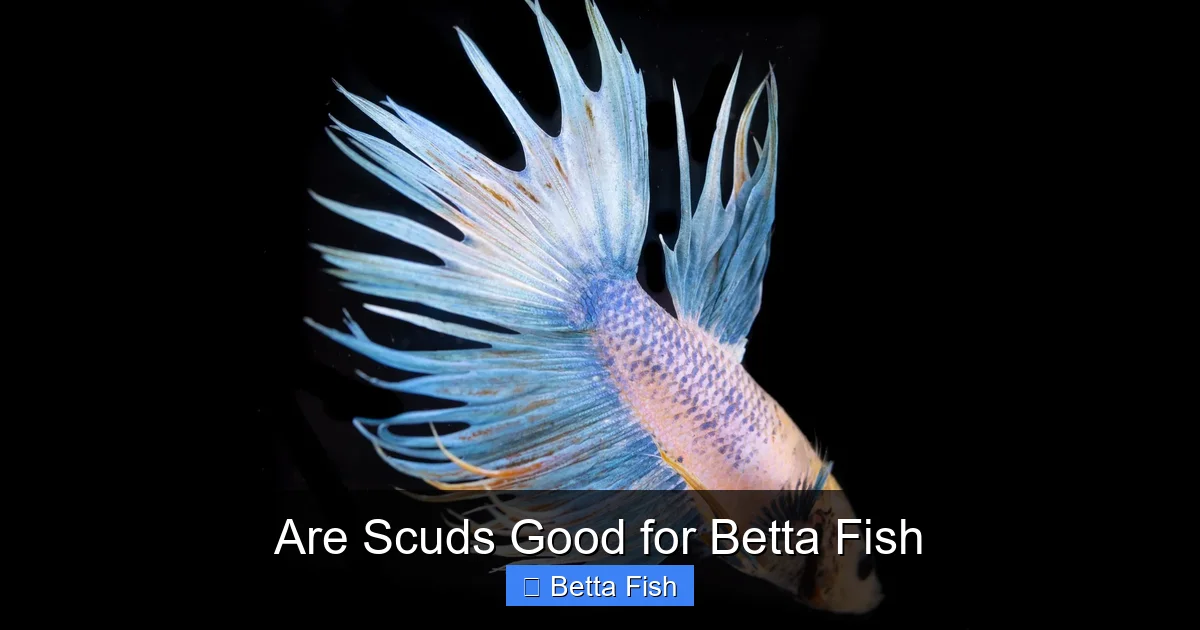
Scuds can be a fantastic supplemental food for betta fish when used correctly. They offer natural movement, nutrition, and enrichment, but over‑feeding or poor water conditions can cause problems. Follow our simple tips to keep your betta happy and healthy.
Key Takeaways
- Natural enrichment: Live scuds stimulate a betta’s hunting instincts.
- Balanced nutrition: Scuds provide protein and fiber that complement pellets.
- Water quality matters: Too many scuds can cloud water and raise ammonia.
- Introduce gradually: Start with a few scuds to gauge your betta’s reaction.
- Combine with plants: Live plants give scuds a home and improve tank health.
- Watch for over‑feeding: Remove uneaten scuds within 24 hours.
- Use reputable sources: Purchase scuds from clean, disease‑free cultures.
📑 Table of Contents
- Introduction: Why the Question Matters
- What Are Scuds?
- Benefits of Feeding Scuds to Betta Fish
- Potential Drawbacks and How to Avoid Them
- How to Introduce Scuds Safely
- Feeding Frequency and Portion Sizes
- Setting Up a Mini Scud Culture (Optional)
- Scuds vs. Other Live Foods
- Integrating Scuds with Live Plants
- Common Mistakes to Avoid
- Answering the Core Question: Are Scuds Good for Betta Fish?
- Practical Tips From Experienced Keepers
- Conclusion
Introduction: Why the Question Matters
If you’ve ever watched a betta chase a tiny shrimp or a worm, you know how thrilling live food can be. Many hobbyists wonder, are scuds good for betta fish? The answer isn’t a simple yes or no; it depends on nutrition, tank setup, and how you manage the little critters. In this article we’ll break down everything you need to know, from what scuds are to step‑by‑step feeding tips, so you can decide if they belong in your betta’s diet.
We’ll keep the tone friendly—think of us as a fellow fish‑keeper sharing a coffee‑table chat. You’ll get practical examples, easy‑to‑follow advice, and even a few links to other helpful articles on our site.
What Are Scuds?
Scuds Defined
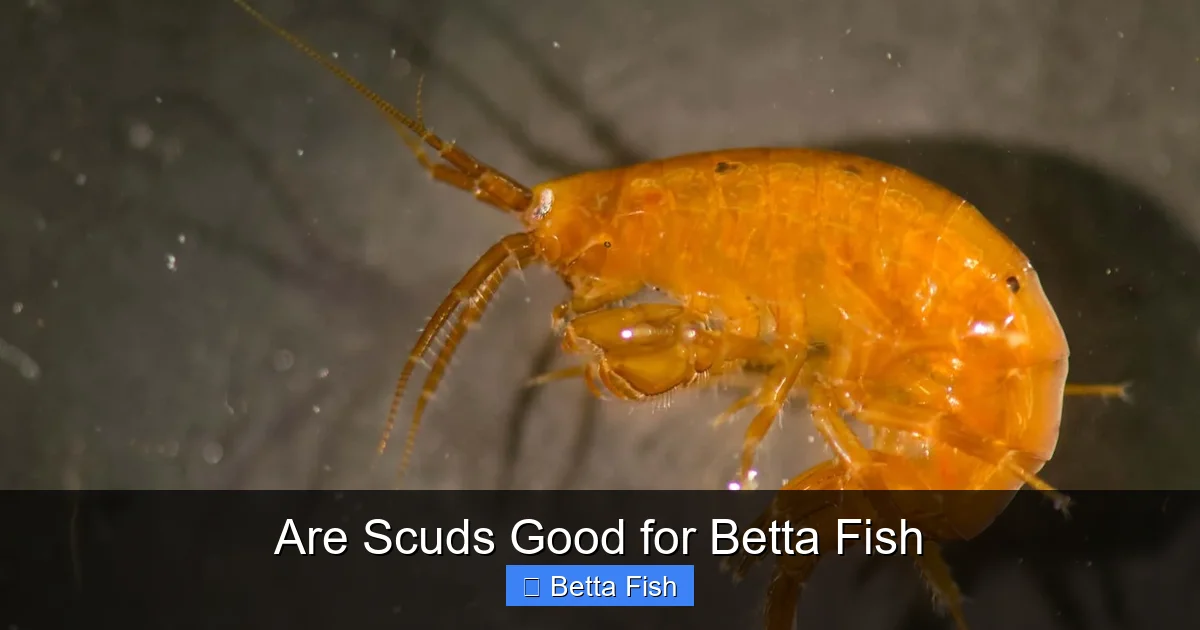
Scuds are small freshwater amphipods, typically 1‑5 mm long, that look like tiny, wiggling shrimp. They thrive in freshwater habitats, feeding on algae, detritus, and microscopic organisms.

Visual guide about Are Scuds Good for Betta Fish
Image source: bettacarefishguide.com
Why They’re Popular in the Aquarium Hobby
- They’re inexpensive and easy to culture.
- Live movement triggers a betta’s natural predatory instincts.
- They’re a source of protein, lipids, and fiber.
Benefits of Feeding Scuds to Betta Fish
1. Natural Hunting Stimulation
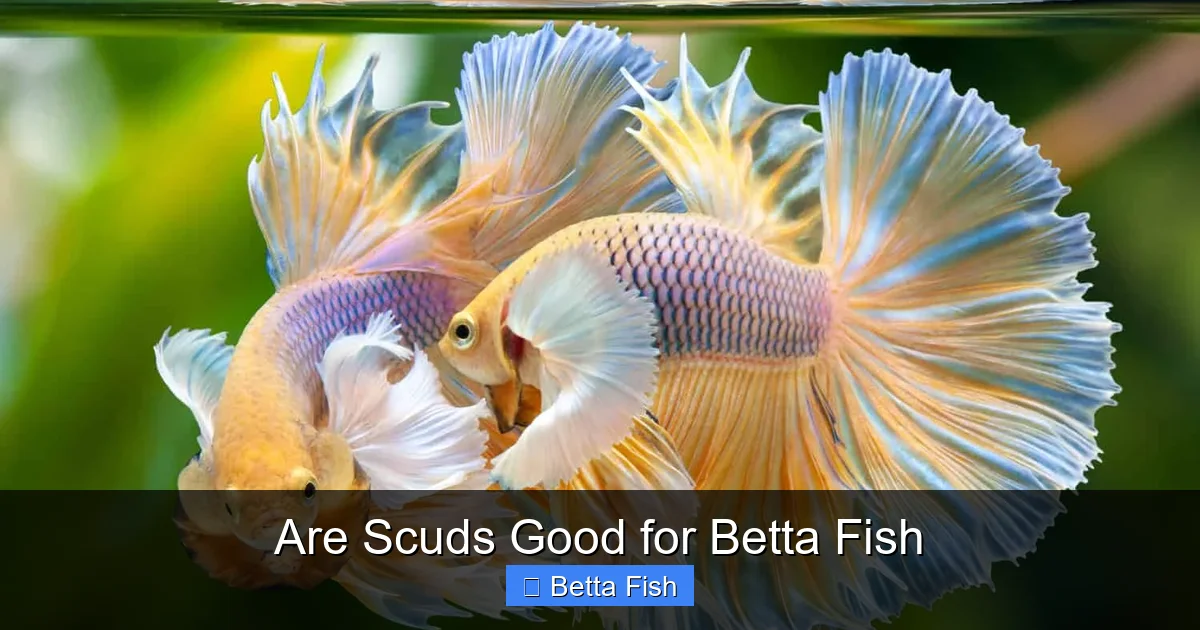
Betta fish are ambush predators. When a live scud darts across the tank, the betta’s instinct to strike is activated, providing mental enrichment and exercise. This can reduce boredom‑related aggression and improve overall vigor.
Visual guide about Are Scuds Good for Betta Fish
Image source: a-z-animals.com
2. Nutritional Boost
Scuds contain a balanced mix of protein (about 40‑45 % dry weight) and essential fatty acids. Compared to dry pellets, they add variety and help fill any gaps in a betta’s diet. A small handful once or twice a week can supplement the main feed.
3. Improved Digestion
The fiber in scuds aids gut motility, which can be especially helpful for older bettas or those that tend to over‑eat dry foods.
4. Water Quality Benefits (When Managed Correctly)
Live scuds consume excess algae and organic waste, acting like a tiny clean‑up crew. In moderation, they can help keep the water clearer, especially in tanks with live plants.
Potential Drawbacks and How to Avoid Them
1. Water Quality Concerns
Scuds produce waste just like any other animal. If you add too many, ammonia levels can spike, stressing your betta. Always monitor water parameters and perform regular water changes.
Visual guide about Are Scuds Good for Betta Fish
Image source: aquariadise.com
2. Over‑Feeding Risks
Betta fish have small stomachs. Uneaten scuds left in the tank for more than 24 hours become a source of decay and bacterial growth. Remove any leftovers promptly.
3. Disease Transmission
Wild‑caught scuds may carry parasites. Purchase from reputable cultured sources, and consider quarantining new batches for a few days before introduction.
4. Compatibility with Tank Mates
If you keep other small fish or invertebrates, scuds may become a shared food source, which can lead to competition or aggression. Keep this in mind when planning a community setup.
How to Introduce Scuds Safely
Step 1: Choose a Reliable Source
Buy scuds from a trusted aquarium supplier that guarantees they are disease‑free. Avoid collecting them from outdoor ponds unless you’re confident about water quality.
Step 2: Start Small
Begin with a pinch (about 5‑10 scuds) in a 5‑gallon tank. Observe your betta’s reaction. If he strikes enthusiastically, you can gradually increase the amount.
Step 3: Provide Hiding Spots
Live plants, driftwood, or a small piece of PVC pipe give scuds a place to rest. This also mimics their natural environment and reduces stress.
Step 4: Monitor Water Parameters
Test ammonia, nitrite, and nitrate levels daily for the first week. If you notice a rise, reduce the scud count or perform a partial water change.
Step 5: Remove Uneaten Scuds
After 24 hours, use a fine net to scoop out any leftover scuds. This prevents decay and maintains water clarity.
Feeding Frequency and Portion Sizes
For most bettas, feeding scuds 2‑3 times per week is sufficient. A good rule of thumb is:
- Small betta (under 2 in): 5‑8 scuds per feeding.
- Larger betta (2‑3 in): 10‑15 scuds per feeding.
Combine scuds with a high‑quality pellet or frozen food to ensure a balanced diet.
Setting Up a Mini Scud Culture (Optional)
Why You Might Want a Culture
Having a steady supply of scuds eliminates the need for frequent purchases and ensures you always have fresh live food on hand.
Materials Needed
- 10‑gallon glass or plastic container with a lid.
- Fine mesh or filter to keep scuds from escaping.
- Dechlorinated water (use a water conditioner).
- Live plants or a piece of moss for hiding.
- Algae source – you can add a pinch of spirulina powder.
Step‑by‑Step Guide
- Fill the container with conditioned water.
- Add a handful of starter scuds.
- Introduce a small piece of Java moss; it provides surface area for algae growth.
- Place the container in a spot with indirect light (12‑14 hours a day).
- Feed a tiny amount of spirulina every few days; excess will grow algae for the scuds.
- Every 2‑3 weeks, harvest a pinch of scuds for your betta’s tank.
Remember to keep the culture clean—perform a 25 % water change weekly to prevent buildup.
Scuds vs. Other Live Foods
Comparison Chart
| Live Food | Size | Protein % | Ease of Culture | Best For |
|---|---|---|---|---|
| Scuds | 1‑5 mm | 40‑45 % | Easy | Supplemental feeding, enrichment |
| Daphnia | 2‑5 mm | 30‑35 % | Moderate | Starter food for fry |
| Bloodworms (frozen) | 5‑10 mm | 55‑60 % | None (store‑bought) | High‑protein treat |
Scuds sit nicely between tiny daphnia and larger bloodworms, offering a manageable size for most bettas.
Integrating Scuds with Live Plants
Live plants are a cornerstone of a healthy betta tank. They provide hiding places, improve water chemistry, and give scuds a natural substrate. Check out our guide on which live plants are good for betta fish to choose species that thrive alongside scuds, such as Java fern, Anubias, and Hornwort.
Plant roots and leaf litter create micro‑habitats where scuds can graze, reducing the need for supplemental feeding and keeping the tank ecosystem balanced.
Common Mistakes to Avoid
- Over‑stocking the tank with scuds: Too many live critters raise bioload and can overwhelm filtration.
- Feeding scuds as the sole diet: Betta fish need a varied diet for complete nutrition.
- Ignoring water tests: Regular testing prevents hidden ammonia spikes.
- Using untreated pond water: May introduce parasites; always condition water.
Answering the Core Question: Are Scuds Good for Betta Fish?
In short, yes—**scuds are good for betta fish** when used as a supplemental, occasional treat. They provide enrichment, protein, and fiber, but must be managed to keep water quality high. Treat them like a spice: a little goes a long way, and the overall diet should remain balanced.
If you’re new to betta care, you might first want to read our article on are betta fish easy to care for to ensure your tank basics are solid before adding live foods.
Practical Tips From Experienced Keepers
Tip 1: Use a Feeding Dish
Place a shallow dish in the tank and drop scuds into it. This concentrates the action and makes it easier to remove leftovers.
Tip 2: Pair with a Light Feeding
Offer a few pellets right after the scuds. The betta will eat the live food first, then finish the pellets, ensuring a full meal.
Tip 3: Observe Behavior
Watch for signs of stress—gasping at the surface, faded colors, or clamped fins. If you notice any, reduce live food and check water parameters.
Conclusion
Scuds can be a wonderful addition to a betta’s menu, offering natural hunting fun and nutritional benefits. By starting slowly, keeping the tank clean, and pairing scuds with quality pellets, you’ll give your betta a richer, more stimulating life. Remember, the key is balance—just as we wouldn’t eat only one food every day, our fish thrive on variety.
Happy feeding, and enjoy watching your betta become the graceful predator you know he is!
Frequently Asked Questions
Are scuds safe for all betta fish?
Yes, most healthy bettas can handle scuds, but very young fry or sick fish may need a gentler diet. Always start with a small amount and watch for reactions.
How often should I feed scuds to my betta?
Two to three times per week is enough. Over‑feeding can cloud the water and increase ammonia.
Can I keep scuds in the same tank as live plants?
Absolutely. Plants give scuds places to hide and help maintain water quality. See our guide on live plants for bettas for the best choices.
Do scuds need a separate culture?
It’s optional. A small DIY culture is easy to maintain and ensures a steady supply, but you can also buy fresh scuds as needed.
What should I do if the water turns cloudy after adding scuds?
Perform a partial water change (25 % of the tank) and remove any uneaten scuds. Check your filtration and consider reducing the scud count.
Will scuds replace pellets in my betta’s diet?
No. Scuds are a supplement, not a replacement. Pellets provide essential vitamins and minerals that live foods may lack.