Betta fish are tropical creatures that need warm water to stay healthy and active. Maintaining a temperature between 76°F‑82°F mimics their natural environment, supports their metabolism, and prevents stress‑related illnesses. Follow our simple guidelines to create the perfect warm‑water home for your betta.
Key Takeaways
- Ideal temperature range: 76°F‑82°F (24°C‑28°C) keeps bettas healthy.
- Consistent heat: Use a reliable aquarium heater and a thermometer.
- Water quality matters: Warm water speeds up bacterial cycles; regular changes are essential.
- Tank size: A 5‑gal tank provides stable temperature control compared to tiny bowls.
- Signs of wrong temperature: Lethargy, faded colors, or frantic swimming indicate problems.
- Seasonal adjustments: Slightly raise temps in winter, lower in summer, but stay within the safe range.
- Link to related topics: Learn about water changes, feeding, and tank setup for a thriving betta.
📑 Table of Contents
- Introduction: Why Temperature Is the Heartbeat of Betta Care
- 1. The Science Behind Warm Water Preference
- 2. Determining the Perfect Temperature Range
- 3. Setting Up a Stable Warm Environment
- 4. Warm Water and Water Quality: A Balancing Act
- 5. Recognizing Temperature‑Related Stress
- 6. Common FAQs About Betta Temperature
- Conclusion: Warm Water = Happy Betta
Introduction: Why Temperature Is the Heartbeat of Betta Care
Imagine moving from a tropical beach to a chilly mountain cabin overnight. Your body would protest, right? Betta fish feel the same when their water gets too cold. These vibrant, labyrinth‑lunged beauties come from the warm, slow‑moving waters of Southeast Asia. In their natural habitat, water temperatures rarely dip below 75°F (24°C). That’s why the question “are betta fish supposed to be in warm water?” isn’t just a curiosity—it’s the foundation of good betta care.
In this guide we’ll walk through the science behind the temperature preference, how to set up a stable warm environment, and what to watch for if things go off‑track. By the end, you’ll know exactly how to keep your betta comfortable, colorful, and thriving.
1. The Science Behind Warm Water Preference
Natural habitat and evolution
Betta splendens, the Siamese fighting fish, evolved in rice paddies, shallow streams, and flood‑plain pools of Thailand, Malaysia, and Cambodia. These waters stay warm year‑round, usually hovering between 77°F‑84°F (25°C‑29°C). Their bodies are adapted to this heat: metabolic enzymes work best at higher temperatures, and their labyrinth organ—an extra breathing structure—extracts oxygen efficiently in warm, low‑oxygen water.
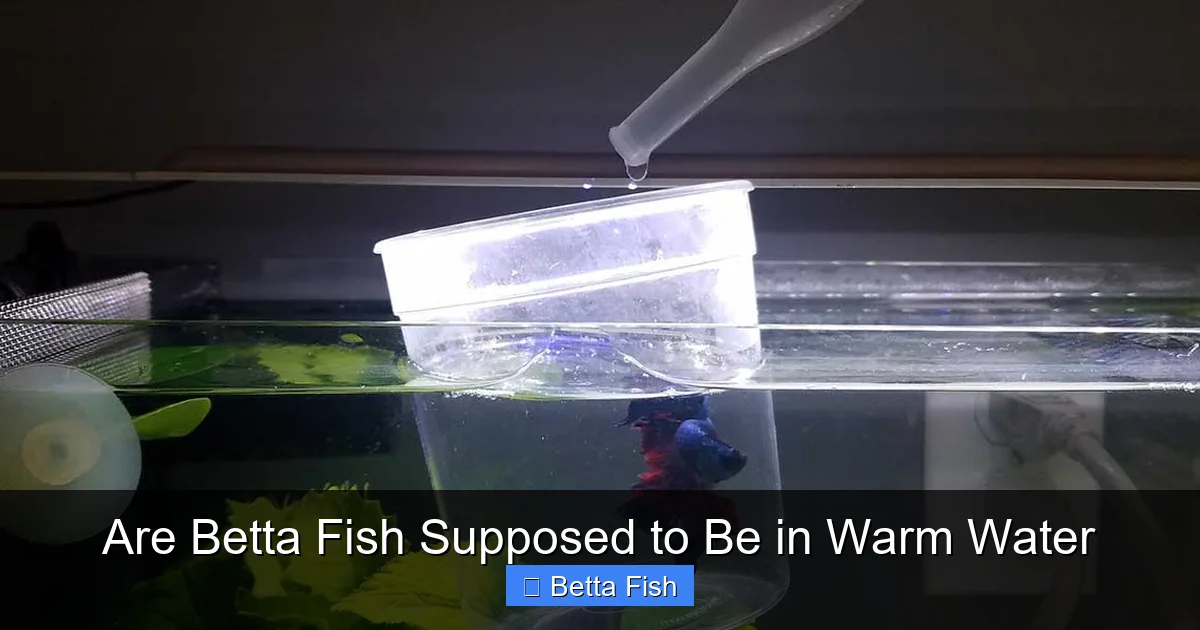
Visual guide about Are Betta Fish Supposed to Be in Warm Water
Image source: bettafish.org
Metabolism and immune function
Warmer water speeds up a betta’s metabolism, which means better digestion, stronger immune responses, and brighter coloration. When the temperature drops, metabolism slows, making the fish sluggish and more vulnerable to disease. Studies show that bettas kept below 72°F (22°C) experience increased cortisol (stress hormone) levels, leading to fin rot and fungal infections.
Temperature and behavior
In warm water, bettas are active swimmers, flaring their fins, exploring decorations, and displaying the gorgeous hues that hobbyists love. Cold water makes them hide, gasp for air, and lose their brilliant colors. So, the answer to our core question is a resounding yes: betta fish are supposed to be in warm water.
2. Determining the Perfect Temperature Range
Recommended range
Most experts agree on a safe and optimal range of 76°F‑82°F (24°C‑28°C). Anything within this window supports normal metabolic rates and keeps stress low. You can find detailed temperature guidelines in our article What Temperature Should Water Be For Betta Fish.
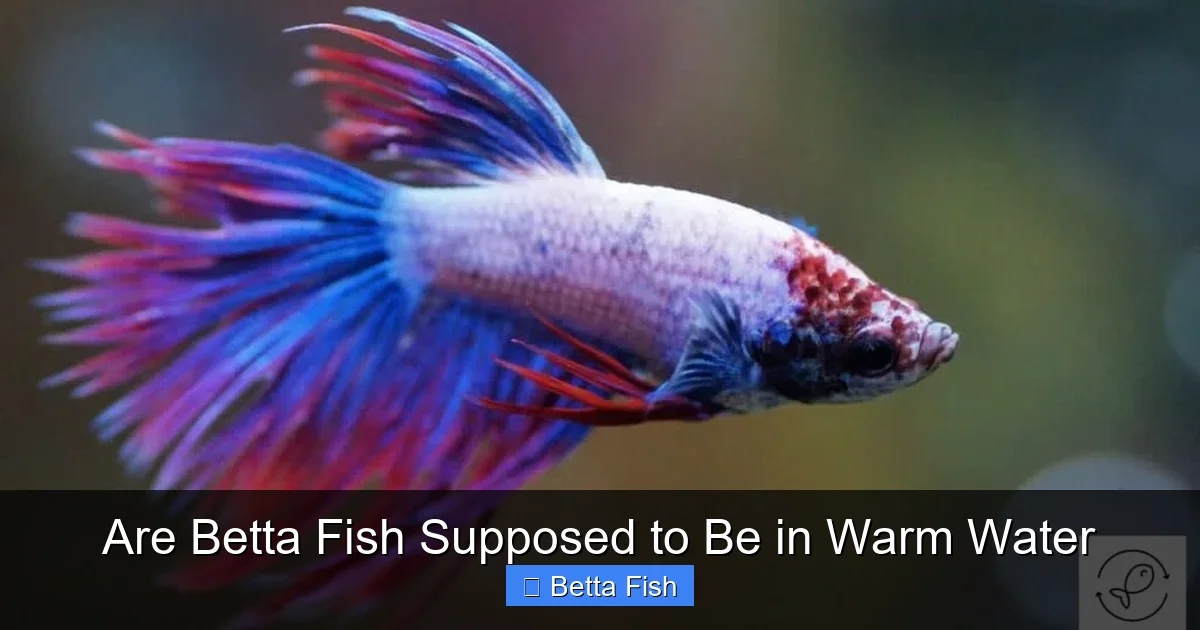
Visual guide about Are Betta Fish Supposed to Be in Warm Water
Image source: jaljeev.com
Why not go higher?
While bettas tolerate up to 86°F (30°C) for short periods, sustained high temperatures reduce dissolved oxygen, increase ammonia toxicity, and can shorten lifespan. Keep the heater’s thermostat accurate and avoid “set it and forget it” extremes.
Seasonal tweaks
In cooler months, room temperature may fall below the ideal range. Raise the heater a degree or two and check daily with a reliable aquarium thermometer. In summer, if your room gets warm, you might need to lower the heater slightly or use a fan to maintain stability.
3. Setting Up a Stable Warm Environment
Choosing the right tank
A 5‑gallon (19‑liter) tank is the sweet spot for temperature stability. Smaller containers, like classic betta bowls, lose heat quickly and make it hard to keep a constant temperature. If you’re limited to a bowl, a small submersible heater can help, but a proper tank is strongly recommended.
Heater selection and placement
- Pick a heater rated for the tank size (e.g., 25‑50 W for 5‑gallon tanks).
- Place it near a water flow source for even heat distribution.
- Use a digital thermometer to verify the reading at the opposite side of the tank.
Insulating the tank
Wrap the back and sides with a neoprene sleeve or place the tank on a foam pad. This reduces heat loss, especially in drafty rooms.
Testing and monitoring
Check temperature twice daily for the first week, then once a day. Log the readings; patterns will reveal any hidden issues like heater cycling or power fluctuations.
4. Warm Water and Water Quality: A Balancing Act
Why warm water speeds up the nitrogen cycle
Beneficial bacteria that convert ammonia to nitrite and then nitrate work faster in warm water. That’s great for quicker cycling, but it also means waste can accumulate rapidly if you neglect regular maintenance.
Regular water changes
Even in a perfectly heated tank, partial water changes (20‑30% weekly) keep nitrate levels low and refresh trace minerals. Our step‑by‑step guide How To Change Water In Betta Fish Tank walks you through the safest method.
Dechlorination and conditioning
Tap water contains chlorine and chloramine that are toxic to bettas. Use a water conditioner that removes both, and let the water sit for 24 hours if you prefer a natural approach.
Monitoring parameters
Test kits for ammonia, nitrite, nitrate, and pH should be used weekly. Warm water can cause pH to drift upward; aim for a stable pH between 6.5‑7.5.
5. Recognizing Temperature‑Related Stress
Physical signs
- Lethargy: The fish hangs near the surface or bottom, barely moving.
- Faded colors: Bright blues, reds, and greens become dull.
- Rapid breathing: Gasping at the surface indicates low oxygen, often caused by water that’s too warm.
Behavioral clues
Betta may become aggressive toward tank mates (if you keep any) or start flaring constantly. Conversely, they might hide completely if the water is too cold.
When to act
If you notice any of these signs, test the temperature immediately. Adjust the heater by 1‑2°F and observe for 24 hours. If symptoms persist, consider a full water change and check for ammonia spikes.
6. Common FAQs About Betta Temperature
Can bettas survive in room‑temperature water?
They can survive short periods, but long‑term health suffers. Room temperature (68°F‑72°F) is below the optimal range and can cause stress and disease.
Do male and female bettas need different temperatures?
No. Both sexes thrive in the same 76°F‑82°F range. Differences in behavior are due to hormones, not temperature.
Is a heater necessary for a 2‑gallon tank?
Yes. Small volumes lose heat quickly, making temperature fluctuations common. A small submersible heater with an adjustable thermostat is essential.
What if my heater fails?
Turn off the heater, move the tank to a warmer room, and perform a partial water change with water at the correct temperature. Replace the heater as soon as possible.
How often should I check the temperature?
Twice daily for the first month, then once daily. During seasonal changes, check twice a day.
Can I use a heat lamp instead of a heater?
Heat lamps can work for very small setups but often create uneven heating and can dry out the water surface. A submersible heater is more reliable.
Conclusion: Warm Water = Happy Betta
Answering the question are betta fish supposed to be in warm water? is simple: yes, they thrive in a stable, tropical temperature of 76°F‑82°F. By choosing the right tank, using a dependable heater, monitoring temperature daily, and maintaining high water quality, you give your betta the best chance to display its stunning colors and lively personality.
Remember, temperature is just one piece of the puzzle. Pair a warm environment with proper feeding, regular water changes, and a stress‑free habitat, and your betta will reward you with weeks of beautiful, active swimming. Happy fishkeeping!
Frequently Asked Questions
What temperature should I keep my betta tank at?
Keep the water between 76°F and 82°F (24°C‑28°C). This range mimics their natural tropical habitat and supports healthy metabolism.
How can I tell if the water is too cold for my betta?
Look for lethargy, faded colors, and slow gill movement. If you see these signs, test the temperature and raise it gradually.
Do bettas need a heater in a heated room?
Even in a warm room, water can drop below the ideal range, especially at night. A small, adjustable heater ensures consistent temperature.
Can I use a regular aquarium thermometer?
Yes, a digital stick‑on or floating thermometer works well. Place it away from the heater to get an accurate reading of the tank water.
Is it safe to let the temperature rise above 82°F?
Occasional spikes are okay, but sustained temperatures above 84°F reduce dissolved oxygen and can stress your betta.
What should I do if my heater stops working?
Turn off the heater, move the tank to a warmer area, and perform a partial water change with water at the correct temperature. Replace the heater promptly.

