Are Betta Fish Poisonous to Dogs
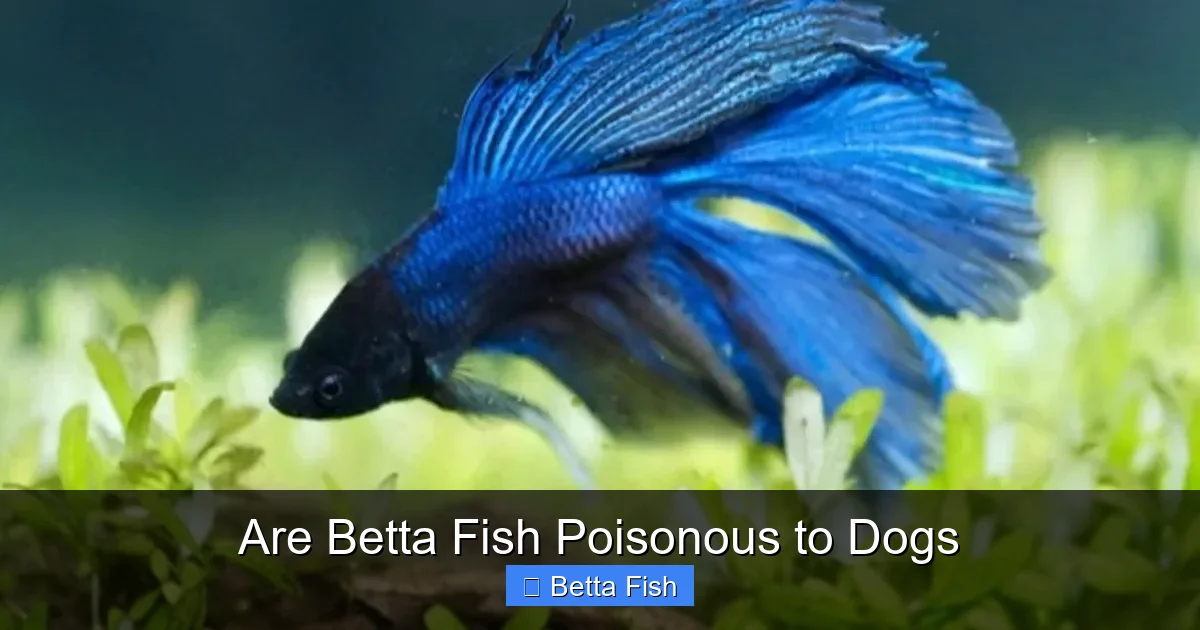
Betta fish are not poisonous to dogs, but accidental ingestion can cause stomach upset or choking. Keeping tanks secure and supervising playtime are the best ways to protect your pup.
Key Takeaways
- Betta fish aren’t venomous: They lack toxins that would harm a dog if swallowed.
- Physical hazards matter: Sharp fins and tank decorations can injure a curious canine.
- Choking risk: Small fish can block a dog’s airway if eaten whole.
- Preventive steps: Secure lids, supervise interactions, and train “leave it” commands.
- Symptoms to watch: Vomiting, drooling, or lethargy may signal a problem after ingestion.
- When to call the vet: Persistent symptoms or signs of choking require immediate veterinary care.
- Pet‑friendly tank setup: Choose smooth décor and keep water chemistry stable for both fish and dog safety.
📑 Table of Contents
- Introduction: A Curious Canine Meets a Colorful Betta
- Understanding Betta Fish Biology
- How Dogs Interact With Aquariums
- Potential Risks of a Dog Eating a Betta
- Signs Your Dog May Have Ingested a Betta
- Preventive Measures: Keeping Both Pets Safe
- What To Do If An Incident Occurs
- Conclusion: Peace of Mind for a Happy Home
Introduction: A Curious Canine Meets a Colorful Betta
If you’ve ever watched a dog stare at a glittering betta fish swimming in a tiny bowl, you know the fascination is real. Dogs love to investigate, sniff, and sometimes even try to “help” the fish by pawing at the glass. As a pet parent, you might wonder: are betta fish poisonous to dogs? The short answer is no—betta fish do not contain venom or toxins that can poison a dog. However, the situation isn’t that simple.
Accidental ingestion, choking, and injuries from sharp fins or tank decorations can still pose serious health risks. This article breaks down everything you need to know, from the biology of bettas to practical steps you can take to keep both your fish and your furry friend safe.
Understanding Betta Fish Biology
What Makes a Betta Unique?
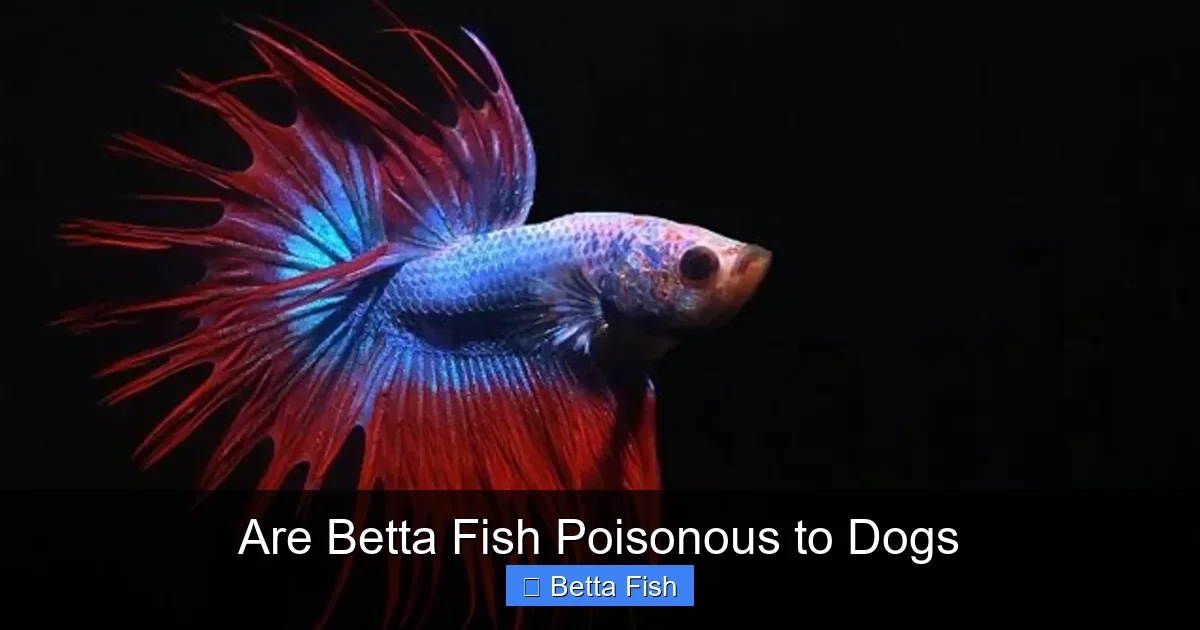
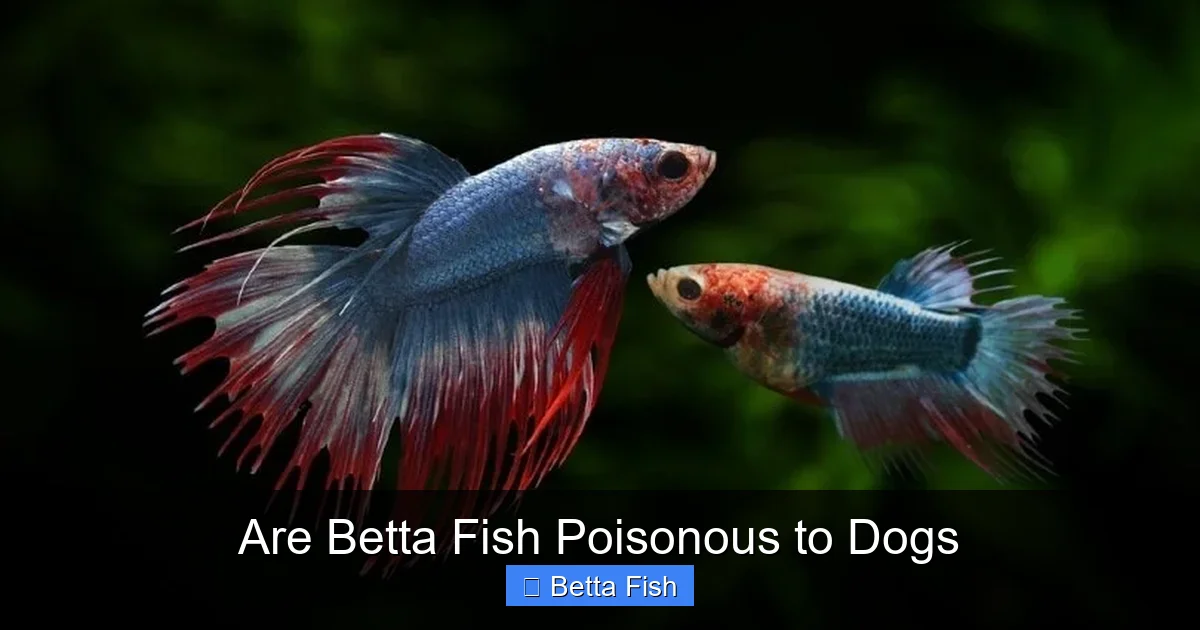
Betta fish, also known as Siamese fighting fish, are native to the shallow waters of Thailand and surrounding regions. Their bright colors, flowing fins, and aggressive nature make them popular aquarium pets. Unlike many wild fish, bettas have a specialized organ called the labyrinth organ that lets them breathe air directly from the surface.
Visual guide about Are Betta Fish Poisonous to Dogs
Image source: cdn-fastly.petguide.com
Do Betta Fish Produce Toxins?
Some aquatic animals, like pufferfish, carry potent toxins. Betta fish, however, do not produce any venomous or poisonous substances. Their skin and mucus are harmless to mammals, including dogs. For more details on whether bettas are safe to eat, see our article on Are Betta Fish Poisonous To Eat.
How Dogs Interact With Aquariums
Natural Curiosity
Dogs are explorers by nature. The movement of a betta’s fins, the shimmering colors, and the gentle bubbling can be irresistible. A quick paw or a nosy sniff is often the first sign of interest.
Visual guide about Are Betta Fish Poisonous to Dogs
Image source: hepper.com
Common Behaviors That Lead to Problems
- Jumping on the tank: A dog may try to climb onto the stand, potentially tipping the aquarium.
- Pawing at the glass: Repeated tapping can stress the fish and damage decorations.
- Attempting to eat the fish: Small dogs might try to bite the fish through the glass or, if the lid is off, swallow the fish whole.
Understanding these behaviors helps you set up preventive measures before an accident occurs.
Potential Risks of a Dog Eating a Betta
Physical Injury
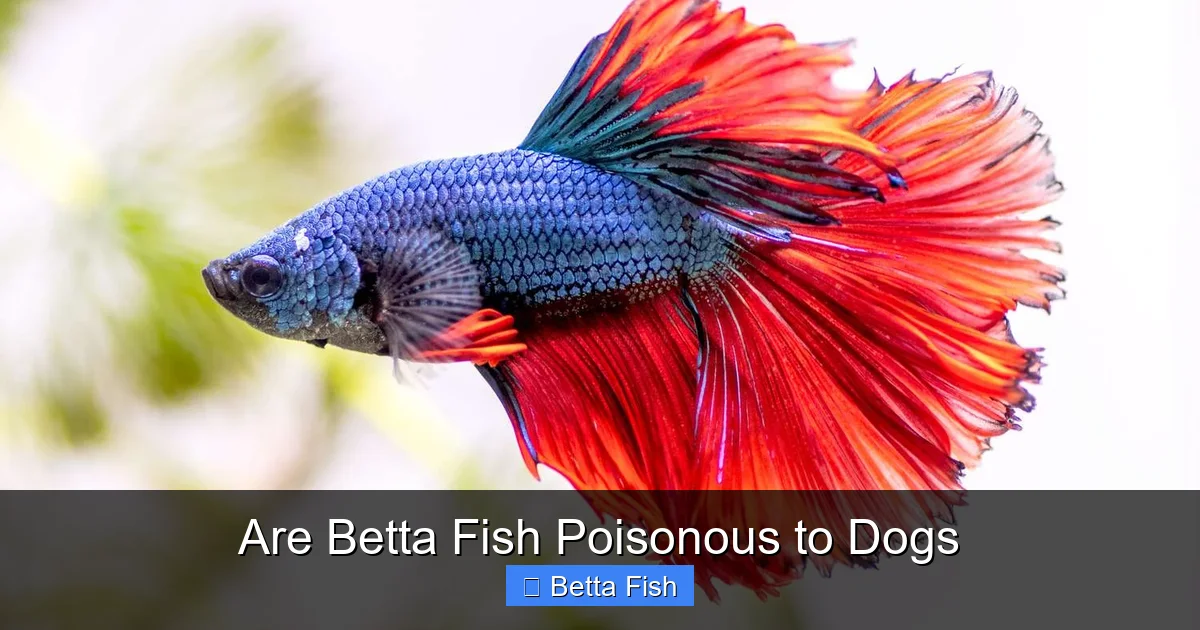
Betta fins are long and delicate, but they can still cause minor cuts inside a dog’s mouth. More concerning are tank ornaments—sharp rocks or plastic decorations—that could become lodged in a dog’s throat.
Visual guide about Are Betta Fish Poisonous to Dogs
Image source: thesprucepets.com
Choking Hazard
A betta fish is typically 2–3 inches long. For a small breed like a Chihuahua or a puppy, that size can be a choking risk. Even larger dogs can experience gagging if the fish gets stuck in the throat.
Gastrointestinal Upset
Ingesting a whole fish may lead to vomiting, diarrhea, or abdominal discomfort. While these symptoms are usually mild, they can become severe if the fish’s bones cause a blockage.
Signs Your Dog May Have Ingested a Betta
Immediate Symptoms
- Gagging or retching
- Excessive drooling
- Rapid breathing or coughing
- Attempting to paw at the mouth
Later Symptoms
- Vomiting (often with fish fragments)
- Lethargy or reduced activity
- Abdominal pain or swelling
- Changes in stool consistency
If you notice any of these signs, contact your veterinarian right away. Even if symptoms seem mild, it’s better to be safe.
Preventive Measures: Keeping Both Pets Safe
Secure the Tank
The simplest way to protect your dog is to make the tank inaccessible. Use a sturdy, lockable lid that fits snugly. If you have a stand, place it against a wall or use a barrier to prevent the dog from climbing.
Training “Leave It” and “Off” Commands
Teaching your dog basic obedience commands can dramatically reduce risky behavior. Practice “leave it” with treats and gradually introduce the aquarium as a “no‑go” zone.
Choose Dog‑Friendly Tank Décor
Opt for smooth stones, soft plants, and avoid sharp plastic ornaments. Live plants can also act as a natural barrier, making it harder for a dog to reach the water.
Supervise Interactions
Never leave a curious dog alone with an uncovered tank. Even a quick glance can turn into a paw‑swat that stresses the fish.
Alternative Entertainment
Provide your dog with other visual stimuli—like a TV with nature programs or a puzzle feeder—to divert attention away from the fish.
What To Do If An Incident Occurs
Stay Calm and Assess
First, check if your dog is choking. If the fish is stuck in the throat, you may need to perform a gentle Heimlich maneuver for dogs (consult a vet or reputable online guide).
Remove Visible Pieces
If the fish is partially out of the mouth, carefully remove any visible fragments with tweezers. Do not force anything that feels stuck.
Contact Your Veterinarian
Even if your dog seems fine, a vet can advise whether an X‑ray or observation period is needed. Mention the size of the fish, the breed of your dog, and any symptoms you observed.
Monitor at Home
Watch for delayed vomiting, loss of appetite, or changes in behavior over the next 24–48 hours. Keep fresh water available and avoid feeding your dog a large meal for a few hours.
Conclusion: Peace of Mind for a Happy Home
While betta fish are not poisonous to dogs, the risk of choking, injury, or digestive upset is real. By securing the tank, training your dog, and staying vigilant, you can enjoy the beauty of a betta while keeping your canine companion safe. Remember, prevention is always easier than treatment, and a little extra effort now will save you worry later.
Frequently Asked Questions
Are betta fish venomous?
No. Betta fish do not produce venom or toxins that could poison a dog or any other mammal.
Can a dog choke on a betta fish?
Yes. A whole betta can become a choking hazard, especially for small dogs or puppies.
What should I do if my dog eats a betta fish?
Check for choking, remove any visible pieces, and contact your veterinarian promptly for advice.
Do betta fish need a lid on their tank?
Yes. A secure lid prevents dogs from jumping in, tipping the tank, or accessing the fish.
How can I train my dog to stay away from the aquarium?
Use “leave it” and “off” commands, reinforce with treats, and always supervise interactions.
Are there any safe decorations for a dog‑friendly betta tank?
Choose smooth stones, soft live plants, and avoid sharp plastic ornaments that could injure a dog if it reaches in.