Betta fish are indeed part of the gourami family, sharing many traits with their relatives. Understanding this link helps you provide the right environment, diet, and social setup for a healthy, thriving betta.
Key Takeaways
- Taxonomic placement: Betta fish belong to the family Osphronemidae, the same family as true gouramis.
- Subfamily distinction: Within Osphronemidae, bettas are in the subfamily Betta‑inae, while most common gouramis sit in the subfamily Macropodusinae.
- Behavior overlap: Both groups are labyrinth fish, breathing air from the surface, and prefer warm, low‑flow habitats.
- Care implications: Knowing bettas are gouramis guides tank size, water parameters, and compatible tank mates.
- Evolutionary history: Betta species evolved in Southeast Asian rice paddies and slow‑moving streams, similar to many gouramis.
- Common misconceptions: Not all “gouramis” are the same; bettas have unique aggression and breeding traits.
- Practical tip: Treat your betta like a small gourami—provide hiding places, plants, and a gentle water flow.
📑 Table of Contents
- Introduction: Why the Question Matters
- 1. The Taxonomic Tree: Placing Betta in the Fish World
- 2. Shared Traits: What Makes Betta a Gourami?
- 3. Key Differences: Betta vs. Other Gouramis
- 4. Practical Care Tips Informed By Their Gourami Roots
- 5. Evolutionary Insights: How Betta Became a Unique Gourami
- Conclusion: Embracing the Gourami Identity
Introduction: Why the Question Matters
If you’ve ever set up a tiny bowl for a flashy betta, you might have wondered, are betta fish members of the gouramis? The answer isn’t just a trivia fact—it shapes how you care for these beautiful fish. Knowing their true family ties tells you what water temperature they love, how much space they need, and which tank mates they can tolerate.
In this friendly, step‑by‑step guide we’ll dive into the science, compare bettas to their gourami cousins, and give you practical tips you can use today. By the end, you’ll see bettas not as oddball solo performers but as part of a larger, fascinating gourami family.
1. The Taxonomic Tree: Placing Betta in the Fish World
Family Osphronemidae – The Gourami Clan
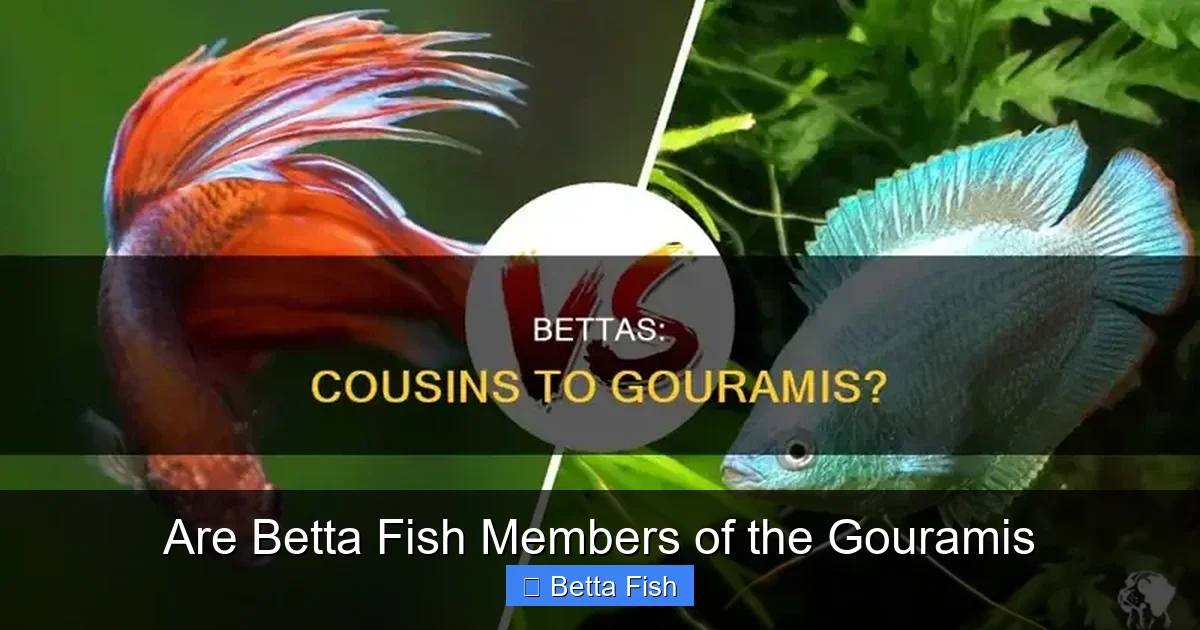
The scientific family that houses bettas is Osphronemidae, commonly called the gourami family. This group includes popular aquarium species like the dwarf gourami, pearl gourami, and the giant gourami. All members share a special organ called the labyrinth, which lets them gulp air from the surface.
Visual guide about Are Betta Fish Members of the Gouramis
Image source: petshun.com
Subfamilies: Betta‑inae vs. Macropodusinae
Within Osphronemidae, there are several subfamilies. Betta fish sit in the subfamily Betta‑inae. True gouramis you often see in pet stores belong to the subfamily Macropodusinae. Though they share a family, the subfamilies have distinct evolutionary paths, which explains differences in temperament and breeding behavior.
Species Count and Diversity
There are over 70 recognized Betta species, ranging from the well‑known Betta splendens (the Siamese fighting fish) to the lesser‑known Betta mahachaiensis. Gouramis, by contrast, cover dozens of genera such as Trichogaster, Colisa, and Trichopsis. Both groups thrive in shallow, vegetation‑rich waters of Southeast Asia.
2. Shared Traits: What Makes Betta a Gourami?
Labyrinth Organ – Breathing the Air
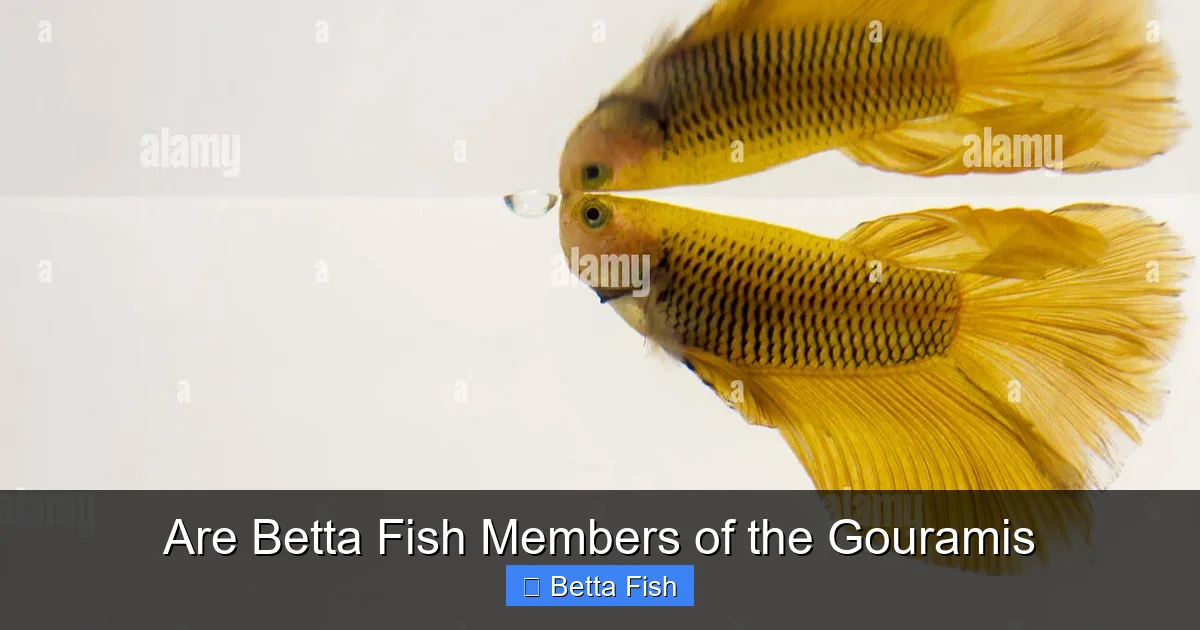
The hallmark of all gouramis, including bettas, is the labyrinth organ. This structure allows them to survive in oxygen‑poor waters by taking a gulp of air at the surface. If you ever notice your betta floating near the top, it’s simply using this organ—just like a dwarf gourami would.
Visual guide about Are Betta Fish Members of the Gouramis
Image source: c8.alamy.com
Habitat Preferences
Both bettas and other gouramis love warm water (76‑82°F / 24‑28°C), soft to moderately hard water, and plenty of plant cover. In the wild they inhabit rice paddies, slow‑moving streams, and forest pools. Replicating these conditions in an aquarium creates a stress‑free environment for any gourami, betta included.
Dietary Similarities
In nature, they feed on insects, larvae, and tiny crustaceans. In captivity, a high‑quality betta pellet supplemented with frozen or live foods mirrors the diet of most gouramis. This overlap reinforces why many betta‑care guides also recommend feeding Trichogaster‑type foods.
3. Key Differences: Betta vs. Other Gouramis
Aggression and Territoriality
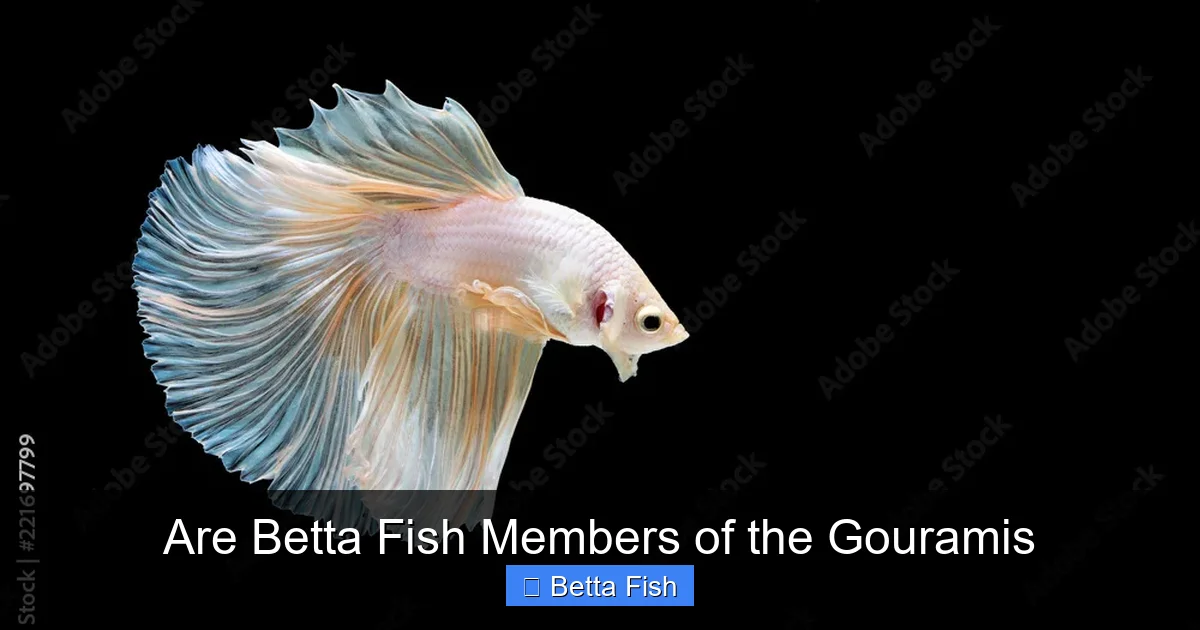
While many gouramis are relatively peaceful, male bettas are famously aggressive toward other males. This trait stems from their breeding strategy—males defend bubble nests and will fight to protect them. If you keep a male betta with another male gourami, you risk serious injuries.
Visual guide about Are Betta Fish Members of the Gouramis
Image source: as2.ftcdn.net
Breeding Behaviors
Betta males build bubble nests on the water’s surface, a behavior shared only with a few gouramis like the croaking gourami. Most other gouramis are mouth‑brooders or substrate spawners. Understanding this helps you set up a proper breeding tank for a betta.
Physical Appearance
Betta fish display an extraordinary range of colors and fin types, far more dramatic than most gouramis. This is why they are often marketed as “show” fish, while gouramis are praised for their modest, graceful looks.
4. Practical Care Tips Informed By Their Gourami Roots
Tank Size and Layout
Even though bettas are often sold in tiny bowls, their gourami relatives thrive in at least a 5‑gallon (19‑liter) tank. Provide a gentle filter, a heater, and plenty of plants or silk decorations to mimic their natural habitat.
Water Parameters
Maintain a temperature of 78°F (25.5°C), pH between 6.5‑7.5, and soft water (50‑150 ppm GH). These ranges suit both bettas and most other gouramis, ensuring optimal health.
Choosing Tank Mates
Because bettas are gouramis, they can share a community tank with peaceful species like neon tetras, Corydoras catfish, or dwarf gouramis—provided the tank is spacious and there are plenty of hiding spots. Never house two male bettas together; instead, consider a single male with a female gourami if the tank is large enough.
Feeding Strategies
Offer a staple of high‑quality betta pellets once or twice daily, supplemented with occasional bloodworms or brine shrimp. This mirrors the diet of other gouramis and keeps your betta’s colors vibrant.
Health Monitoring
Watch for signs of stress such as excessive floating, faded colors, or fin rot. If you notice unusual behavior, refer to our guide on why betta fish are hard to take care of for troubleshooting steps.
5. Evolutionary Insights: How Betta Became a Unique Gourami
Geographic Isolation
Betta species evolved in isolated pockets of Thailand, Malaysia, and Indonesia. Over time, natural selection favored bright coloration and aggressive male behavior, traits that helped them compete for limited breeding sites.
Adaptation to Low‑Oxygen Waters
The labyrinth organ gave bettas an edge in stagnant rice paddies where oxygen levels dip dramatically. This adaptation is a shared hallmark with other gouramis, reinforcing their common family roots.
Human Influence
Selective breeding by humans over the past century intensified the betta’s colors and fin shapes far beyond what wild gouramis display. While this makes them spectacular pets, it also means they can carry genetic health issues not seen in their wild cousins.
Conclusion: Embracing the Gourami Identity
So, are betta fish members of the gouramis? Yes—betta fish are genuine members of the gourami family, Osphronemidae, though they belong to a distinct subfamily that gives them their famous temperament and striking appearance. Recognizing this connection helps you craft a tank that respects their natural needs, improves their health, and lets their vivid personalities shine.
Next time you set up a home for a betta, think of it as a miniature gourami habitat: warm water, soft flow, lush plants, and a respectful community of peaceful tank mates. With that mindset, you’ll enjoy a thriving, colorful fish that truly belongs to the gourami clan.
Frequently Asked Questions
Are betta fish scientifically classified as gouramis?
Yes. Betta fish belong to the family Osphronemidae, which is commonly known as the gourami family. They sit in the subfamily Betta‑inae, while many other aquarium gouramis are in the subfamily Macropodusinae.
Do bettas share the same water requirements as other gouramis?
Absolutely. Both groups prefer warm (76‑82°F), soft to moderately hard water with a pH around 6.5‑7.5. Maintaining these parameters supports the health of any gourami, including bettas.
Can I keep a male betta with other gourami species?
In a spacious, well‑planted tank, a male betta can coexist with peaceful, non‑aggressive gouramis like dwarf gouramis, as long as there are plenty of hiding spots and the tank is at least 10 gallons.
Why do bettas build bubble nests while most gouramis do not?
Bubble nesting is a breeding strategy unique to many Betta species. The male creates a floating nest of bubbles to protect eggs and fry, a behavior not common among most other gouramis, which often mouth‑brood or scatter spawn.
Are the care tips for bettas the same as those for other gouramis?
Many basics overlap—temperature, water quality, and a labyrinth‑friendly environment. However, bettas need extra attention to aggression and tank mates, whereas many gouramis are more community‑friendly.
Where can I learn more about the natural habitats of bettas?
For a deeper look at their wild origins, check out our article on where are betta fish in the wild. It explains the rice paddies and slow streams that shaped their evolution.

