Betta fish can be content when their environment meets their natural needs. Look for active swimming, bright colors, and relaxed fins as key happiness clues. Simple upgrades—proper tank size, clean water, and enrichment—turn a stressed betta into a thriving companion.
Key Takeaways
- Water quality matters: Clean, warm, and stable water is the foundation of a happy betta.
- Space to explore: A 5‑gallon (or larger) tank with plants or decorations reduces stress.
- Behavioral signs: Active swimming, flared fins for display, and bright coloration indicate well‑being.
- Enrichment is essential: Live plants, caves, and gentle toys keep bettas mentally stimulated.
- Routine checks: Regular water tests and observation catch problems before they affect happiness.
- Social needs differ: Males are territorial, females can coexist, but both need visual barriers.
- Learn the basics: Understanding betta biology helps you answer “are betta fish happy?” with confidence.
📑 Table of Contents
- Introduction: Why the Question “Are Betta Fish Happy?” Matters
- 1. Understanding Betta Biology and Natural Behavior
- 2. Signs of a Happy Betta
- 3. Creating a Happier Environment
- 4. Feeding for Joy and Health
- 5. Common Misconceptions That Affect Happiness
- 6. Monitoring and Responding to Mood Changes
- Conclusion: Answering “Are Betta Fish Happy?”
Introduction: Why the Question “Are Betta Fish Happy?” Matters
Betta fish, also called Siamese fighting fish, are among the most popular pets in the aquarium hobby. Their dazzling colors and flamboyant fins make them eye‑catching, but many owners wonder if those flashes of brilliance mean their fish are truly happy. The short answer is yes—betta fish can be happy—but only if we meet their specific needs.
In this guide we’ll explore what happiness looks like in a betta, the science behind their behavior, and practical steps you can take today. By the end you’ll be able to answer the question “are betta fish happy?” with confidence and give your finned friend a life they love.
1. Understanding Betta Biology and Natural Behavior
1.1 Origin and Wild Habitat
Betta fish are native to the shallow, slow‑moving waters of Thailand, Malaysia, and Cambodia. In the wild they navigate rice paddies, ditches, and dense vegetation where water temperature stays warm (78‑82°F) and oxygen levels can be low.
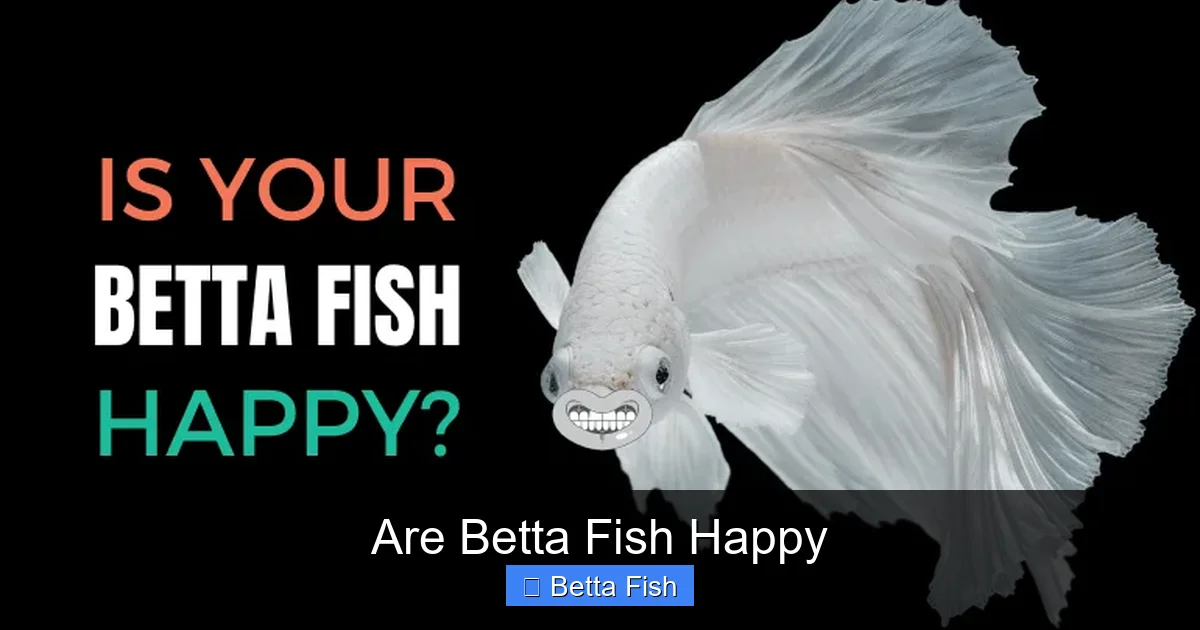
Visual guide about Are Betta Fish Happy
Image source: japanesefightingfish.org
These conditions shaped several key traits: a labyrinth organ for breathing air, a strong territorial instinct, and a love for hiding among plants. Knowing this background helps you recreate a comfortable home.
1.2 The Role of the Labyrinth Organ
The labyrinth organ lets bettas gulp air from the surface, so they can survive in water with less dissolved oxygen. While this adaptation is impressive, it does not mean they prefer “bubbly” tanks. Clean water and proper temperature remain essential for a happy betta.
1.3 Social Structure: Aggression and Compatibility
Male bettas are famously aggressive toward other males, a trait that inspired their common name “fighting fish.” Females can be less combative, but they may still display aggression when space is limited. Understanding these dynamics answers another frequent query: why are male betta fish so aggressive and how to manage it.
2. Signs of a Happy Betta
2.1 Physical Indicators
- Vibrant coloration: Bright, even hues suggest good health and low stress.
- Full, uncurled fins: Fins that spread wide and move fluidly show confidence.
- Clear eyes: Eyes should be bright, not sunken or cloudy.
2.2 Behavioral Indicators
- Active swimming: A happy betta explores the tank, swims to the surface, and darts between decorations.
- Gentle “flaring”: When you approach, a confident betta may briefly flare its gills and fins—this is a display, not a sign of distress.
- Feeding enthusiasm: Prompt eating and occasional “food begging” (swimming up as you drop flakes) are good signs.
2.3 The “Happy” Checklist
Use this quick checklist to gauge your fish’s mood:
Visual guide about Are Betta Fish Happy
Image source: tankarium.com
- Bright colors?
- Fins spread without tearing?
- Active, not hiding all day?
- Regular, eager feeding?
- Clear, alert eyes?
If you answer “yes” to most, you’re on the right track.
3. Creating a Happier Environment
3.1 Tank Size and Shape
Despite the myth of “tiny bowls,” bettas thrive in at least a 5‑gallon (19‑liter) tank. Larger volumes provide more stable water parameters and space to swim, reducing territorial stress. If you keep multiple females, aim for 10 gallons or more.

Visual guide about Are Betta Fish Happy
Image source: i.pinimg.com
3.2 Water Quality Essentials
- Temperature: Keep water between 78‑82°F (25‑28°C) using a reliable heater.
- Filtration: A gentle filter prevents ammonia spikes without creating strong currents.
- pH: Aim for 6.5‑7.5; bettas tolerate slight variations but sudden changes cause stress.
- Water changes: Replace 25‑30% of water weekly, testing for nitrite, nitrate, and ammonia.
3.3 Enrichment: Plants, Hides, and Toys
Live plants like Java fern or Anubias mimic the betta’s natural cover, offering places to rest. Silk or smooth acrylic decorations are safe; avoid sharp plastic that can tear delicate fins.
For interactive enrichment, try a floating leaf or a small “betta hammock” made from a piece of smooth driftwood. These items encourage natural exploration and prevent boredom.
3.4 Lighting and Day‑Night Cycle
Betta fish are crepuscular—most active at dawn and dusk. Provide 8‑10 hours of gentle light daily and a dark period at night. Consistent cycles help regulate their internal clock and reduce stress.
4. Feeding for Joy and Health
4.1 Balanced Diet
High‑quality betta pellets should form the staple of the diet. Supplement with occasional treats like frozen or live brine shrimp, daphnia, or bloodworms. Overfeeding leads to poor water quality, so feed only what they can consume in 2‑3 minutes, twice daily.
4.2 Feeding Rituals
Betas enjoy interaction. Use a feeding stick or gently tap the water surface to signal mealtime. This routine builds trust and can be a happiness indicator—watch for excited swimming toward the food.
5. Common Misconceptions That Affect Happiness
5.1 “Bubbles = Better Oxygen”
Many owners add air stones, believing more bubbles equal happier fish. While aeration can help, bettas primarily breathe air at the surface. Too much surface agitation can stress them. A gentle filter flow is preferable.
Read more about this in why are there bubbles in my fish tank betta.
5.2 “Small Bowls Are Sufficient”
Small containers limit swimming space and make water parameters swing wildly. This leads to stress, faded colors, and a higher risk of disease. Upgrading to a proper tank is one of the fastest ways to boost happiness.
5.3 “Betta’s Aggression Means They’re Unhappy”
Occasional flaring is normal territorial behavior, especially in males. Constant aggression toward tank mates, however, signals overcrowding or inadequate hiding spots. Separate males and give females plenty of visual barriers.
6. Monitoring and Responding to Mood Changes
6.1 Daily Observation Routine
Spend a few minutes each day watching your betta. Note swimming patterns, color intensity, and fin condition. A quick mental “happiness score” helps catch problems early.
6.2 When Things Go Wrong
- Faded color: Check temperature, ammonia, and diet.
- Clamped fins: May indicate stress—evaluate tank mates, water flow, and hiding places.
- Loss of appetite: Test water quality; consider a mild dip in clean water to reduce parasites.
6.3 Professional Help
If you notice persistent issues, consult a veterinarian experienced with fish or a reputable aquarium store. Early intervention often restores happiness quickly.
Conclusion: Answering “Are Betta Fish Happy?”
Yes, betta fish can be genuinely happy when their environment mirrors their natural needs. By providing clean, warm water, adequate space, enrichment, and a balanced diet, you create a setting where bright colors and playful swimming become the norm. Observe daily, act on any signs of distress, and remember that a happy betta is a healthy betta. Your commitment to these simple steps will reward you with a vibrant, content companion that brings joy to any room.
Frequently Asked Questions
How can I tell if my betta fish is happy?
Look for bright colors, fully spread fins, active swimming, and eager feeding. A relaxed posture and occasional gentle flaring are also positive signs.
Do betta fish need a heater?
Yes. Betta fish are tropical and thrive at 78‑82°F (25‑28°C). A reliable heater maintains stable temperature and keeps them comfortable.
Can bettas live in a bowl?
While they can survive, bowls often lead to poor water quality and limited space, which reduces happiness. A 5‑gallon tank is the recommended minimum.
How often should I change the water?
Replace 25‑30% of the water weekly, and test for ammonia, nitrite, and nitrate each time to keep parameters stable.
Are female bettas aggressive?
Females can show aggression, especially in cramped spaces, but they are generally less territorial than males. Providing plenty of hiding spots reduces conflict.
What enrichment can I add to keep my betta entertained?
Live plants, smooth caves, floating leaves, and gentle toys like a soft ping‑pong ball create exploration opportunities that boost mental stimulation.

