Betta fish can be friendly with certain tank mates when their environment is set up correctly. Choosing the right species, providing plenty of space, and monitoring behavior are key to a harmonious community aquarium.
Key Takeaways
- Betta temperament varies: Not all bettas are aggressive; personality, sex, and age matter.
- Tank size matters: A minimum of 10‑20 gallons per betta helps reduce stress and aggression.
- Best companions are peaceful, fast‑swimming fish: Small tetras, rasboras, and shrimp often coexist well.
- Avoid fin‑nippers and long‑finned species: Guppies, swordtails, and similar bettas can trigger fights.
- Provide hiding spots: Plants, caves, and décor break line of sight and give shy fish refuge.
- Monitor water parameters: Stable temperature, pH, and low nitrate keep all fish healthy.
- Introduce slowly and observe: Gradual acclimation lets you spot aggression early.
📑 Table of Contents
- Introduction: The Betta’s Reputation
- Understanding Betta Behavior
- Setting Up a Betta‑Friendly Community Tank
- Choosing Compatible Tank Mates
- Introducing New Fish to a Betta Tank
- Special Cases: Betta with Betta, Females, and Other Scenarios
- Maintaining Harmony Over Time
- Conclusion: Can Betta Fish Be Friendly With Other Fish?
Introduction: The Betta’s Reputation
When most people think of betta fish, the first image that pops into their mind is a solitary warrior flaring its gorgeous fins at anyone who dares to come near. This reputation is not entirely wrong—betas (Betta splendens) are naturally territorial, especially males. However, the idea that they must live alone is a myth that many new hobbyists still believe.
In reality, a betta can share a community tank under the right conditions. The key is to understand why bettas act the way they do, choose compatible tank mates, and set up an environment that reduces stress. In this guide we’ll answer the big question—are betta fish friendly with other fish?—and give you practical steps to create a peaceful aquarium.
Understanding Betta Behavior
Territorial instincts
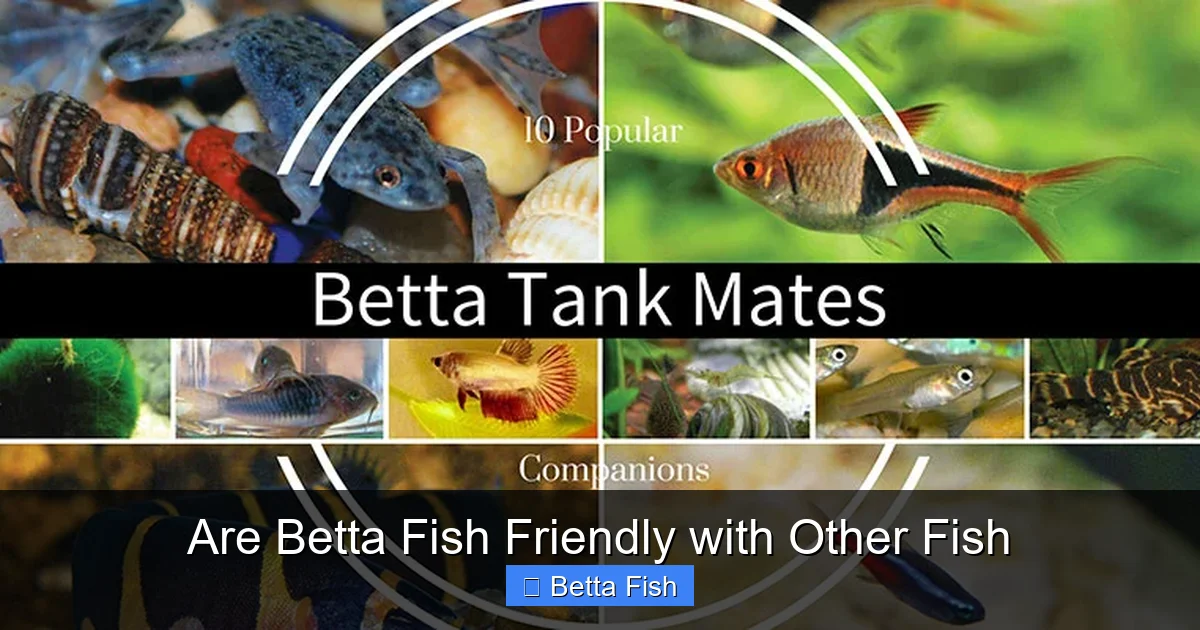
Betta fish come from shallow, slow‑moving waters in Thailand where they defend small territories that contain food and breeding sites. In a confined aquarium, that instinct can turn into aggression toward anything that looks like a rival.
Visual guide about Are Betta Fish Friendly with Other Fish
Image source: bettafish.org
Sex differences
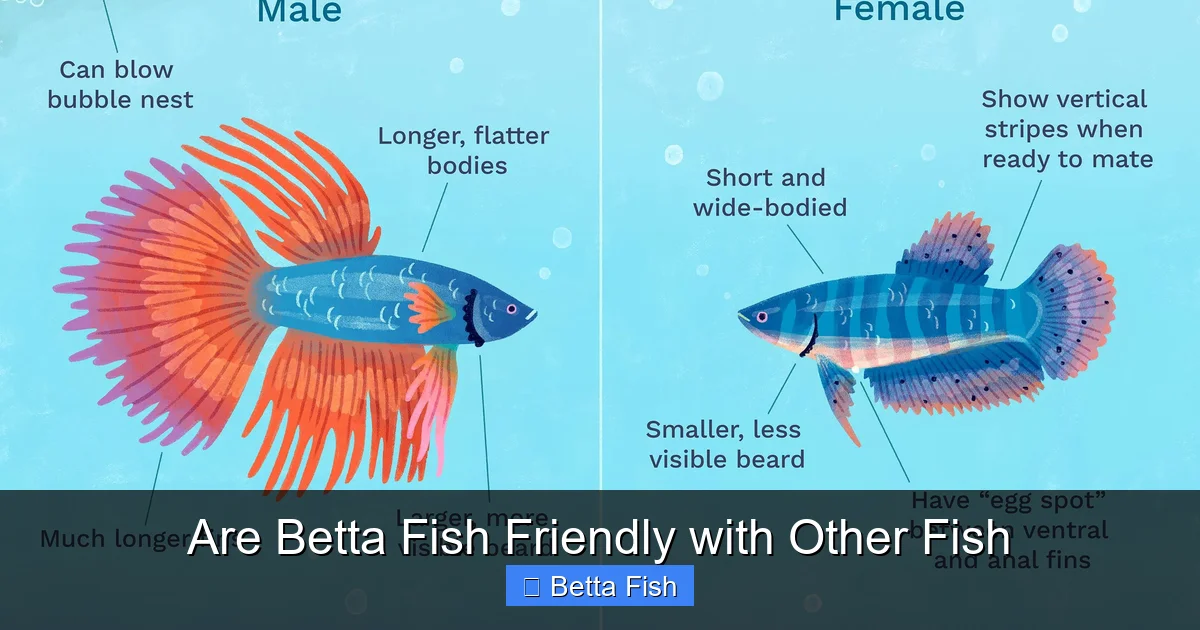
Male bettas are the ones most famous for flaring and fighting. Females are generally less aggressive, but they can still be protective of their space, especially when breeding.
Individual personality
Just like people, bettas have unique temperaments. Some are calm and will ignore other fish, while others will chase anything that swims nearby. Observing your betta’s behavior before adding tank mates is essential.
Setting Up a Betta‑Friendly Community Tank
Tank size and layout
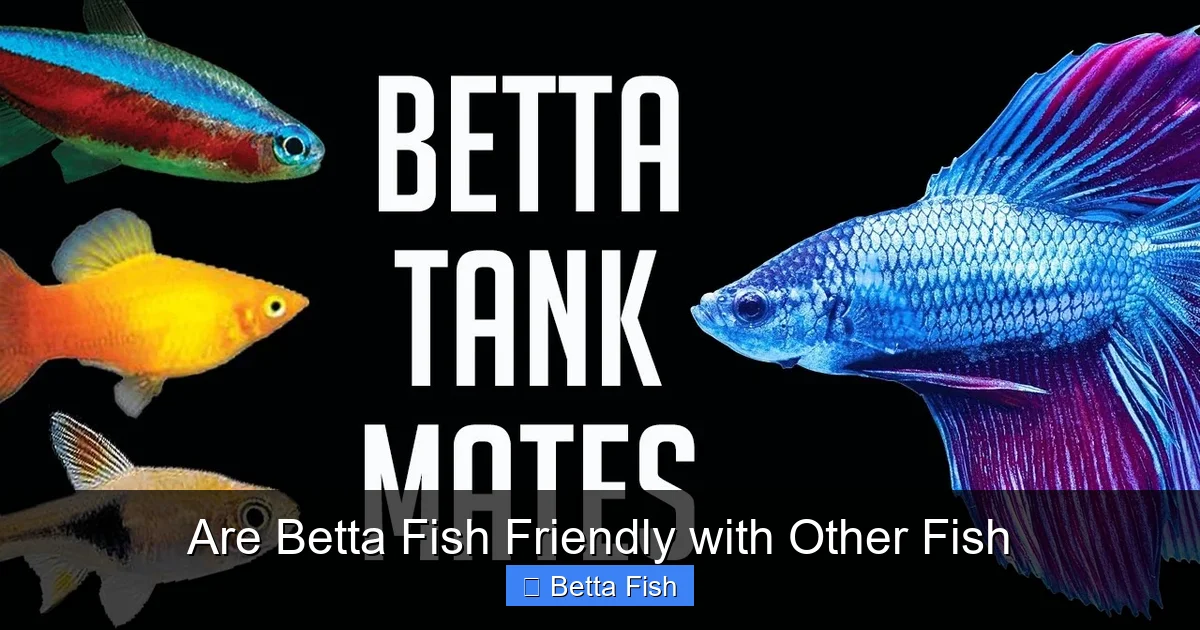
The most common mistake is trying to keep a betta in a tiny 2‑gallon bowl with other fish. A minimum of 10 gallons is recommended for a single male betta with a few peaceful companions. Larger tanks (20‑30 gallons) give each fish its own “zone,” which reduces territorial disputes.
Visual guide about Are Betta Fish Friendly with Other Fish
Image source: i.ytimg.com
Water parameters
- Temperature: 76‑82°F (24‑28°C) – bettas are tropical.
- pH: 6.5‑7.5 – slightly acidic to neutral.
- Hardness: 3‑4 dGH – soft to moderately hard.
- Filtration: Gentle flow; bettas dislike strong currents.
Stable water conditions keep stress hormones low, making fish less likely to act aggressively.
Hiding places and visual barriers
Plants (live or silk), driftwood, and caves break the line of sight. When a betta can’t see a potential rival at all times, it’s less likely to flare. Aim for at least 30% cover in the tank.
Choosing Compatible Tank Mates
Size and swimming style
Pick fish that are too fast for a betta to chase and small enough not to be seen as a threat. Good options include:
Visual guide about Are Betta Fish Friendly with Other Fish
Image source: thesprucepets.com
- Neon tetras
- Harlequin rasboras
- Corydoras catfish
- Endler’s livebearers
- Cherry shrimp
These species keep to the middle or lower levels of the tank, while bettas tend to occupy the upper third.
What to avoid
- Other long‑finned fish (guppies, swordtails, other bettas).
- Fin‑nippers (some barbs, loaches).
- Very slow swimmers (koi, goldfish) – they create a sluggish environment that can stress a betta.
Internal link example
For a deeper dive into specific species, see our article on what other fish can live with betta fish. It lists dozens of compatible options and explains why they work.
Introducing New Fish to a Betta Tank
Quarantine first
All new arrivals should spend at least two weeks in a separate quarantine tank. This prevents disease and gives you a chance to observe their temperament.
Gradual acclimation
Use the “drip method” to match water parameters slowly. Then place the new fish in a small container within the betta tank so they can see each other without direct contact. After 24‑48 hours, if the betta shows no signs of aggression (flaring, nipping), you can release the newcomer.
Watch for warning signs
- Rapid flaring or gill pounding.
- Chasing or nipping at fins.
- Loss of color or lethargy in either fish.
If any of these occur, be ready to move the betta or the new fish to a separate tank.
Special Cases: Betta with Betta, Females, and Other Scenarios
Male vs. male bettas
Two male bettas in the same tank is a recipe for disaster unless you have a massive, heavily planted paludarium with plenty of visual barriers. Even then, fights are common. For most hobbyists, it’s safer to keep only one male per tank.
Female groups
Females can sometimes be kept together in a “sorority” of 4‑6, provided the tank is at least 20 gallons and has many hiding spots. Aggression can still happen, so monitor closely.
Betta with shrimp or snails
Peaceful invertebrates like cherry shrimp or nerite snails are usually safe. However, a very hungry betta might view a shrimp as a snack, so keep an eye on feeding habits.
Maintaining Harmony Over Time
Regular water changes
30% weekly water changes keep nitrate low and water quality high, which reduces stress for all inhabitants.
Feeding strategies
Feed bettas high‑quality pellets or frozen foods once or twice daily. Provide the other fish with sinking pellets or micro‑worms to prevent competition at the surface.
Seasonal behavior
During breeding season (often triggered by temperature spikes), male bettas become extra territorial. If you notice heightened aggression, consider temporarily removing the other fish.
Conclusion: Can Betta Fish Be Friendly With Other Fish?
Yes—betta fish can live peacefully with other species when you respect their natural instincts and give them space. The secret lies in choosing the right companions, providing ample room, and creating a well‑planted, stable environment. By following the steps outlined above, you’ll enjoy a vibrant community tank where your betta’s brilliant colors shine alongside happy, healthy tank mates.
Frequently Asked Questions
Can a male betta live with other fish?
Yes, a male betta can coexist with peaceful, fast‑swimming fish in a sufficiently large tank (10‑20 gallons) that offers plenty of hiding spots.
Are bettas aggressive toward all other bettas?
Male bettas are typically aggressive toward other males. Females can sometimes share a tank, but close monitoring is essential.
What are the safest tank mates for a betta?
Small tetras, rasboras, Corydoras catfish, and shrimp are among the safest choices because they are fast, non‑aggressive, and occupy different tank levels.
How do I know if my betta is stressed?
Signs of stress include faded colors, constant gill flaring, rapid swimming, and loss of appetite. Adjust water parameters or tank setup if you notice these signs.
Do bettas need a heater?
Yes. Betta fish are tropical and thrive at 76‑82°F (24‑28°C). A reliable aquarium heater maintains a stable temperature.
Can I keep a betta with a goldfish?
No. Goldfish produce a lot of waste and require cooler water, which is unsuitable for bettas. They also create a sluggish environment that can stress a betta.

