Betta fish and tetras can share a tank, but success depends on tank size, temperament, and careful species selection. Providing plenty of hiding spots, monitoring behavior, and maintaining optimal water conditions are essential for a harmonious community.
Key Takeaways
- Tank size matters: A minimum of 20‑gallon is recommended for betta‑tetra combos.
- Choose peaceful tetras: Neon, ember, and panda tetras are the best candidates.
- Observe aggression early: Separate the fish at the first sign of fin‑nipping or flaring.
- Provide plenty of plants and décor: Hiding places reduce stress for both species.
- Maintain stable water parameters: Keep temperature around 78‑80°F and pH 6.5‑7.5.
- Male bettas are riskier: Females are generally more tolerant of tank mates.
- Regular monitoring is key: Weekly checks help catch problems before they become serious.
📑 Table of Contents
- Introduction: Why the Question Keeps Coming Up
- Understanding Betta Temperament
- Traits of Tetras That Matter
- Setting Up the Perfect Betta‑Tetra Tank
- Step‑by‑Step Introduction Process
- Common Problems and How to Fix Them
- Success Stories: Real‑World Examples
- Bottom Line: Are Betta Fish Compatible with Tetras?
- Conclusion
Introduction: Why the Question Keeps Coming Up
Betta fish are famous for their dazzling colors and bold personalities. Many hobbyists wonder if they can share a community tank with the small, schooling tetras that add a flash of neon to the water. The answer isn’t a simple “yes” or “no.” It depends on several factors that you can control, such as tank size, décor, and the specific species you choose.
In this guide we’ll walk through the science behind betta and tetra behavior, give you step‑by‑step set‑up tips, and share real‑world examples of successful (and failed) pairings. By the end, you’ll know exactly how to decide whether a betta‑tetra community is right for you.
Understanding Betta Temperament
What makes bettas unique?
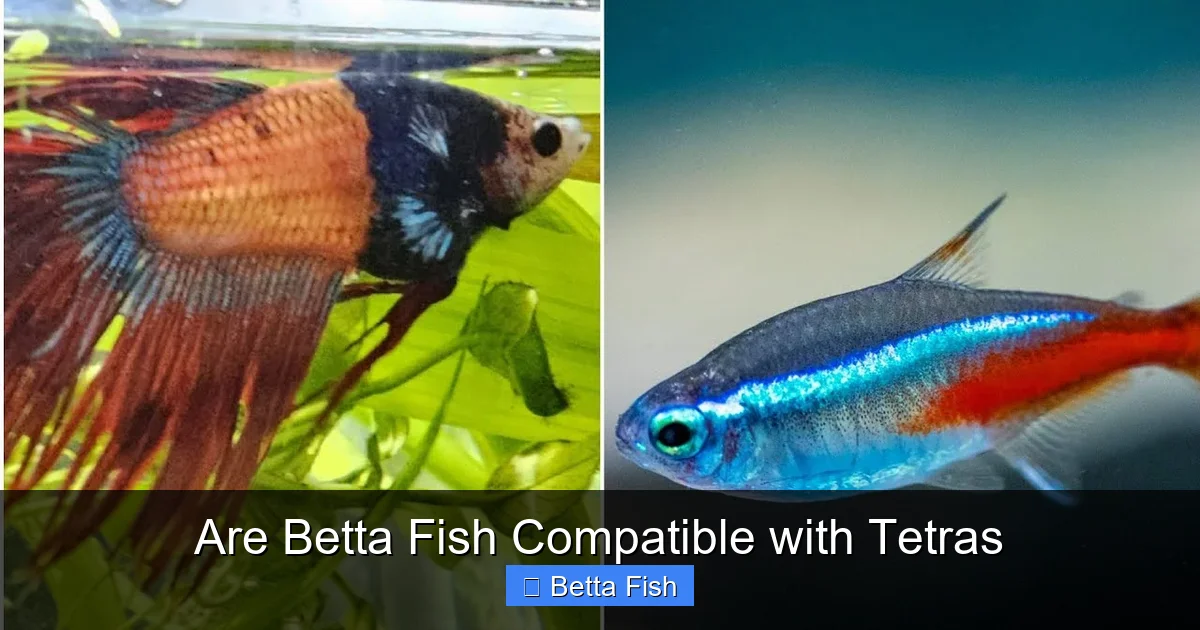
Betta fish, also called Siamese fighting fish, are naturally territorial. In the wild they defend small surface territories in shallow rice paddies. This instinct shows up in the aquarium as flaring, gill‑cover displays, and occasional fin‑nipping toward other fish that enter their perceived space.
Visual guide about Are Betta Fish Compatible with Tetras
Image source: i.ytimg.com
Male vs. female aggression
Male bettas are the classic “fighter.” They have larger fins and brighter colors, which makes them more likely to challenge any fish that looks like a rival. Female bettas are generally less aggressive, though they can still defend a favorite spot. If you’re set on keeping a betta with tetras, a female betta often gives you a better chance of success.
What other fish can bettas live with?
For a broader view, check out our article on what fish are compatible with betta fish. It outlines peaceful tank mates such as small rasboras, certain catfish, and even some shrimp.
Traits of Tetras That Matter
Size and swimming habits
Tetras are small, schooling fish that usually stay in the middle to upper levels of the tank. Most popular varieties—neon, ember, and panda—stay under 2 inches long. Their active swimming style can sometimes irritate a betta that prefers a slower pace.

Visual guide about Are Betta Fish Compatible with Tetras
Image source: petshun.com
Temperament and compatibility
Most tetras are peaceful, but they can be skittish. A betta that constantly flares may cause tetras to dart around, increasing stress for both parties. Choosing the calmest tetra strains helps keep the environment balanced.
Water parameter preferences
Tetras thrive in slightly acidic water (pH 6.0‑7.0) and temperatures around 75‑80°F. These overlap nicely with betta requirements, which makes a shared tank feasible if you keep the parameters in the middle of both ranges.
Setting Up the Perfect Betta‑Tetra Tank
Tank size and shape
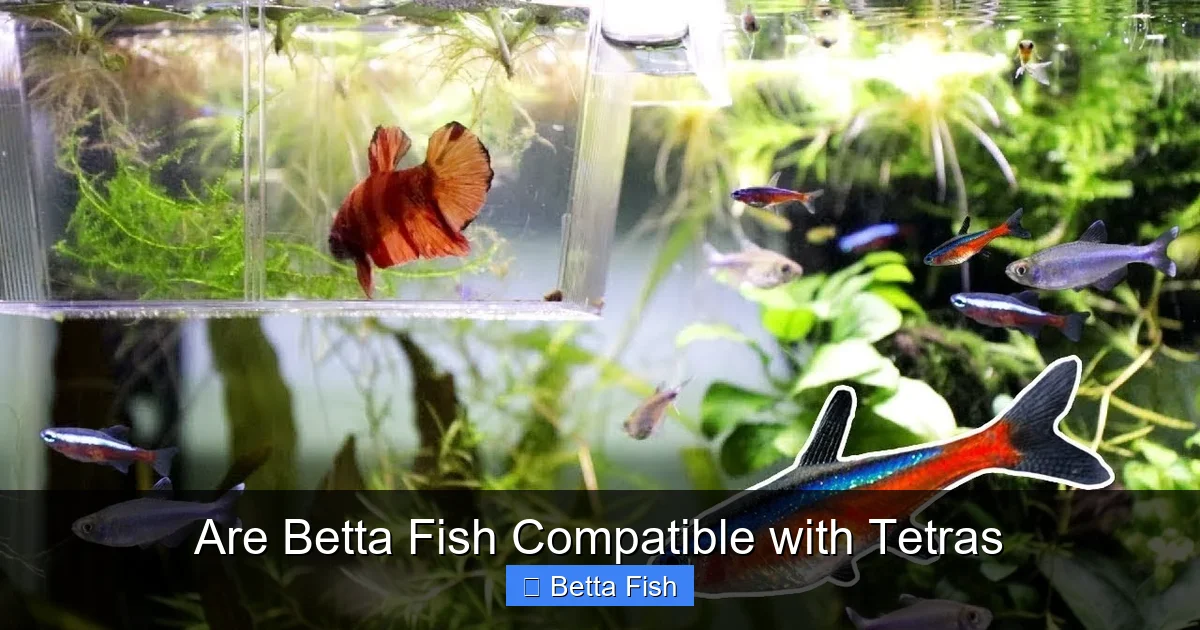
Space is the biggest factor. A 20‑gallon long tank provides enough horizontal swimming room for a school of 6‑8 tetras and a separate territory for the betta. Smaller tanks often lead to aggression because the fish can’t establish distinct zones.
Visual guide about Are Betta Fish Compatible with Tetras
Image source: i.ytimg.com
Filtration and flow
Betas prefer calm water with gentle surface agitation. Use a sponge filter or a hang‑on‑back unit with a spray bar set low to avoid strong currents that could stress the betta’s delicate fins.
Plants, caves, and décor
Live plants like Java fern, Anubias, and floating leaves create natural barriers. Add driftwood, smooth rocks, and ceramic caves to give tetras places to hide and a betta a spot to claim. The more visual breaks you provide, the less likely the betta will see the tetras as intruders.
Lighting and day‑night cycle
Provide 8‑10 hours of gentle light per day. Use a dimmer or a moonlight LED for evening hours. Consistent cycles reduce stress and help both species display natural behaviors.
Step‑by‑Step Introduction Process
1. Quarantine new fish
Before adding tetras to an established betta tank, quarantine them for at least two weeks. This prevents the spread of parasites and gives you a chance to observe any hidden aggression.
2. Acclimate slowly
Use the drip method to match water parameters. Let the tetras float in the betta’s tank for 30‑45 minutes before releasing them near a plant rather than in the open water.
3. Observe for 48‑72 hours
Watch for flaring, chasing, or fin‑nipping. If the betta shows mild curiosity without aggression, you’re likely safe. If you see any signs of stress, be ready to separate the fish quickly.
4. Adjust décor if needed
Sometimes moving a plant or adding a new hideout can defuse tension. Small changes often make a big difference in how the fish perceive each other’s territory.
Common Problems and How to Fix Them
Fin‑nipping and injuries
If a tetra loses a fin, increase the number of hiding spots and consider reducing the betta’s visual line of sight with taller plants. In severe cases, move the betta to a separate tank.
Stress‑induced disease
Stressed fish are prone to ich, velvet, and fungal infections. Keep water quality high—test weekly for ammonia, nitrite, and nitrate. Perform 25% water changes every week.
Water parameter drift
Because tetras prefer slightly softer water, you may need to use driftwood to naturally lower pH. Use a reliable heater to keep temperature stable around 78°F.
Success Stories: Real‑World Examples
Neon tetras with a female betta
Anna, a hobbyist from Texas, kept a female half‑moon betta with a school of six neon tetras in a 20‑gallon tank. She used a dense carpet of Java moss and three tall driftwood stems. After a month of observation, the fish coexisted peacefully, and the neon tetras displayed brighter colors thanks to the stable environment.
Ember tetras and a male betta—what went wrong
Mike tried a male betta with three ember tetras in a 10‑gallon tank. Within two days, the betta flared and chased the tetras, causing one to lose a fin. The tank was too small, and there were not enough hiding places. He learned to separate the species and later succeeded by moving the betta to a solo tank.
Bottom Line: Are Betta Fish Compatible with Tetras?
Yes, betta fish can be compatible with tetras, but only under the right conditions. A spacious, well‑planted tank, a calm tetra species, and a female or less aggressive male betta give you the best odds of success. Always monitor behavior closely and be prepared to adjust or separate the fish if aggression appears.
For a deeper dive into community‑tank planning, read our guide on what fish can live with a male betta. It offers additional species options and detailed compatibility charts.
Conclusion
Creating a harmonious betta‑tetra community is rewarding when you get it right. By respecting each fish’s natural instincts, providing plenty of space and décor, and staying vigilant during the introduction phase, you can enjoy the vibrant colors of a betta alongside the shimmering schools of tetras. Remember, every aquarium is unique—what works for one hobbyist may need tweaking for another. Keep learning, keep observing, and most importantly, keep your fish happy.
Frequently Asked Questions
Can I keep a male betta with tetras?
It’s possible, but riskier than using a female. Male bettas are more territorial and may flare at the active swimming of tetras. A larger tank and plenty of hiding spots are essential if you try this combo.
What tetra species are safest with bettas?
Neon, ember, and panda tetras are the most commonly recommended because of their small size and peaceful nature. Avoid larger or more aggressive tetras like black skirt tetras.
Do I need a heater for a betta‑tetra tank?
Yes. Both bettas and most tetras thrive at 78‑80°F. A reliable aquarium heater helps maintain a stable temperature, reducing stress and disease risk.
How many tetras can I keep with one betta?
In a 20‑gallon tank, a school of 6‑8 tetras works well. The group provides a sense of security for the tetras and helps disperse any attention the betta might give them.
What signs indicate incompatibility?
Watch for frequent flaring, chasing, fin‑nipping, or one fish hiding constantly. Early signs mean you should be ready to separate the fish to prevent injury.
Can I add plants after the fish are already together?
Yes, adding live or silk plants can instantly create new territories and reduce stress. Just be gentle when placing them to avoid harming the fish.

