Wondering if baitcasting rods are the secret weapon for landing massive fish? This guide breaks down the advantages, drawbacks, and real‑world tips so you can decide if a baitcaster belongs in your tackle box. Get clear answers and practical advice—no jargon, just plain talk.
Key Takeaways
- Power and control: Baitcasting rods deliver higher gear ratios and stronger drag, essential for fighting big fish.
- Learning curve: Mastering a baitcaster takes time; beginners may struggle with backlash.
- Rod action matters: Fast, medium‑fast actions are preferred for massive fish to set hooks quickly.
- Line and lure selection: Heavy lines, sturdy leaders, and large lures pair best with baitcasting setups.
- Versatility: While excellent for big game, baitcasters aren’t the only option—spinning combos still hold value.
- Maintenance: Regular cleaning and proper lubrication extend the life of a baitcasting reel.
- Cost vs. benefit: Higher upfront cost can pay off in catch rates when targeting trophy‑size species.
📑 Table of Contents
- Introduction: The Big‑Fish Debate
- 1. How Baitcasting Reels Work
- 2. Advantages of Baitcasting Rods for Massive Fish
- 3. Drawbacks and Challenges
- 4. Choosing the Right Baitcasting Rod for Big Game
- 5. Tips for Mastering the Baitcaster on Massive Fish
- 6. When to Choose a Different Reel
- Conclusion: Are Baitcasting Rods Better for Massive Fish?
Introduction: The Big‑Fish Debate
When you picture a battle with a monster‑sized bass, a pike, or a trophy‑size catfish, the first thing that comes to mind is the gear you’ll need to win. Many anglers instantly reach for a baitcasting rod, believing it’s the only reel capable of handling “massive fish.” But is that belief earned, or just a fishing myth?
In this article we’ll explore the real strengths and weaknesses of baitcasting setups, compare them to other popular options, and give you step‑by‑step tips for using a baitcaster effectively on giant catches. By the end, you’ll know whether a baitcasting rod should be your go‑to weapon or just one tool in a larger arsenal.
1. How Baitcasting Reels Work
Basic Mechanics
A baitcasting reel sits directly on the spool of the rod, using a revolving spool to release line. Unlike spinners, the line is tensioned by a centrifugal clutch that engages when you turn the handle. This design gives you direct control over line speed and placement.
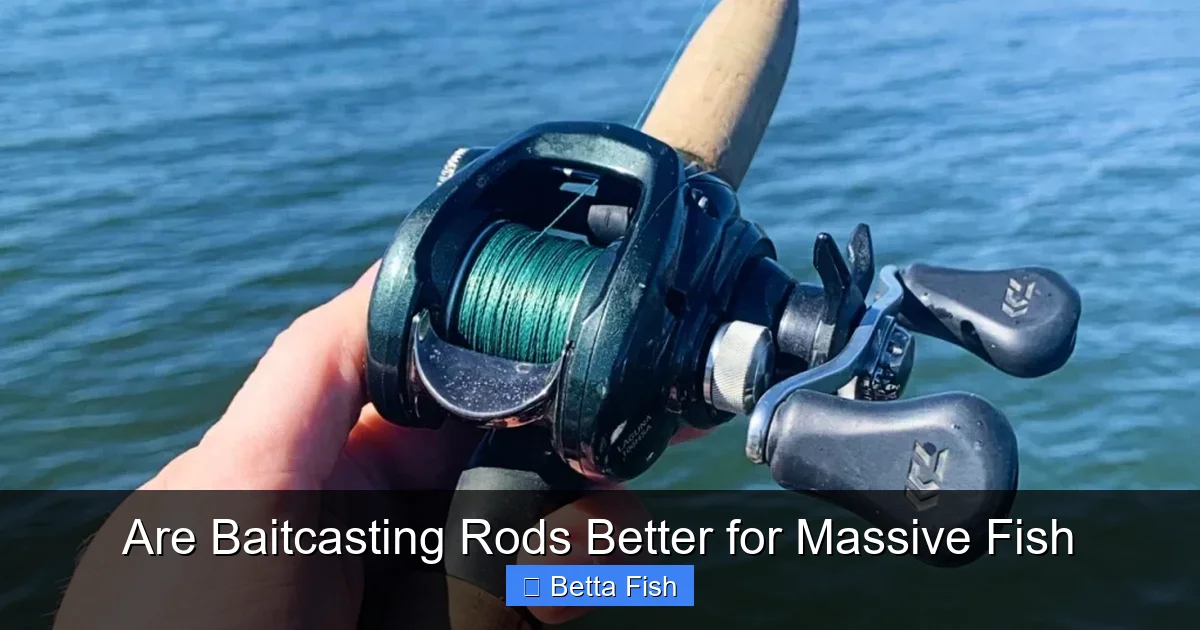
Visual guide about Are Baitcasting Rods Better for Massive Fish
Image source: juranadventures.com
Gear Ratios and Drag
Higher gear ratios (e.g., 7.5:1) mean the line retrieves faster, which is crucial when you need to pull a massive fish into the boat quickly. Heavy‑duty drag systems on baitcasters can hold 30 lb or more, giving the fish room to run without breaking the line.
Why Those Features Matter for Big Fish
- Immediate power: The reel’s torque translates to a strong pull on the line, helping to set hooks on hard‑mouth predators.
- Precise line placement: You can lay a lure exactly where the fish is holding, a big advantage when targeting wary giants.
2. Advantages of Baitcasting Rods for Massive Fish
Powerful Retrieval
When a 30‑lb catfish makes a sudden burst, a baitcaster’s high gear ratio lets you keep the line tight, reducing slack and preventing the fish from shaking the hook loose.
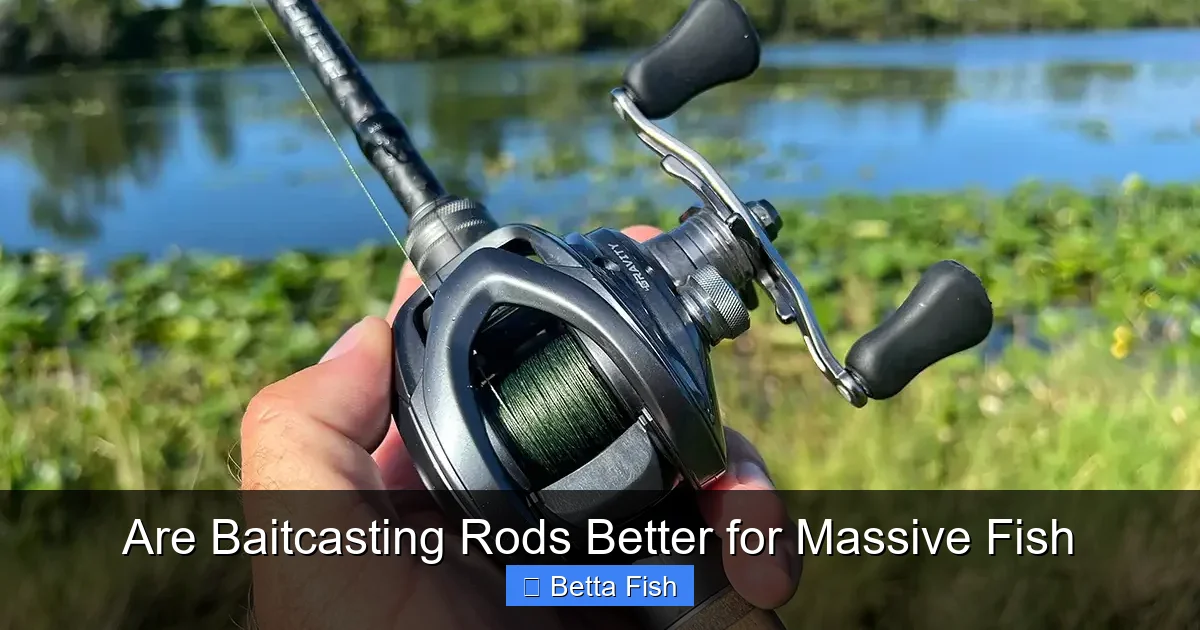
Visual guide about Are Baitcasting Rods Better for Massive Fish
Image source: assets.wired2fish.com
Better Hook‑Set Sensitivity
The direct connection between handle and spool provides immediate feedback. You feel the tug instantly, which helps you snap the hook at the right moment—a must when dealing with tough‑scaled species.
Heavy‑Duty Lure Compatibility
Large swimbaits, crankbaits, and spinnerbaits often require a sturdy reel to handle their weight. Baitcasting rods are built to manage these heavier lures without bending the rod blank.
Customizable Drag
Most modern baitcasters feature multi‑disc drag washers that you can adjust for smooth, consistent resistance. This fine‑tuning is essential when fighting a fish that can surge from 5 lb to 30 lb in seconds.
Real‑World Example
John, a seasoned largemouth bass angler, switched from a spinning combo to a 9‑foot medium‑fast baitcaster for a tournament on a reservoir known for 8‑12 lb “monster” bass. Within the first day, his catch rate for fish over 10 lb doubled, thanks to a stronger hook set and faster line retrieval.
3. Drawbacks and Challenges
Backlash (Birds‑Nesting)
The most infamous issue with baitcasters is backlash—when the spool overruns the line, it folds into a tangled “bird’s nest.” This can happen easily with fast‑running fish if you’re not adjusting spool tension correctly.
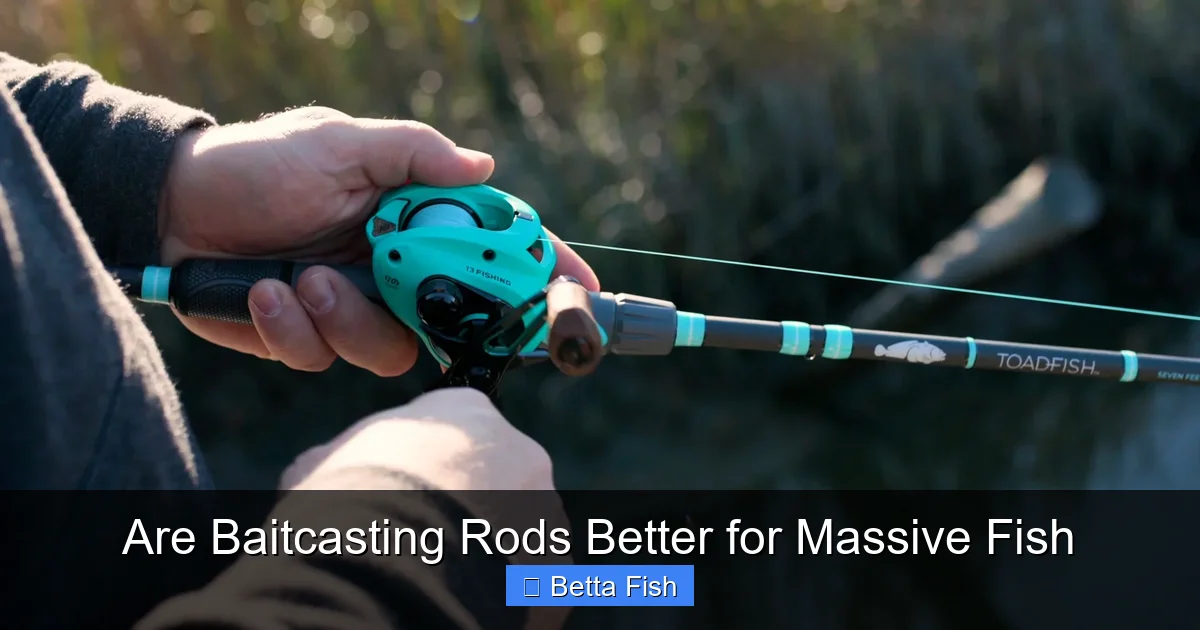
Visual guide about Are Baitcasting Rods Better for Massive Fish
Image source: cdn.shopify.com
Steeper Learning Curve
New anglers often struggle with thumb control, spool tension, and braking. It can take dozens of outings before you feel comfortable handling a 20‑lb fish on a baitcaster.
Heavier Setup
Baitcasting rods and reels tend to weigh more than spinning combos, which may cause fatigue on long days, especially if you’re casting from a kayak or a small boat.
Cost Considerations
High‑quality baitcasters can cost $200‑$500, while comparable spinning setups are often $100‑$200. If you fish primarily for smaller species, the extra expense may not be justified.
4. Choosing the Right Baitcasting Rod for Big Game
Rod Length and Power
For massive fish, aim for a rod 9‑10 feet long with a heavy or extra‑heavy power rating. This length gives you leverage, while the power rating ensures the rod can handle the strain without snapping.
Action Type
Fast or medium‑fast actions are ideal. They bend mostly at the tip, allowing you to set hooks quickly and feel the fight directly. Slow‑action rods absorb shock but may delay hook sets on hard‑mouth fish.
Material Matters
- Graphite: Light and sensitive, great for long casts.
- Fiberglass: Heavier but extremely durable—perfect for rough‑water catfish battles.
- Composite blends: Offer a balance of strength and sensitivity.
Reel Compatibility
Match your rod to a reel with at least a 7.5:1 gear ratio and a drag system rated for the target species. Brands like Shimano, Abu Garcia, and Lew’s produce reliable baitcasters for heavy‑weight fishing.
5. Tips for Mastering the Baitcaster on Massive Fish
1. Practice Proper Braking
Use the thumb bar and any built‑in magnetic brake to control spool speed. Start with light pressure, and increase as you feel the line tension rise.
2. Adjust Spool Tension Before Each Cast
Turn the spool tension knob until the line peeks out of the guide just enough to “kiss” the rod tip on a cast. Too loose = backlash; too tight = short casts.
3. Use Heavy, Low‑Stretch Line
Braided line (30‑50 lb test) offers little stretch, giving you a direct feel on the fish’s movements. Pair it with a 30‑40 lb fluorocarbon leader for abrasion resistance.
4. Choose the Right Lure Weight
Match lure weight to the rod’s recommended range (usually 1/2‑1 oz for massive‑fish baitcasters). Too light and you’ll lose casting distance; too heavy and you’ll overload the reel.
5. Keep the Reel Clean
After each outing, rinse the reel with fresh water, wipe the drag washers, and apply a few drops of reel oil. This prevents corrosion and maintains smooth drag performance.
6. Learn to “Pump” the Reel
When a big fish makes a sudden run, use a quick, rhythmic “pump” motion with your thumb to keep line tension and avoid slack that can let the fish shake the hook.
6. When to Choose a Different Reel
Target Species That Require Light Tackle
If you’re after panfish, trout, or small bass, a spinning combo offers easier casting and less chance of backlash.
Kayak or Shore Casting
When weight and balance are critical, a lightweight spinning setup may be more comfortable than a heavy baitcaster.
Budget Constraints
Beginners on a tight budget can start with a quality spinning combo and upgrade to a baitcaster once they’ve proven they need the extra power.
Alternative Reel Types
Consider a conventional reel for deep‑sea or offshore trolling, where the line runs off the reel’s underside and provides smoother drag under heavy loads.
Conclusion: Are Baitcasting Rods Better for Massive Fish?
In short, baitcasting rods excel when you need raw power, precise line control, and the ability to handle heavy lures—qualities that make them especially effective for massive fish. However, they are not a universal solution. The learning curve, added weight, and higher price point mean they’re best suited for anglers who regularly target trophy‑size species and are willing to practice the technique.
If you’re ready to invest time in mastering the baitcaster, the payoff can be huge: stronger hook sets, faster retrieval, and a higher success rate on big game. If you’re still unsure, try renting or borrowing a baitcaster for a day on the water before committing. Remember, the best reel is the one that matches your skill level, the fish you’re after, and the environment you fish in.
Now that you’ve got the facts, go out, test a baitcasting setup, and see if it helps you land the massive fish you’ve been dreaming of.
Frequently Asked Questions
Do baitcasting rods provide more power than spinning rods?
Yes, baitcasting reels typically have higher gear ratios and stronger drag systems, giving you more pulling power—ideal for large, hard‑fighting fish.
What is the biggest drawback of using a baitcaster?
The main issue is backlash, also called “bird‑nesting,” which occurs when the spool overruns the line. Proper brake and tension adjustments can minimize this.
Can I use a baitcasting rod for freshwater and saltwater species?
Absolutely, as long as the rod and reel are rated for the appropriate corrosion resistance and line strength required by the target species.
How often should I lubricate my baitcasting reel?
Lubricate the reel after every few trips, especially if you fish in salty or dirty water. A quick wipe‑down and a few drops of reel oil keep the drag smooth.
Is a baitcaster worth the extra cost for occasional big‑fish trips?
If you only fish for big game a few times a year, a high‑quality spinning combo may be more cost‑effective. For frequent trophy pursuits, the performance gains often justify the price.
What line type works best with baitcasting reels for massive fish?
Heavy braided line (30‑50 lb) paired with a strong fluorocarbon leader offers minimal stretch, excellent sensitivity, and high abrasion resistance.


