Raising baby betta fish isn’t as daunting as many think. With the right tank setup, water parameters, and feeding routine, you can nurture thriving fry. Follow our friendly guide to avoid common pitfalls and enjoy a vibrant betta nursery.
Key Takeaways
- Patience matters: Baby bettas grow quickly, but they need stable conditions for the first weeks.
- Tank size counts: A 10‑gallon covered tank provides space and safety for delicate fry.
- Water quality is critical: Keep temperature at 78‑80°F and maintain low ammonia with frequent water changes.
- Feeding frequency: Offer tiny, frequent meals of specialized fry food or infusoria for optimal growth.
- Separate sexes early: Prevent unwanted breeding by identifying and separating males and females once they mature.
- Observe daily: Quick detection of stress or disease saves lives.
- Use proven resources: Follow beginner‑friendly guides like How To Take Care Of A Betta Fish For Beginners for step‑by‑step help.
📑 Table of Contents
Introduction: Why the Question Matters
If you’ve ever watched a pair of vibrant betta fish dance in a tank, you might wonder what happens when those beauties reproduce. The tiny, translucent fry that emerge look nothing like their parents, and many new hobbyists ask, are baby betta fish hard to take care of? The short answer is “no, not if you’re prepared.”
Baby bettas, also called fry, have special needs that differ from adult fish. Understanding those needs turns a potentially stressful experience into a rewarding one. This guide walks you through everything—from setting up the perfect nursery to feeding the right foods—so you can answer the question with confidence.
1. Setting Up the Ideal Nursery Tank
Tank size and shape
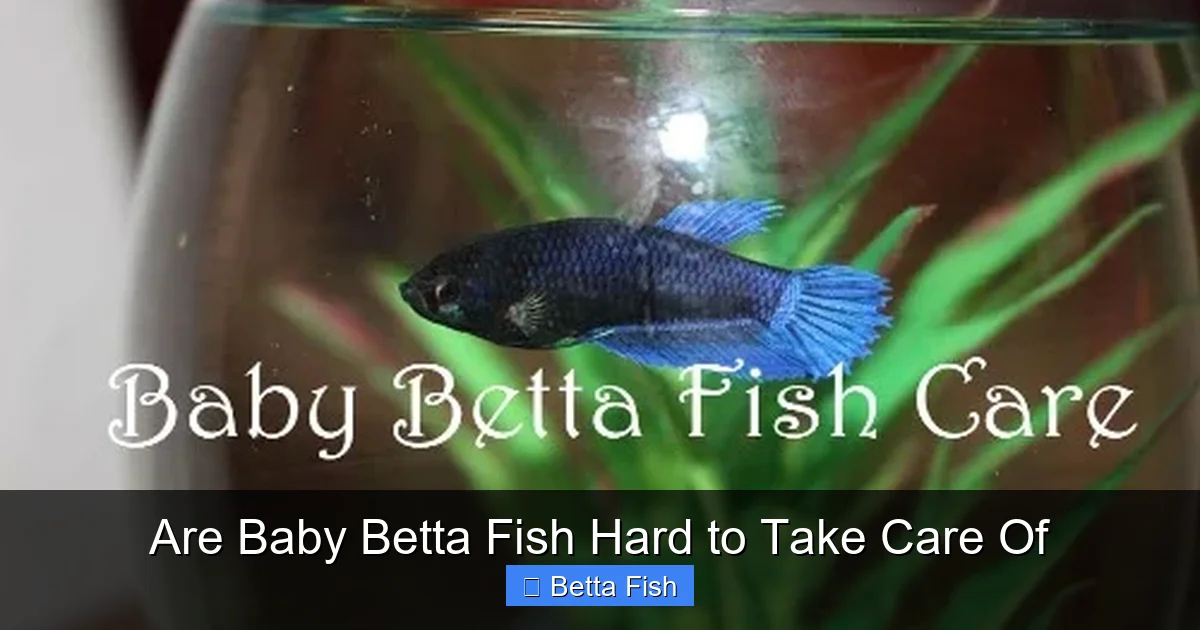
While adult bettas can survive in small bowls, fry need room to swim and hide. A 10‑gallon aquarium with a secure lid is ideal. The extra space dilutes waste, making water quality easier to maintain.
Visual guide about Are Baby Betta Fish Hard to Take Care Of
Image source: japanesefightingfish.org
Cover and ventilation
Baby bettas are notorious jumpers. A tight‑fitting lid prevents escapes, but you also need a small opening for airflow. A mesh screen works well, letting gases escape while keeping the fry safe.
Substrate and hiding spots
Live plants such as Java moss or Anubias provide cover and a surface for infusoria to grow—an excellent first food. If you prefer a substrate, use fine sand or smooth gravel; avoid sharp edges that could injure delicate fry.
Filtration
A gentle sponge filter is perfect. It supplies biological filtration without creating strong currents that could suck fry into the filter media. Run the filter on low flow and rinse the sponge in tank water during weekly water changes.
2. Mastering Water Parameters
Temperature
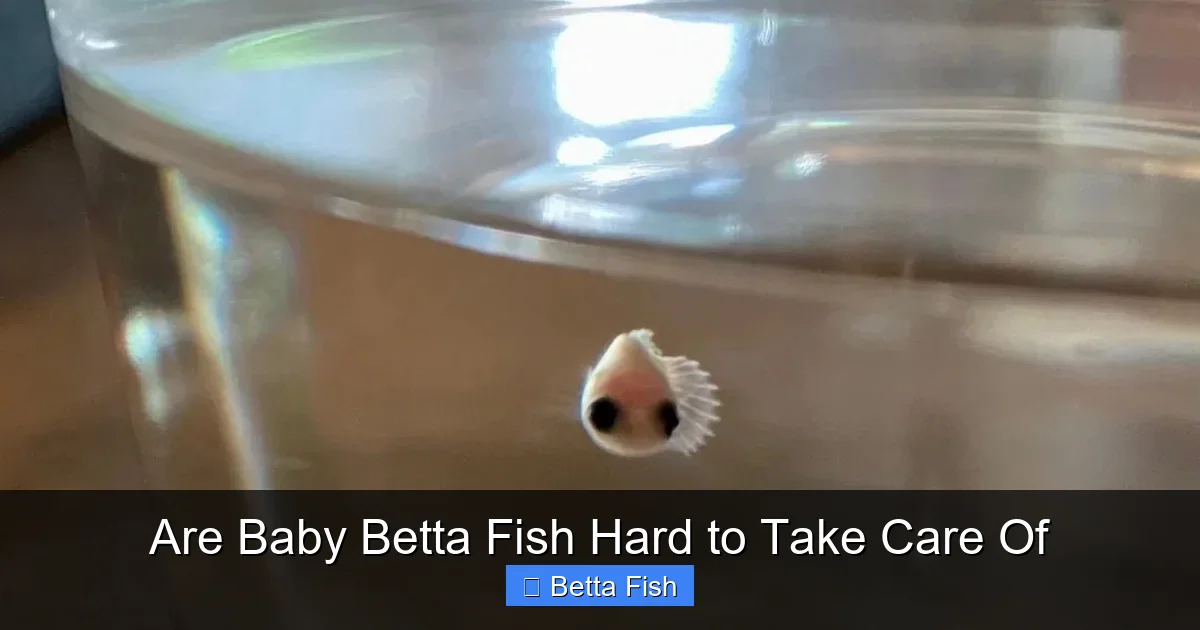
Baby bettas thrive at 78‑80°F (25.5‑26.5°C). Use an aquarium heater with an adjustable thermostat and a reliable thermometer. Sudden temperature swings stress fry and increase mortality.
Visual guide about Are Baby Betta Fish Hard to Take Care Of
Image source: wildbettablog.com
pH and hardness
Maintain a pH between 6.5 and 7.5 and a moderate hardness (GH 4‑8). Test kits are inexpensive and give you quick feedback. Adjust with crushed coral or peat as needed.
Ammonia, nitrite, nitrate
Fry are extremely sensitive to ammonia and nitrite. Cycle the tank fully before adding any fish. After the fry arrive, perform 25‑30% water changes every 2‑3 days for the first two weeks, testing each time to keep ammonia at 0 ppm.
Water changes
Use dechlorinated tap water or conditioned water at the same temperature as the tank. A slow, steady pour reduces stress.
3. Feeding Baby Betta Fish
First foods: Infusoria and micro‑worms
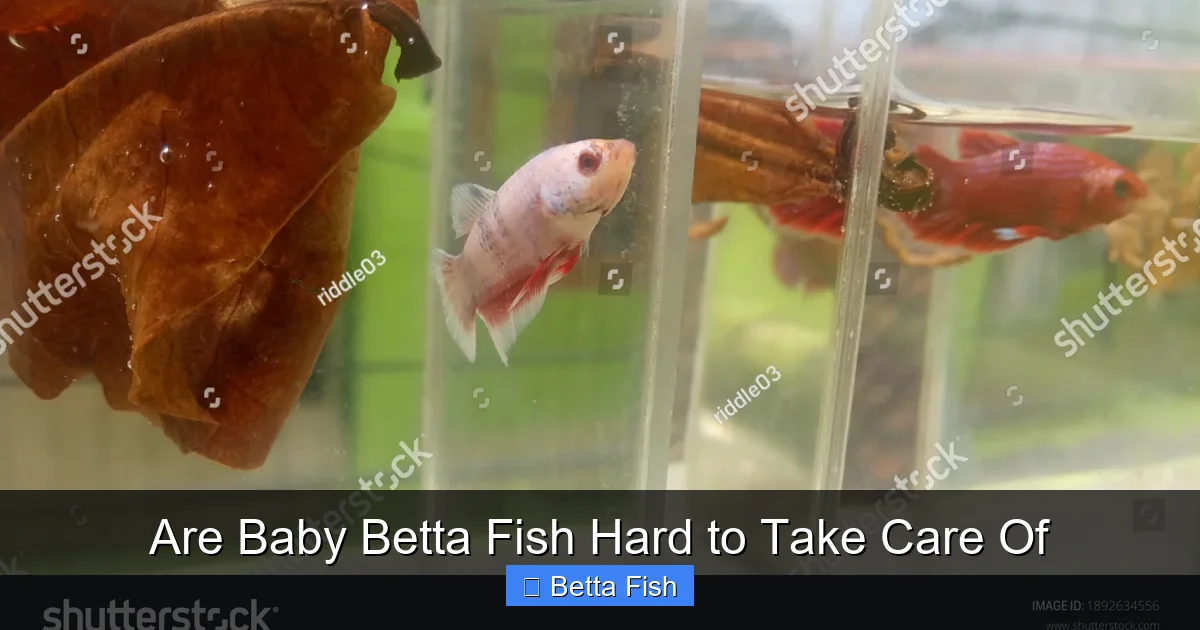
Newly hatched fry are too small to eat standard betta pellets. Cultivate infusoria (tiny protozoa) by adding a piece of lettuce to a jar of water for 24‑48 hours. Spoon a few drops into the tank twice daily.
Visual guide about Are Baby Betta Fish Hard to Take Care Of
Image source: shutterstock.com
Progressing to finely crushed foods
After about a week, fry can handle microworms or baby brine shrimp. Crush these foods into a fine powder and sprinkle a pinch into the water. Feed small amounts; fry will eat what they can in 2‑3 minutes.
Feeding schedule
Offer 4‑6 tiny meals per day for the first two weeks, then reduce to 3 meals as they grow. Over‑feeding fouls the water quickly, so always remove uneaten food after a few minutes.
Transition to adult diet
When fry are about 1‑1.5 inches long (≈4‑5 weeks), you can start introducing high‑quality betta pellets, softened in water. This gradual shift helps their digestive system adapt.
4. Monitoring Growth and Health
What to look for
- Color development: Fry start translucent, then develop the characteristic hues of their parents.
- Fin formation: Healthy fins are smooth and un‑torn. Ragged or frayed fins may indicate fin rot.
- Behavior: Active swimming and occasional surface breathing are normal. Lethargy or gasping are warning signs.
Common health issues
Fry are prone to fungus and bacterial infections if water quality drops. A quick dip in a diluted aquarium salt solution (1 tsp per gallon) can help prevent early infections.
When to intervene
If you notice white spots, excessive mucus, or rapid loss of appetite, isolate the affected fry in a separate hospital tank with clean, warm water and treat with a broad‑spectrum antibiotic as recommended by a vet.
5. Sexing and Separating Adult Betta Fish
How to tell the gender
After 3‑4 months, bettas show distinct differences. Males develop a broader, fan‑shaped tail and brighter colors, while females have shorter fins and may show a “egg spot” near the vent. For a detailed guide, see How To Tell The Gender Of A Betta Fish.
Why separation matters
Once fry mature, they become territorial. Keeping males and females together can lead to fights, stress, and even death. Separate them into individual tanks or use a divided tank with a clear barrier.
Preparing for breeding
If you plan to breed again, keep a few healthy adults in a separate “brood tank.” Provide a bubble nest for the male and ensure the water is slightly warmer (80‑82°F) to stimulate spawning.
6. Frequently Asked Questions About Raising Fry
Do I need a special filter for fry?
A gentle sponge filter works best. It provides biological filtration without creating strong currents that could suck fry into the filter media.
How long does it take for fry to look like adult bettas?
Within 4‑6 weeks, fry will develop the bright colors and fin shapes of their parents, assuming proper nutrition and water conditions.
Can I keep baby bettas in a bowl?
No. Bowls lack filtration, temperature control, and space, making them unsuitable for the delicate needs of fry.
What if I lose some fry?
Some loss is normal; even experienced breeders see a 30‑50% mortality rate. Focus on maintaining optimal water quality to maximize survival.
Is it okay to add live plants?
Yes. Live plants like Java moss provide hiding places and a natural food source for infusoria, benefiting fry health.
Do baby bettas need a heater?
Absolutely. Consistent temperature (78‑80°F) is crucial for growth and immune function.
Conclusion: Turning “Hard” Into Easy
Answering the question are baby betta fish hard to take care of comes down to preparation. By setting up a proper nursery, maintaining pristine water, feeding the right foods, and monitoring health closely, you’ll find that raising fry is a manageable—and incredibly satisfying—part of the betta hobby. Remember, the same principles that make adult bettas thrive apply to their babies, just on a smaller scale. Use the tips above, keep learning from resources like Are Betta Fish Easy To Take Care Of, and enjoy watching your tiny bettas grow into the dazzling fish you fell in love with.
Frequently Asked Questions
How often should I change the water for baby betta fry?
Perform 25‑30% water changes every 2‑3 days during the first two weeks, then shift to weekly changes as the fry grow and waste production stabilizes.
Can I use tap water directly for the fry tank?
No. Always treat tap water with a water conditioner to remove chlorine and chloramine, and match the temperature to the tank before adding it.
What is the best first food for newborn betta fry?
Infusoria cultured from lettuce or wheatgrass is the ideal first food because of its microscopic size and easy digestibility.
When can I start feeding baby bettas regular betta pellets?
Introduce softened betta pellets when the fry reach about 1‑1.5 inches in length, typically after 4‑5 weeks of growth.
Do I need a separate tank for male and female bettas after they mature?
Yes. Separating sexes prevents aggression and unwanted breeding, which can cause stress and health problems.
How can I tell if my fry are stressed?
Stressed fry may hide constantly, gasp at the surface, or show faded colors. Check water parameters first, as poor water quality is the most common stressor.


