Acrylic tanks are lightweight, crystal‑clear, and less likely to crack than glass, making them a popular choice for betta owners. However, they can scratch easily and may retain heat, so understanding their benefits and drawbacks is key to keeping your betta healthy and happy.
Key Takeaways
- Durability: Acrylic is stronger than glass but can scratch; handle with care.
- Visibility: Acrylic offers superior clarity, letting you admire your betta’s colors up close.
- Heat retention: Acrylic holds heat longer, which can be an advantage or a risk depending on room temperature.
- Weight & portability: Acrylic tanks are lighter, making moves and cleaning easier.
- Cost: Acrylic is usually pricier than glass, but the long‑term benefits may outweigh the initial expense.
- Setup tips: Use proper filtration, avoid abrasive cleaners, and monitor water temperature closely.
- Overall suitability: When maintained correctly, acrylic tanks can be an excellent home for betta fish.
📑 Table of Contents
- Introduction: Why the Material of a Tank Matters
- What Is Acrylic and How Does It Differ From Glass?
- Benefits of Acrylic Tanks for Betta Fish
- Potential Drawbacks and How to Mitigate Them
- Setting Up an Acrylic Tank for Your Betta
- Acrylic vs. Glass: Which Is Better for Betta Fish?
- Practical Tips for Long‑Term Success
- Conclusion: Are Acrylic Tanks Good for Betta Fish?
Introduction: Why the Material of a Tank Matters
When you first bring a betta home, the tank you choose becomes its entire world. A clear, sturdy container lets you watch the fish’s flamboyant fins, but the material also influences water quality, temperature, and safety. Most beginners start with cheap glass bowls, yet many quickly upgrade to acrylic tanks after hearing about their lightweight feel and crystal‑clear view.
In this guide we’ll explore whether acrylic tanks are good for betta fish, compare them to glass, and give you practical steps to set up the perfect acrylic habitat. By the end, you’ll know if the extra cost is worth it and how to avoid common pitfalls.
What Is Acrylic and How Does It Differ From Glass?
Composition and Manufacturing
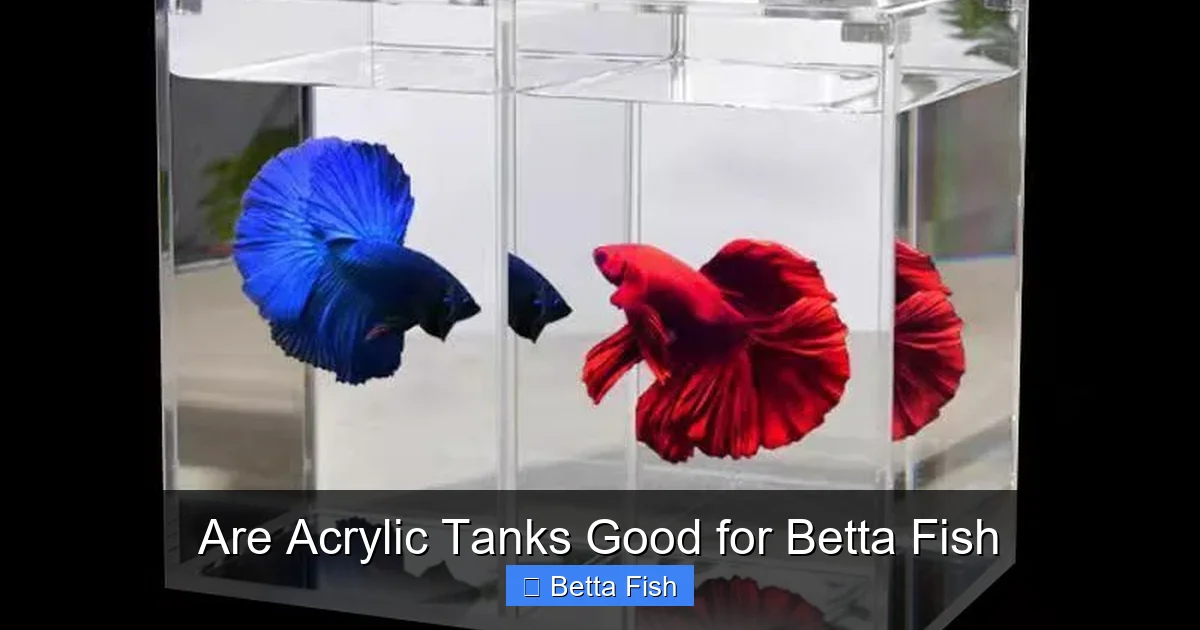
Acrylic is a type of plastic made from polymethyl methacrylate (PMMA). It is poured or molded into sheets, then welded or bonded to form a tank. Glass, on the other hand, is made from silica sand melted at high temperatures. The fundamental difference is that acrylic is a polymer, while glass is a mineral.
Visual guide about Are Acrylic Tanks Good for Betta Fish
Image source: images.nexusapp.co
Strength and Flexibility
While both materials can hold water, acrylic is up to 17 times stronger than glass pound for pound. This means a 5‑gallon acrylic tank can survive a drop that would shatter a glass one. However, acrylic’s flexibility makes it more prone to surface scratches, especially from cleaning tools or decorations.
Optical Clarity
Acrylic typically has a higher light transmission rate (about 92%) compared to glass (about 88%). The result is a brighter, clearer view of your betta’s iridescent colors. For hobbyists who love to showcase their fish, this visual advantage can be a deciding factor.
Benefits of Acrylic Tanks for Betta Fish
Lightweight and Easy to Move
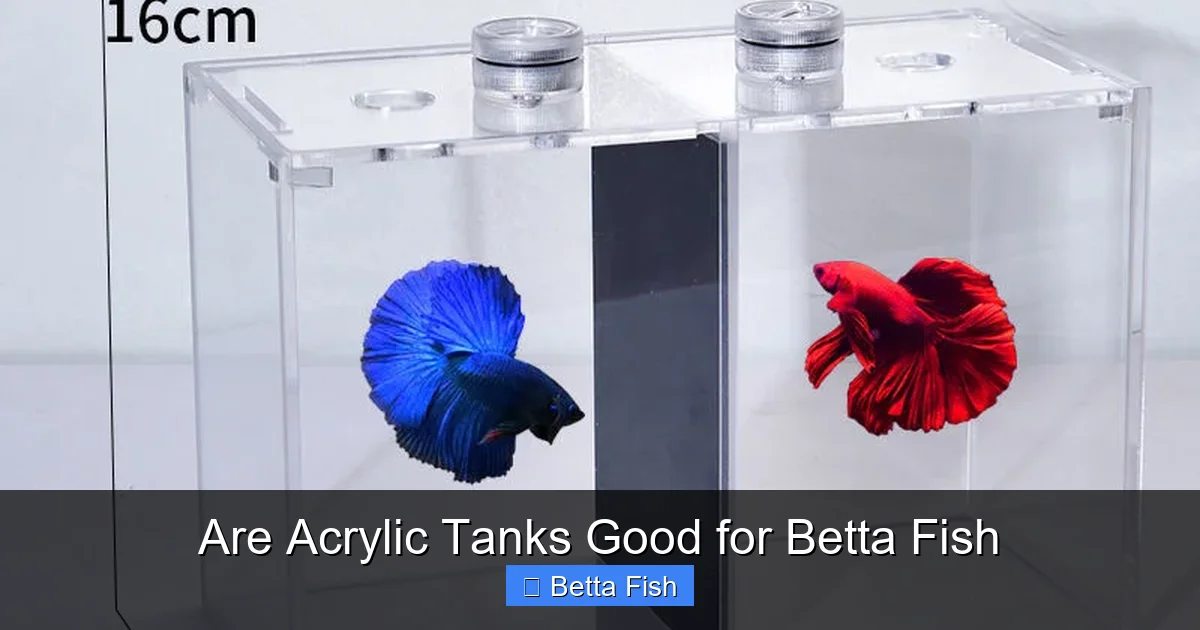
If you live in an apartment or like to rearrange décor, the lighter weight of acrylic makes handling a breeze. A 10‑gallon glass tank can weigh 30‑40 pounds, while the same acrylic tank may be half that weight.
Visual guide about Are Acrylic Tanks Good for Betta Fish
Image source: images.nexusapp.co
Better Insulation and Heat Retention
Acrylic’s insulating properties keep water temperature more stable. In cooler rooms, this can reduce the need for a heater, saving energy. Conversely, in a warm house, you must monitor temperature closely to avoid overheating—especially important because bettas thrive at 76‑82°F (24‑28°C).
Impact Resistance
Accidental bumps are less likely to cause cracks. This is a relief for families with children or pets that might knock over a tank.
Design Flexibility
Acrylic can be molded into unique shapes—cubes, cylinders, or even custom “betta domes.” This allows you to create a tank that fits your space and personal style.
Potential Drawbacks and How to Mitigate Them
Scratching and Cloudiness
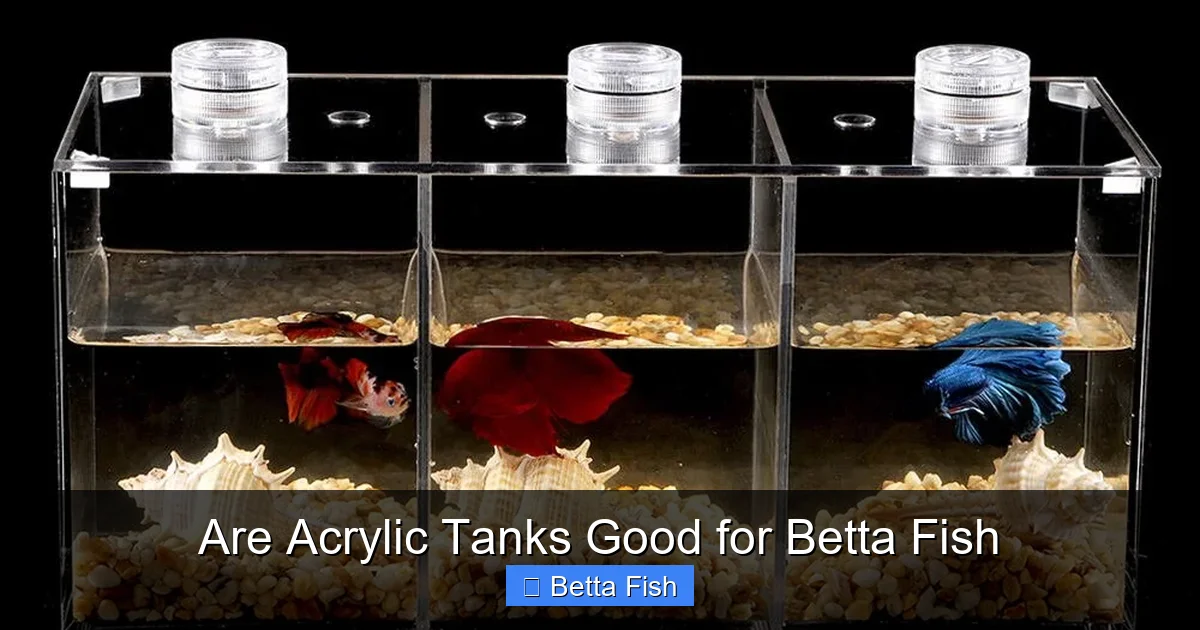
Scratches appear as fine lines that scatter light, reducing clarity over time. To avoid this, use soft, non‑abrasive sponges and never scrub with steel wool. If a scratch does appear, a polishing compound designed for acrylic can gently buff it out.
Visual guide about Are Acrylic Tanks Good for Betta Fish
Image source: images.nexusapp.co
Heat Build‑Up
Because acrylic retains heat, a betta’s tank placed near a sunny window or a heat‑producing appliance may become too warm. Use a thermometer and, if needed, a small fan or relocate the tank to a cooler spot.
Cost Considerations
Acrylic tanks are generally 20‑30% more expensive than comparable glass tanks. However, the longer lifespan and reduced risk of breakage can offset the initial outlay.
Chemical Compatibility
Some cleaning agents, especially alcohol‑based or solvent‑based products, can damage acrylic. Stick to products labeled safe for acrylic or simply use diluted white vinegar and water.
Setting Up an Acrylic Tank for Your Betta
Choosing the Right Size
While many people think a 2‑gallon bowl is enough, experts recommend at least 5 gallons for a single betta. A larger volume offers more stable water parameters and room to swim. For more details on sizing, see our article on what is a good size tank for a betta fish.
Substrate and Decoration
Use a fine‑grained sand or smooth gravel that won’t abrade the acrylic. Live plants not only look beautiful but also improve water quality. Check out which live plants are good for betta fish for safe options.
Filtration and Water Flow
Betta fish are not strong swimmers, so a gentle filter is ideal. Sponge filters or low‑flow hang‑on backs provide adequate biological filtration without creating strong currents that stress the fish.
Heating and Temperature Monitoring
Even though acrylic retains heat, a reliable heater set between 78‑80°F (25‑27°C) is still recommended in most homes. Pair it with a digital thermometer to keep a constant eye on temperature.
Cleaning Routine
- Perform a 25‑30% water change once a week.
- Use a soft, non‑scratch pad to wipe the inside glass.
- Avoid abrasive brushes; a soft cloth works best.
Regular water changes help maintain stable ammonia and nitrite levels, crucial for betta health.
Acrylic vs. Glass: Which Is Better for Betta Fish?
When Acrylic Wins
- You need a lightweight tank for frequent moves.
- Clarity and visual appeal are top priorities.
- You live in a cooler environment and want natural heat retention.
When Glass May Be Preferable
- You have a tight budget and need a larger tank size.
- You prefer a material that resists scratches completely.
- You have children who might use harsh cleaning tools.
Bottom Line
Both materials can house a healthy betta if you understand their quirks. Acrylic tanks are good for betta fish when you prioritize portability, clarity, and insulation, and you’re willing to handle them gently. Glass tanks are a solid, cost‑effective alternative that requires less vigilance about scratches.
Practical Tips for Long‑Term Success
Monitor Water Parameters
Test for ammonia, nitrite, nitrate, and pH weekly. Acrylic does not affect water chemistry, but any sudden changes can stress your betta.
Use a Lid
Betta fish are notorious jumpers. A snug acrylic lid prevents escape while reducing evaporation.
Lighting Considerations
LED lights are energy‑efficient and produce less heat than traditional bulbs, helping control temperature in acrylic tanks.
Regular Inspection
Check the tank’s seams for any signs of stress or delamination. Early detection prevents leaks.
Conclusion: Are Acrylic Tanks Good for Betta Fish?
In short, yes—acrylic tanks can be an excellent home for betta fish when you respect their strengths and manage their weaknesses. Their lightweight nature, superior clarity, and heat‑retaining qualities make them especially appealing for hobbyists who want a beautiful, low‑maintenance setup. By choosing the right size, providing gentle filtration, and keeping a close eye on temperature, you’ll give your betta a thriving environment that showcases its dazzling colors for years to come.
Frequently Asked Questions
Do betta fish need a heater in an acrylic tank?
Yes, most homes are cooler than the ideal 76‑82°F (24‑28°C). Even though acrylic retains heat, a reliable heater ensures a stable temperature.
Can I use any type of substrate in an acrylic tank?
Use fine sand or smooth gravel that won’t scratch the acrylic. Avoid sharp décor that could damage the tank walls.
How often should I change the water in an acrylic betta tank?
Change 25‑30% of the water weekly, or perform a 50% change every two weeks if the tank is heavily planted.
Is acrylic safe for live plants?
Yes, acrylic does not leach harmful chemicals. Pair it with a nutrient‑rich substrate and proper lighting for healthy plant growth.
Will an acrylic tank crack if I drop it?
Acrylic is impact‑resistant and will flex rather than crack, but a severe drop can still cause damage. Handle with care.
Are acrylic tanks more expensive than glass?
Generally, acrylic tanks cost 20‑30% more than comparable glass tanks, but their durability and lighter weight can offset the price over time.


