Why Is My Betta Fish Looking at Me
Betta fish often lock eyes with their owners because they are curious, territorial, or simply reacting to movement. Understanding the reasons behind the stare helps you ensure a healthy environment and strengthens the bond with your finned friend.
Key Takeaways
- Curiosity and territorial instincts: Betta fish naturally watch anything that moves near their tank.
- Stress signals: Prolonged staring may indicate poor water quality or health issues.
- Feeding cues: Your betta may be anticipating food when it looks directly at you.
- Interaction benefits: Gentle eye contact can build trust and reduce aggression.
- Environment matters: Proper lighting, décor, and tank size influence your betta’s behavior.
- Regular health checks: Watch for signs like discoloration or abnormal swimming that accompany the stare.
- Simple adjustments: Small changes in feeding schedule or tank setup often calm an overly watchful betta.
📑 Table of Contents
Introduction
There’s something oddly endearing about a betta fish fixing its bright eyes on you as you walk by the aquarium. You might wonder, “why is my betta fish looking at me?” The answer isn’t always simple, but it’s rarely a cause for panic. Betta fish are naturally curious, territorial, and highly responsive to movement. Their stare can be a sign of interest, a request for food, or even a subtle SOS.
In this article we’ll explore the many reasons behind that steady gaze, how to read the rest of your betta’s body language, and what steps you can take to keep the little champion healthy and happy. By the end, you’ll feel confident that you’re not just a spectator—you’re an active participant in your betta’s underwater world.
1. Natural Curiosity and Territorial Behavior
Why bettas love to watch
Betta fish (Betta splendens) are native to the shallow rice paddies of Southeast Asia, where they had to be alert to predators and rivals. In the wild, they constantly scan their surroundings for anything that might threaten their territory. When you place a tank in your living room, you become part of that environment. The movement of your hand, the flicker of light, or even the sound of a door closing can trigger a betta’s instinct to observe.
How to tell if it’s just curiosity
- Short glances: A quick look followed by normal swimming usually means simple curiosity.
- Body posture: A relaxed tail and steady fins suggest the fish is comfortable.
- No aggression: If the betta isn’t puffing up its gills or flaring its fins, it’s likely just watching.
When you notice these signs, you can safely interact—talk softly, move slowly, and enjoy the connection.
2. Feeding Anticipation: “Is It Dinner Time Yet?”
Stare as a food cue
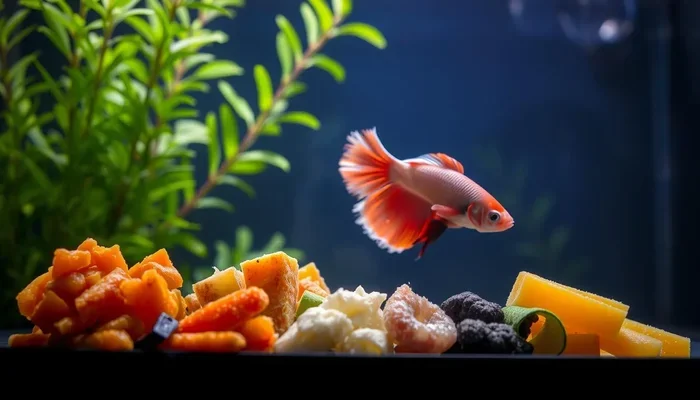
Betta fish quickly learn to associate the sound of a food container or the sight of a hand reaching into the tank with a meal. If you feed at the same time each day, your betta will start watching you around that schedule, almost as if it has an internal clock.
Tips for healthy feeding routines
- Feed 2‑3 times daily with small portions to prevent overfeeding.
- Use a varied diet—high‑quality pellets, frozen or live foods like brine shrimp.
- Rotate feeding spots in the tank to keep your betta mentally stimulated.
Consistent feeding not only satisfies hunger but also reduces stress, which can otherwise turn a simple stare into a sign of anxiety.
3. Stress and Health Concerns
When staring means something’s wrong
While many looks are harmless, a prolonged, intense stare can be a red flag. Betta fish may fixate on the surface or on you if they’re experiencing poor water quality, low oxygen, or illness. Look for accompanying symptoms such as:
- Faded or discolored scales (see Why Did My Betta Fish Lose Its Color)
- Clamped fins or erratic swimming
- Frequent gulping at the water surface
Quick water check
Test your tank’s parameters weekly. Ideal ranges for bettas are:
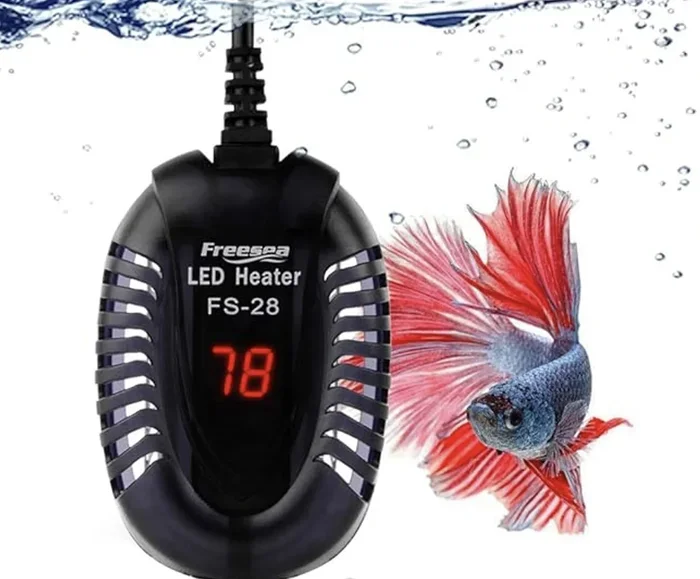
- Temperature: 76‑82°F (24‑28°C)
- pH: 6.5‑7.5
- Ammonia/Nitrite: 0 ppm
- Low nitrate (<20 ppm)
If any values are off, perform a partial water change (25‑30%) and clean the substrate.
4. Interaction and Bonding
Building trust through eye contact
Betta fish are intelligent and can recognize their owners over time. Gentle, consistent interaction—talking softly, moving a finger slowly across the glass—can turn a wary stare into a friendly “hello.” This bond reduces aggression and encourages natural behaviors like bubble‑nest building.
Safe ways to interact
- Place a finger on the glass for a few seconds and watch the reaction.
- Use a small mirror occasionally; bettas love to display to their reflection, which can be a good enrichment tool.
- Avoid sudden movements that could startle the fish.
Remember, every betta has a unique personality. Some may love attention, while others prefer solitude.
5. Environmental Factors That Influence Staring
Lighting and tank layout
Bright, direct lighting can cause bettas to focus on the light source, especially if it creates a glare on the water surface. Use a gentle LED fixture with a dimmer to mimic natural daylight cycles.
Decor and hiding spots
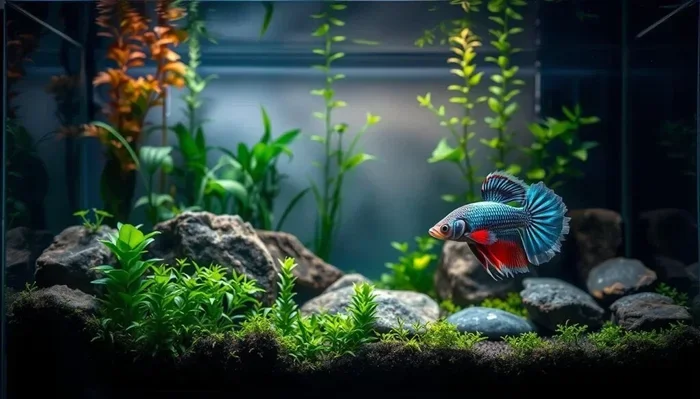
Betas need places to retreat. If the tank lacks adequate cover, the fish may stay near the surface, watching for threats. Add live plants, silk plants, or smooth rocks to create a balanced environment.
Common tank issues
Sometimes the stare is linked to other problems like excessive bubbles or water cloudiness. For example, if you notice bubbles forming constantly, read Why Is My Betta Fish Making Bubbles to understand whether it’s normal or a sign of stress.
6. When to Seek Professional Help
Red flags that need a vet
If your betta’s stare is accompanied by loss of appetite, rapid color change, or fin rot, it’s time to consult a fish‑health specialist. Early intervention can save a betta that might otherwise deteriorate quickly.
Resources for troubleshooting
Our site offers in‑depth articles on specific health concerns. For instance, Is My Betta Fish Dying walks you through a step‑by‑step diagnostic process.
Conclusion
So, why is my betta fish looking at me? Most often, it’s a blend of curiosity, territorial instinct, and the hope for a tasty treat. By paying attention to the surrounding cues—body language, water quality, feeding schedule—you can tell whether the stare is a friendly hello or a cry for help.
Maintain a clean, well‑decorated tank, feed on a schedule, and interact gently. Your betta will reward you with vibrant colors, graceful swims, and perhaps a few more inquisitive glances. And if anything seems off, don’t hesitate to explore our detailed guides on health and behavior. Happy fish‑keeping!
Frequently Asked Questions
Why does my betta stare at me when I approach the tank?
Betta fish are naturally curious and view movement as potential food or a rival. A short, relaxed stare is usually just interest.
Is constant eye contact a sign of aggression?
Not necessarily. Aggression is shown by flared fins, puffed gills, and rapid darting. If those aren’t present, the stare is likely benign.
Can poor water quality cause my betta to stare more?
Yes. Stress from high ammonia, low temperature, or improper pH can make a betta fixate on the surface or on you. Test the water and perform a partial change if needed.
Should I feed my betta when it looks at me?
If it’s close to its feeding time and the fish appears healthy, offering a small amount of food is fine. Over‑feeding can lead to water quality issues, so keep portions modest.
What other behaviors indicate my betta is stressed?
Look for faded colors, clamped fins, excessive gulping at the surface, or abnormal swimming patterns such as floating sideways.
How can I build a better bond with my betta?
Interact gently, talk softly, and provide enrichment like plants or a mirror. Consistent, calm interaction helps your betta recognize you as a friendly presence.