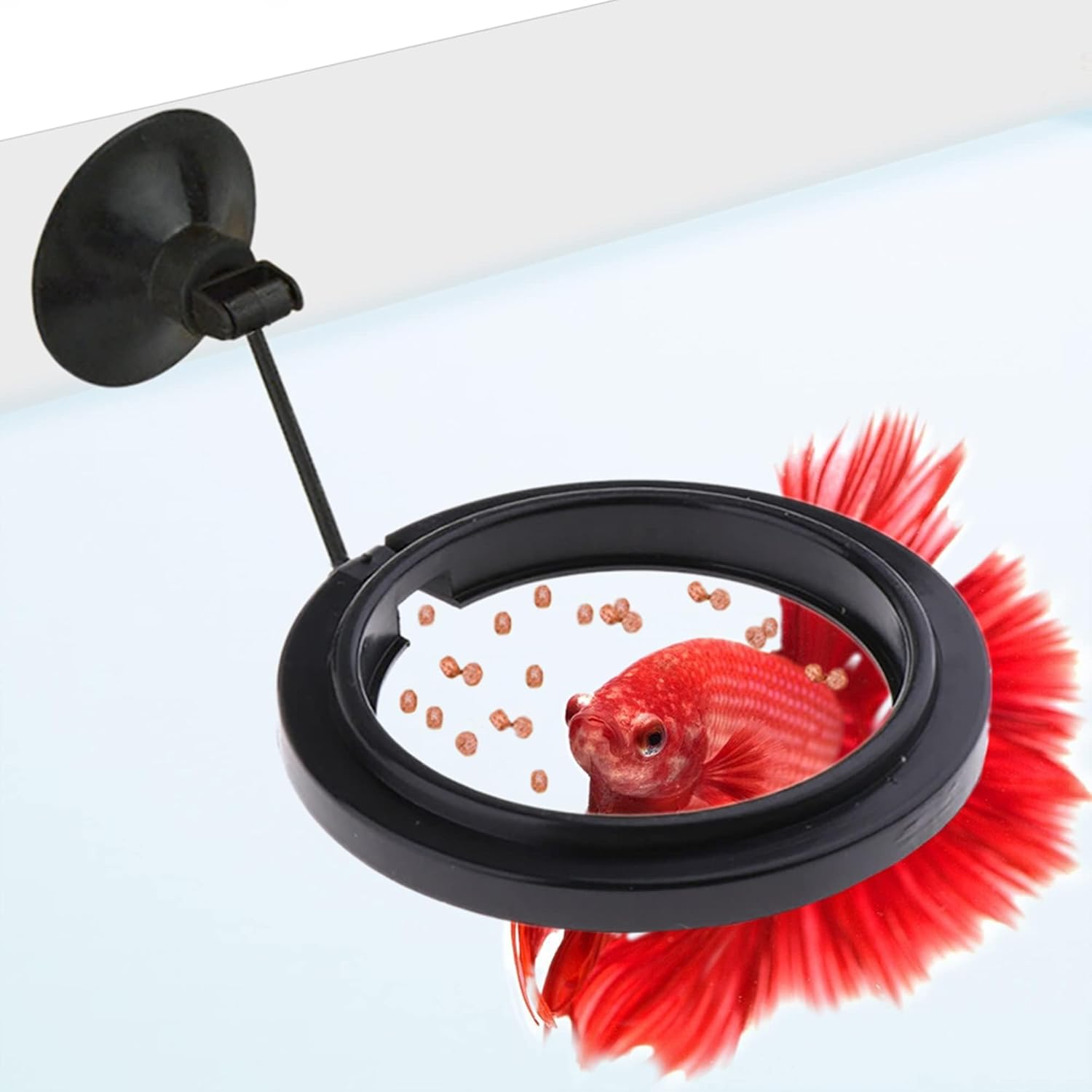
Betta fish are naturally solitary creatures, evolved to defend territories and thrive without tank mates. Understanding their need for solitude helps you create a stress‑free environment, ensuring vibrant colors and long life.
Key Takeaways
- Territorial nature: Betta males guard small areas and become aggressive toward other fish.
- Stress reduction: A solitary tank lowers cortisol, keeping colors bright and fins healthy.
- Breeding behavior: Males build bubble nests alone; females only join briefly for spawning.
- Environmental enrichment: Plants, caves, and proper lighting replace the need for companions.
- Water quality matters: Solo tanks are easier to maintain, preventing disease spikes.
- Gender differences: Females are less aggressive but still benefit from personal space.
- Proper tank size: Even alone, bettas need at least 5 gallons to explore and exercise.
📑 Table of Contents
- Introduction: The Solo Life of a Betta
- 1. Evolutionary Roots: From Rice Paddies to Home Tanks
- 2. The Science of Stress: Hormones and Health
- 3. Gender Differences: Males vs. Females
- 4. Tank Setup: Creating a Solo Paradise
- 5. Feeding and Health: Solo Care Made Simple
- 6. Myths and Misconceptions
- Conclusion: Embrace the Solo Lifestyle
Introduction: The Solo Life of a Betta
When you first meet a betta fish, its bright fins and bold personality can be mesmerizing. Many beginners wonder, “why do betta fish like to be alone?” The answer lies deep in their evolutionary history. In the wild, these fish inhabit shallow rice paddies and slow‑moving streams across Southeast Asia, where space is limited and competition is fierce.
Because of this environment, bettas have become fiercely territorial. Over thousands of years they learned that sharing a small patch of water often ends in fights, injuries, or even death. Today, even in a well‑decorated aquarium, that instinct remains. By respecting their need for solitude, you give your betta the best chance to thrive, show off its vivid colors, and live a long, healthy life.
1. Evolutionary Roots: From Rice Paddies to Home Tanks
Natural habitat and limited resources
In the wild, bettas (Betta splendens) occupy shallow, stagnant waters that dry up quickly. Food is scarce, and hiding places are few. This scarcity forced males to become aggressive defenders of their tiny territories. The famous “flaring” display—where a male spreads its fins and gills—is a warning to rivals, not a show for humans.
Why solitude reduces conflict
When two males meet, the result is usually a rapid, high‑intensity fight. The loser may suffer torn fins, stress‑induced disease, or death. A solitary environment eliminates these dangerous encounters, allowing the fish to focus on feeding, exploring, and building bubble nests.
2. The Science of Stress: Hormones and Health
Cortisol and color
Stress in fish is measured by cortisol levels. High cortisol dulls a betta’s colors, makes fins ragged, and suppresses the immune system. Studies show that bettas housed alone have consistently lower cortisol than those kept with other fish, even if the tank is large.
Immune benefits
Lower stress translates to stronger disease resistance. A solitary betta is less likely to contract fin rot, ich, or fungal infections because its body can allocate energy to healing rather than fighting off a perceived rival.
3. Gender Differences: Males vs. Females
Male aggression
Male bettas are the classic “Siamese fighting fish.” Their bright fins and flamboyant displays are designed to intimidate other males. If you place two males together, even with plenty of plants, you’ll likely see flaring, chasing, and possibly fatal injuries.
Female sociality
Female bettas are generally less aggressive. Some hobbyists keep small groups of females—called “sororities”—in a well‑planted tank. However, even females benefit from personal space; overcrowding can still cause stress and hide disease.
For a deeper dive into gender‑specific needs, read our article on Why Betta Fish Live Alone.
4. Tank Setup: Creating a Solo Paradise
Size matters
Even a solitary betta needs room to swim. A minimum of 5 gallons is recommended. Larger tanks provide more stable water parameters and allow for more enrichment items.
Enrichment without companions
Since bettas can’t rely on tank mates for stimulation, you must provide alternative enrichment:
- Live plants: Java fern, Anubias, and Marimo moss give hiding spots and improve water quality.
- Caves and driftwood: Provide a sense of security and a place to rest.
- Floating tops: Mimic the water surface where bettas often rest.
Learn what bettas love in their tank at What Do Betta Fish Like In Their Tank.
Lighting and temperature
Betta fish enjoy a gentle day/night cycle. A 10‑hour light period with a dimming switch reduces stress. Temperature should stay between 76°F and 82°F (24°C‑28°C). Consistent warmth supports metabolism and coloration.
5. Feeding and Health: Solo Care Made Simple
Balanced diet
Solitary bettas often become picky eaters. Offer a varied diet: high‑quality betta pellets, frozen or live brine shrimp, and occasional daphnia. Feed small amounts 2‑3 times daily to prevent overfeeding.
Water changes
Even with a single fish, water quality can decline quickly if neglected. Perform a 25‑30% water change weekly, using water that matches the tank’s temperature and pH. For step‑by‑step guidance, see How To Do A Betta Fish Water Change.
Health checks
Watch for faded colors, torn fins, or unusual swimming patterns. Early detection of problems like dropsy or fin rot can save your betta’s life.
6. Myths and Misconceptions
“Betas need other fish for company”
This is a common myth. In reality, adding tank mates often leads to stress, aggression, and health issues. The only fish that can sometimes coexist are very peaceful, small species like neon tetras, and even then only in a spacious, heavily planted tank.
“Betas are low‑maintenance because they’re alone”
Solitude simplifies some aspects, but bettas still require regular water testing, temperature control, and enrichment. Ignoring these needs can quickly turn a happy solo fish into a sick one.
“Male bettas will breed if kept together”
Breeding requires a controlled environment: a male builds a bubble nest, a female is introduced only for spawning, and they are separated after fertilization. Keeping them together permanently leads to fights, not successful breeding. Learn more about bubble nests at Why Do Betta Fish Make Bubble Nests.
Conclusion: Embrace the Solo Lifestyle
Understanding why do betta fish like to be alone is key to providing the best care. Their territorial nature, stress‑reduction needs, and natural breeding habits all point to a preference for solitude. By offering a spacious, well‑planted tank, stable temperature, and a varied diet, you give your betta a thriving environment where its colors can shine and its personality can flourish. Remember, a happy betta is a healthy betta—sometimes the best company is a beautifully set‑up tank all to itself.
Frequently Asked Questions
Why do betta fish become aggressive when housed together?
Betta males naturally defend tiny territories. When another male enters, they flare and fight to protect food and space, which can cause injury or death.
Can female bettas live together peacefully?
Females are less aggressive and can sometimes be kept in small groups called sororities, but they still need plenty of hiding spots and enough space to avoid stress.
What size tank is ideal for a solitary betta?
A minimum of 5 gallons is recommended. Larger tanks provide more stable water conditions and allow for enrichment items like plants and caves.
How often should I change the water in a solo betta tank?
Perform a 25‑30% water change each week, using water that matches the tank’s temperature and pH to keep parameters stable.
Do bettas need live plants if they are alone?
Live plants aren’t required, but they improve water quality, provide hiding spots, and reduce boredom, making a solitary tank more natural and enriching.
Is it ever okay to keep a male betta with other fish?
Only in a very large, heavily planted tank with ultra‑peaceful species, and even then the risk of aggression is high. Generally, it’s best to keep males alone.