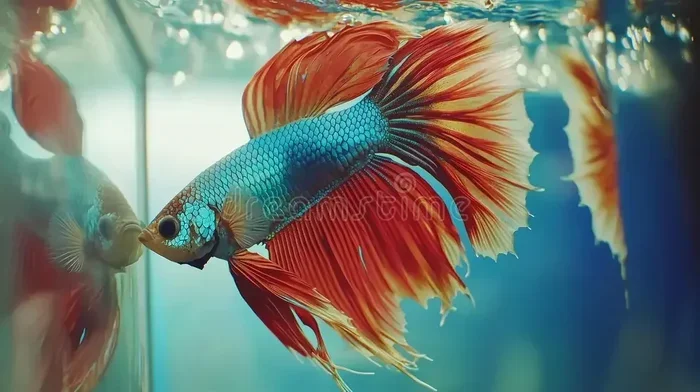
What Kind of Fish Can Betta Live With

Betta fish can share a tank, but only with the right tank mates. Choose peaceful, similarly‑sized species and provide plenty of hiding spots to keep aggression low. Follow our guide to create a thriving, harmonious community aquarium.
Key Takeaways
- Temperament matters: Only calm, non‑aggressive fish should be paired with a betta.
- Size compatibility: Tank mates should be similar in size to avoid bullying.
- Water parameters: Keep temperature, pH, and hardness consistent for all species.
- Tank size: A minimum of 10 gallons is recommended for a community with a betta.
- Provide cover: Plants, caves, and decorations reduce stress and territorial fights.
- Observe and adjust: Watch behavior daily; be ready to re‑home any aggressive fish.
- Suitable species: Small tetras, rasboras, and certain shrimp make great companions.
📑 Table of Contents
Introduction: Can Betta Fish Really Be Social?
If you’ve ever watched a betta flare its gills and wonder whether it can share a home with other fish, you’re not alone. Betta fish (Betta splendens) are famous for their vivid colors and feisty personalities, which often lead beginners to keep them alone. However, with the right approach, bettas can coexist peacefully with a variety of small, peaceful species.
In this article we’ll answer the question “what kind of fish can betta live with” by breaking down the key factors that affect compatibility, offering a list of top tank mates, and giving practical tips for setting up a community tank that keeps everyone happy.
Understanding Betta Behavior
Territorial instincts
Betta males are naturally territorial. In the wild they defend a small stretch of water, and in the home aquarium they often view the whole tank as their domain. This instinct can turn harmless neighbors into targets if they’re too similar in shape or color.

Visual guide about What Kind of Fish Can Betta Live With
Image source: static.vecteezy.com
Gender differences
Female bettas are generally less aggressive than males, but they still have a strong sense of territory. A community tank with multiple females (a sorority) can work, but you must provide plenty of hiding places.
Stress signals
Watch for gill flaring, rapid fin shaking, or darkening of the body. These are early warnings that a betta feels threatened. Early intervention—rearranging décor or removing the offending fish—prevents serious injuries.
Key Factors for Choosing Tank Mates
Size and shape
Small, fast‑moving fish that stay near the top or middle of the water column are ideal. Avoid long‑finned or slow‑moving species that a betta might mistake for another male.

Visual guide about What Kind of Fish Can Betta Live With
Image source: publicdomainpictures.net
Temperament
Peaceful, schooling fish that keep to groups are less likely to provoke a betta. Species that are shy but confident enough to hold their own work best.
Water requirements
All tank mates must thrive in the same temperature (78‑80 °F), pH (6.5‑7.5), and hardness. Mismatched needs lead to illness and stress.
Tank size
A 10‑gallon (or larger) tank gives each fish its own space. Cramped environments amplify aggression.
Top Fish Species That Betta Can Live With
Neon Tetra (Paracheirodon innesi)
Neons are tiny, fast swimmers that stick to the top and middle layers. Their bright blue‑red stripes add a splash of color without resembling a betta.

Visual guide about What Kind of Fish Can Betta Live With
Image source: reibun-eigo.com
- Tank size: 10 gallons minimum
- Water temp: 72‑78 °F (keep on the cooler side of betta’s range)
- Compatibility: High; keep a school of at least 6
Corydoras Catfish
These bottom‑dwelling “clean‑up crews” are peaceful and love to scavenge. Their armored bodies protect them from accidental nips.
- Tank size: 10 gallons
- Water temp: 75‑80 °F
- Compatibility: Excellent; a group of 3‑4 works well
Harlequin Rasbora (Trigonostigma heteromorpha)
Harlequins are hardy, schooling fish that prefer the mid‑water level. Their silvery bodies and black spot are far from a betta’s fin display.
- Tank size: 10 gallons
- Water temp: 75‑80 °F
- Compatibility: Very good; keep a school of 6‑8
Pearl Gourami (Trichopodus leerii)
If you want a larger companion, the pearl gourami is a good choice. It’s peaceful, occupies the upper levels, and its body shape is different enough to avoid rivalry.
- Tank size: 20 gallons
- Water temp: 78‑82 °F
- Compatibility: Good with a single male betta; avoid multiple males
Cherry Shrimp (Neocaridina davidi)
While not a fish, cherry shrimp add movement and help clean algae. Betta often ignore them, but monitor for any predatory attempts.
- Tank size: 5‑10 gallons
- Water temp: 74‑80 °F
- Compatibility: Generally safe; provide plenty of plant cover
Where to Find More Ideas
For a deeper dive into compatible species, see our article on what other fish can live with betta fish. It lists additional options like dwarf rasboras and ember tetras.
Setting Up a Betta Community Tank
Choosing the right aquarium
Start with a 10‑gallon long tank. Long tanks provide more horizontal swimming space, reducing territorial lines. Add a gentle filtration system that creates low flow—betas prefer calm water.
Decor and hiding places
Live plants (Java fern, Anubias) and silk‑leafed decorations give both the betta and its mates places to retreat. Use driftwood and caves to break sight lines, which calms aggressive displays.
Lighting and temperature
Maintain a stable temperature of 78‑80 °F with an aquarium heater. Use a timer for 8‑10 hours of light per day to mimic natural cycles.
Acclimation process
Float the bag with new fish in the tank for 15 minutes, then slowly add tank water to the bag over 30 minutes. This gradual change reduces shock and helps the betta accept newcomers.
Common Mistakes to Avoid
Overcrowding
Adding too many fish to a small tank raises stress levels and increases the chance of disease.
Choosing flashy, long‑finned fish
Betas may see fish like guppies or fancy goldfish as rivals. Stick to short‑finned, non‑aggressive species.
Ignoring water quality
Frequent water changes (25 % weekly) keep nitrate levels low. Poor water quickly escalates aggression.
What If Aggression Happens?
Rearrange the tank
Move plants, rocks, and ornaments to break up established territories. This often diffuses tension.
Separate the betta
If the betta continues to flare and chase, consider a divided tank or a separate aquarium for the betta.
Re‑home the problem fish
Sometimes a particular individual just isn’t compatible. It’s kinder to find a new home than risk injury.
Conclusion: A Happy Betta Community Is Possible
Answering the question “what kind of fish can betta live with” isn’t a one‑size‑fits‑all answer, but the guidelines above give you a solid framework. By selecting peaceful, appropriately sized tank mates, providing ample hiding spots, and maintaining stable water conditions, you can enjoy a vibrant, interactive aquarium where your betta thrives alongside its new friends.
Remember to observe daily, adjust as needed, and never be afraid to re‑home a fish that isn’t getting along. With patience and the right choices, a community tank can become a beautiful showcase of color and behavior—both for you and your betta.
Frequently Asked Questions
Can a male betta live with other fish?
Yes, a male betta can live with peaceful, non‑aggressive fish such as neon tetras or rasboras, provided the tank is large enough and offers plenty of hiding places.
Are female bettas better for community tanks?
Female bettas are generally less territorial than males, making them a slightly easier choice for community setups, especially in sorority groups.
What size tank is ideal for a betta and tank mates?
A minimum of 10 gallons is recommended. Larger tanks (20 gallons or more) give more room for swimming and reduce the chance of conflicts.
Can I keep shrimp with my betta?
Yes, small shrimp like cherry shrimp are often tolerated by bettas. Provide plenty of plant cover so the shrimp have places to hide.
Why does my betta flare at other fish?
Flareing is a sign of stress or perceived competition. It usually happens when the other fish resemble a rival in color, size, or movement.
What should I do if my betta attacks a new fish?
First, rearrange the décor to break up sight lines. If aggression continues, consider a divided tank or re‑home the aggressive fish.