What Do You Do When Your Betta Fish Is Dying

Seeing a betta fish struggle is heartbreaking, but quick action can often turn the tide. Check water quality, look for illness signs, and provide immediate supportive care to give your finned friend the best chance of recovery.
Key Takeaways
- Identify early signs: Lethargy, loss of color, and abnormal breathing often signal trouble.
- Test and fix water: Bad parameters are the top cause of sudden decline.
- Isolate and treat: Quarantine the fish and use simple home remedies or medication.
- Nutrition matters: Easy‑to‑digest foods boost immunity during recovery.
- Know when to let go: Recognize irreversible decline to prevent suffering.
- Prevent future crises: Regular maintenance and proper setup keep bettas healthy.
- Seek help early: Online guides and vet advice can save a dying betta.
📑 Table of Contents
Introduction: The Panic When a Betta Looks Sick
Imagine you come home after a long day and see your betta floating at the bottom, fins drooping, colors faded. Your first reaction is panic—what do you do when your betta fish is dying? The truth is, you don’t have to be a marine biologist to give your pet a fighting chance. Most problems stem from simple, fixable issues like water quality, temperature, or a minor infection.
In this guide we’ll walk through the whole process in plain language: spotting the warning signs, checking the tank, providing emergency care, and deciding when it’s time to say goodbye. By the end you’ll feel confident that you’ve done everything possible to help your betta.
1. Spotting the Warning Signs
Physical clues you can’t ignore
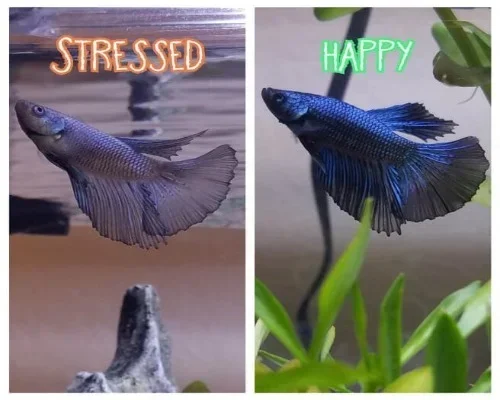
Betta fish are surprisingly expressive. Even a casual observer can notice when something’s wrong. Look for these red flags:

Visual guide about What Do You Do When Your Betta Fish Is Dying
Image source: cdn.inspireuplift.com
- Lethargy: The fish stays at the bottom, barely moves.
- Color loss: Bright blues, reds, or greens become dull.
- Clamped fins: Fins held close to the body indicate stress.
- Rapid or labored breathing: Gills moving fast or appearing “gasping.”
- White spots or fuzzy growth: Possible signs of fungus or ich.
- Loss of appetite: Refusing food for more than 24 hours.
If you notice any of these, it’s time to act fast. For a deeper dive on how to recognize a dying betta, check out How Do You Know If Your Betta Fish Is Dying.
Behavioral changes that matter
Betas are solitary and territorial, so a sudden change in aggression or hiding behavior can also hint at illness. A normally bold fish that suddenly hides under decorations is likely feeling vulnerable.
2. Testing and Fixing Water Quality
Why water is the biggest culprit
Most betta emergencies trace back to the water. Poor parameters stress the fish’s immune system, making it vulnerable to disease. Test for these key factors:

Visual guide about What Do You Do When Your Betta Fish Is Dying
Image source: thumbs.dreamstime.com
- Temperature: Keep between 76‑82 °F (24‑28 °C). Use a reliable heater.
- pH: Aim for 6.5‑7.5.
- Ammonia & nitrite: Both should read 0 ppm.
- Nitrate: Below 20 ppm is ideal.
If any value is out of range, perform a partial water change (25‑30%) with conditioned water. For step‑by‑step instructions, see How Do You Change A Betta Fish Water.
Conditioning the new water
Never add tap water directly. Use a water conditioner to neutralize chlorine and chloramines, and to add beneficial electrolytes. Let the water sit for at least 15 minutes after conditioning to reach the tank temperature.
3. Isolate and Treat – The Quarantine Method
Setting up a recovery tank
Moving the sick betta to a clean, smaller quarantine tank prevents spread of disease and lets you control conditions more precisely. Use a 2‑gal tank, a gentle heater, and a sponge filter to avoid strong currents.
Simple home remedies
For minor infections, a short bath in 2 % Epsom salt (magnesium sulfate) can reduce swelling and improve gill function. Dissolve 1 tsp of Epsom salt in a gallon of water, then place the betta for 5‑10 minutes.
When to use medication
If you see white spots (ich) or fuzzy growth (fungus), treat with a betta‑safe medication from a reputable pet store. Follow the label dosage exactly—over‑medicating can be fatal.
4. Feeding the Dying Betta Right
Why diet matters during illness
A stressed betta often won’t eat, but a light, digestible diet can provide essential energy. Offer high‑quality frozen or live foods like daphnia or brine shrimp, which are easy to digest and boost immunity.
Feeding schedule for a sick betta
Give a small amount (about the size of the fish’s eye) once or twice a day. If the fish refuses, try soaking the food in a little water to make it more aromatic.
When to stop feeding
If the betta stops eating for 48 hours and shows no improvement, it may be too weak to digest food. In that case, cease feeding and focus on water quality and comfort.
5. Knowing When to Say Goodbye
Signs that recovery isn’t possible
Even with perfect care, some conditions are irreversible. Look for these indicators:
- Severe, unresponsive bleeding.
- Extensive fungal growth covering most of the body.
- Complete loss of buoyancy with no response to water changes.
- Prolonged loss of appetite (more than 72 hours) combined with severe lethargy.
If you reach this point, consider a humane euthanasia method—placing the fish in a container with a buffered solution of clove oil (about 0.5 ml per liter) until it ceases movement. This is painless and recommended by many veterinarians.
How to cope emotionally
Losing a pet is real grief. Allow yourself to mourn, share memories with fellow hobbyists, and remember that you gave your betta the best possible care.
6. Preventing Future Crises
Routine tank maintenance
Regular water changes (20‑30 % weekly), cleaning the substrate, and monitoring temperature keep toxic spikes at bay. Set a calendar reminder to stay consistent.
Choosing the right setup
Betas thrive in a well‑planted tank with gentle water flow. Avoid small bowls and plastic liners. For a beginner-friendly list of supplies, see What Do You Need For A Betta Fish.
Health check routine
Every month, do a quick visual inspection: look for signs of disease, test water parameters, and note any behavior changes. Early detection is the most effective cure.
Conclusion: Acting Fast, Caring Deeply
Finding out that your betta fish is dying can feel like a nightmare, but you now have a clear action plan. Start by spotting the signs, test and correct water, isolate and treat, feed wisely, and know when it’s time to let go. With consistent care and a proactive mindset, you’ll dramatically reduce the chances of a future emergency and give your betta the healthiest life possible.
Frequently Asked Questions
How quickly should I act if I think my betta is dying?
Act within the first few hours. Early intervention—checking water, isolating the fish, and providing basic treatment—greatly improves survival odds.
Can a betta recover from a severe illness if the water is perfect?
Good water is essential, but some diseases (advanced fungal infections, organ failure) may not respond even to perfect conditions. Veterinary help may be needed.
Is a small tank the cause of most betta deaths?
Yes. Tiny bowls often lack filtration and temperature control, leading to rapid toxin buildup. A 2‑gal minimum tank with a heater is recommended.
What are the safest foods for a dying betta?
High‑quality frozen or live foods like daphnia, brine shrimp, or bloodworms (in tiny portions) are easy to digest and boost immunity.
Should I add a heater if my tank is already warm?
If the temperature consistently stays within 76‑82 °F, a heater isn’t necessary. Use a reliable thermometer to monitor daily.
When is it appropriate to consider euthanasia?
When the fish shows irreversible decline—severe bleeding, extensive fungus, or no response after 72 hours of proper care—humane euthanasia is the kindest option.