Nighttime sea fishing can unlock bigger bites and calmer waters, but it isn’t a one‑size‑fits‑all solution. Understanding fish behavior, tide cycles, and proper gear will help you decide if sea fishing is better at night for your favorite spots.
Key Takeaways
- Fish activity spikes after dark: Many pelagic species feed more aggressively at night.
- Water conditions improve: Cooler temperatures and reduced surface glare make fish easier to locate.
- Safety first: Proper lighting, navigation tools, and a buddy system are essential for night outings.
- Gear tweaks matter: Use low‑visibility lures, stronger lines, and consider braided over mono for night strength.
- Location matters: Inshore waters often calm at night, while offshore can stay choppy; choose wisely.
- Tide and moon phase: High tide and a bright moon boost night‑time catches.
- Practice makes perfect: Start with short trips and gradually extend as you gain confidence.
📑 Table of Contents
- Introduction: The Allure of the Dark Ocean
- 1. How Fish Behave When the Sun Goes Down
- 2. The Role of Tides, Moon, and Weather
- 3. Choosing the Right Spot: Inshore vs. Offshore
- 4. Gear Up for the Dark: Lures, Lines, and Lights
- 5. Safety First: Navigating the Night Sea
- 6. Putting It All Together: Planning Your First Night Trip
- Conclusion: Is Sea Fishing Better at Night?
Introduction: The Allure of the Dark Ocean
Imagine the gentle hush of waves, a sky full of stars, and the faint glow of your lantern cutting through the night. For many anglers, this scene isn’t just romantic—it’s the perfect setting for a successful fishing trip. The question that pops up again and again is simple: is sea fishing better at night?
Answering that question isn’t black‑and‑white. It depends on fish habits, weather, gear, and even your own comfort level. In this article we’ll break down the science, share practical tips, and help you decide whether you should pack your tackle box after sunset.
1. How Fish Behave When the Sun Goes Down
Feeding patterns of common sea species
Most predatory fish, such as mackerel, tuna, and amberjack, become more active after dark. They follow the vertical migration of smaller baitfish that rise toward the surface to feed on plankton. This creates a “food chain ladder” that night‑time anglers can exploit.
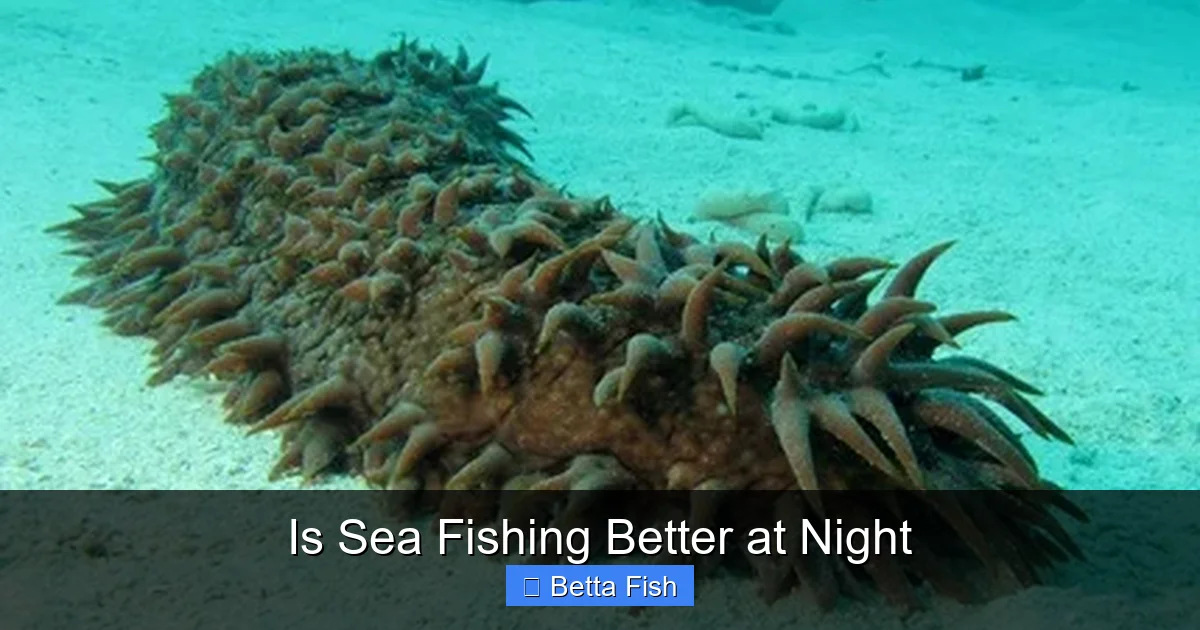
Visual guide about Is Sea Fishing Better at Night
Image source: 100040211.weebly.com
Why darkness can be an advantage
- Reduced visual stress: Many fish have excellent low‑light vision, letting them spot a flashing lure that a human eye might miss.
- Less competition: Fewer boats mean less pressure on the same schools, giving you a better chance to hook a bite.
- Cooler water: Nighttime temperatures often drop a few degrees, slowing fish metabolism and making them more likely to strike quickly.
2. The Role of Tides, Moon, and Weather
High tide vs. low tide
During high tide, water moves over deeper structures, bringing baitfish closer to shore. This is a prime time for inshore night fishing. Conversely, low tide can expose sandbars that concentrate fish, especially on offshore reefs. For a deeper dive into tide effects, read our guide on is high tide or low tide better for fishing.
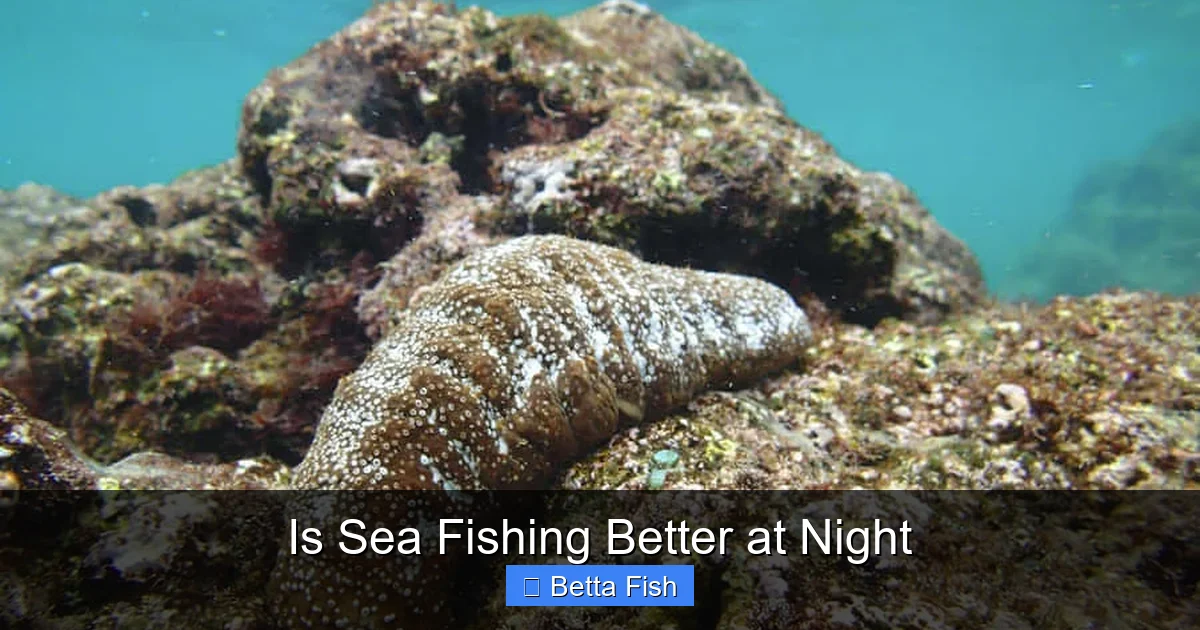
Visual guide about Is Sea Fishing Better at Night
Image source: wallpapers.com
Moon phases
A full or gibbous moon adds natural illumination, helping you see your line and the water surface while still keeping the fish in low‑light mode. New moons create the darkest conditions, which can be ideal for stealthy predators but harder for you to navigate.
3. Choosing the Right Spot: Inshore vs. Offshore
Inshore advantages at night
Coastal bays, estuaries, and near‑shore reefs tend to calm after sunset. The water’s surface is smoother, making it easier to detect subtle bites with a light rod tip. Species like snapper, grouper, and flounder often come in to feed on nocturnal crustaceans.
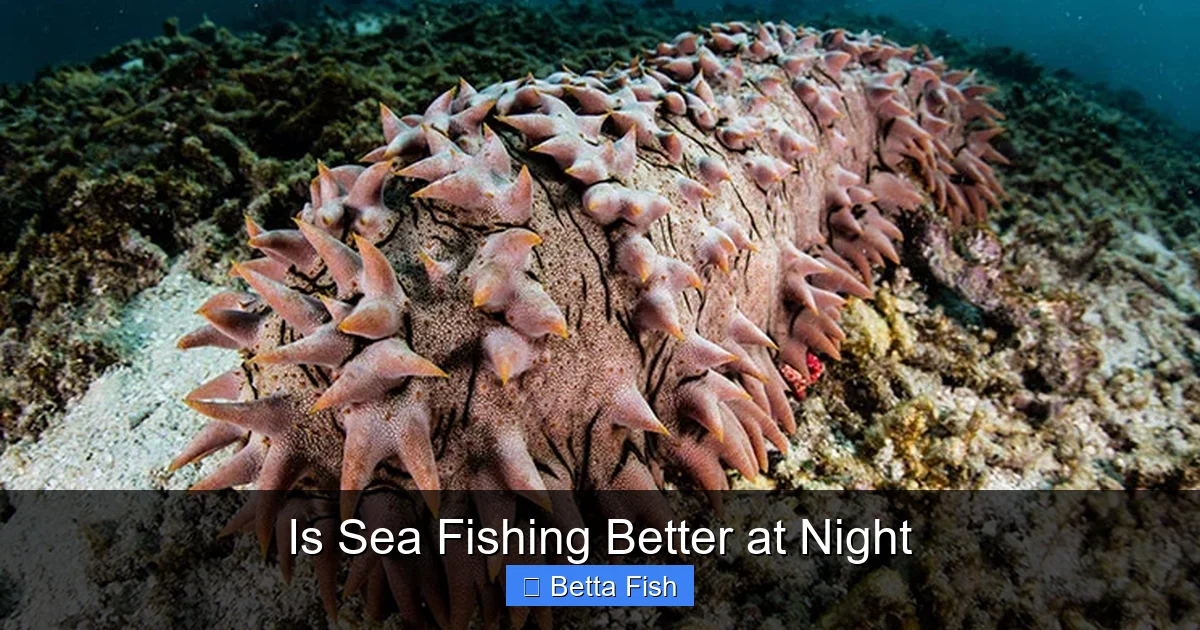
Visual guide about Is Sea Fishing Better at Night
Image source: nhm.ac.uk
Offshore considerations
Offshore waters can stay windy and rough, even at night. However, night‑time runs can bring you into the path of migrating tuna or swordfish that follow moonlit plankton blooms. If you’re planning a deep‑sea adventure, make sure your vessel is equipped with reliable navigation lights and a strong radar.
For a deeper comparison, see our article on which is better inshore or offshore fishing.
4. Gear Up for the Dark: Lures, Lines, and Lights
Lures that shine at night
- Glow‑in‑the‑dark soft plastics: These absorb light during the day and emit a soft glow after sunset.
- Metallic jigs with reflective skirts: The flash mimics a wounded baitfish, triggering predator strikes.
- Bioluminescent lures: Some brands embed tiny LEDs that pulse, imitating natural plankton.
Line selection: braided vs. mono
Night fishing often means fighting larger, stronger fish in low‑visibility conditions. Braided line offers higher sensitivity and less stretch, helping you feel a bite sooner. It also resists abrasion from sharp teeth. For a full breakdown, check out which is better braided or mono fishing line.
Lighting essentials
- Headlamp with red filter: Red light preserves night vision for both you and the fish.
- Deck lights on a swivel: Allows you to illuminate the water without blinding the fish.
- Glow sticks on the line: Helpful for tracking lures in choppy water.
5. Safety First: Navigating the Night Sea
Basic safety checklist
- Check weather forecasts and avoid storms.
- Carry a VHF radio, GPS, and a fully charged phone.
- Wear a personal flotation device (PFD) at all times.
- Inform someone on shore of your itinerary.
Tips for staying oriented
Use a compass or the GPS waypoints to mark your fishing spots. A simple “anchor‑and‑mark” routine—dropping a buoy with a reflective tape—helps you find the exact location when you return after a long night.
6. Putting It All Together: Planning Your First Night Trip
Step‑by‑step plan
- Pick a location: Start with a familiar inshore spot known for night‑time activity.
- Check tides and moon phase: Aim for a high tide around a gibbous moon.
- Gather gear: Braided line, glow lures, headlamp, and a small first‑aid kit.
- Set out early: Arrive before sunset to let the boat settle and to set up lights.
- Cast and observe: Use slow retrieves; watch for subtle line twists.
- Stay safe: Keep a watchful eye on the horizon for any sudden changes.
What to expect on your first night
You’ll likely feel a mix of excitement and caution. The first few casts may be quiet, but once the baitfish rise, you’ll notice a surge in activity. Keep your reel tension light, and be ready for sudden runs—night‑time fish can be surprisingly strong.
Conclusion: Is Sea Fishing Better at Night?
In short, yes, sea fishing can be better at night for many anglers, especially when targeting species that feed after dark and when you choose the right spot, tide, and gear. However, success hinges on preparation, safety, and a willingness to adapt to changing conditions. Start with short, well‑planned trips, and soon you’ll discover whether the night sea is your new favorite fishing playground.
Frequently Asked Questions
Is sea fishing always more productive at night?
Not always. Productivity depends on species, location, tide, and weather. Some fish are day‑feeders, while others hunt after dark.
Do I need special equipment for night fishing?
Basic gear includes a reliable light source, low‑visibility lures, and preferably braided line for better sensitivity. A headlamp with a red filter helps preserve night vision.
Can I fish at night in cold water?
Yes, but colder water can slow fish metabolism. Warm‑water species may be less active, so choose lures that create strong vibrations to attract them.
How does moonlight affect night fishing?
A bright moon adds natural illumination, making it easier for you to see the water while still keeping fish in a low‑light environment. New moons create darker conditions that some predators love.
Is night fishing safer than daytime?
It can be safer in terms of less boat traffic, but visibility is lower. Always use proper lighting, navigation tools, and a buddy system.
Should I use the same bait at night as during the day?
Night‑time bait should be more visible or emit light. Glow‑in‑the‑dark or bioluminescent lures work better than plain day‑time plastics.