Is It Better to Fish an Incoming or Outgoing Tide

Fishing at the right tide can turn an average outing into a trophy‑catch day. Generally, incoming tides bring bait‑rich water to shore, while outgoing tides pull fish toward deeper channels. Knowing when and where to cast can boost your bite rate dramatically.
Key Takeaways
- Incoming tide advantage: Brings nutrients and prey toward shore, increasing feeding activity.
- Outgoing tide advantage: Concentrates fish in deeper runs and channels, ideal for larger predators.
- Time of day matters: Early morning and late evening often amplify tide effects.
- Location is king: Structure, drop‑offs, and grass beds react differently to each tide.
- Gear tweaks: Adjust bait, lure depth, and retrieve speed to match water movement.
- Seasonal patterns: Spring and fall tides tend to be more pronounced for betta‑friendly habitats.
- Combine tactics: Mixing incoming and outgoing strategies can keep fish guessing and improve overall catch rates.
📑 Table of Contents
- Introduction: Why Tides Matter for Every Angler
- 1. The Science of Tides: What Really Happens Under the Surface
- 2. Incoming Tide: The Feeding Frenzy
- 3. Outgoing Tide: The Hunt for the Big Ones
- 4. Timing, Weather, and Seasonal Influences
- 5. Applying Tide Knowledge to Betta Fish Keeping
- 6. Crafting Your Personal Tide‑Based Fishing Plan
- Conclusion: Trust the Tide, Trust Your Instincts
Introduction: Why Tides Matter for Every Angler
If you’ve ever wondered why some fishing trips feel magical while others fall flat, the answer often lies in the tide. Tides are the ocean’s heartbeat, moving massive volumes of water in a predictable rhythm. For both shoreline anglers and betta hobbyists who keep a small “tidal” tank, understanding whether is it better to fish an incoming or outgoing tide can be the difference between an empty bucket and a brag‑worthy haul.
In this guide we’ll break down the science behind incoming (rising) and outgoing (falling) tides, explore how each phase affects fish behavior, and give you practical, step‑by‑step tips you can use tomorrow. We’ll also sprinkle in a few related reads—like Is It Better To Fish At Night and Is It Better To Fish In The Rain—so you can build a full‑season strategy.
1. The Science of Tides: What Really Happens Under the Surface
1.1 How Tides Form
Tides are created by the gravitational pull of the moon and the sun on Earth’s oceans. As the planet rotates, water bulges toward these bodies, creating a high tide on the side facing the moon and a corresponding low tide on the opposite side. This cycle repeats roughly every 12 hours and 25 minutes, giving us two high and two low tides each day.

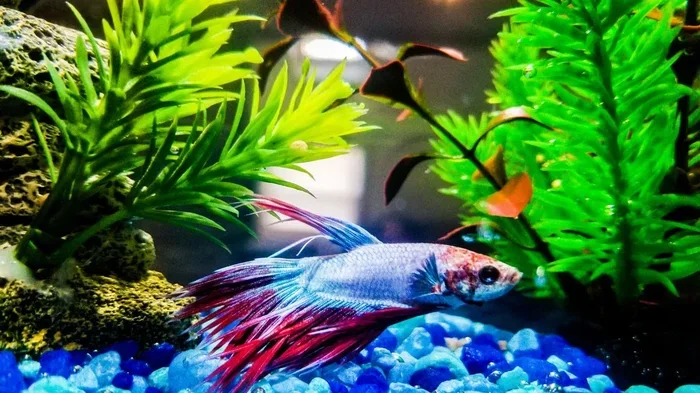
Visual guide about Is It Better to Fish an Incoming or Outgoing Tide
Image source: us.rule34.xxx
1.2 Water Movement and Nutrient Flow
When the tide rises (incoming), fresh, oxygen‑rich water pushes shoreward, dragging plankton, insects, and small baitfish into shallow habitats. Fish sense this bounty and move in to feed. Conversely, as the tide falls (outgoing), water drains back to deeper channels, often sweeping fish that were feeding near the surface into deeper pools where they can rest or hunt larger prey.
1.3 Temperature and Light Interplay
Temperature shifts are subtle but important. Incoming tides can bring cooler water, especially after a warm day, prompting fish to seek the comfort of shade and structure. Outgoing tides may warm slightly as water lingers in shallower areas, encouraging predatory fish to linger near cover where they can ambush.
2. Incoming Tide: The Feeding Frenzy
2.1 Who Shows Up?
During a rising tide, expect to see:

Visual guide about Is It Better to Fish an Incoming or Outgoing Tide
Image source: media.fan.art
- Surface feeders like mullet, anchovies, and juvenile bettas.
- Invertebrates (crabs, shrimp) that are pushed onto sandbars.
- Predators that follow the bait—larger bass, snook, and even pike in freshwater.
2.2 Best Locations for an Incoming Tide
Target areas where water can flow into a natural basin:
- Grass beds and mangroves: They trap drifting food, creating a buffet.
- Points and headlands: Water piles up, concentrating bait.
- Bridge pilings and docks: Structures create eddies that hold prey.
2.3 Gear and Tackle Tips
Because fish are actively feeding, use lighter lines (6‑10 lb test) and smaller hooks. Soft plastics, live shrimp, or a simple worm work wonders. Cast your lure just beyond the break‑line so it drifts naturally with the rising water.
2.4 Practical Example
Imagine a Saturday morning on a coastal pier. The tide is set to rise at 07:15 am. You arrive at 06:45 am, set up a 4‑weight jig with a piece of cut bait, and let the current carry it toward the pier’s far end. Within ten minutes, you feel a series of light tugs—those are the incoming‑tide feeders testing your offering. Reel in slowly, and you’re likely to land a nice-sized snapper.
3. Outgoing Tide: The Hunt for the Big Ones
3.1 Who Shows Up?
As water recedes, the scene shifts:

Visual guide about Is It Better to Fish an Incoming or Outgoing Tide
Image source: ohclary.com
- Predatory fish (largemouth bass, catfish, tarpon) move into deeper channels to ambush.
- Schooling fish consolidate in the remaining deeper pockets.
- Bottom dwellers (crappie, perch) settle on the newly exposed structures.
3.2 Prime Spots for a Falling Tide
Focus on places where water funnels:
- Riffles and creek mouths: Flow concentrates fish into tight corridors.
- Drop‑offs and ledges: Fish use the edge as a hunting platform.
- Sandbars that become isolated: Fish often linger to avoid being swept out.
3.3 Tackle Adjustments
Switch to heavier lines (10‑12 lb) and larger lures that can stay in the deeper water column as it drains. Topwater poppers work early in the fall, while deeper plugs and spinnerbaits excel later.
3.4 Practical Example
On a summer evening, the tide starts to ebb at 18:30 pm. You head to a known bass hotspot where a creek meets the lake. Using a 4‑weight swimbait, you cast across the creek mouth and let the lure sink to the bottom. As the water pulls back, the bass follow, and within minutes you hook a 3‑pound trophy.
4. Timing, Weather, and Seasonal Influences
4.1 Time of Day
Both tide phases are amplified during low‑light periods. Early morning and dusk see reduced visual stress for fish, making them more willing to chase lures. Pair an incoming tide with sunrise, or an outgoing tide with sunset, for optimal results.
4.2 Weather Interactions
Cloud cover, wind, and barometric pressure all affect how fish respond to tides. A cloudy day can mute the “feeding frenzy” of an incoming tide, while a windy offshore breeze can push fish toward shore during the outgoing phase. For a deeper dive, read Is It Better To Fish At Night to see how darkness interacts with tidal movement.
4.3 Seasonal Shifts
Spring and fall bring the most dramatic tidal swings, especially in temperate zones. In spring, fish are emerging from winter lethargy and aggressively seek food—perfect for incoming tides. In fall, larger predators bulk up for winter, making outgoing tides ideal for targeting trophy‑size catches.
5. Applying Tide Knowledge to Betta Fish Keeping
5.1 Mimicking Natural Tides in a Betta Tank
Although bettas live in still waters, recreating subtle “tidal” changes can stimulate natural hunting instincts. Use a programmable pump to create a gentle flow that rises and falls every few hours, mimicking an incoming and outgoing tide.
5.2 Feeding Strategies
During the “incoming” phase (pump on), offer smaller, frequent feedings to simulate abundant prey. During the “outgoing” phase (pump off), give a larger, protein‑rich meal to emulate a predator’s ambush.
5.3 Enrichment and Habitat
Place live plants, driftwood, and caves at varying depths. When the flow increases, fish will explore higher zones; when it decreases, they’ll retreat to lower hideouts, mirroring wild behavior.
6. Crafting Your Personal Tide‑Based Fishing Plan
6.1 Gather the Data
Start with a reliable tide chart (local NOAA or a smartphone app). Note the times of high and low tides for the upcoming week.
6.2 Map Your Spot
Draw a quick sketch of your favorite fishing location. Mark points, drop‑offs, grass beds, and any structures. Then, overlay the tide direction arrows to see where water will flow.
6.3 Choose Your Target Species
Decide if you’re after pan‑fish, bass, or something else. Match the species to the tide phase that best suits its feeding habits (see sections 2 and 3).
6.4 Set Your Gear
Prepare two kits: one for incoming tides (lighter line, softer baits) and one for outgoing tides (heavier line, deeper lures). Swap kits as the tide changes.
6.5 Review and Adjust
After each outing, jot down what worked and what didn’t. Over time you’ll notice patterns—like a particular sandbar that always produces bites on outgoing tides.
Conclusion: Trust the Tide, Trust Your Instincts
So, is it better to fish an incoming or outgoing tide? The short answer: it depends on what you’re after. Incoming tides excel for surface feeders and bait‑rich action, while outgoing tides favor larger predators and deeper runs. By learning the rhythm of the water, matching your gear, and picking the right spot, you’ll turn every tide into an opportunity.
Remember, tides are just one piece of the puzzle. Combine them with time‑of‑day knowledge, weather cues, and seasonal trends for a truly winning strategy. Happy fishing, and may your next cast land the catch you’ve been dreaming of!
Frequently Asked Questions
Is it better to fish an incoming tide for freshwater bettas?
Betta fish are not affected by ocean tides, but you can simulate a “rising” flow in a tank to encourage feeding. Gentle water movement during feeding mimics an incoming tide and can improve appetite.
Do predators prefer the outgoing tide?
Yes, many predatory species move toward deeper channels as water recedes, making the outgoing tide ideal for targeting larger game fish.
Can I fish both tide phases in one day?
Absolutely. Plan a morning session on the incoming tide for surface action, then switch to the outgoing tide in the afternoon for deeper hunters.
How does wind affect tide‑based fishing?
Offshore winds push water toward shore, enhancing the incoming tide’s feeding frenzy, while onshore winds can strengthen the outgoing flow, concentrating fish in channels.
Should I change bait when the tide switches?
Switching to a bait that matches the water movement helps. Use lighter, natural baits on a rising tide and heavier, scent‑rich baits on a falling tide.
Is there a best tide for night fishing?
Combining a dark sky with an incoming tide often yields the most active feeding, but many anglers prefer the outgoing tide at night for larger predators. See Is It Better To Fish At Night for more details.