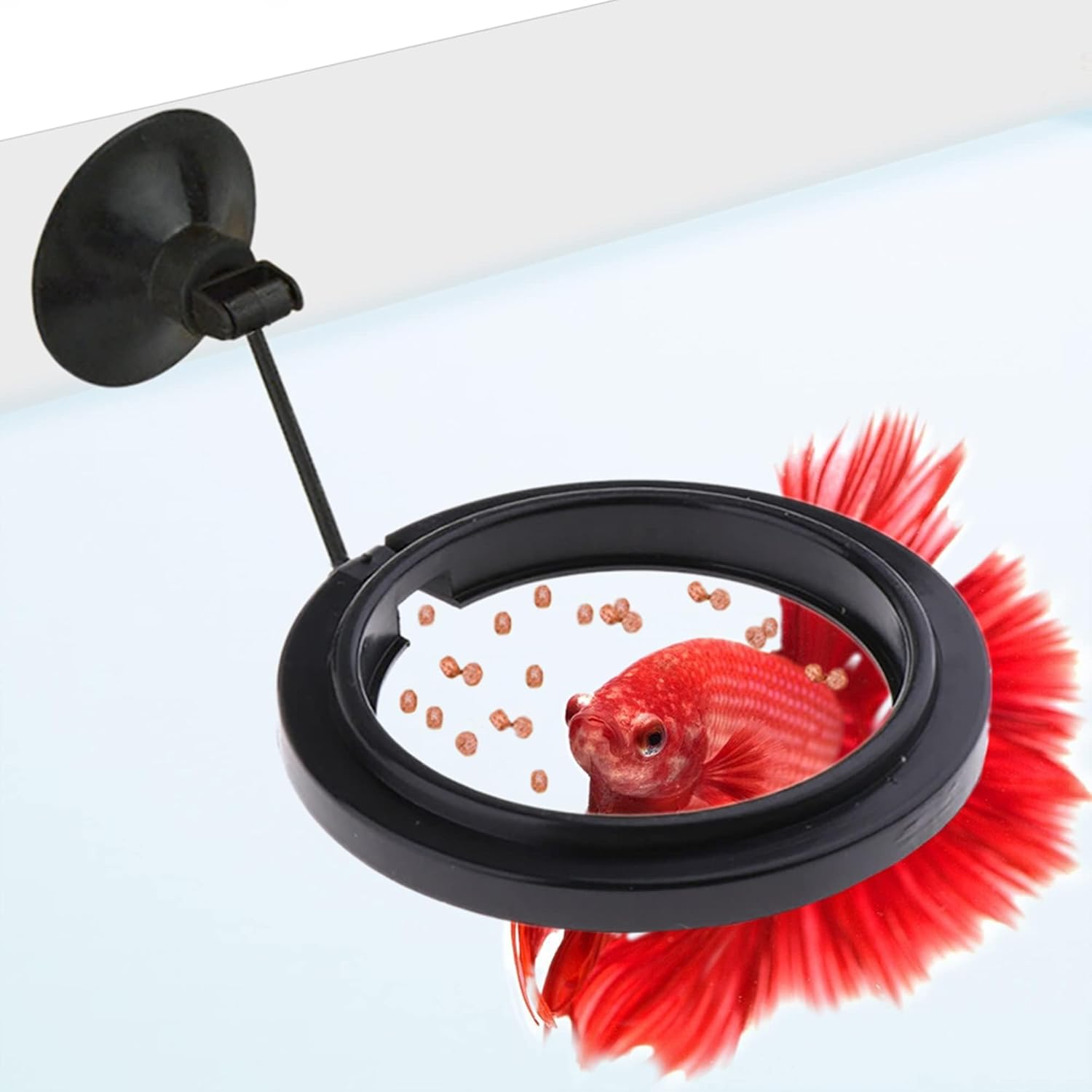
Eating fish can be kinder to the planet, but only when you choose sustainably‑caught or responsibly‑farmed species. Understanding the hidden carbon, water, and habitat costs helps you enjoy seafood without harming ecosystems.
Key Takeaways
- Not all fish are equal: Wild‑caught, line‑caught, and well‑managed aquaculture have far lower footprints than factory‑farmed species.
- Carbon emissions matter: Fishing vessels and feed production drive most greenhouse gases in the seafood chain.
- Water use is lower than beef: Most fish need far less freshwater, making them a water‑wise protein.
- By‑catch and habitat damage: Choose MSC‑certified or pole‑and‑line catches to protect non‑target species.
- Local matters: Eating regionally sourced fish reduces transport emissions.
- Balance with plant proteins: Mixing fish with legumes and nuts gives a resilient, low‑impact diet.
- Practical tip: Look for labels like “MSC,” “ASC,” or “line‑caught” when shopping.
📑 Table of Contents
Introduction: Why the Question Matters
When you hear the phrase “eat more fish,” it often sounds like a win‑win for health and the planet. After all, fish are lean, packed with omega‑3s, and many people assume they leave a smaller carbon footprint than beef or pork. But the reality is more nuanced. Not every fish on your plate comes from a sustainable source, and the way it’s caught or farmed can either protect or damage marine ecosystems.
In this article we’ll unpack the big picture: carbon emissions, water use, habitat impact, and the hidden costs of fish feed. We’ll also give you clear, actionable tips so you can answer the question “is eating fish better for the environment?” with confidence.
1. The Carbon Footprint of Seafood
Wild‑caught vs. farmed fish
Carbon emissions start the moment a fishing boat leaves port. Small, pole‑and‑line vessels emit as little as 0.1 kg CO₂ per kg of fish, while large trawlers can exceed 3 kg CO₂ per kg. Farmed fish add another layer: the energy needed to run pumps, aerators, and feed mills. However, many farmed species—especially those fed on plant‑based diets—have carbon footprints comparable to line‑caught salmon.
Visual guide about Is Eating Fish Better for the Environment
Image source: magicpic-p.cdn.bcebos.com
Feed production is a hidden hotspot
Fish feed often contains fishmeal and fish oil derived from wild forage fish. Producing these ingredients uses a lot of fuel and can create a “fish‑in‑fish‑out” ratio higher than 1:1, meaning more fish are harvested than end up on your plate. Choosing species that rely on plant proteins, such as tilapia or catfish, dramatically lowers this impact.
Practical tip
- Look for labels that specify “low‑impact feed” or “plant‑based feed.”
- Choose species like sardines, anchovies, or mackerel that are low on the food chain and require minimal feed.
2. Water Use: A Surprising Advantage
Comparing water footprints
Producing 1 kg of beef can require up to 15,000 liters of water, while most fish need less than 5,000 liters. The difference comes from the efficiency of aquatic environments: fish grow in water, so you don’t need to irrigate feed crops as intensively.

Visual guide about Is Eating Fish Better for the Environment
Image source: img95.699pic.com
Aquaculture and water recycling
Modern recirculating aquaculture systems (RAS) treat and reuse water, cutting fresh‑water demand by up to 90 %. These systems are especially common for freshwater species like trout and barramundi.
Practical tip
- When buying farmed fish, ask the retailer about the production method. “Recirculating” or “closed‑loop” farms are the most water‑wise.
3. Habitat Impact and By‑catch
Understanding by‑catch
Some fishing methods, like bottom trawling, drag heavy nets across the seabed, catching everything in their path—including turtles, sharks, and juvenile fish. By‑catch rates can exceed 20 % of the total catch, threatening biodiversity.
Visual guide about Is Eating Fish Better for the Environment
Image source: d1zvcmhypeawxj.cloudfront.net
Better methods: pole‑and‑line and selective gear
Pole‑and‑line fishing targets individual fish and virtually eliminates by‑catch. It’s the method used for most sustainably certified tuna and sardines. Similarly, long‑line gear with circle hooks reduces turtle mortality.
Internal link example
For more on choosing the right oil when you fry fish, see our guide on which oil is better for frying fish. The same principle of “selecting the right tool” applies to both cooking and catching.
Practical tip
- Buy fish bearing the MSC (Marine Stewardship Council) or ASC (Aquaculture Stewardship Council) logos. These certifications require low by‑catch and habitat protection.
4. The Role of Species Choice
Low‑trophic‑level fish are climate‑friendly
Fish that feed on plankton—like sardines, anchovies, and herring—convert sunlight into protein very efficiently. Their feed conversion ratio (FCR) is often below 1.5:1, meaning they need only 1.5 kg of feed to produce 1 kg of fish.
High‑trophic‑level fish need more resources
Predatory species such as tuna, salmon, and cod sit higher on the food chain. They require more feed, often derived from other fish, increasing the overall resource demand.
Comparing fish to other proteins
If you’re wondering whether fish beats chicken, check out our article on which is better for weight loss fish or chicken. It highlights that while chicken has a lower carbon footprint than beef, many small, oily fish still come out ahead in both carbon and water metrics.
Practical tip
- Make sardines, mackerel, or mussels a weekly staple. They’re affordable, nutritious, and among the most sustainable options.
5. Local and Seasonal Considerations
Transport emissions matter
Shipping fish across continents adds carbon emissions, especially when frozen or air‑freighted. Buying locally caught or farmed fish reduces these “food miles.”
Seasonality reduces pressure
When a species is out of season, illegal or unregulated fishing often spikes. Respecting seasonal windows helps populations recover.
Practical tip
- Visit your local fish market and ask the vendor about the catch date and location. Fresh, local fish is usually the most sustainable choice.
6. Balancing Fish with Plant‑Based Proteins
Why diversity helps the planet
Relying solely on fish can still strain certain stocks. Mixing in beans, lentils, and nuts spreads the demand and lowers overall environmental pressure.
Health synergy
Combining fish’s omega‑3s with the fiber and antioxidants from plant foods creates a heart‑healthy plate. For a deeper dive into omega‑3 alternatives, see which is better for omega 3 flaxseed or fish oil.
Practical tip
- Try a “fish‑plus‑legume” dinner: grilled salmon with a side of quinoa and roasted chickpeas.
Conclusion: Making an Informed Choice
So, is eating fish better for the environment? The answer is a qualified yes. When you select low‑trophic, line‑caught, or responsibly farmed species, you generally enjoy a lower carbon and water footprint than you would with most terrestrial meats. However, the benefits evaporate if you pick over‑fished stocks, high‑impact aquaculture, or fish that travel thousands of miles to your plate.
By paying attention to certifications, choosing locally sourced fish, and balancing your diet with plant proteins, you can turn seafood into a sustainable star on your dinner table. Remember: every mindful bite adds up, helping oceans stay healthy and the planet stay cool.
Frequently Asked Questions
Is fish really a low‑carbon protein compared to beef?
Yes. Most fish have a carbon footprint between 1–3 kg CO₂ per kg, whereas beef averages 27 kg CO₂ per kg. The exact number depends on the fishing method and species.
What does “line‑caught” mean and why is it better?
Line‑caught refers to fishing with hooks or lines rather than large nets. It targets individual fish, reduces by‑catch, and causes minimal damage to the seafloor.
Are farmed salmon sustainable?
Farmed salmon can be sustainable if the farm uses closed‑containment systems, low‑impact feed, and strict waste management. Look for ASC certification.
How can I tell if a fish is overfished?
Check the MSC website or look for “overfished” warnings on packaging. Species like bluefin tuna and certain cod stocks are often flagged.
Does buying frozen fish hurt the environment?
Freezing adds energy use, but if the fish is sustainably caught and shipped long distances, the overall impact may still be lower than eating locally raised beef.
Can I replace meat with fish and still get enough protein?
Absolutely. A 100‑gram serving of most fish provides 20‑25 grams of high‑quality protein, comparable to chicken or beef.