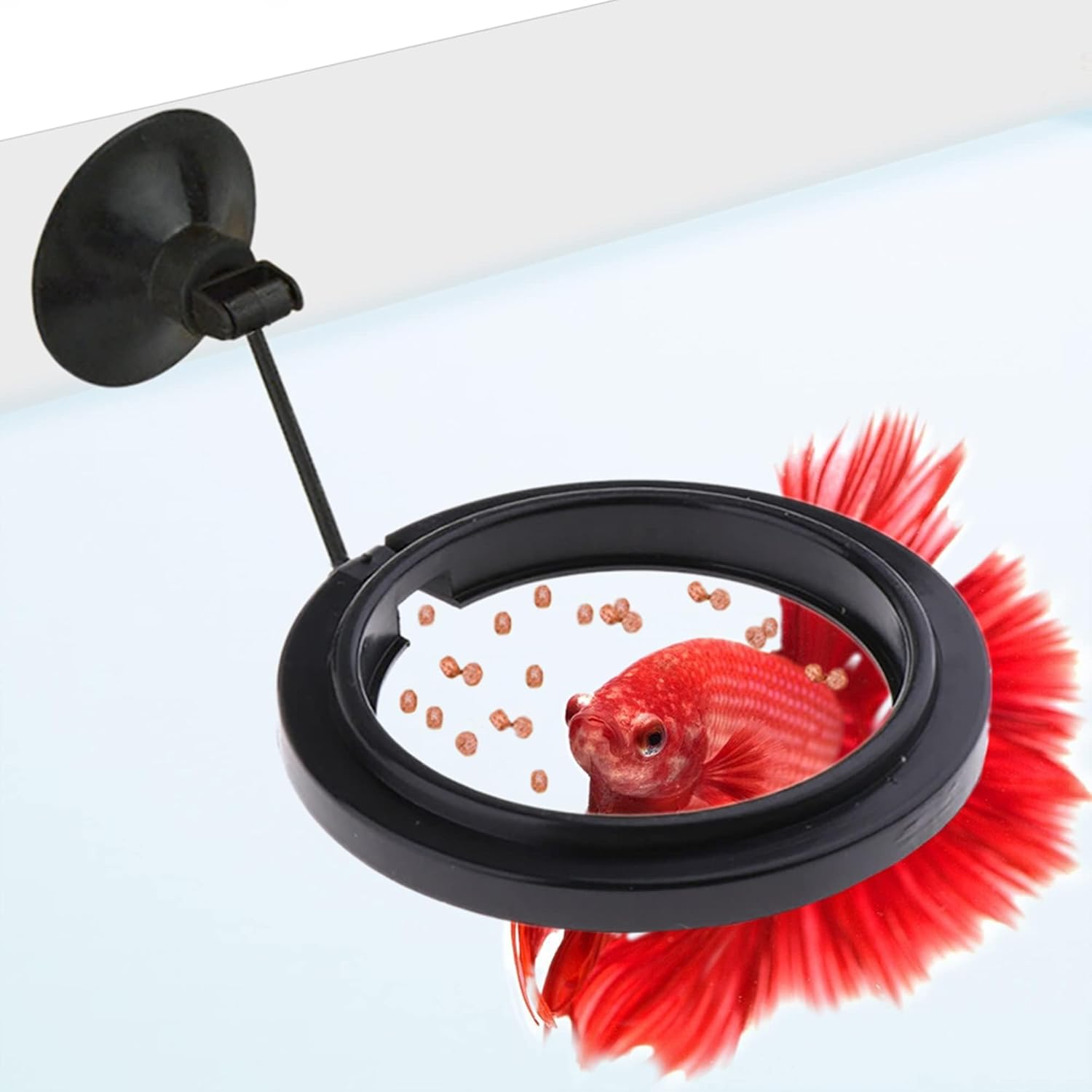
Capture the vivid colors and graceful fins of your betta fish with easy, budget‑friendly photography techniques. From lighting to composition, this guide walks you through every step so you can create gallery‑worthy images without being a professional photographer.
Key Takeaways
- Lighting matters most: Soft, diffused light brings out true colors and reduces reflections.
- Use the right gear: A macro lens or close‑up filter works wonders, but even a smartphone can succeed.
- Tank setup is key: Clean water, simple backgrounds, and proper décor help the fish stand out.
- Patience pays off: Let the betta settle, then shoot in short bursts to catch natural poses.
- Post‑processing enhances detail: Minor tweaks in exposure and white balance make the fins pop.
- Safety first: Never stress the fish; keep handling to a minimum.
- Share wisely: Optimize file size for web without losing quality to showcase your work.
📑 Table of Contents
Introduction: Why Photograph Betta Fish?
Betta fish are tiny works of art. Their flowing fins and electric colors make them perfect subjects for photography, whether you’re a hobbyist sharing on social media or a breeder building a portfolio. But capturing those shimmering scales isn’t as hard as you might think. With a few simple tricks, you can turn an ordinary tank into a studio and get pictures that look like they belong in a magazine.
In this guide we’ll walk through everything you need to know about how to photograph betta fish: the right equipment, lighting tricks, tank preparation, composition tips, and quick editing hacks. By the end, you’ll have a step‑by‑step plan that lets you snap stunning shots without stressing your finned friend.
1. Choosing the Right Gear
1.1 Camera Options: From DSLRs to Smartphones
You don’t need an expensive DSLR to master how to photograph betta fish. A modern smartphone with a good macro mode can capture impressive detail. If you have a DSLR or mirrorless camera, attach a macro lens (60mm‑100mm) for true close‑up power. A cheap close‑up filter (also called a diopter) can turn a regular lens into a macro lens.
Visual guide about How to Photograph Betta Fish
Image source: upload.wikimedia.org
1.2 Essential Accessories
- Tripod or stable surface: Keeps the camera steady for longer exposures.
- Remote shutter or timer: Reduces camera shake.
- Diffuser: A white sheet, frosted acrylic, or cheap photography dome softens harsh light.
- Polarizing filter (optional): Cuts glare on the water surface.
2. Mastering Lighting
2.1 Natural Light vs. Artificial Light
Natural daylight from a north‑facing window provides soft, even illumination. Position the tank so the light falls from the side, highlighting the fish’s profile. If daylight isn’t available, use a continuous LED panel with a diffuser. Avoid direct flash; it creates hot spots and scares the betta.
Visual guide about How to Photograph Betta Fish
Image source: static.mercdn.net
2.2 How to Diffuse Light
Place a white sheet or a piece of parchment paper between the light source and the tank. This spreads the light and reduces reflections on the water surface. For tighter spaces, a small softbox or a DIY diffusion box made from a cardboard box and tracing paper works wonders.
2.3 Controlling Reflections
Reflections can ruin a shot. Angle the camera slightly above the water line and tilt the tank to a shallow angle (about 30°). Using a polarizing filter on the lens can also help cut down glare.
3. Preparing the Tank for a Photo Shoot
3.1 Clean Water and Clear Glass
First things first: a spotless tank equals a clear image. Perform a partial water change a day before the shoot and wipe the glass inside and out with an algae scraper. A clean environment also keeps the betta healthy, which is essential when learning how to photograph betta fish responsibly.
Visual guide about How to Photograph Betta Fish
Image source: miro.medium.com
3.2 Simple, Contrast‑Rich Backgrounds
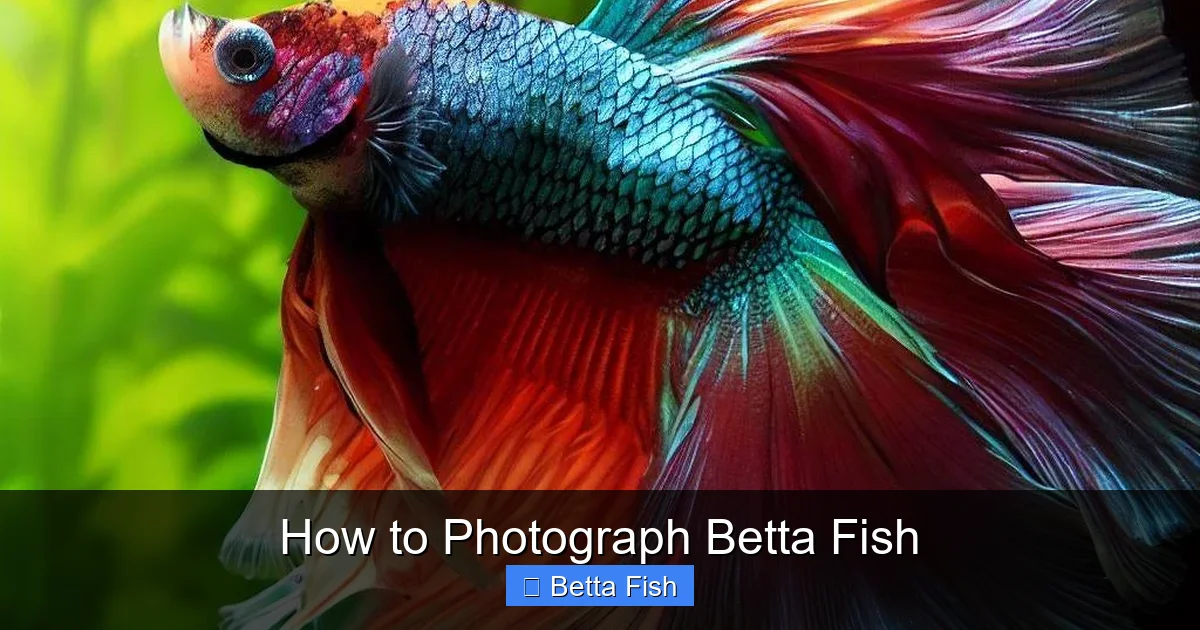
Choose a background that makes the fish pop. Plain black or white poster board works well. You can also use colored cardstock that complements the betta’s hue—blue for reds, orange for blues, etc. Avoid busy décor; it distracts from the subject.
3.3 Adding Safe Décor
Live plants or silk leaves add depth, but keep them minimal. Too many objects create visual clutter and increase the chance the betta will hide. A single piece of smooth driftwood or a small cave can give the fish a place to rest while you wait for the perfect pose.
3.4 Temperature and Comfort
Maintain the water temperature between 78‑80°F (25‑27°C). A comfortable betta swims more naturally, giving you better action shots. If you’re not sure how to set up a proper environment, check out our article on how to set up betta fish tank for detailed guidance.
4. Shooting Techniques
4.1 Positioning the Camera
Place the camera at eye level with the fish, typically 12‑18 inches above the water. Use the rule of thirds: imagine a 3×3 grid and position the betta’s head on an intersection point for a balanced composition.
4.2 Focus and Aperture Settings
Set your lens to manual focus and focus on the betta’s eyes—their eyes are the sharpest point. A wide aperture (f/2.8‑f/4) creates a shallow depth of field, blurring the background and emphasizing the fins. If you want more of the fish in focus, stop down to f/8‑f/11.
4.3 Shutter Speed and ISO
Because fish move quickly, aim for a shutter speed of 1/200 s or faster. If lighting is low, raise the ISO slightly (400‑800) but keep it low enough to avoid grain. Modern cameras handle higher ISO well, so experiment until you find a clean look.
4.4 Capturing Natural Behavior
Patience is key when learning how to photograph betta fish. Let the fish explore the tank for a few minutes before you start shooting. Use a low burst mode (3‑5 frames) to capture sudden fin displays or bubble nests. Reward the betta with a small treat (like a frozen bloodworm) to encourage it to come forward.
5. Post‑Processing Tips
5.1 Basic Adjustments
Import your RAW files into a free editor like Lightroom or a phone app such as Snapseed. Adjust exposure, contrast, and white balance to bring out the true colors. Betta fish often appear slightly blue‑green under artificial light; a warm temperature shift can correct this.
5.2 Enhancing Fins and Scales
Use the clarity or texture slider sparingly to sharpen the fin edges without creating halos. A subtle vignette can draw the eye toward the fish.
5.3 Cropping and Exporting
Crop to a 4:5 or 1:1 aspect ratio for Instagram-friendly posts. Export at 72 dpi for web use and 300 dpi for prints. Keep the file size under 2 MB to ensure fast loading on blogs.
6. Sharing and Caring for Your Betta
6.1 Ethical Photography
Never stress the fish for a shot. If the betta shows signs of fatigue—dull colors, erratic swimming—stop the session and let it rest. Healthy fish produce better images and live longer.
6.2 Building a Portfolio
Document the growth of your betta over weeks. A series of photos showing color changes or fin development tells a story and engages viewers. Pair your images with helpful articles like how to keep a betta fish alive to provide value to your audience.
6.3 Using Photos for Health Checks
Regular photos help you spot health issues early. Look for faded colors, torn fins, or bloating. If something seems off, consult a guide on how to tell if your betta fish is happy to assess its wellbeing.
Conclusion
Learning how to photograph betta fish is a rewarding blend of art and care. By choosing the right gear, mastering soft lighting, preparing a clean and simple tank, and using gentle shooting techniques, you’ll capture the vivid beauty of these little champions. Remember, the best photos come when the fish feels safe and relaxed. Keep experimenting, stay patient, and let the natural drama of your betta’s fins do the rest. Happy shooting!
Frequently Asked Questions
What camera settings work best for betta fish?
Use a wide aperture (f/2.8‑f/4), a fast shutter speed (1/200 s or quicker), and ISO 400‑800 in low light. Focus on the eyes and shoot in burst mode to catch quick movements.
Can I photograph betta fish with a phone?
Yes! Use the phone’s macro or close‑up mode, enable a timer or remote shutter, and make sure the lighting is soft and diffused. A steady hand or a small tripod helps keep the image sharp.
How do I reduce reflections on the water surface?
Angle the camera slightly above the tank, use a polarizing filter if you have one, and diffuse the light source with a white sheet or softbox. Keeping the tank at a shallow angle also helps.
What background color should I use?
Neutral black or white works for most colors. For extra pop, choose a background that contrasts with the betta’s hue—blue for reds, orange for blues, and so on.
How often should I clean the tank before a photo shoot?
Do a partial water change and wipe the glass a day before shooting. This ensures clear water and a spotless view, which is essential for sharp photos.
Is it okay to use flash?
Generally avoid flash, as it can startle the fish and cause harsh reflections. Soft, continuous lighting with a diffuser gives better, more natural results.