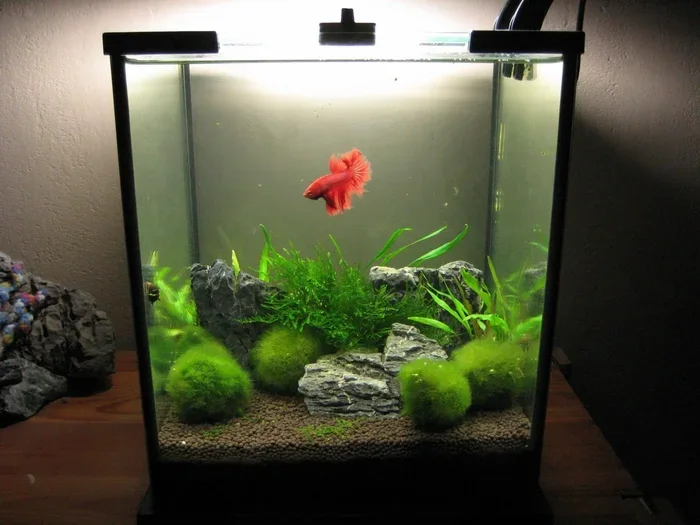
How Much Is Betta Fish Food
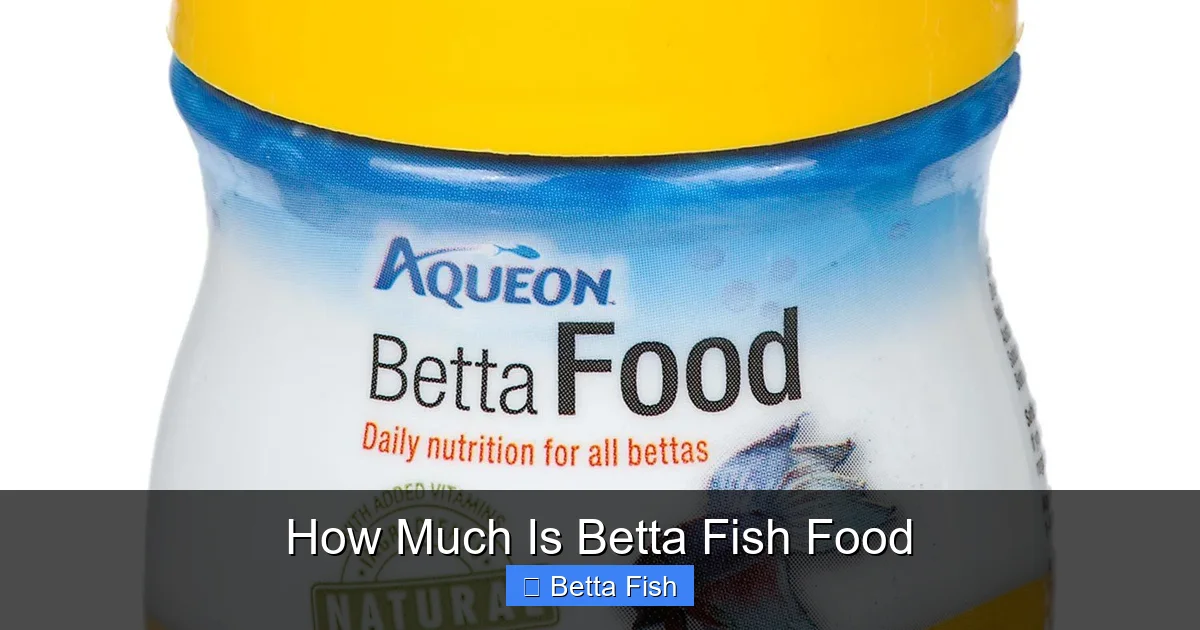
Betta fish food prices vary widely, but knowing what to look for can save you money and keep your fish thriving. This guide breaks down costs, buying tips, and feeding basics so you can make smart choices for your vibrant pet.
Key Takeaways
- Average price range: Most quality betta foods cost $5‑$15 per 50‑gram bag.
- Bulk buying saves: Purchasing larger packs or multi‑packs can cut the per‑gram cost by up to 30%.
- Food type matters: Pellets, frozen, and live foods have different price points and nutritional benefits.
- Don’t overfeed: Proper portion control prevents waste and reduces how often you need to restock.
- Watch for sales: Seasonal discounts and coupon codes can lower costs dramatically.
- Quality over price: Cheaper foods often lack essential nutrients, leading to health problems.
- Storage is key: Keeping food airtight extends shelf life and protects your investment.
📑 Table of Contents
Introduction: Why the Cost of Betta Fish Food Matters
When you first bring home a betta, the excitement is real—bright colors, flowing fins, and that playful personality. But just as you budget for the tank, the heater, and decorations, you also need to plan for food. The question “how much is betta fish food?” pops up for almost every new owner.
Getting a clear picture of the price landscape helps you avoid cheap, nutritionally‑poor options that can lead to sick fish, while also steering clear of overpriced brands that offer little extra benefit. In the next sections we’ll explore the price spectrum, compare food types, and share smart shopping tricks that keep both your wallet and your betta smiling.
1. Understanding the Price Spectrum
Typical price ranges
Quality betta fish food generally falls into three price bands:
- Budget ($5‑$8 per 50 g bag): Often basic pellet formulas with minimal protein.
- Mid‑range ($9‑$13 per 50 g bag): Better protein sources, added vitamins, and often a mix of pellets and occasional freeze‑dried treats.
- Premium ($14‑$20+ per 50 g bag): High‑grade ingredients, live or frozen foods, and specialized formulas for color enhancement or breeding.
These numbers are averages across online retailers and pet‑store chains. Prices can shift based on brand reputation, ingredient sourcing, and whether the product is sold in a single bag or a multi‑pack.
What influences cost?
Several factors drive the price tag:
- Protein source: Real fish or shrimp meals cost more than plant‑based proteins.
- Processing method: Freeze‑drying retains nutrients but raises production costs.
- Packaging: Airtight, resealable bags add a small premium but protect the food.
- Brand reputation: Established brands invest in research and quality control, which is reflected in the price.
2. Types of Betta Food and Their Costs
Pellets – the staple
Pellets are the most common betta food and usually the most cost‑effective. A 50 g bag of good‑quality pellets runs $9‑$12. Look for “high protein (≥ 40 %)” and “no fillers” on the label.
Visual guide about How Much Is Betta Fish Food
Image source: auctions.c.yimg.jp
Frozen and Live Foods – the treat
Frozen brine shrimp, bloodworms, or daphnia provide a protein boost and are often used for conditioning breeding fish. A 100 g bag of frozen brine shrimp typically costs $6‑$9, while a small container of live daphnia can be $5‑$7.
Gel Foods – the modern option
Gel foods are a newer entry, offering a mess‑free way to deliver nutrients. A 30 g gel pack averages $8‑$10. They’re convenient but may require a separate gel‑maker, adding to the overall expense.
Comparing cost per serving
Assume a betta eats about 0.2 g of food per feeding, twice daily (≈ 0.4 g/day). A 50 g pellet bag lasts roughly 125 days, costing about $0.08 per day at $10 per bag. Frozen foods, used as occasional treats, might cost $0.12‑$0.15 per day when factored in the smaller serving size.
3. How Much Should You Actually Spend?
Monthly budgeting
Most betta owners spend $5‑$15 per month on food, depending on how often they supplement pellets with frozen treats. A simple budget could look like this:
- Pellets: $10 for a 50 g bag (covers 4 months)
- Frozen treats: $7 for a 100 g bag (used once a week)
- Total monthly cost: ≈ $4.25
Saving with bulk purchases
Buying a 200 g bag of pellets (often $22‑$25) reduces the per‑gram cost by about 25% compared to buying four 50 g bags separately. Many online retailers also offer “subscribe & save” programs that cut another 5‑10%.
Internal link example
For more details on feeding frequency, see our guide on how much food to feed betta fish. It explains why two small meals a day are ideal for most healthy adults.
4. Smart Shopping Tips
Read the label
High‑quality betta food lists the protein source first (e.g., “whole shrimp meal”). Avoid products that hide fillers like “wheat gluten” or “soy protein isolate.”
Watch for sales and coupons
Pet store chains run weekly promotions, especially around holidays. Sign up for newsletters to receive digital coupons that can shave $2‑$4 off a 50 g bag.
Consider multi‑pack deals
Many retailers bundle three 50 g bags for $25‑$27. This is cheaper than buying three single bags at $10 each.
Check expiration dates
Even high‑grade foods lose potency after a year. Buying a large bag that’s close to its sell‑by date may seem cheap, but you could end up throwing away stale food.
Internal link example
Need help choosing the right brand? Our article on which food is best for betta fish breaks down top performers by ingredient quality and price.
5. Feeding Practices That Keep Costs Low
Portion control
Overfeeding not only wastes food but can cause health issues that lead to extra vet visits. Use a tiny spoon or a calibrated pipette to measure 0.2 g per feeding.
Rotate protein sources
Switching between pellets, frozen, and occasional live foods prevents boredom and reduces the need for expensive specialty formulas.
DIY enrichment
Betta fish love to hunt. Adding a few pieces of blanched peas or a small amount of finely chopped spinach can stretch your food budget while providing fiber.
Internal link example
If you notice your betta turning away from food, read our post on why betta fish is not eating food to troubleshoot appetite issues before buying more.
6. When to Splurge and When to Save
Invest in breeding or show fish
Breeding bettas or preparing a fish for a show often justifies premium formulas rich in color‑enhancing carotenoids. A $20 bag can be worth it if it improves fry survival or competition scores.
Everyday maintenance
For a healthy, non‑breeding pet, a reliable mid‑range pellet brand paired with occasional frozen treats is more than sufficient. Save your premium dollars for special occasions.
Conclusion
Knowing “how much is betta fish food?” isn’t just about the sticker price; it’s about balancing cost, nutrition, and convenience. By understanding price ranges, selecting the right food type, and practicing smart feeding habits, you can keep your betta thriving without breaking the bank. Remember to check for sales, buy in bulk when feasible, and always prioritize quality—your fish’s health is the best long‑term investment you can make.
Frequently Asked Questions
How often should I feed my betta fish?
Two small meals per day are ideal for most adult bettas. This helps maintain a healthy metabolism and prevents overfeeding.
Can I feed my betta only pellets?
Yes, high‑quality pellets can meet all nutritional needs, but occasional treats like frozen brine shrimp add variety and extra protein.
What’s the cheapest way to buy betta food?
Look for multi‑pack deals or bulk 200 g bags, and use store coupons or subscribe‑and‑save programs to cut the per‑gram cost.
How long does betta fish food stay fresh?
When stored in an airtight container away from light and moisture, most dry foods stay fresh for up to a year.
Is it worth buying live food for a betta?
Live foods are nutritious and stimulate natural hunting behavior, but they’re more expensive and require proper storage. Use them sparingly for conditioning or breeding.
What should I do if my betta stops eating?
First, check water quality and temperature. If conditions are good, try offering a different food type or slightly warmer water to stimulate appetite.