Why My Betta Fish Died

Finding out why your betta died can feel heartbreaking, but the cause is often simple and fixable. By checking water quality, diet, tank setup, and health signs, you can protect future fish and enjoy a thriving aquarium.
Key Takeaways
- Water quality is king: Bad parameters kill bettas faster than anything else.
- Over‑feeding hurts: Too much food clouds water and blocks the gut.
- Improper tank size & décor: Small, unfiltered bowls stress bettas and invite disease.
- Watch for warning signs: Fading colors, white spots, and loss of appetite signal trouble.
- Preventable diseases: Bacterial, fungal, and ich infections thrive in dirty water.
- Quick action saves lives: Early treatment and water changes can reverse many problems.
- Learn from each loss: Keeping a simple log helps you spot patterns and avoid repeat mistakes.
📑 Table of Contents
Introduction
Finding a beautiful betta swimming proudly in a tiny bowl feels rewarding, but losing that fish can be a gut‑punch. Most owners ask themselves, “why my betta fish died?” The answer is rarely a mystery. More often, it’s a combination of water, food, and environment that went off‑track.
This guide walks you through the most common culprits, how to spot early warning signs, and practical steps you can take right now to keep your next betta thriving. Think of it as a friendly chat over a cup of tea—simple language, real examples, and no jargon.
1. Water Quality – The Silent Killer
What the numbers should look like
Betta fish are native to slow‑moving, warm waters of Southeast Asia. In the wild, the water is soft, slightly acidic, and well‑oxygenated. In a home tank, aim for:
- Temperature: 76‑82°F (24‑28°C)
- pH: 6.5‑7.5
- Ammonia: 0 ppm
- Nitrite: 0 ppm
- Nitrate: < 20 ppm (ideally < 10 ppm)
Even a small spike in ammonia can cause the dreaded “why my betta fish died” moment. Ammonia irritates gills, reduces oxygen uptake, and leads to rapid death.
How to test and maintain
Invest in a reliable liquid test kit. Test weekly for the first month, then every two weeks. Perform a 25‑30 % water change if any parameter is out of range. Use a sponge filter or a hang‑on power filter to keep the water moving and biologically clean.
Real‑world example
Jenny kept her betta in a 2‑gallon bowl with no filter. After two weeks, the water turned cloudy and her fish stopped moving. A quick test showed 0.5 ppm ammonia. After a 50 % water change and adding a small filter, her new betta thrived—proving that water quality is often the root of why my betta fish died.
2. Diet and Feeding Mistakes
How much is too much?
Betta pellets are formulated for their carnivorous diet. Feed 2‑3 pellets once or twice a day, only what the fish can eat in two minutes. Over‑feeding leads to uneaten food sinking, decomposing, and raising ammonia levels.
Choosing the right food
High‑quality betta pellets, occasional frozen or live brine shrimp, and a small portion of daphnia provide variety. Avoid flake foods meant for community fish—they’re too fine and can clog the gills.
Link to related issue
If you notice your betta spitting out food, read Why Did My Betta Fish Spit Out His Food for troubleshooting tips.
3. Tank Size, Setup, and Decor
Why a 5‑gallon tank is a game‑changer
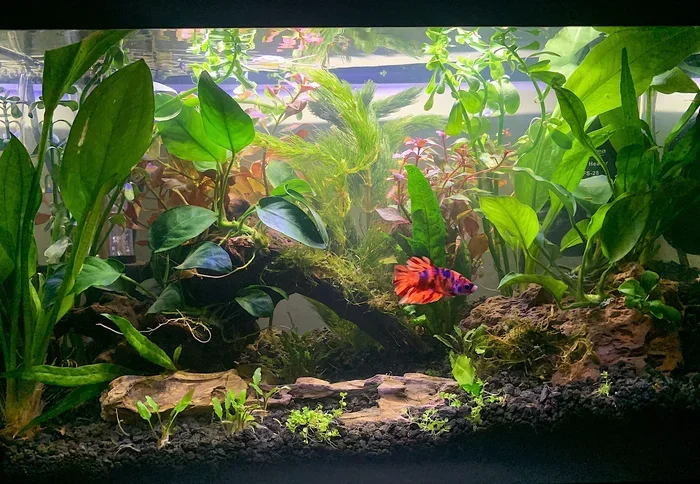
Betta fish need space to swim and a stable environment. A 5‑gallon (or larger) tank with a lid provides enough water volume to dilute toxins and maintain temperature.
Safe décor and plants
Use silk or live plants, smooth rocks, and avoid sharp ornaments that can tear delicate fins. Live plants help absorb nitrates and provide hiding spots, reducing stress.
Common pitfalls
- Using a small bowl with no heater – temperature swings kill bettas.
- Placing the tank near direct sunlight – encourages algae and temperature spikes.
- Covering the tank with a loose lid – bettas love to jump; a secure lid prevents escapes.
4. Recognizing Early Warning Signs
Color changes and white spots
Fading colors or a white “powder” on the body often indicate stress or disease. For a deeper dive, see Why Did My Betta Fish Turn White.
Loss of appetite
If your betta refuses food for 24‑48 hours, it could be a sign of internal infection or poor water conditions. Check the water first; then consider a gentle fasting period before offering a small amount of high‑protein live food.
Fin rot and tail loss
Frayed or shredded fins are classic signs of bacterial infection. Treat with a broad‑spectrum antibiotic and improve water quality immediately.
5. Common Diseases That Lead to Death
Ich (White Spot Disease)
Tiny white dots that look like salt grains appear on the body and fins. The parasite multiplies quickly; a temperature rise to 82°F and a medication bath can save the fish if caught early.
Velvet (Oodinium)
Causes a gold‑dust coating and rapid breathing. Treat with copper‑based medication and increase water changes.
Bacterial infections
Often follow injuries or poor water. Symptoms include red streaks, swelling, and foul odor. Use a betta‑safe antibiotic and quarantine the fish.
Link to rapid death article
For a quick look at how fast a betta can die from these issues, read Why Did My Betta Fish Die So Fast.
6. Prevention Checklist – Keep Your Next Betta Alive
Daily routine
- Check temperature with a reliable thermometer.
- Observe behavior for any odd swimming or loss of color.
- Remove uneaten food after 5‑10 minutes.
Weekly routine
- Test water parameters.
- Perform a 20‑30 % water change.
- Trim dead plant leaves.
Monthly routine
- Deep clean the tank (gravel vacuum, filter rinse).
- Replace filter media as recommended.
- Inspect décor for sharp edges.
Emergency actions
If you suspect a problem, act fast: isolate the betta in a hospital tank, raise temperature to 82°F, and start a medication dose according to the product label.
Conclusion
Understanding why my betta fish died often comes down to three core areas: clean water, proper feeding, and a suitable environment. By monitoring these factors daily, you’ll catch issues before they become fatal. Remember, each loss is a learning opportunity—keep a simple log of water tests, feeding amounts, and any odd behavior. With these habits, your next betta will live a long, vibrant life, and you’ll enjoy the colorful companionship they’re famous for.
Frequently Asked Questions
Why did my betta fish turn white before it died?
White patches often signal stress, poor water quality, or a fungal infection. Check ammonia levels and improve filtration immediately.
What should I do if my betta stops making a bubble nest?
A missing bubble nest can mean the fish is ill or stressed. Verify water parameters, ensure a stable temperature, and look for signs of disease.
How quickly can a betta die from bad water?
In severe ammonia spikes, a betta can die within a few hours. Regular testing and partial water changes are essential to prevent this.
Can over‑feeding cause my betta to die?
Yes. Excess food decomposes, raising ammonia and nitrate levels, which can quickly become lethal.
Why is my betta floating sideways?
Swim‑bladder issues, often caused by constipation or infection, lead to sideways floating. Adjust diet and consider a gentle fasting period.
Is it safe to keep a betta with other fish?
Betas are territorial. If you want tank mates, choose peaceful, non‑fin‑nipping species and provide plenty of hiding spots.