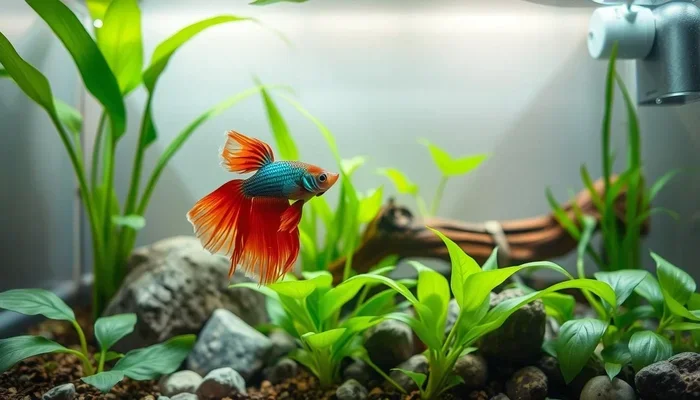
How Do Betta Fish Breathe Air

Betta fish breathe air using a special organ called the labyrinth, which lets them pull oxygen directly from the water’s surface. Unlike most fish, bettas must access the surface regularly to survive. Understanding how do betta fish breathe air helps you create a healthier tank environment and spot warning signs early.
Betta fish are some of the most fascinating creatures in the aquarium world. Their vibrant colors, flowing fins, and unique behaviors make them a favorite among fish keepers. But one question that comes up again and again is how do betta fish breathe air. The answer lies in a remarkable organ that sets bettas apart from most other fish species.
If you own a betta or are thinking about getting one, understanding their breathing process is essential. It affects everything from tank setup to feeding schedules to overall health. This guide breaks it all down in simple, easy-to-follow terms.
## The Unique Breathing System of Betta Fish
Betta fish belong to a group called anabantoids, which means they have a special breathing adaptation. Most fish rely solely on their gills to extract oxygen from water. Bettas, however, have something extra — the labyrinth organ.
### What Is the Labyrinth Organ?
The labyrinth organ is a complex structure located near the gills. It works like a primitive lung. When a betta gulps air from the surface, the oxygen passes through this organ and enters the bloodstream. This process is called labyrinth breathing, and it is what makes bettas so special.
Without this organ, bettas would not survive in warm, still waters where dissolved oxygen is low. Their ability to breathe air gives them a huge advantage in their natural habitats.
### How Does It Work in Practice?
Here is what happens step by step. First, your betta rises to the surface. Then, it takes a quick gulp of air. The air is held in the labyrinth organ, where oxygen is absorbed into the blood. The carbon dioxide is released back into the water through the gills. This whole process happens in just a few seconds.
You might notice your betta doing this several times a day. It is completely normal and healthy. In fact, a betta that never comes up for air could be in trouble.
## Do Betta Fish Have to Breathe Air?
The short answer is yes. Betta fish must breathe air to survive. While they can extract some oxygen from water through their gills, they cannot rely on that alone. Over time, lack of access to surface air can cause serious health problems or even death.
### Why Do They Need Air?
Betta fish evolved in warm, shallow waters like rice paddies, slow-moving streams, and floodplains in Southeast Asia. These environments often have low levels of dissolved oxygen. The labyrinth organ allows bettas to thrive in conditions where other fish would struggle.
So when you ask yourself, do betta fish have to breathe air, the answer is a clear yes. It is not optional — it is a biological necessity.
### What Happens If They Cannot Reach the Surface?
If a betta is kept in a tank with a tight-fitting lid or low water level, it may struggle to reach the surface. This can lead to oxygen deprivation. Signs of this include rapid gill movement, staying near the bottom, or lethargy. Always make sure your betta has easy access to the water’s surface.
Tip: Leave a small gap between the water and the tank lid, or use a lid with openings. This allows your betta to breathe freely.
## How Do Betta Fish Breathe Through Their Gills?
While the labyrinth organ gets most of the attention, bettas also use their gills for underwater breathing. Understanding both systems gives you a complete picture of betta respiration.
### Gills vs. Labyrinth Organ
The gills extract dissolved oxygen from water. This works well when water oxygen levels are high. However, warm water holds less oxygen than cool water. In hot climates or poorly maintained tanks, gill breathing alone may not be enough. That is where the labyrinth organ steps in as a backup system.
Here is a quick comparison:
- Gills: Extract oxygen from water. Work best in cool, well-oxygenated water.
- Labyrinth Organ: Extracts oxygen from gulped air. Works in warm, low-oxygen environments.
Together, these two systems give bettas incredible adaptability. This is why they can survive in small bowls and large tanks alike.
### Do All Betta Fish Use Their Labyrinth Organ the Same Way?
Most bettas rely heavily on their labyrinth organ, but some may use it more than others. Factors like water temperature, tank size, and water quality all play a role. In a well-oxygenated tank with cool water, your betta may not need to visit the surface as often. But in a warm, small bowl, surface breathing becomes critical.
## Why Do Betta Fish Come Up for Air?
You will often see your betta hovering near the surface and taking a bite of air. This behavior is normal and expected. But sometimes, it can also signal a problem.
### Normal Surface Visits
A healthy betta will come up for air every few minutes. It takes just a quick gulp and then swims back down. This behavior should not look stressed or labored. If your betta is calmly swimming to the surface and back, everything is fine.
### When Surface Breathing Becomes a Concern
If your betta is gasping at the surface constantly, staying there for long periods, or breathing rapidly, something is wrong. Common causes include:
- Poor water quality: High ammonia or nitrite levels make it harder to breathe.
- Low oxygen levels: Warm water or overcrowding reduces dissolved oxygen.
- Health issues: Infections or parasites can damage gills and make breathing difficult.
Quick Tip: Test your water regularly. Ammonia and nitrite should always read zero. Nitrate should stay below 20 ppm.
## How to Set Up a Tank That Supports Healthy Breathing
Your tank setup plays a big role in how comfortably your betta breathes. A well-designed tank makes it easy for your fish to access air and maintain good oxygen levels.
### Keep the Water Surface Accessible
Bettas need to reach the surface easily. Avoid tall decorations that block the path to the top. Use a tank that is wider than it is tall if possible. This gives your betta more surface area to breathe from.
### Avoid Strong Water Flow
Betta fish are not strong swimmers. A powerful filter or air pump can push them around and make it hard to reach the surface. Use a gentle sponge filter or adjust the output of your filter to reduce flow.
Note: While bettas do not need an air pump, a gentle sponge filter helps maintain water quality without creating too much current.
### Maintain Proper Water Temperature
Betta fish thrive in water between 76°F and 82°F (24°C to 28°C). Warmer water holds less dissolved oxygen, which means your betta will need to breathe air more often. Keep the temperature stable and within the ideal range.
### Regular Water Changes
Fresh water holds more oxygen than stale water. Change 25-30% of the water weekly to keep oxygen levels high and toxins low. Use a gentle gravel vacuum during water changes to remove waste from the substrate.
## Common Mistakes That Affect Betta Breathing
Many betta owners unknowingly make mistakes that impact their fish’s ability to breathe. Here are the most common ones to avoid.
### Using a Tight-Fitting Lid Without Gaps
A common mistake is sealing the tank completely. Betta fish need access to the air above the water. If the lid is airtight, your betta can suffocate. Leave small gaps or use a lid with mesh panels.
### Overcrowding the Tank
Too many fish in a small tank uses up oxygen fast. Bettas are territorial and do best alone. If you keep other fish, make sure the tank is large enough and has good surface agitation.
### Ignoring Water Temperature
Cold water slows down a betta’s metabolism, but hot water reduces oxygen levels. Both extremes are dangerous. Use a reliable heater and thermometer to keep conditions stable.
### Skipping Water Tests
You cannot see ammonia or nitrite with the naked eye. These toxins damage gills and make breathing painful. Test your water at least once a week with a liquid test kit.
## Expert Insights on Betta Fish Breathing
Veterinarians and experienced fish keepers agree that understanding betta breathing is one of the most important aspects of care. Dr. Jessie Sanders, a certified aquatic veterinarian, emphasizes that “bettas are unique because they bridge the gap between fully aquatic and air-breathing fish.”
This means their care requirements are different from standard tropical fish. Providing easy surface access, clean water, and gentle filtration goes a long way in keeping your betta healthy and happy.
Key Takeaway: A breathing betta is a happy betta. Watch for natural surface visits and learn what labored breathing looks like. Early detection of breathing problems can save your fish’s life.
## Final Thoughts on How Betta Fish Breathe Air
Understanding how do betta fish breathe air is one of the most important steps you can take as a betta owner. Their labyrinth organ is a marvel of nature, allowing them to survive in low-oxygen environments where other fish cannot. But this also means they need access to the surface and clean, well-maintained water to thrive.
Keep your tank setup simple and breathable. Test your water regularly. Watch your betta’s behavior at the surface. These small efforts add up to a longer, healthier life for your fish.
Remember: A betta that breathes easily is a betta that thrives. Give your fish the environment it needs, and you will be rewarded with years of vibrant color and lively behavior.
Key Takeaways
- Labyrinth Organ: Bettas have a unique lung-like organ that allows them to breathe atmospheric air directly from the surface.
- Surface Breathing Is Essential: Bettas must gulp air at the surface to survive, even in well-oxygenated water.
- Gills Alone Are Not Enough: While bettas use gills for underwater oxygen, they rely heavily on their labyrinth organ for full respiration.
- Tank Setup Matters: Keeping the water surface accessible and avoiding strong currents helps your betta breathe comfortably.
- Warning Signs Exist: Labored breathing, gasping at the surface, or staying near the top can signal poor water quality or health issues.
- Air Pumps Are Optional: Bettas do not need strong air pumps, but gentle water movement supports overall tank health.
Frequently Asked Questions
How often do betta fish come up for air?
A healthy betta will come up for air every few minutes. This is completely normal and should not look stressed. If your betta is breathing rapidly or staying at the surface for long periods, check your water quality immediately.
Can betta fish breathe underwater without coming up for air?
Betta fish can extract some oxygen from water through their gills, but they cannot survive on gill breathing alone. Their labyrinth organ requires access to atmospheric air. Without it, they will eventually suffocate.
Do betta fish need an air pump to breathe?
No, betta fish do not need an air pump. They breathe air directly from the surface using their labyrinth organ. However, a gentle sponge filter can help maintain water quality without creating strong currents that make it hard for your betta to reach the surface.
Why is my betta fish gasping at the surface?
Gasping at the surface often signals low oxygen levels, poor water quality, or a gill problem. Test your water for ammonia and nitrite, which should always be zero. Perform a partial water change and check the temperature. If the behavior continues, consult a fish veterinarian.
Is it normal for betta fish to sleep near the surface?
Yes, bettas often rest near the surface because it is where they breathe air. Some bettas even build bubble nests near the surface. If your betta is resting calmly at the top, it is usually nothing to worry about. Just make sure the water parameters are stable.
Can betta fish drown?
Yes, betta fish can effectively drown if they cannot access surface air. This happens when the tank has a sealed lid, extremely low water levels, or poor oxygenation. Always ensure your betta has a clear path to the water’s surface for breathing.