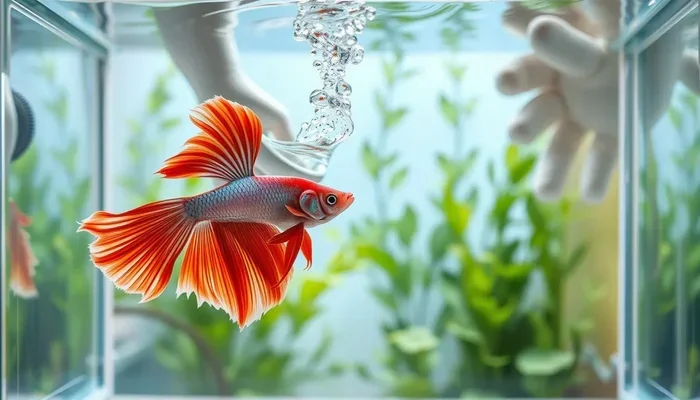
Why Is My Female Betta Fish Stomach Big

Seeing a swollen belly on your female betta can be worrying. It often signals diet issues, disease, or breeding readiness. Learn the signs, causes, and simple fixes to help your fish thrive.
Key Takeaways
- Over‑feeding is a top cause: Excess food expands the gut and can lead to constipation.
- Breeding hormones enlarge the abdomen: Females ready to spawn naturally swell.
- Internal parasites or infections: These create swelling, loss of appetite, and lethargy.
- Water quality matters: Poor parameters stress the fish and worsen stomach issues.
- Proper diet and fasting: A balanced diet and occasional fast keep the digestive system healthy.
- Regular observation: Spotting changes early helps you act before serious illness.
- Seek veterinary help when needed: Persistent swelling may require professional treatment.
📑 Table of Contents
- Introduction: A Bloated Belly Can Be Scary
- 1. Over‑Feeding and Poor Digestion
- 2. Breeding Readiness and Egg Development
- 3. Internal Parasites and Bacterial Infections
- 4. Water Quality and Environmental Stress
- 5. Physical Injuries and Tumors
- 6. How to Monitor and Respond Effectively
- Conclusion: Take Action, Stay Calm
Introduction: A Bloated Belly Can Be Scary
When you first notice that your female betta’s belly looks rounder than usual, a wave of worry can hit fast. Is she sick? Did you overfeed her? Or could it be a sign that she’s about to lay eggs? These questions are common among betta owners, and the answer isn’t always simple.
In this article we’ll break down the most common reasons why a female betta’s stomach gets big, how to tell which cause applies to your fish, and what you can do right now to help her feel better. We’ll keep the language friendly and the steps easy to follow—think of it as a chat with a knowledgeable friend who loves bettas as much as you do.
1. Over‑Feeding and Poor Digestion
Why food matters
Betta fish have tiny stomachs that can hold only a few seconds of food at a time. When you give them more than they can digest, the excess sits in the gut, stretches the abdomen, and may turn into constipation.
Signs of over‑feeding
- Visible grainy or cloudy feces floating near the surface.
- Loss of appetite after a big meal.
- Swollen belly that doesn’t shrink after a day or two.
Practical feeding tips
Feed your female betta 2‑3 small bites once or twice a day. Use high‑quality betta pellets or frozen bloodworms, and always remove uneaten food after 2‑3 minutes. A short “fast” of 24‑48 hours once a week helps clear the gut and prevents buildup.
2. Breeding Readiness and Egg Development
Natural swelling during spawning
Female bettas naturally expand their abdomen when they are ready to spawn. Hormones cause the ovaries to fill with eggs, making the belly look round and firm. This is a healthy, temporary condition.

Visual guide about Why Is My Female Betta Fish Stomach Big
Image source: m.media-amazon.com
How to tell if it’s breeding‑related
- The belly feels firm, not soft or bloated.
- She may display “vertical” swimming, showing off her colors.
- She might start building a bubble nest if a male is present.
What to do
If you’re not planning to breed, consider removing the male from the tank or providing a separate “spawning” tank where the female can lay eggs safely. After spawning, the belly will return to normal within a few days.
3. Internal Parasites and Bacterial Infections
Common culprits
Parasites such as Costia or Hexamita, and bacterial infections like Aeromonas, can cause abdominal swelling, loss of appetite, and a “gasping” appearance.

Visual guide about Why Is My Female Betta Fish Stomach Big
Image source: cdn.shopify.com
Diagnostic clues
- Cloudy or “fuzzy” spots on the belly skin.
- Rapid breathing at the water surface.
- Weight loss despite a big belly.
Treatment basics
Visit an aquatic veterinarian for a proper diagnosis. In many cases, a course of anti‑parasitic medication (e.g., metronidazole) and a clean water change will resolve the issue. Always quarantine new fish before adding them to your community to prevent parasite introduction.
4. Water Quality and Environmental Stress
Why clean water matters
Betta fish are sensitive to ammonia, nitrite, and high nitrate levels. Poor water quality stresses the immune system, making the fish more vulnerable to digestive problems and swelling.
Testing and maintenance
Test your tank weekly for ammonia, nitrite, and nitrate. Keep ammonia and nitrite at 0 ppm and nitrates below 20 ppm. Perform 25‑30 % water changes every week, and use a gentle filter designed for betta tanks.
Link to related issue
If you notice cloudy water alongside a swollen belly, read our guide on why is my betta fish water cloudy for step‑by‑step cleaning tips.
5. Physical Injuries and Tumors
Injuries from decorations
Sharp ornaments or aggressive tank mates can cause bruising or internal bleeding, which may look like a bloated belly.
Detecting tumors
Rarely, female bettas develop benign or malignant growths in the abdomen. Tumors feel hard and may cause asymmetrical swelling.
When to seek professional help
If the swelling is hard, does not change in size, or is accompanied by lethargy, a vet visit is essential. Early detection improves treatment outcomes.
6. How to Monitor and Respond Effectively
Daily observation checklist
- Check appetite: Is she eating her usual amount?
- Inspect the belly: Is it soft, firm, or hard?
- Watch swimming behavior: Is she floating oddly or staying at the bottom?
- Look at water: Any cloudiness, foul smell, or debris?
Immediate actions
1. Reduce feeding for 24‑48 hours.
2. Perform a 25 % water change with conditioned water.
3. Add a probiotic supplement to support gut health.
4. Observe for 48 hours; if swelling persists, consider medication or vet care.
Long‑term prevention
Maintain a stable temperature (78‑80 °F), keep the tank covered to prevent jumps, and provide a balanced diet with occasional live or frozen foods for variety.
Conclusion: Take Action, Stay Calm
A big stomach on a female betta is rarely a mystery—most often it’s over‑feeding, breeding readiness, or a minor health issue that you can fix at home. By watching her daily, keeping the water pristine, and feeding responsibly, you’ll give her the best chance to stay healthy and vibrant. If you ever feel unsure, don’t hesitate to consult an aquatic veterinarian; early help can make all the difference.
Frequently Asked Questions
Why does my female betta’s belly look round after I feed her?
She may have been over‑fed. Betta stomachs are tiny, so excess food stays in the gut and makes the belly appear swollen. Reduce portion size and fast for a day.
Can a swollen belly mean my betta is about to lay eggs?
Yes. When a female is ready to spawn, her abdomen will become firm and round as eggs develop. This is normal if you have a male present or if she’s been conditioned to breed.
What water parameters should I check if my betta’s stomach is big?
Test for ammonia, nitrite, and nitrate. Keep ammonia and nitrite at 0 ppm and nitrates under 20 ppm. Poor water quality can stress the fish and cause digestive swelling.
How do I know if parasites are causing the swelling?
Look for fuzzy spots on the belly, rapid breathing, and loss of appetite. If you suspect parasites, a vet can prescribe medication such as metronidazole.
Is it safe to give my betta more food to “fill her up”?
No. Adding more food will only worsen the problem. Instead, feed small amounts, remove uneaten food, and consider a short fast to clear her digestive tract.
When should I take my female betta to a vet?
If the belly stays hard, the fish becomes lethargic, stops eating, or shows signs of infection (cloudy water, white spots), seek professional help immediately.