Seeing a green hue in your betta’s tank can be alarming, but it’s usually a solvable issue. The most common culprits are algae growth, excess nutrients, and poor water changes. Follow our step‑by‑step guide to restore crystal‑clear water and keep your betta thriving.
Key Takeaways
- Algae is the primary cause: Light, nutrients, and warm water create the perfect environment for green water.
- Regular water changes are essential: Swapping 25‑30% of water weekly removes excess nitrates and phosphates.
- Control lighting: Limit aquarium lights to 8‑10 hours and use a timer.
- Use appropriate filtration: A filter with mechanical and biological media helps trap particles and break down waste.
- Test water parameters: High nitrate or phosphate levels signal over‑feeding or insufficient cleaning.
- Consider live plants or algae eaters: They compete for nutrients and naturally reduce green water.
- Act quickly: The longer green water lasts, the harder it is to clear and the more stress on your betta.
📑 Table of Contents
Introduction: When Your Betta’s World Turns Green
Imagine you’ve just set up a beautiful 5‑gallon tank for your new betta. The water is clear, the décor looks perfect, and your fish is already showing off its bright fins. Then, a few days later, the water takes on a murky, green tint. It can feel like a mini‑disaster, especially if you’re new to the hobby.
Don’t panic. A green tank is usually a sign of algae overgrowth, not a death sentence for your betta. In this article we’ll walk through why the water turns green, how to fix it fast, and how to prevent it from happening again. By the end, you’ll have a clear action plan and the confidence to keep your betta’s home sparkling.
1. What Causes Green Water?
Green water is essentially a bloom of microscopic algae floating throughout the tank. Unlike the visible “green slime” that clings to glass, this algae is suspended in the water column, giving it a uniform green shade.
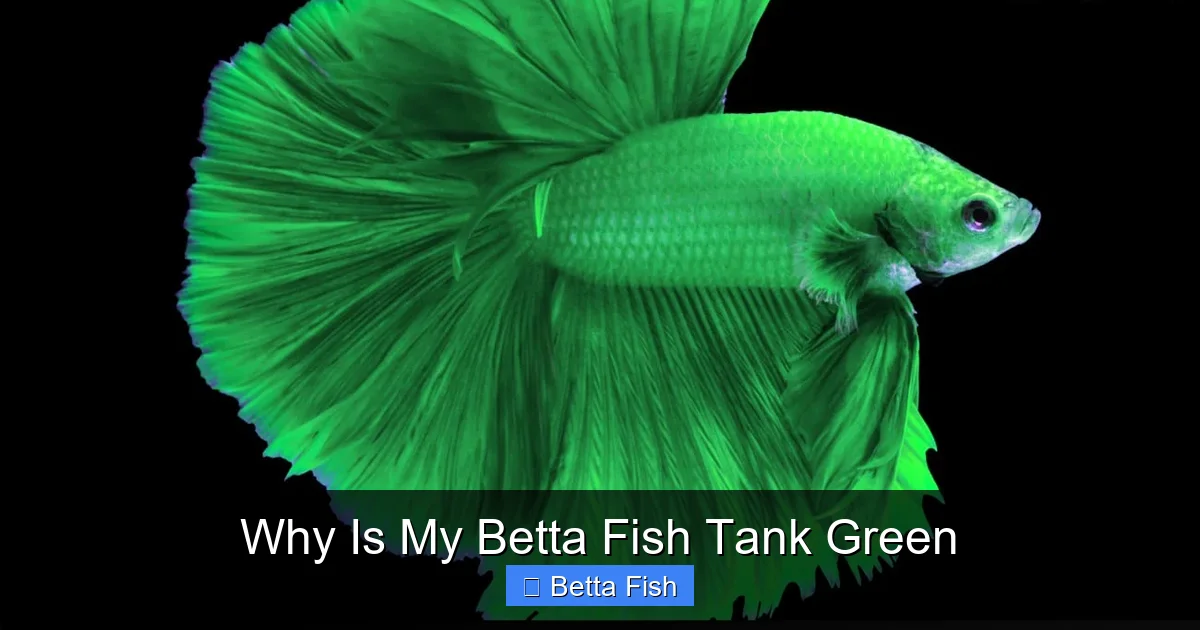
Visual guide about Why Is My Betta Fish Tank Green
Image source: buildyouraquarium.com
1.1 Excess Light
Algae love light. If your tank receives more than 8‑10 hours of direct illumination each day, the photosynthetic process speeds up and algae multiply. Even a sunny windowsill can be too much.
1.2 High Nutrient Levels
Every time you feed your betta, uneaten food and fish waste release nitrates and phosphates into the water. When these nutrients build up, they become food for algae. Over‑feeding is a common mistake.
1.3 Warm Temperatures
Betta fish thrive at 78‑80°F (25‑27°C). While this range is perfect for the fish, it also creates a cozy environment for algae. If the temperature consistently sits at the higher end, algae growth accelerates.
1.4 Inadequate Filtration
A filter that only circulates water without mechanical or biological media does little to remove algae cells. Without a proper filter, the tiny algae stay suspended and give the water its green tint.
2. Diagnosing the Problem
Before you start treating the water, confirm that the green color is indeed algae and not a chemical imbalance or disease.
2.1 Check Water Parameters
- Ammonia & Nitrite: Should be 0 ppm. Any presence indicates a cycling problem.
- Nitrate: Below 20 ppm is ideal for bettas; higher levels feed algae.
- Phosphate: Below 0.5 ppm helps keep algae in check.
If you notice spikes, adjust feeding and increase water changes.
2.2 Observe Your Betta’s Health
Green water itself isn’t toxic, but a stressed betta may show signs like clamped fins, loss of appetite, or floating sideways. For more on swimming issues, see Why Is My Betta Fish Floating Sideways.
3. Immediate Actions to Clear the Green Water
Once you’ve confirmed the cause, follow these steps to clear the tank quickly.

Visual guide about Why Is My Betta Fish Tank Green
Image source: gzkyz.com.cn
3.1 Perform a Large Water Change
Swap out 30‑50% of the water with fresh, dechlorinated water. This dilutes the algae concentration and reduces nutrient levels. Use a siphon to remove debris from the substrate as well.
3.2 Add an Algae‑Killing Agent (Optional)
Products containing “UV sterilizers” or “algae control drops” can be effective, but use them sparingly. Over‑use may stress the betta. Always follow the manufacturer’s dosage instructions.
3.3 Reduce Light Exposure
Turn off the aquarium light for 24‑48 hours. If you have a timer, set it to 8‑10 hours per day. This deprives algae of the energy it needs to multiply.
3.4 Increase Filtration Efficiency
Upgrade to a filter with fine mechanical media (sponges or floss) and biological media (bio‑balls or ceramic rings). Run the filter for at least 4‑5 water changes per hour.
3.5 Clean the Tank Surfaces
Use an algae scraper or a soft cloth to wipe the glass. Removing the visible layer helps light reach less algae and improves overall clarity.
4. Long‑Term Prevention Strategies
Keeping the water clear is easier than fixing a green tank. Implement these habits to stay ahead of algae.
4.1 Feed Sparingly
Betta fish have small stomachs. Offer only what they can eat in 2‑3 minutes, once or twice a day. Remove any uneaten food after feeding.
4.2 Schedule Regular Water Changes
Change 25‑30% of the water weekly. This routine removes excess nitrates and phosphates before they become a problem.
4.3 Use Live Plants
Plants such as Anubias, Java fern, or Marimo moss compete with algae for nutrients, naturally limiting growth. They also provide hiding spots for your betta.
4.4 Add Algae‑Eating Species (With Caution)
In larger community tanks, small snails (Nerite) or shrimp can help control algae. In a betta‑only tank, they’re usually unnecessary and may stress the betta.
4.5 Monitor Light Sources
LED lights are energy‑efficient and produce less heat, reducing algae risk. Ensure the light is positioned at a proper distance from the water surface.
4.6 Test Water Frequently
Use a liquid test kit weekly to keep an eye on ammonia, nitrite, nitrate, and phosphate levels. Early detection lets you act before algae blooms.
5. When Green Water Persists
If after a week the water remains green despite your efforts, it may be time for a deeper reset.
5.1 Full Tank Reset
Empty the tank completely, scrub all décor with warm water (no soap), and rinse the substrate. Re‑assemble with fresh substrate and start a new cycle. This is a last‑resort step but guarantees removal of stubborn algae spores.
5.2 Check for Hidden Sources
Sometimes, the source of nutrients isn’t food. Over‑use of water conditioners that contain phosphate, or leaf litter that decomposes, can feed algae. Switch to a low‑phosphate conditioner if needed.
5.3 Seek Professional Advice
If you’re still stuck, consider reaching out to a local aquarium club or a professional store. They can offer tailored solutions based on your specific setup.
Conclusion: A Clear Path Forward
Green water is a common, manageable issue for betta owners. By understanding the role of light, nutrients, temperature, and filtration, you can act quickly to restore clarity and keep your fish healthy. Remember to feed responsibly, change water regularly, and monitor the tank’s environment. With these habits, green water will become a rare visitor rather than a regular problem.
Frequently Asked Questions
Why does my betta tank turn green after I add new decorations?
New décor can trap debris and release phosphates, providing extra nutrients for algae. Rinse decorations thoroughly and monitor water parameters after adding them.
Can I use bleach to clear green water?
No. Bleach is toxic to fish and can damage tank components. Stick to water changes, filtration upgrades, and gentle algae control methods.
How often should I test my betta tank water for nitrates?
Test nitrate levels at least once a week. If they’re consistently above 20 ppm, increase water changes and reduce feeding.
Will adding live plants guarantee my water stays clear?
Plants help absorb nutrients, but they’re not a cure‑all. Proper lighting, feeding, and filtration are still essential.
Is green water harmful to my betta’s health?
Green water itself isn’t directly toxic, but it can reduce oxygen levels and hide waste, stressing the fish. Prompt treatment is recommended.
My betta is floating sideways; could the green water be the cause?
Yes, poor water quality from algae blooms can affect buoyancy. Check water parameters and address the green water. For more on floating issues, see Why Is My Betta Fish Floating Sideways.

