Which Is Better Farm Raised or Wild Caught Fish
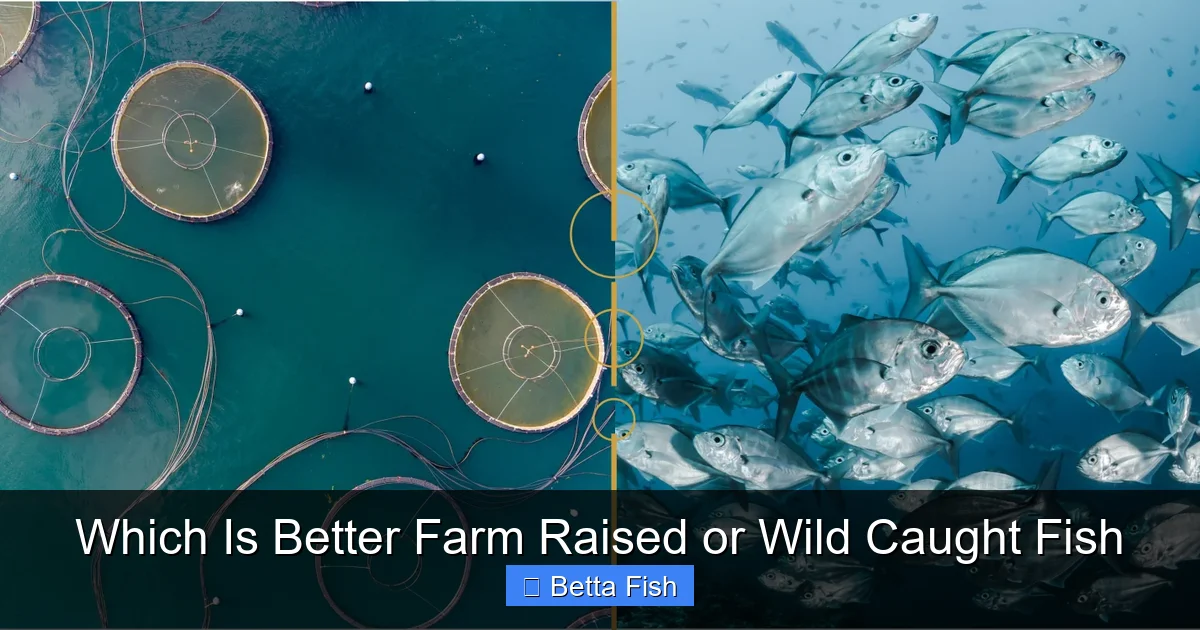
The debate between farm raised and wild caught fish isn’t about a universal winner. The “better” choice depends entirely on the specific fish species, its source, your health priorities, and environmental concerns. Wild caught fish generally offer a more diverse nutrient profile and fewer contaminants but face sustainability challenges from overfishing. Responsibly farmed fish can provide a consistent, affordable supply with a lower impact on wild stocks, but quality varies wildly based on farming practices and feed. Your best strategy is to become an informed consumer, prioritizing certified sustainable sources and varying your seafood choices.
Staring at the seafood counter, you face a classic modern dilemma: the glistening fillet labeled “wild caught” or the more affordable, consistently available “farm raised” option? This isn’t just a grocery store quandary; it’s a complex web of nutrition, ecology, economics, and ethics. The simple question “which is better?” has no single answer. Instead, understanding the nuanced realities of how our seafood reaches our plates empowers you to make choices aligned with your health goals and values. Let’s dive deep into the farm raised vs. wild caught fish debate, separating myth from science and giving you the tools to navigate the seafood aisle with confidence.
Key Takeaways
- Nutrition is species-dependent: The fatty acid profile, vitamin D content, and contaminant levels differ more between fish types (e.g., salmon vs. tilapia) than between farm/wild labels alone.
- Contaminant risks exist in both: Wild fish can accumulate mercury and PCBs from the ocean. Farmed fish may have higher levels of certain contaminants or antibiotics if raised in poor conditions, but responsible farms minimize this.
- Sustainability is not automatic: “Wild caught” does not always mean sustainable (due to overfishing), and “farm raised” is not inherently destructive. Look for third-party certifications like MSC (wild) and ASC/BAP (farmed).
- Cost and accessibility favor farmed: Farm-raised fish is typically less expensive and available year-round, while premium wild-caught fish can be costly and seasonal.
- Feed is a critical factor for farmed fish: The environmental footprint and nutritional value of farmed fish are heavily influenced by what they are fed (e.g., fishmeal vs. plant-based or insect protein).
- Your priorities dictate the choice: If minimizing plastic/microplastic ingestion is key, certain wild sources may be better. If supporting stable food systems is the goal, look for innovative, responsible aquaculture.
- Variety is your safest bet: Rotating between different species and sources (within certified options) is the best way to maximize nutritional benefits while minimizing risks from any single source.
📑 Table of Contents
- The Nutritional Showdown: What’s Really in Your Fish?
- Environmental Impact: A Tale of Two Systems
- Contaminants & Safety: Debunking the “Dirty Farm” Myth
- Economic Factors & The Global Food System
- Species-Specific Considerations: One Size Does Not Fit All
- Making Your Choice: A Practical Guide
- Conclusion: The Balanced Plate
The Nutritional Showdown: What’s Really in Your Fish?
When we think of eating fish, we often think of heart-healthy omega-3 fatty acids, lean protein, and vitamin D. But the nutritional profile of a fish is a story written by its life experiences—its diet, its activity level, and its environment. This is where the farm raised and wild caught paths diverge significantly.
Omega-3 Fatty Acids: The Heart of the Matter
Omega-3s, specifically EPA and DHA, are the star nutrients in fatty fish. The fundamental difference lies in diet. Wild fish eat a natural, variable diet of smaller fish, krill, and algae, which are rich in these specific marine-based omega-3s. Their fat content fluctuates with the seasons and their breeding cycle. Farmed fish, on the other hand, are typically fed a formulated pellet diet. Historically, this feed was made from wild-caught fish oil and fishmeal, which provided excellent omega-3s. However, due to sustainability pressures and cost, modern feeds increasingly incorporate plant-based oils (like soybean or canola) and, innovatively, algae or insect-based proteins.
- Wild Caught: Generally have a higher ratio of omega-3 to omega-6 fatty acids, which is considered optimal for reducing inflammation. Their omega-3 profile is consistent with a natural marine diet.
- Farm Raised: The omega-3 content can be excellent if the feed is formulated with marine oils. However, if the feed is heavy on plant oils, the fish may have lower levels of EPA/DHA and a higher, less desirable omega-6 content. The fat content in farmed fish is often more consistent and can be higher overall, as they are less active and fed a calorie-dense diet.
Practical Example: Studies on salmon show that wild salmon typically has about 20% more omega-3s per serving than farmed salmon. However, a farmed salmon fillet still provides a massive, beneficial dose of omega-3s—far more than most other protein sources. The gap has also narrowed as feed technology improves.
Vitamins, Minerals, and Contaminants
Beyond fats, other nutrients tell another story. Wild fish, foraging on a diverse diet, often have higher levels of certain minerals like iron and potassium. Farmed fish, due to their controlled feed, can have higher levels of vitamin D (especially if the feed is fortified) and sometimes more calcium if their bones are consumed (as with canned sardines).
The contaminant picture is more complex. The fear of “dirty” farmed fish often centers on antibiotics, pesticides, and dyes. In many regulated countries (like the US, Canada, EU, Norway), antibiotic use in aquaculture is strictly limited and monitored. The use of artificial colorants, like astaxanthin in salmon, is done to replicate a natural pigment (which wild salmon get from eating krill) and is considered safe. The bigger contaminant concerns for farmed fish are:
- PCBs and Dioxins: These persistent organic pollutants can be higher in some farmed fish, particularly fatty fish like salmon. The source is often the feed, which can contain these compounds if made from fish oils derived from contaminated regions. Reputable farms source feed from clean areas and test rigorously.
- Microplastics: This is a growing concern for wild caught fish. Filter-feeding shellfish and smaller fish ingest microplastics from the ocean, which then move up the food chain. Farmed fish in closed containment systems may have less direct exposure, though plastic pollution in the marine environment used for feed sourcing is a broader issue.
Wild caught fish face their own contaminant challenges, primarily methylmercury. Mercury is released into waterways from industrial pollution and converts to its toxic form in aquatic microbes, accumulating up the food chain. This means large, long-lived predatory fish (like shark, swordfish, king mackerel, some tuna) have the highest levels, regardless of being wild or farmed (farming large predators is rare and challenging).
The Bottom Line on Nutrition: For most common species (salmon, trout, tilapia, catfish), both farm raised and wild caught fish are incredibly healthy foods. The differences in omega-3s are often smaller than people assume, and both provide high-quality protein and essential nutrients. The most significant nutritional risk comes from consuming too much of a single, high-mercury wild species, not from choosing farmed over wild for low-mercury species.
Environmental Impact: A Tale of Two Systems
This is where the debate becomes most heated. The environmental footprint of our seafood is a critical consideration. It’s inaccurate to say one system is always “greener.” The impact varies dramatically by species, farming method, and fishing technique.
Visual guide about Which Is Better Farm Raised or Wild Caught Fish
Image source: askdrnandi.com
The Challenges of Wild Capture Fisheries
Commercial fishing has come a long way from the “race to fish” of the past, but overfishing remains a colossal global problem. The UN reports that over 34% of global fish stocks are currently fished at biologically unsustainable levels. When we buy wild caught fish, we must ask: Is this specific fishery managed sustainably?
- Bycatch: This is the unintended capture of non-target species, including dolphins, turtles, seabirds, and juvenile fish. Some methods, like trawling (dragging nets along the seafloor) and certain longline setups, have high bycatch rates. More selective methods like pole-and-line or troll-caught fishing have minimal bycatch.
- Habitat Destruction: Bottom trawling is particularly destructive, bulldozing sensitive seafloor habitats like coral reefs and sponge gardens.
- Stock Depletion: Even well-managed fisheries can struggle with climate change, which alters ocean temperatures and currents, affecting fish distribution and reproduction.
Silver Lining: In regions like Alaska, Iceland, New Zealand, and parts of the North Atlantic, fisheries are among the best-managed in the world. They use strict quotas, scientific stock assessments, and low-impact gear. Buying wild caught fish with a certification like the Marine Stewardship Council (MSC) blue label ensures it comes from a fishery meeting rigorous sustainability standards.
The Evolution of Aquaculture (Fish Farming)
Aquaculture is the fastest-growing food production sector globally, now providing over 50% of seafood consumed. Early aquaculture, especially for salmon, earned a bad reputation for pollution, disease outbreaks, and reliance on wild fish for feed. Modern, responsible aquaculture looks very different.
- Feed Efficiency & Pressure on Wild Stocks: This was the original sin of salmon farming. It took several pounds of wild-caught forage fish (like anchovies) to produce one pound of farmed salmon. This has improved dramatically. Through feed innovation, the fish-in-fish-out (FIFO) ratio for salmon has dropped from around 3:1 to near 1:1 or less, using algae, insect meal, and yeast to replace fish oil and protein.
- Pollution & Habitat: Net-pen farms in open waters can concentrate waste (feces, uneaten food) below the pens, potentially depleting oxygen and altering local ecosystems. The solution lies in proper siting (strong currents, deep water), fallowing (letting sites rest), and moving to closed containment systems on land or in floating pens that better manage waste.
- Disease & Escapes: High-density farming can breed disease and parasites (like sea lice), which can sometimes spread to wild salmon populations. Escapes of farmed fish can compete with or interbreed with wild stocks. Best practices include fallowing, integrated pest management, and robust physical barriers.
- Land-Based Recirculating Aquaculture Systems (RAS): This is the frontier of sustainable farming. Fish are raised in tanks on land, where water is filtered and recycled. This eliminates escapes, prevents pollution of natural waterways, allows for precise control of waste (which can be turned into fertilizer), and enables farming in landlocked areas. RAS is energy-intensive but is becoming more viable.
Certifications: Look for the Aquaculture Stewardship Council (ASC) or Best Aquaculture Practices (BAP) logos. These standards address feed sustainability, chemical use, disease management, and social accountability.
The Verdict on Environment: It’s Complicated
For high-value, carnivorous fish like salmon, a well-managed MSC-certified wild fishery and a responsible ASC-certified farm can have comparable, though different, environmental footprints. The wild fishery’s impact is on the ocean ecosystem and bycatch. The farm’s impact is on feed sourcing and local water quality. For herbivorous or omnivorous fish like tilapia and catfish, which can thrive on plant-based diets, farming is often far more resource-efficient than trying to catch them from the wild (though they are also caught wild in some regions). The least sustainable option is an uncertified, poorly managed fishery or an irresponsible open-net farm in a sensitive area.
Contaminants & Safety: Debunking the “Dirty Farm” Myth
Safety is a paramount concern. The narrative that farmed fish is loaded with chemicals and antibiotics is a powerful one, but it’s often outdated or exaggerated in major producing regions. Let’s separate the real risks from the hype.
Visual guide about Which Is Better Farm Raised or Wild Caught Fish
Image source: windward-westward.com
The Antibiotic Question
The overuse of antibiotics in agriculture is a serious public health issue due to antibiotic resistance. In aquaculture, the situation is varied. In countries with strong regulations (Norway, Canada, Chile for salmon; the US for catfish), antibiotic use is a last resort, administered under veterinary supervision, and with mandatory withdrawal periods before harvest. Public reporting of use is common. In some regions with less oversight, antibiotic misuse can occur. The key is knowing the source. Certifications like ASC and BAP strictly limit and monitor therapeutic antibiotic use.
Pesticides, Fungicides, and “Dyes”
Farmed fish, especially salmon, can be treated for sea lice with prescribed pesticides. The use of these compounds is regulated, and residues in the final product are monitored and must be below safety thresholds. The pink color in farmed salmon comes from astaxanthin, a carotenoid identical to what wild salmon eat. It’s a nutrient, not a harmful dye. Some consumers object to it on principle, but from a safety standpoint, it is benign.
The Microplastic & Chemical Load in Wild Fish
Here’s where the tables sometimes turn. Plastic pollution has saturated our oceans. Microplastics and the chemicals that leach from them (phthalates, bisphenol A) are now found in virtually all marine life, from plankton to apex predators. A study found microplastics in 100% of sampled fish. While the human health impact of ingesting microplastics from fish is still being researched, it is a unique and growing risk primarily associated with the wild caught food chain. Additionally, legacy pollutants like PCBs and dioxins, though declining, persist in ocean sediments and can be higher in certain wild fish from polluted areas.
Practical Safety Tips
- Diversify your seafood plate: This is the single best way to avoid accumulating any one contaminant.
- Know the high-mercury species: Limit consumption of shark, swordfish, king mackerel, and tilefish. For tuna, choose light canned tuna (skipjack) over albacore, and limit bigeye, ahi tuna.
- Check local advisories: For locally caught freshwater fish (like from lakes or rivers), always check state or provincial health advisories for PCB or mercury warnings.
- Buy from reputable sources: Whether farmed or wild, purchase from trusted retailers and brands that prioritize testing and transparency.
- Pregnant/nursing women and children: Follow FDA/EPA guidelines for safe seafood choices, which emphasize low-mercury, high-omega-3 options like salmon, sardines, and trout, whether farmed or wild.
Economic Factors & The Global Food System
Beyond the plate, economics shape this debate. The cost of wild caught fish is subject to the volatility of ocean conditions, fuel prices, quotas, and sheer scarcity. Premium species like wild King salmon or line-caught halibut command high prices due to their limited supply and desirability. This makes them an occasional luxury for most consumers.
Visual guide about Which Is Better Farm Raised or Wild Caught Fish
Image source: cdn.shopify.com
Farm raised fish provides a scalable, predictable protein source. By controlling the growth cycle, farmers can supply consistent quantities year-round, which stabilizes prices and makes fish more accessible as a regular part of the diet. This scalability is crucial for feeding a growing global population without further depleting wild stocks. However, the economics of farming are also challenging, subject to disease outbreaks, trade policies, and feed costs.
From a food security perspective, a balanced system that uses well-managed wild fisheries for species that are difficult to farm and employs innovative, sustainable aquaculture for others is the most resilient model. Supporting responsible farm raised operations can help take pressure off overfished wild stocks. Conversely, supporting robust wild fisheries provides income for coastal communities and maintains a connection to natural ecosystems.
Species-Specific Considerations: One Size Does Not Fit All
Generalizing across all fish is misleading. The farm/wild question must be asked for each species. Here are common examples:
Salmon
The poster child of the debate. Wild salmon (Chinook, Sockeye, Coho, Pink, Chum) are celebrated for their rich, complex flavor and higher omega-3s. Their runs are carefully managed, but climate change and habitat loss threaten some populations. Farmed Atlantic salmon is the most common farmed fish globally. Quality varies: Norwegian and Chilean farms have different standards. Look for ASC certification. Farmed salmon is available year-round and is more affordable. Nutritionally, the difference is modest; both are excellent sources of omega-3s.
Tilapia
One of the most consumed fish worldwide. Almost all tilapia in the US and many other markets is farm raised. It’s a hardy, omnivorous fish that thrives on a plant-based diet, making it very feed-efficient. Environmental concerns are low compared to carnivorous fish, though waste management in large ponds is a consideration. Nutritionally, it’s a lean, low-calorie protein with lower omega-3s than fatty fish. Wild tilapia exists but is rarely commercially fished at scale.
Tuna
Primarily wild caught via longline or purse seine. Major concerns are bycatch (especially dolphins in some tropical fisheries) and mercury levels. Some efforts exist to farm Southern Bluefin Tuna in Australia (ranching), but it’s complex and not a major source. For consumers, choosing “pole-and-line” caught tuna is the best environmental choice, and limiting intake due to mercury is advised, especially for pregnant women.
Catfish
In the US, the vast majority is farm raised in inland ponds or tanks, primarily in the Southeast. US farm-raised catfish is considered a very sustainable and safe option—it’s a low-impact, vegetarian-fed fish with strict FDA oversight. Wild catfish are caught in rivers and coastal areas but are a small fraction of the market.
Shellfish (Mussels, Oysters, Clams)
This is where farming shines. Farm raised shellfish (mussels, oysters, clams) are often ranked as the most environmentally friendly protein on the planet. They are filter feeders, improving water quality by consuming plankton. They require no feed inputs, just clean water. Wild caught shellfish are also sustainable when managed well (e.g., the US Atlantic coast), but farming provides a controlled, reliable supply with minimal ecological footprint. Both are excellent choices.
Making Your Choice: A Practical Guide
So, when you stand at the seafood counter, what do you do? Ditch the binary “farm vs. wild” thinking. Instead, follow this decision tree:
- Identify the Species: What fish are you considering? (Salmon? Tilapia? Tuna?)
- Check for Certifications FIRST: This is your most powerful tool.
- For wild caught: Look for the blue MSC (Marine Stewardship Council) label.
- For farm raised: Look for the green ASC (Aquaculture Stewardship Council) or BAP (Best Aquaculture Practices) logo.
- In the US, country-of-origin labeling is required. Use this to research that country’s standards (e.g., US, Canada, Norway, New Zealand, UK generally have strong regulations).
- Consider Your Health Priorities:
- Want maximum omega-3s with low contaminants? For salmon, a certified wild Alaskan or certified farmed Atlantic are both great. For a low-mercury, high-protein option, certified farmed tilapia or catfish is excellent.
- Pregnant? Stick to low-mercury, high-omega-3 options certified by either system.
- Think About the Environment:
- For shellfish, choose farmed (MSC or ASC) or well-managed wild.
- For salmon, both certified options can be good. If you strongly oppose open-net pens, seek out land-based RAS farmed salmon or certified wild.
- For tuna, choose pole-and-line caught (often MSC-certified) to minimize bycatch.
- Factor in Cost & Access: If your budget favors farmed, lean towards certified herbivorous species (tilapia, catfish) or certified salmon. If you can afford wild, enjoy it, especially for species where farming is impractical or less sustainable.
Remember: The worst choice for your health is to avoid fish altogether because of this confusion. The cardiovascular, cognitive, and anti-inflammatory benefits of eating two servings of seafood per week far outweigh the potential risks from contaminants in most commercially available, certified products.
Conclusion: The Balanced Plate
The question of “which is better, farm raised or wild caught fish” is less about declaring a champion and more about understanding a spectrum of practices. The “wild” ideal of a pristine ocean catch is complicated by overfishing, bycatch, and pollution. The “farmed” stereotype of a crowded, chemical-laden pen is outdated, replaced by innovations in feed, closed containment, and rigorous certification that can produce safe, sustainable protein.
Your power as a consumer lies in specificity. Don’t just ask “Is this farmed or wild?” Ask “Is this Alaskan wild-caught sockeye salmon with an MSC label?” or “Is this Norwegian ASC-certified farmed salmon?” or “Are these US farm-raised catfish?” The details matter. By prioritizing certified sustainable sources, varying your seafood selections, and staying informed about species-specific issues, you can nourish your body with incredible health benefits while supporting a seafood industry that is moving—however imperfectly—toward a more sustainable future. The best fish for you is the one you’ll eat regularly, from a source you trust.
Frequently Asked Questions
Is farm-raised salmon safe to eat?
Yes, farm-raised salmon from countries with strict regulations (like Norway, Canada, Chile, and the US) is safe to eat. It is tested for contaminants and antibiotics, and while it may have different fat content and lower omega-3s than wild salmon, it remains an excellent source of heart-healthy nutrients. Look for certifications like ASC to ensure responsible farming practices.
Which is more sustainable: farmed or wild fish?
It depends entirely on the species and how it’s produced. For shellfish like mussels and oysters, farming is often highly sustainable. For salmon, both well-managed MSC-certified wild fisheries and ASC-certified farms can be sustainable choices. The least sustainable options are uncertified wild fish from overfished stocks and open-net farms with poor environmental practices. Always look for a credible third-party certification.
Do wild-caught fish have more mercury than farm-raised?
Mercury accumulation is primarily a function of a fish’s size, age, and position in the food chain, not whether it is wild or farmed. Large, long-lived predatory fish (like shark, swordfish, king mackerel, bigeye tuna) have high mercury levels whether wild-caught or, in rare cases, farmed. Farm-raised fish, especially those fed a plant-based diet like tilapia or catfish, typically have very low mercury levels.
Why is farm-raised fish sometimes cheaper than wild-caught?
Farming allows for controlled production, predictable harvests, and efficient feed conversion, which lowers costs. Wild-caught fish involve the expenses of operating fishing vessels, fuel, labor, and are subject to quotas and seasonal availability, which can limit supply and drive up prices for certain species.
Should I avoid farmed fish because of antibiotics?
Not necessarily. In major producing countries with strong regulations (US, EU, Norway), antibiotic use in aquaculture is strictly controlled, monitored, and used sparingly—often only when necessary to treat disease outbreaks. The use is far more transparent and restricted than in many terrestrial animal agriculture sectors. Certifications like ASC prohibit routine antibiotic use. The risk of antibiotic-resistant bacteria from responsibly farmed fish is considered very low.
How can I be sure I’m buying sustainable seafood?
Your best tool is to look for third-party certification labels. For wild-caught, seek the blue MSC (Marine Stewardship Council) label. For farm-raised, look for the green ASC (Aquaculture Stewardship Council) or BAP (Best Aquaculture Practices) logos. Additionally, use seafood guides from organizations like the Monterey Bay Aquarium’s Seafood Watch or the Environmental Defense Fund’s Seafood Selector to check specific species and fisheries. Asking your fishmonger about the source is also a great practice.