What Causes Betta Fish Mouth Rot
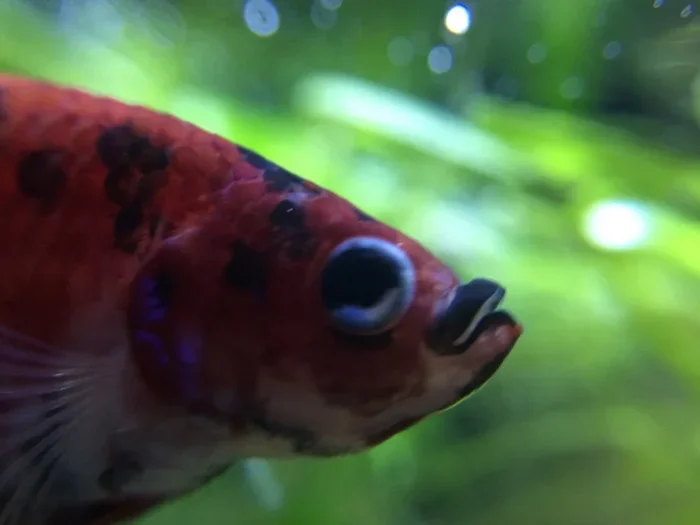
Betta fish mouth rot is a common bacterial or fungal infection that affects a betta’s mouth and jaw area. Poor water quality, stress, and injury are the top culprits behind this painful condition. Early detection and proper treatment can fully resolve mouth rot and restore your fish’s health.
Betta fish are beautiful, lively pets that bring joy to any home. But like all living creatures, they can get sick. One common health issue is betta fish mouth rot. This condition can worry any fish owner. It affects the mouth and jaw area of your betta. The good news is that you can prevent and treat it. Understanding what causes it is the first step.
Many people ask, “what causes betta fish mouth rot?” The answer involves several factors. Water quality plays a huge role. So does stress, injury, and bacterial exposure. In this article, we will explore every major cause in detail. You will learn how to spot the early signs. We will also cover simple prevention tips and treatment options. By the end, you will feel confident keeping your betta healthy and happy.
## What Is Betta Fish Mouth Rot?
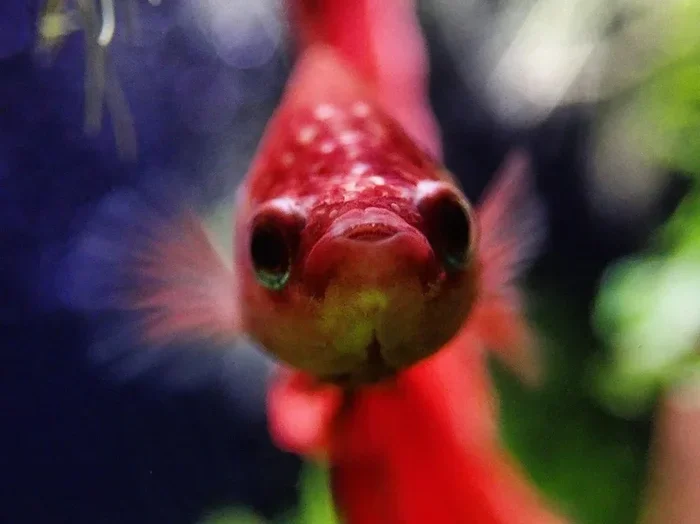
Mouth rot in betta fish is an infection that targets the mouth, lips, and jaw area. It is also known as cotton mouth disease or columnaris. The condition creates a cotton-like appearance around the mouth. It can make eating very painful for your fish.
This disease is caused by bacteria, mainly Flavobacterium columnare. These bacteria are always present in aquarium water. A healthy betta can fight them off easily. But when conditions are poor, the bacteria grow out of control. This leads to infection and visible symptoms.
### How Mouth Rot Differs From Other Betta Diseases
Mouth rot is often confused with other conditions. For example, some people mistake it for fin rot. Fin rot affects the fins and tail. Mouth rot specifically targets the mouth area. Another condition that looks similar is a fungal infection. Fungal infections appear as white, fluffy patches. Mouth rot has a more cottony texture.
If you are unsure about what your betta has, observe closely. Check if your betta is opening its mouth frequently. This behavior can signal discomfort. Also, look at the mouth area for any white or grayish patches. These are key signs of mouth rot.
## Poor Water Quality: The #1 Cause
Poor water quality is the leading cause of betta fish mouth rot. Dirty water contains harmful bacteria. It also holds ammonia and nitrite, which stress your fish. When your betta lives in bad water, its immune system weakens. This makes it an easy target for infection.
### How Bad Water Affects Your Betta
Betta fish need clean, stable water to stay healthy. When the water is contaminated, bacteria multiply fast. These bacteria can enter through small cuts or injuries in the mouth. Even a tiny wound becomes an open door for infection.
Here are common water problems that lead to mouth rot:
- High ammonia levels from dirty tank water
- Excess nitrite buildup from infrequent water changes
- Chlorine or chloramine in tap water
- Low oxygen levels in overcrowded tanks
- High nitrate levels from lack of filtration
### The Right Water for Your Betta
Using the right water matters a lot. What water does betta fish need? Bettas thrive in clean, dechlorinated water. The temperature should be between 78 and 80 degrees Fahrenheit. The pH level should stay between 6.5 and 7.5. Regular water changes of 25 to 30 percent every week help a lot.
If you want to learn more about maintaining the right environment, check out our guide on what water betta fish need. Proper water care is the foundation of good betta fish care.
## Bacterial and Fungal Infections
Bacteria and fungi are the direct causes of mouth rot. The bacteria Flavobacterium columnare is the main culprit. It is sometimes called columnaris disease. This bacteria thrives in warm, slow-moving water. It attacks fish that are already weakened.
### How Bacteria Enter the Mouth
Bacteria enter through small openings or injuries. These can come from:
- Rough decorations or sharp gravel in the tank
- Fighting with other fish
- Handling your betta roughly during tank cleaning
- Existing minor wounds that go unnoticed
Once inside, the bacteria start to eat away at the tissue. You will notice white or grayish patches forming. These patches look like cotton balls. That is why people call it “cotton mouth disease.”
### Fungal vs. Bacterial Mouth Rot
Sometimes the infection is fungal rather than bacterial. Fungal mouth rot appears as fluffy, white growths. Bacterial mouth rot looks more like a grayish film or patch. Both need attention quickly. Ignoring either type can lead to serious health problems.
If you notice signs of infection, act fast. The sooner you treat it, the better the chance of recovery.
## Stress and Weakened Immune System
Stress is a silent killer for betta fish. When a betta is stressed, its body produces cortisol. This hormone weakens the immune system. A weak immune system cannot fight off bacteria. This is how stress causes mouth rot in betta fish.
### Common Sources of Stress
Many things can stress out your betta. Here are the most common ones:
- Living in a tank that is too small
- Keeping aggressive tank mates nearby
- Sudden changes in water temperature
- Loud noises or vibrations near the tank
- Overcrowding the aquarium
- Poor diet or irregular feeding schedule
A stressed betta is much more likely to develop infections. This includes betta fish mouth rot and other diseases like fin rot. Keeping your betta calm and comfortable is essential.
### How to Reduce Stress for Your Betta
Reducing stress is simple with a few good habits. Provide a tank of at least 5 gallons. Add gentle plants and hiding spots. Keep the water temperature stable. Feed a varied and nutritious diet. These steps go a long way in keeping your betta healthy and stress-free.
## Injury and Physical Damage
Injuries around the mouth area can lead directly to mouth rot. Bettas can hurt themselves in many ways. Sharp decorations are a common cause. Rough gravel or plastic plants with sharp edges can cut the mouth. Even fighting with another fish can cause injuries.
### Why Mouth Injuries Lead to Infection
The mouth is a warm, moist area. It is a perfect place for bacteria to grow. When the skin around the mouth is broken, bacteria enter easily. A small cut can turn into a full infection within days. This is why even minor injuries should be taken seriously.
### Preventing Mouth Injuries
You can prevent injuries with smart tank setup choices. Here are some tips:
- Use smooth, rounded gravel or sand as substrate
- Avoid sharp plastic decorations
- Choose live plants with soft leaves
- Keep only peaceful tank mates
- Inspect the tank regularly for hazards
A safe tank environment is one of the best ways to prevent betta fish mouth rot.
## Poor Diet and Nutrition
A poor diet weakens your betta from the inside out. Bettas are carnivores. They need protein-rich food to stay strong. When they do not get proper nutrition, their immune system suffers. This makes them vulnerable to bacterial and fungal infections.
### Best Foods for Betta Fish
Feeding your betta the right food supports overall health. Here are excellent food options:
- High-quality betta pellets as the staple diet
- Frozen or live brine shrimp as a treat
- Bloodworms for extra protein
- Daphnia for digestive health
- Occasional blanched vegetables like peas
Variety in diet helps boost immunity. If you want ideas beyond regular fish food, check out what to feed betta fish besides fish food. A well-fed betta is better equipped to fight off infections.
## Symptoms of Betta Fish Mouth Rot
Catching mouth rot early makes treatment much easier. Watch for these common symptoms:
- White or grayish patches around the mouth and lips
- Cotton-like growth on or near the mouth area
- Difficulty eating or refusing food altogether
- Swelling around the jaw and mouth
- Fraying or deterioration of the mouth tissue
- Clamped fins and lethargy
- Redness or inflammation near the infected area
If you notice any of these signs, check your water parameters right away. Poor water parameters often accompany mouth rot. Test the ammonia, nitrite, and nitrate levels. Also check the pH and temperature.
## How to Treat and Prevent Mouth Rot
Treating mouth rot starts with improving the tank environment. Here is a step-by-step approach:
Step 1: Test and Improve Water Quality
Do a 30 percent water change immediately. Use a water conditioner to remove chlorine. Test ammonia and nitrite levels. Both should read zero. Nitrate should be below 20 ppm.
Step 2: Add Aquarium Salt
Aquarium salt helps fight mild bacterial infections. Add one teaspoon per gallon of water. This creates a hostile environment for bacteria while helping your betta heal.
Step 3: Use Antibacterial Medication
For moderate to severe cases, use a commercial antibacterial treatment. Products containing kanamycin or erythromycin work well. Follow the dosage instructions carefully.
Step 4: Improve Nutrition
Offer easy-to-eat food during recovery. Soak pellets before feeding. This makes them softer and easier to consume. You can also offer live or frozen foods that are gentle on the mouth.
Step 5: Isolate if Needed
If you have other fish in the tank, consider moving your betta to a quarantine tank. This prevents the spread of infection and reduces stress during healing.
### Prevention Tips to Keep Mouth Rot Away
Prevention is always better than cure. Follow these habits for a healthy betta:
- Change 25 to 30 percent of the water every week
- Use a reliable filter and clean it regularly
- Keep the tank temperature stable between 78 and 80 degrees Fahrenheit
- Feed a balanced, protein-rich diet
- Avoid overcrowding the tank
- Remove sharp objects and rough decorations
- Quarantine new fish before adding them to the tank
## Expert Insight: Why Bettas Are Prone to Mouth Infections
Betta fish are naturally susceptible to mouth infections. In the wild, they live in warm, slow-moving waters. These waters carry bacteria that are normally harmless. But in a home aquarium, conditions can change fast. A filter that is not working properly or skipped water changes can tip the balance.
Experienced aquarists know that fish disease prevention starts with routine care. A consistent maintenance schedule keeps harmful bacteria in check. It also keeps your betta’s immune system strong. Small daily habits make a huge difference over time.
## Conclusion
Betta fish mouth rot is a treatable and preventable condition. The main causes are poor water quality, bacterial infections, stress, injury, and poor diet. By maintaining clean water, reducing stress, and feeding a nutritious diet, you can keep your betta safe. Early detection is key. Watch for white patches, difficulty eating, and swelling around the mouth. Act quickly if you see these signs. With the right care, your betta can fully recover and live a long, healthy life.
A little effort goes a long way in betta fish care. Your fish depends on you for a safe and healthy home. Stay proactive, stay observant, and enjoy the rewarding experience of keeping a happy betta.
Key Takeaways
- Poor water quality is the #1 cause of betta fish mouth rot and many other fish diseases.
- Bacterial and fungal infections are the direct pathogens behind mouth rot in betta fish.
- Stress and injury weaken your betta’s immune system, making it vulnerable to mouth infections.
- Early symptoms include white patches, difficulty eating, and swelling around the mouth area.
- Prevention through proper tank maintenance and healthy water parameters is far easier than treatment.
- Treatment options include aquarium salt, antibacterial medications, and water changes.
Frequently Asked Questions
What does betta fish mouth rot look like?
Mouth rot appears as white or grayish cotton-like patches around the mouth and lips. The area may also swell and look inflamed. In severe cases, the mouth tissue starts to deteriorate or fray.
Can betta fish die from mouth rot?
Yes, if left untreated, mouth rot can be fatal. The infection can spread to the jaw and make eating impossible. However, with early treatment, most bettas recover fully.
How long does it take to treat mouth rot in betta fish?
Mild cases can improve within one to two weeks with proper treatment. Severe cases may take three to four weeks. Consistent water changes and medication speed up the healing process.
Is mouth rot in betta fish contagious to other fish?
Mouth rot is caused by bacteria that are present in most aquariums. While the bacteria are not highly contagious, a weakened fish can spread infection in crowded or stressed tanks. Quarantine helps prevent spread.
Can I treat betta fish mouth rot at home?
Yes, mild cases can be treated at home with water changes, aquarium salt, and antibacterial medication. However, if the infection is severe, consult a veterinarian who specializes in fish health.
What water conditions cause mouth rot in betta fish?
High ammonia, high nitrite, chlorine in tap water, and unstable pH levels all contribute to mouth rot. Keeping water parameters stable and clean is the best defense against this condition.