What Can Live with Betta Fish Male
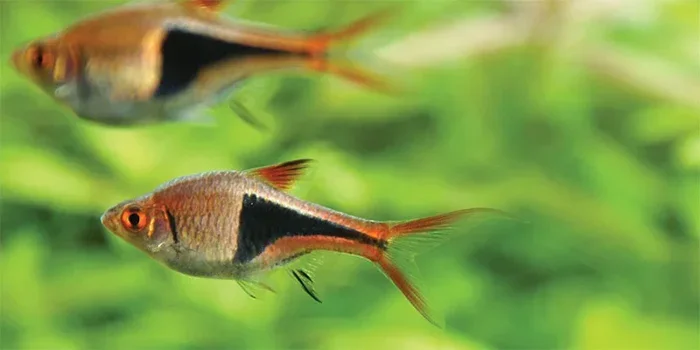
Male betta fish can live with certain peaceful species like tetras, snails, and shrimp when the tank is set up correctly. Choosing the right betta fish tank mates reduces stress and keeps your aquarium thriving. This guide covers the safest companions, setup tips, and common mistakes to avoid.
Keeping a male betta fish can be one of the most rewarding experiences for a fish keeper. But if you are wondering what can live with betta fish male, you are not alone. Many aquarium owners want to create a vibrant community tank without putting their betta at risk. The good news is that several species can share a tank peacefully with a male betta. You just need to pick the right betta fish tank mates and set up the environment properly.
In this guide, we will walk you through the best companions for a male betta. We will cover tetras, snails, shrimp, and other peaceful species. You will also learn about setup tips, common mistakes, and how to keep everyone healthy and happy. Whether you are a beginner or a seasoned aquarist, this article has practical advice you can use right away.
Key Takeaways
- Tetras make excellent companions: Small, peaceful tetras like neon and ember tetras coexist well with male bettas.
- Snails are low-risk tank mates: Nerite and mystery snails won’t bother your betta and help keep the tank clean.
- Shrimp can work with care: Ghost and amano shrimp are good options if you provide plenty of hiding spots.
- Avoid aggressive or flashy fish: Fish with bright colors or long fins may trigger your betta’s aggression.
- Tank size and setup matter: A well-planted 10+ gallon tank gives all inhabitants space to thrive.
- Monitor behavior closely: Watch for signs of stress or aggression and be ready to separate fish if needed.
📑 Table of Contents
- Why Choosing the Right Tank Mates Matters for Male Bettas
- Best Fish That Can Live With a Male Betta
- Can Snails Live With Male Betta Fish?
- Can Shrimp Live With Male Betta Fish?
- Fish and Creatures to Avoid With Male Bettas
- How to Set Up a Tank for Male Bettas and Their Companions
- Expert Tips for a Thriving Betta Community Tank
- Final Thoughts on What Can Live With Betta Fish Male
Why Choosing the Right Tank Mates Matters for Male Bettas
Male bettas are known for their flowing fins and bright colors. They are also known for being territorial. In the wild, bettas defend their space from other males. This natural behavior means that picking the wrong tank mates for betta can lead to fights, stress, and even death. A stressed betta may stop eating, lose color, or develop health problems.
On the other hand, the right companions can make your betta feel more secure. A well-planned community tank looks beautiful and gives your fish mental stimulation. The key is choosing species that do not trigger your betta’s aggression. You also want fish that share similar water conditions. Bettas prefer warm water around 78-80°F and a pH between 6.5 and 7.5. If you pick tank mates that need very different conditions, nobody wins.
What Makes a Fish Compatible with Male Bettas?
Not every fish can handle living with a betta. Here are the main factors that determine betta fish compatibility:
- Temperament: The fish should be peaceful and not nip at fins.
- Size: Avoid fish that are too large or too small. Small fish may get eaten, and large fish may bully the betta.
- Color and fin length: Fish that look like bettas or have bright colors can trigger territorial behavior.
- Swimming level: Choose fish that stay in different parts of the tank to reduce conflict.
- Water parameters: The species must thrive in the same warm, slightly acidic to neutral water that bettas prefer.
When you keep these factors in mind, you set yourself up for success. A betta community tank can be a stunning display when all the inhabitants get along.
Best Fish That Can Live With a Male Betta
So, what fish can live with a male betta? Several species have proven to work well over the years. Let us look at the top options.
Neon Tetras and Ember Tetras
Can male betta fish live with tetras? Yes! Tetras are some of the best companions for bettas. Neon tetras and ember tetras are small, peaceful, and stay in the middle and upper parts of the tank. They do not bother bettas, and their bright colors add life to the aquarium. A school of 6-8 tetras works well in a 10-gallon tank or larger.
Tetras are also easy to care for. They eat standard flake or pellet food and do well in warm water. Just make sure you buy them from a reputable source to avoid introducing diseases into your tank.
Corydoras Catfish
Corydoras catfish are bottom dwellers that mind their own business. They spend most of their time scavenging the substrate, which means they stay out of your betta’s way. Pygmy corys and peppered corys are great choices because they stay small and peaceful. These little fish add movement at the bottom of the tank without creating any drama.
Kuhli Loaches
Kuhli loaches are quirky, eel-like fish that prefer to hide during the day. They come out at night to explore and eat leftover food. Because they stay mostly hidden, they rarely interact with your betta. A group of 3-5 kuhli loaches adds interesting behavior to a betta fish tank setup.
Can Snails Live With Male Betta Fish?
Can male betta fish live with snails? Absolutely! Snails are among the safest and easiest tank mates for male bettas. They do not compete for territory, they do not nip fins, and they help keep the tank clean by eating algae and leftover food.
Nerite Snails
Nerite snails are a top pick for betta tanks. They are small, attractive, and great at eating algae. Nerites stay small enough that they will not bother your betta, and their hard shells protect them from any minor nips. They also cannot reproduce in freshwater, which means you will not end up with a snail overpopulation problem.
Mystery Snails
Mystery snails are larger and more visible than nerites. They come in beautiful colors like purple, blue, and gold. Most male bettas ignore mystery snails because their shell is too big to bother with. These snails also help clean up excess food and algae, making them useful members of the tank crew.
Aquatic Snails as Part of a Betta Fish Cohabitation Strategy
Adding snails is one of the simplest ways to build a peaceful community tank. They require very little care and add a natural cleaning crew. If you are new to keeping betta fish tank mates, snails are the best place to start.
Can Shrimp Live With Male Betta Fish?
Can male betta fish live with shrimp? This is a common question, and the answer is yes, with some caveats. Shrimp can work well as tank mates, but you need to choose the right species and provide plenty of hiding spots. Your betta may view small shrimp as food, so the shrimp need places to retreat.
Ghost Shrimp
Ghost shrimp are translucent and very affordable. They are fast breeders, which means even if your betta catches a few, the population can sustain itself. Ghost shrimp stay at the bottom of the tank and eat leftover food and algae. They are a good option if you want low-maintenance cleanup crew members.
Amano Shrimp
Amano shrimp are larger and more resilient than ghost shrimp. They are excellent algae eaters and can hold their own in a community tank. Because they are bigger, bettas are less likely to try to eat them. Amanos add a lot of value to a betta community tank by keeping algae under control.
Cherry Shrimp
Cherry shrimp are colorful and fun to watch. However, they are small and may become a snack for some male bettas. If you want to keep cherry shrimp, make sure your tank has lots of plants and moss where they can hide. Not every betta will hunt shrimp, so results can vary.
Fish and Creatures to Avoid With Male Bettas
Just as important as knowing what works is knowing what does not. Some species should never be kept with a male betta. Here are the ones to steer clear of.
Other Male Bettas
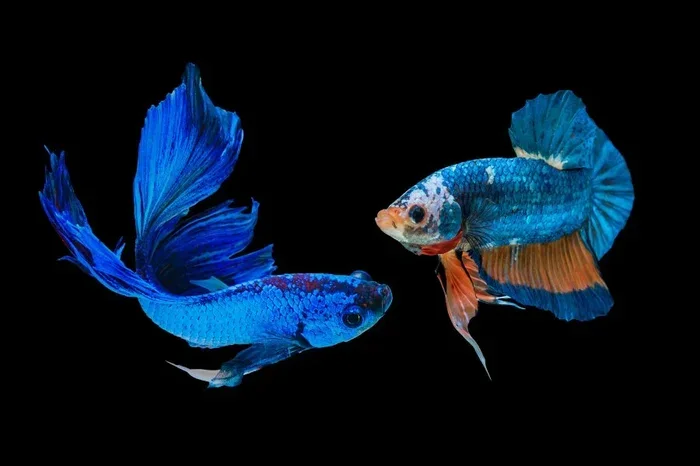
Never house two male bettas together. They will fight, and the results can be fatal. This is the golden rule of betta keeping. Even in large tanks with plenty of hiding spots, male bettas will often attack each other. If you want multiple bettas, keep only females together or use a divided tank.
Goldfish
Goldfish need cold water, while bettas need warm water. These two species have completely different temperature needs, so keeping them together is a bad idea. Goldfish also grow large and produce a lot of waste, which can harm your betta’s water quality.
Guppies with Bright Colors
Male guppies have bright colors and long fins that can trigger a betta’s aggression. While some keepers report success, it is a risky pairing. If your betta is particularly aggressive, guppies are not worth the chance.
Fish with Long Fins or Bright Colors
Any fish that looks like a betta or has flowing fins can set off territorial behavior. This includes male guppies, angelfish, and some species of gouramis. Stick to plain-colored, peaceful fish that stay away from your betta’s territory.
How to Set Up a Tank for Male Bettas and Their Companions
A good setup makes all the difference when keeping what can live with betta fish male together. Here are the essentials for a successful community tank.
Tank Size
A 10-gallon tank is the minimum size for a betta with a few tank mates. A larger tank, like 20 gallons, gives everyone more space and reduces aggression. The more room your fish have, the less likely they are to clash over territory.
Plants and Hiding Spots
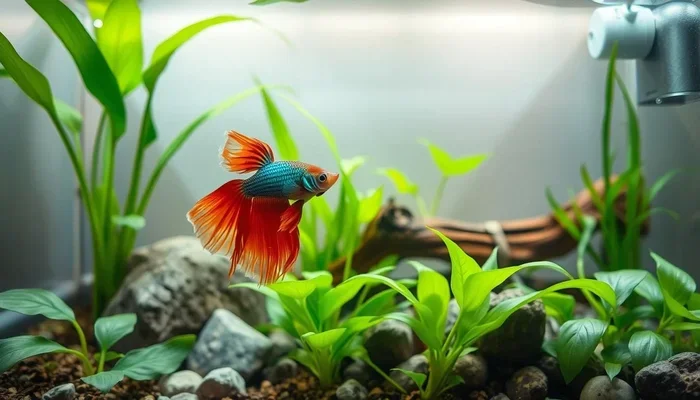
Live plants are your best friend in a betta community tank. Plants like java moss, amazon sword, and anubias provide hiding spots that break up sightlines. This helps reduce stress for all fish. Your betta will feel more secure, and shy species like kuhli loaches will feel safe enough to come out.
Filtration and Water Quality
Use a gentle filter that does not create too much current. Bettas prefer still or slow-moving water, and strong filters can stress them out. A sponge filter works well for community tanks. Test your water regularly with a kit to keep ammonia and nitrite at zero. Perform weekly water changes of 25-30% to maintain good quality.
Feeding Tips for a Multi-Species Tank
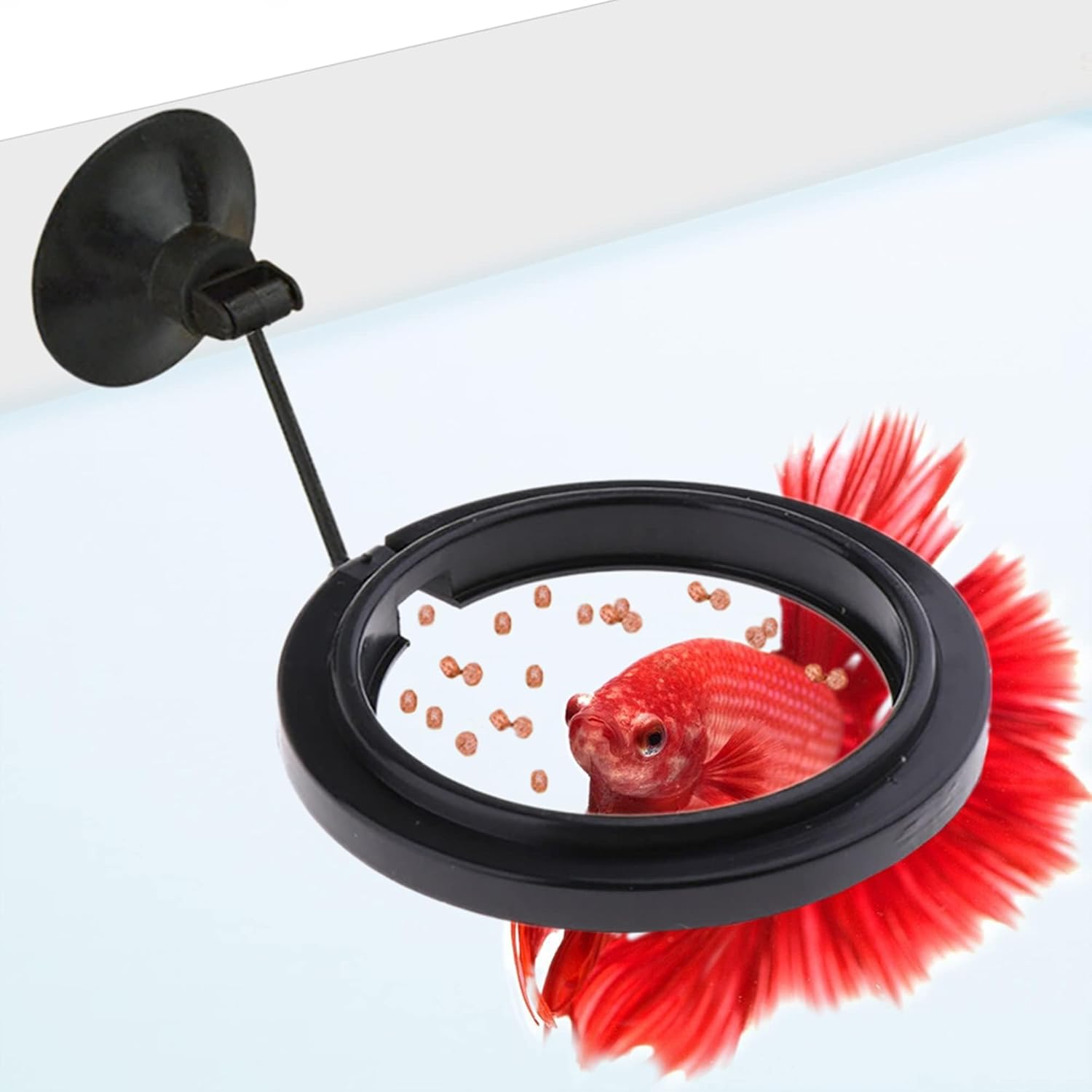
Feeding a community tank takes a little planning. Bettas are carnivores and need protein-rich food. Tetras and corydoras do well with flake or pellet food. Snails and shrimp need algae wafers or blanched vegetables. Feed your betta first with a high-quality pellet, then scatter food for the other inhabitants. Make sure everyone gets enough to eat without overfeeding the tank.
Expert Tips for a Thriving Betta Community Tank
Building a successful betta fish community tank takes patience and observation. Here are some expert tips to help you along the way.
- Introduce tank mates before the betta: This prevents your betta from claiming the entire tank as its territory before other fish arrive.
- Watch for fin nipping: If you see your betta chasing or nipping at other fish, separate the aggressor immediately.
- Quarantine new fish: Always quarantine new arrivals for 2-4 weeks before adding them to your main tank. This prevents disease outbreaks.
- Keep the lights dim: Bright lights can stress bettas. Use floating plants or dim LED lights to create a calm environment.
- Have a backup plan: Keep a small quarantine tank ready in case you need to separate fish at any time.
Following these tips will help you create a harmonious aquarium where your betta and its companions can thrive together. Remember, every fish has its own personality. Some bettas are more docile and will accept a wider range of tank mates, while others are more aggressive. Pay attention to your fish and adjust as needed.
Final Thoughts on What Can Live With Betta Fish Male
Finding the right companions for your male betta fish is one of the most enjoyable parts of aquarium keeping. The best betta fish tank mates include peaceful tetras, bottom-dwelling corydoras, helpful snails, and carefully chosen shrimp. Avoid aggressive or flashy species that can trigger your betta’s territorial instincts. Set up your tank with plenty of plants, hiding spots, and gentle filtration to give everyone room to thrive.
Start with one or two new species, observe how they interact, and build your community gradually. A well-planned betta community tank is a joy to watch and a testament to your skills as a fish keeper. With the right choices and a little patience, you can create a beautiful underwater world where your male betta and its companions live in harmony.
Frequently Asked Questions
Can a male betta live with neon tetras?
Yes, neon tetras are one of the best tank mates for male bettas. They are peaceful, small, and stay in the middle of the tank, which reduces conflict. Just make sure your tank is at least 10 gallons and has plenty of plants.
Will a male betta eat shrimp?
Some male bettas will try to eat small shrimp, especially if they are hungry or the shrimp are very small. Ghost shrimp and amano shrimp are safer choices because they are faster and larger. Providing plenty of hiding spots helps protect shrimp from curious bettas.
Can snails and bettas live together peacefully?
Yes, snails like nerite snails and mystery snails are excellent tank mates for male bettas. They do not bother the betta, and the betta usually ignores them. Snails also help keep the tank clean by eating algae and leftover food.
What is the best tank size for a male betta with tank mates?
A 10-gallon tank is the minimum recommended size for a male betta with a few companions. A 20-gallon tank is even better because it gives all the fish more space and reduces territorial behavior. Larger tanks are always easier to maintain stable water conditions in.
Can you keep corydoras catfish with a male betta?
Yes, corydoras catfish make great tank mates for male bettas. They are peaceful bottom dwellers that do not interact much with bettas. Pygmy corys and peppered corys are ideal because they stay small and share the same warm water preferences.
How do you know if your betta is stressed by tank mates?
Signs of stress include clamped fins, loss of color, refusing to eat, and hiding constantly. If you notice any of these signs, check the water parameters first. If the water is fine, your betta may not be getting along with its tank mates, and you may need to separate them.