What Can Betta Fish Do for Fun
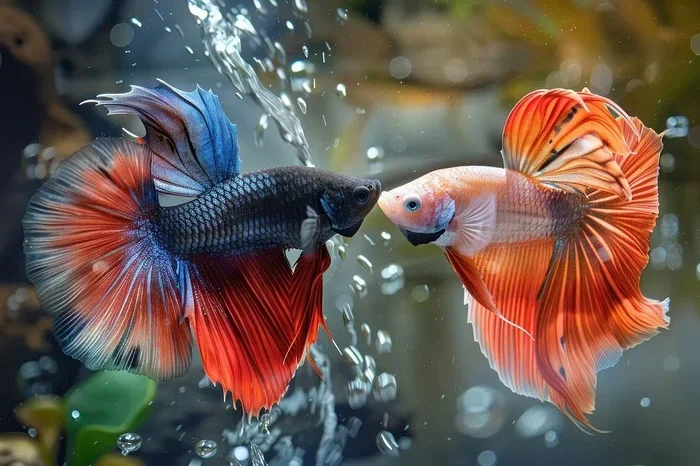
So, what can betta fish do for fun? These colorful little fish are smarter than most people think, and they love exploring, playing, and interacting with their environment. From chasing toys to following your finger, bettas thrive when they have mental stimulation and enrichment in their tank.
Key Takeaways
- Betta fish are naturally curious and need fun activities to stay healthy and happy.
- Training your betta to do tricks is one of the most rewarding ways to bond with your fish.
- A well-designed tank with plants, caves, and open space gives your betta plenty to explore.
- Watch for signs of boredom like lethargy or repetitive behavior, and adjust their environment.
- Simple additions like floating logs and mirrors can spark hours of natural play behavior.
- Consistency and variety in enrichment keep your betta mentally sharp and engaged.
📑 Table of Contents
- What Can Betta Fish Do for Fun? Let’s Find Out!
- Why Betta Fish Need Fun and Stimulation
- Fun Activities You Can Try With Your Betta Fish
- How to Set Up a Fun and Engaging Tank
- Signs Your Betta Fish Is Bored or Happy
- Expert Tips for Keeping Your Betta Fish Entertained
- Common Mistakes That Bore Your Betta Fish
- Final Thoughts
What Can Betta Fish Do for Fun? Let’s Find Out!
If you own a betta fish, you might wonder what goes on inside that little head. Are they just swimming around, or is there more happening? The truth is, betta fish are surprisingly active and curious creatures. They explore, they play, and they even learn. Giving them fun things to do isn’t just nice — it’s essential for their well-being.
When you think about what can betta fish do for fun, the answer might surprise you. These fish have personality, memory, and preferences. They can recognize their owners, follow fingers, and even learn simple tricks. A bored betta fish can become stressed, which leads to health problems. So let’s dive into the many ways you can keep your betta entertained and thriving.
In this guide, we’ll cover everything from tank setup ideas to hands-on activities you can try today. Whether you’re a new betta owner or a seasoned fish keeper, you’ll find practical tips that make a real difference. Let’s get started.
Why Betta Fish Need Fun and Stimulation
Betta fish come from warm, shallow waters in Southeast Asia. In the wild, they navigate rice paddies, streams, and flooded fields. There’s always something to explore — plants to hide in, insects to catch, and territory to claim. Even in a home tank, that natural curiosity doesn’t go away.
Without stimulation, bettas can get bored. Just like a dog left alone all day, a bored fish may develop bad habits. You might notice your betta pacing, staring at the same spot, or losing interest in food. These are signs that something needs to change.
Fun and enrichment aren’t just extras. They’re part of basic betta care. When your fish has things to do, it stays active, eats better, and shows off its beautiful colors more often. A stimulated betta is a happy betta, and a happy betta lives longer.
The Science Behind Betta Fish Behavior
Studies on fish behavior show that bettas can remember things for weeks. They learn to associate certain actions with outcomes. For example, your betta might swim to the front of the tank when it sees you because it knows feeding time is near. That’s not just coincidence — that’s actual cognitive ability.
Bettas also respond to their environment in real time. They notice changes in light, movement, and objects around them. This is why rearranging tank decor occasionally can feel like a fresh adventure for your fish. It gives them something new to investigate and keeps their brain engaged.
Fun Activities You Can Try With Your Betta Fish
Now for the fun part — what can you actually do to entertain your betta? There are plenty of simple, low-cost activities that bettas genuinely enjoy. Here are some of the best ones.
Teach Your Betta to Follow Your Finger
This is one of the simplest and most satisfying activities. Just place your finger on the outside of the tank and move it slowly. Most bettas will follow it. Over time, you can guide your fish from one side to the other. Some owners even train their bettas to swim through hoops or follow a pen cap on a string.
If you want to take this further, look into can you train a betta fish to do tricks. The training process uses positive reinforcement, just like with dogs. A small food reward goes a long way. Start with simple movements and build up to more complex ones. Your betta will surprise you with how fast it learns.
Use a Mirror for Short Play Sessions
Hold a small mirror near the tank for a few minutes. Your betta will see its own reflection and likely flare its gills and fins. This is a natural territorial response, and it gives your fish a good workout. But don’t overdo it — limit mirror time to five or ten minutes. Too much mirror exposure can stress your betta out.
Floating Toys and Log Exploration
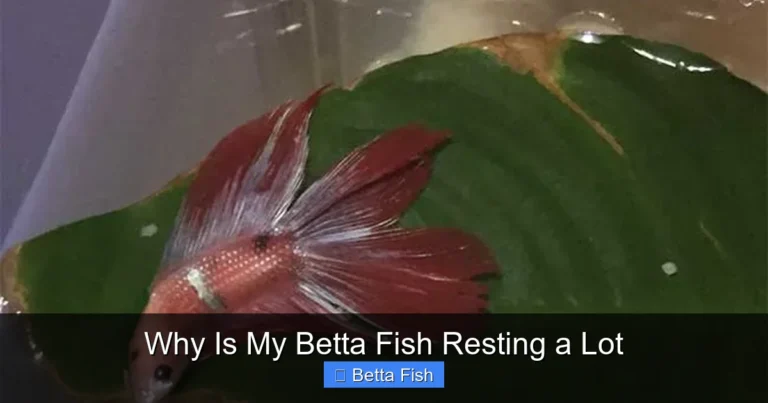
Betta fish love to explore. A floating log or a small toy that rests on the water’s surface gives them something to investigate. Some bettas will push floating balls around the tank, almost like playing with a toy. You can find betta-safe floating toys at most pet stores, or get creative with clean, aquarium-safe objects.
Create a Feeding Puzzle
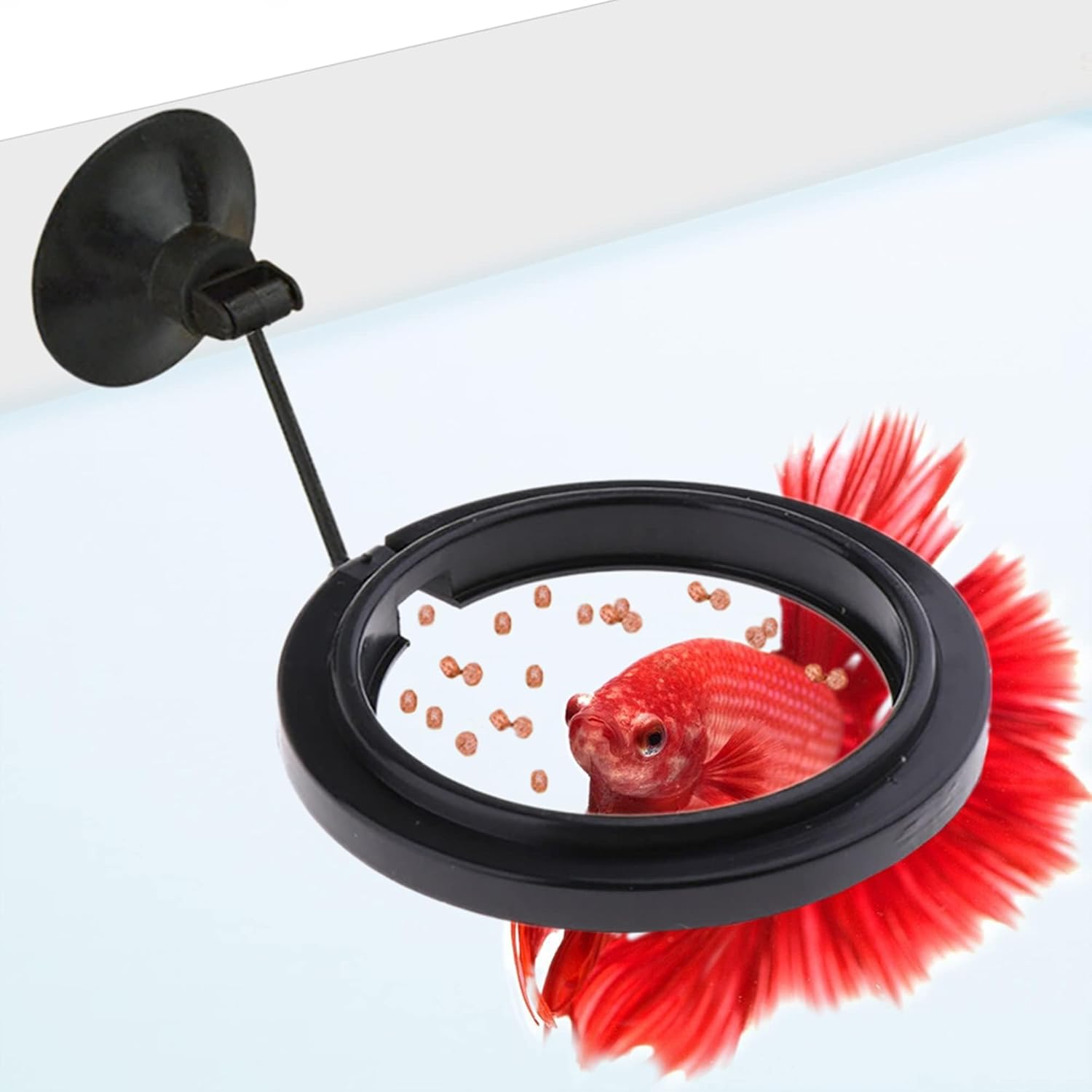
Instead of just dropping food into the tank, make your betta work for it. Use a feeding ring or place food on a small plate at the bottom. You can also try releasing food slowly so your fish has to hunt for it. This mimics natural foraging behavior and keeps your betta mentally sharp. It’s one of the easiest ways to add fun to feeding time.
How to Set Up a Fun and Engaging Tank
The environment your betta lives in plays a huge role in how active and happy it is. A bare tank with nothing but gravel and a filter is dull. But a well-decorated tank becomes a playground. Let’s talk about how to build one.
If you’re not sure where to start, check out what all do you need for a betta fish tank to make sure you have the right foundation. A good tank setup includes hiding spots, open swimming areas, and visual variety. All of these elements contribute to a more stimulating environment.
Add Live or Silk Plants
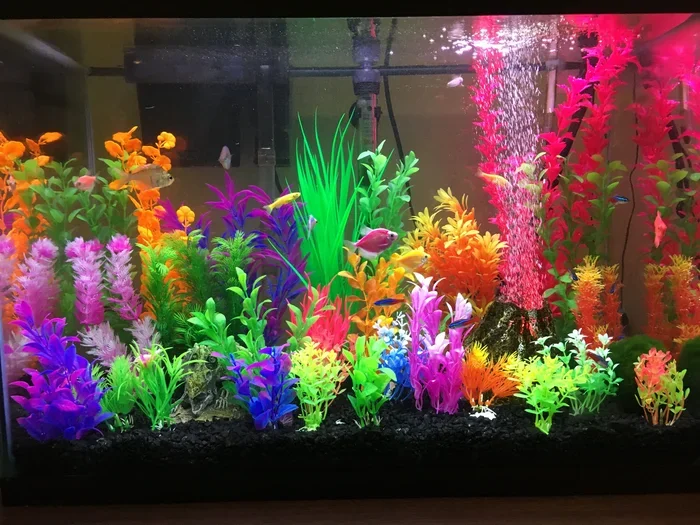
Plants give your betta places to explore, hide, and rest. Live plants are best because they also improve water quality. But silk plants work well too — just make sure they have no sharp edges. Betta fish love to swim through leaves and rest on broad plant surfaces. A few strategically placed plants can turn a plain tank into a lush jungle your fish will enjoy.
Include Caves and Hideouts
Bettas feel safe when they have places to hide. Caves, tunnels, and overhangs give them a sense of security. When your fish feels safe, it’s more likely to explore and play. You can use small ceramic caves, coconut shells, or even PVC pipes turned into decorative hideouts.
Use Appropriate Lighting
Lighting does more than make your tank look pretty. It affects your betta’s mood and activity levels. A good LED light with a day-night cycle helps regulate your fish’s natural rhythms. Some owners use lights that slowly change color, which can encourage your betta to explore different areas of the tank. If you’re curious about lighting options, you can learn more about can you have fish light for betta fish and how it impacts their behavior.
Keep the Tank Clean and Comfortable
A clean tank is a fun tank. Poor water quality makes fish sluggish and unhappy. Regular water changes, proper filtration, and stable temperature all contribute to a healthy, stimulating environment. Your betta will be more active and playful when the water is fresh and comfortable.
Signs Your Betta Fish Is Bored or Happy
How do you know if your betta is having fun or feeling down? Fish can’t tell us with words, but their behavior says a lot. Here’s how to read the signs.
Signs of a Happy, Engaged Betta
- Active swimming — your betta moves around the whole tank, not just staying in one spot.
- Flaring and displaying fins — this shows confidence and curiosity.
- Coming to the front of the tank when you approach — a sign of recognition and excitement.
- Exploring new objects — your fish investigates new decor or toys right away.
- Healthy appetite — a happy betta eats eagerly and with energy.
Signs of a Bored or Stressed Betta
- Lethargy — your fish stays at the bottom or floats in one place for long periods.
- Loss of color — dull colors often signal stress or boredom.
- Repetitive behavior — swimming the same loop over and over without purpose.
- Hiding constantly — while some hiding is normal, excessive hiding suggests unhappiness.
- Refusing food — a stressed betta may lose interest in eating.
If you notice any of the boredom signs, it’s time to switch things up. Rearrange the decor, introduce a new toy, or try a training session. Small changes can make a big difference in your betta’s mood and energy.
Expert Tips for Keeping Your Betta Fish Entertained
Keeping a betta fish entertained doesn’t require expensive equipment or hours of effort. A few simple habits can make all the difference. Here are some tips from experienced betta keepers.
Rotate Decor and Toys Regularly
Just like you’d get bored with the same room layout forever, your betta gets tired of the same view. Every few weeks, move things around or swap out a toy. This creates a sense of novelty that keeps your fish curious and active. Even rearranging plants slightly can spark fresh exploration.
Talk to Your Betta
It sounds silly, but bettas respond to sound and vibration. Many owners notice their fish swimming toward the tank when they talk. Your voice is something new and interesting. It also helps your betta get used to you, which builds trust and makes training easier. So go ahead — chat with your fish during your morning routine.
Introduce New Experiences Gradually
Sudden changes can stress your betta. If you want to add new decor or try a different enrichment activity, do it slowly. Give your fish time to adjust to each change. This approach keeps things exciting without overwhelming your pet.
Use Food as a Fun Tool
Mealtime doesn’t have to be boring. Try feeding from your fingers, using a turkey baster to target-feed, or placing food in different spots around the tank. This encourages natural hunting behavior and gives your betta something to look forward to. Just make sure you don’t overfeed — stick to small portions twice a day.
Consider Tank Mates (With Caution)
Some bettas enjoy the company of small, peaceful tank mates like snails or shrimp. However, bettas can be territorial, so introductions should be done carefully. Not every betta will tolerate companions. Watch your fish’s behavior closely and be prepared to separate them if needed. For more on this topic, you can explore can you use same grave for betta and gold fish — while goldfish aren’t ideal companions, the article covers important considerations about tank mate compatibility.
Common Mistakes That Bore Your Betta Fish
Sometimes, the things we do accidentally make our bettas less happy. Here are common mistakes to avoid.
- Keeping the tank too small. A tiny bowl offers no room to explore. Even for a betta, more space means more opportunities for fun and exercise.
- Skipping enrichment entirely. Many owners focus only on feeding and water changes. They forget that bettas need mental stimulation just like any other pet.
- Using sharp or rough decor. This can injure your betta and make the tank feel unsafe. Always choose smooth, aquarium-safe materials.
- Ignoring the light cycle. Too much light or no light at all disrupts your betta’s natural rhythm and can lead to stress.
- Never changing the routine. Predictability is good, but total monotony is bad. Small, regular changes keep things interesting for your fish.
Avoiding these mistakes sets the stage for a happy, active betta. Combine these tips with the fun activities we’ve discussed, and you’ll have a thriving, entertained fish that brings joy to your home every day.
Final Thoughts
So, what can betta fish do for fun? More than you might think. They explore, they play, they learn tricks, and they interact with their owners in meaningful ways. The key is to give them an environment that challenges their mind and satisfies their natural curiosity.
Keeping your betta entertained doesn’t have to be complicated. Simple changes — a new plant, a floating toy, a short training session — can transform your fish’s daily life. Pay attention to your betta’s behavior, adjust as needed, and enjoy the process. A happy betta is a beautiful betta, and there’s nothing quite like watching your fish thrive in an environment you’ve thoughtfully created.
Start today. Pick one or two ideas from this article and try them this week. You might be amazed at what your betta can do for fun. And the best part? You’ll build a deeper connection with your fish in the process. That’s a win for both of you.
Frequently Asked Questions
Can betta fish get bored?
Yes, betta fish can absolutely get bored. Without stimulation, they may become lethargic, lose interest in food, or display repetitive behaviors. Adding variety to their tank and spending time interacting with them helps prevent boredom.
How do I know if my betta fish is happy?
A happy betta is active, curious, and has bright, vibrant colors. It will explore the tank, come to the front when you approach, and eat eagerly. If your fish shows these behaviors, it’s likely content and engaged with its environment.
Can I train my betta fish to do tricks?
Yes, betta fish can learn simple tricks like following your finger, swimming through hoops, or jumping for food. Training works best with positive reinforcement and patience. Keep sessions short and always use food rewards your fish loves.
What toys are safe for betta fish?
Safe betta toys include floating logs, silk plants, small balls, and aquarium-safe tunnels. Avoid toys with sharp edges, small parts that can break off, or materials not designed for aquarium use. Always check that any item is non-toxic and fish-safe before adding it to the tank.
How often should I change my betta’s tank setup?
You don’t need to change the setup often, but small adjustments every few weeks keep things fresh. Move a plant here, rearrange a decoration there, or introduce a new toy. Avoid major changes all at once, as this can stress your betta.
Do betta fish like music or sounds?
Bettas can respond to sounds and vibrations, especially the sound of their owner’s voice. Some fish seem curious about soft music or ambient sounds. However, loud noises or sudden sounds can startle them. Keep the environment calm and consistent around your tank.
=== END OF ARTICLE ===