What Can Betta Fish Coexist
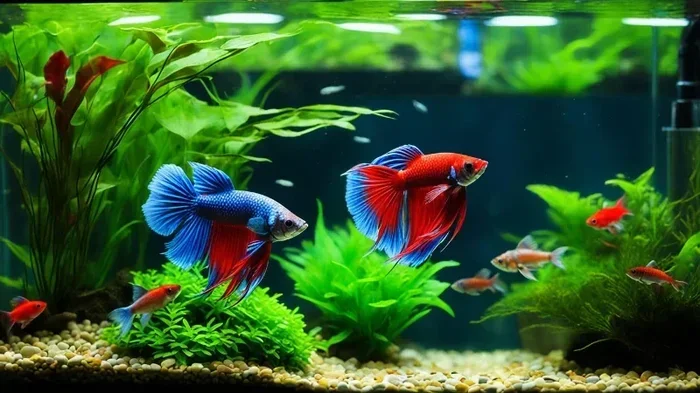
Knowing what can betta fish coexist with is essential for creating a peaceful aquarium. The right tank mates — like snails, shrimp, and certain community fish — can transform your betta’s tank into a thriving ecosystem. This guide covers the best companions, fish to avoid, and proven tips to keep everyone healthy and happy.
When you bring a betta fish home, the excitement doesn’t have to stop at one fish. Many aquarium lovers want to build a vibrant community tank. But the big question is, what can betta fish coexist with safely? The answer isn’t always straightforward. Bettas have unique personalities and territorial instincts. Some get along great with other species. Others prefer to live alone. This guide breaks it all down for you.
You’ll learn which fish, snails, and shrimp make ideal companions. You’ll also discover which species to avoid at all costs. Whether you’re a beginner or a seasoned hobbyist, this article gives you practical, actionable advice. Let’s dive in and build a harmonious tank together.
## Understanding Betta Fish Behavior
Before you add any tank mates, you need to understand how bettas behave. Each fish has its own personality. Some bettas are calm and relaxed. Others are fiercely territorial. This behavior shapes everything when choosing what can betta fish coexist with.
### The Territorial Nature of Bettas
Betta fish, also called Siamese fighting fish, are naturally territorial. In the wild, they claim small areas of rice paddies and slow-moving streams. Male bettas, in particular, will defend their space aggressively. They flare their gills and spread their fins to warn off intruders.
This doesn’t mean you can never add companions. It just means you need to be strategic. A well-planned tank setup reduces territorial behavior significantly.
### Personality Traits You Should Know
Every betta has a unique temperament. Here are some common traits you might see:
- Peaceful bettas: These fish tolerate other species well. They rarely show aggression.
- Moderate bettas: They do fine with tank mates most of the time. But they may flare or chase occasionally.
- Highly aggressive bettas: These fish do best alone. Adding tank mates can cause stress and injury.
Knowing your betta’s personality helps you pick the right companions. Spend a few days observing your fish before making any additions.
## Best Tank Mates for Betta Fish
So, what fish can live with a betta happily? Several species make excellent companions. The key is choosing peaceful, non-aggressive fish that share similar water preferences.
### Peaceful Community Fish
Some community fish coexist beautifully with bettas. These species are calm and stay out of the betta’s way. Here are some top choices:
- Corydoras catfish: These bottom-dwelling fish are gentle and fun to watch. They stay busy at the tank floor and rarely bother bettas.
- Neon tetras: Small, colorful, and peaceful. They school together and keep to themselves.
- Harlequin rasboras: These active swimmers add movement without triggering aggression.
- Pygmy corys: A smaller cory species that works well in compact tanks.
All of these fish prefer warm water around 76-80°F, which matches a betta’s ideal range. That makes water maintenance much easier.
### Snail Companions
Snails are some of the best companions for bettas. They clean algae off the tank walls and don’t bother your fish at all. If you’re wondering what can betta fish coexist with that requires zero drama, snails are the answer.
- Nerite snails: These hardy snails are excellent algae eaters. They won’t reproduce in freshwater, so population control is easy.
- Mystery snails: Colorful and slow-moving. Bettas usually ignore them completely.
- Rabbit snails: Larger and peaceful. They add variety to the tank bottom.
Most snails thrive in the same warm, slightly acidic water that bettas prefer. They’re low-maintenance and fascinating to watch.
### Shrimp as Tank Mates
Shrimp add a unique touch to any betta tank. They clean up leftover food and keep the environment healthy. What can betta fish coexist with that adds cleaning power? Shrimp, for sure.
- Amano shrimp: Larger and hardy. Bettas rarely bother them because of their size.
- Cherry shrimp: Bright red and visually striking. They breed easily and add color to the tank.
- Ghost shrimp: Transparent and affordable. A great option for beginners testing the waters.
Some bettas may try to eat small shrimp. But many leave them alone, especially if there’s plenty of food and hiding spots.
## Fish to Avoid With Bettas
Knowing what to avoid is just as important as knowing what works. Certain fish species will cause stress, injury, or worse for your betta.
### Aggressive Species
Some fish are naturally aggressive and will clash with bettas. Avoid these at all costs:
- Tiger barbs: Fin-nippers by nature. They will tear up your betta’s beautiful fins.
- Angelfish: These can grow large and become territorial. They may bully or attack bettas.
- Cichlids: Most cichlid species are too aggressive for a peaceful community tank with bettas.
- Gouramis: Surprisingly, some gouramis are aggressive toward bettas despite their similar appearance.
### Fish With Similar Fins
Bettas are drawn to long, flowing fins. Unfortunately, this can trigger aggression toward fish with similar fin shapes. Avoid fish like:
- Male guppies: Their long tails can trigger a betta’s territorial instincts.
- Male mollies: Similar fin shapes often lead to confrontation.
- Swordtails: Their elongated tails can cause bettas to flare and chase.
Stick to fish with short, plain fins to minimize conflict.
## Setting Up a Successful Community Tank
A great tank setup makes all the difference. When you plan the environment well, what can betta fish coexist with expands significantly.
### Tank Size Requirements
Size is the foundation of a peaceful community tank. A single betta needs at least 5 gallons. But if you want tank mates, go bigger.
- 10-gallon tank: Works for a betta plus one or two small companions.
- 20-gallon tank: Ideal for a betta community. Enough space for multiple species to coexist comfortably.
- 30+ gallons: Perfect for larger groups and diverse species.
More space means less territorial conflict. Fish have room to establish their own areas without constant confrontation.
### Essential Tank Setup Tips
A well-decorated tank reduces stress for everyone. Here’s what you need:
- Live plants: Plants like java fern and anubias provide natural hiding spots. They also improve water quality.
- Hiding places: Caves, driftwood, and decorations give fish places to retreat when feeling threatened.
- Gentle filtration: Bettas prefer slow water flow. Sponge filters work great for community tanks.
- Substrate: A soft, fine gravel or sand substrate suits both bettas and bottom-dwelling companions.
### Water Parameters for a Mixed Tank
Keeping stable water conditions is critical. All species in the tank must share similar preferences. Here’s a quick reference:
- Temperature: 76-80°F (24-27°C)
- pH: 6.5-7.5
- Ammonia: 0 ppm
- Nitrite: 0 ppm
- Nitrate: Below 20 ppm
Regular water testing and partial water changes keep these parameters stable. A stable environment keeps all your fish healthy and calm.
## How to Introduce New Tank Mates
Adding new fish to a betta tank requires patience. A rushed introduction can lead to aggression and stress. Follow these steps for a smooth transition.
### Step-by-Step Introduction Process
- Quarantine new fish first: Keep new arrivals in a separate tank for 2-4 weeks. This prevents disease from spreading to your betta.
- Rearrange the tank: Before adding new fish, move decorations around. This disrupts established territories and reduces aggression.
- Add tank mates first: Place the new fish in the tank before your betta sees them. This gives the newcomer time to settle in.
- Observe closely: Watch for chasing, flaring, or hiding. Some initial aggression is normal. But persistent bullying means you need to separate the fish.
- Feed well: A well-fed betta is less likely to show aggression. Offer food before and after introductions.
### Signs of a Successful Introduction
You know the introduction worked when you see:
- Fish swimming calmly together
- No chasing or flaring after the first few hours
- All fish eating normally
- No hiding or stress behaviors after 24-48 hours
If things aren’t going well, have a backup plan. A small quarantine tank can save a fish from serious harm.
## Common Mistakes to Avoid
Even experienced aquarists make mistakes when setting up a betta community tank. Here are the most common errors and how to avoid them.
### Overcrowding the Tank
Too many fish in a small space creates stress and aggression. Always research the adult size of each species before adding them. A crowded tank leads to poor water quality and territorial fights.
### Ignoring Water Quality
Dirty water makes fish irritable and prone to disease. Test your water weekly and perform partial water changes every 1-2 weeks. Clean water is the foundation of a peaceful tank.
### Adding Too Many New Fish at Once
Introduce only one or two new fish at a time. Adding several species simultaneously overwhelms the tank and makes it impossible to identify which fish is causing problems.
### Skipping the Quarantine Period
New fish can carry diseases and parasites. Skipping quarantine puts your entire tank at risk. Always quarantine new arrivals for at least two weeks before introducing them to your betta.
## Expert Insights on Betta Cohabitation
Veterinarians and experienced aquarists agree on a few key principles for successful betta community tanks.
First, always match water parameter needs. Fish that thrive in different conditions will struggle in a shared environment. Second, observe your betta daily. Early signs of stress — like clamped fins or loss of appetite — tell you something isn’t right. Third, be prepared to separate fish if needed. A small backup tank can be a lifesaver.
Many experts also recommend starting with a larger tank. A 20-gallon or bigger tank gives fish more room to establish territories. This simple choice dramatically improves the chances of a peaceful community.
## Final Thoughts
Understanding what can betta fish coexist with opens up a world of possibilities for your aquarium. From peaceful corydoras to colorful mystery snails, the right companions bring your tank to life. The key is planning, patience, and observation.
Start with a well-set-up tank. Choose compatible species. Introduce new fish slowly. Monitor water quality regularly. And always pay attention to your betta’s behavior. With these steps, you’ll create a thriving community that both you and your fish will enjoy for years to come.
Remember, every betta is different. What works for one fish may not work for another. Trust your instincts, do your research, and never be afraid to adjust your setup. A happy betta means a happy aquarium.
Key Takeaways
- Choose peaceful species: Snails, shrimp, and gentle community fish make the best companions for bettas.
- Avoid fin-nippers and aggressive fish: Species like tiger barbs and cichlids can stress or harm your betta.
- Tank size matters: A minimum 20-gallon tank gives everyone enough space to thrive.
- Introduce tank mates slowly: A gradual introduction process reduces aggression and territorial behavior.
- Monitor water parameters: Stable temperature and pH keep both bettas and their companions healthy.
- Provide hiding spots: Plants and decorations reduce stress and help fish establish territories peacefully.
Frequently Asked Questions
Can betta fish live with goldfish?
No, bettas and goldfish should not live together. Goldfish need cooler water temperatures and produce a lot of waste. This creates an unhealthy environment for bettas. Their needs are simply too different for successful cohabitation.
How many tank mates can a betta have?
In a 20-gallon tank, you can usually keep a betta with 3-5 small, peaceful companions. The exact number depends on the species and tank setup. Always provide plenty of hiding spots and monitor behavior closely after adding new fish.
Can betta fish live with guppies?
Male guppies are not recommended because their long fins can trigger betta aggression. Female guppies are a safer option since they have shorter fins. However, some bettas may still chase or nip at them, so watch carefully during introductions.
Do bettas eat shrimp?
Some bettas will eat small shrimp, especially if they’re hungry or the shrimp are very tiny. Amano shrimp and larger cherry shrimp are less likely to be targeted. Providing plenty of food reduces the chance of your betta hunting shrimp.
What snails are safe with betta fish?
Nerite snails, mystery snails, and rabbit snails are all safe with bettas. They don’t bother fish and help keep the tank clean. Avoid apple snails, as they can grow very large and become active enough to bother your betta.
Can two female bettas live together?
Yes, female bettas can sometimes live together in a group called a sorority. This requires a tank of at least 20 gallons with plenty of hiding spots. Not all females get along, so careful observation is essential. Some aggression is normal, but persistent fighting means separation is needed.