What and What Not to Do with Betta Fish
Knowing what and what not to do with betta fish can make the difference between a thriving pet and a sickly one. This guide covers essential care dos and don’ts, from tank setup and feeding to tank mates and common mistakes. Whether you are a new betta owner or looking to improve your care routine, you will find practical tips that are easy to follow and apply right away.
Owning a betta fish is one of the most rewarding experiences for a fish keeper. These colorful creatures have personality, flair, and a charm that few other pets can match. But here is the thing many beginners miss: what and what not to do with betta fish matters just as much as loving your pet. A well-cared-for betta can live five to seven years, sometimes even longer. A neglected one might barely make it past a few months.
The gap between those two outcomes comes down to one simple thing: knowledge. This guide walks you through everything you need to know about caring for your betta fish the right way. We cover what you should do, what you must avoid, and the common pitfalls that trip up even well-meaning owners. By the end, you will have a clear roadmap to give your betta the best life possible.
Key Takeaways
- Choose the right tank size: A minimum of 5 gallons is essential for your betta fish to thrive, not just survive.
- Avoid small bowls and unfiltered tanks: These are the most common mistakes that shorten your betta fish lifespan.
- Feed properly and avoid overfeeding: A balanced diet with the right feeding schedule keeps your betta healthy and prevents water pollution.
- Pick compatible tank mates carefully: Not all fish get along with bettas, and choosing wrong can lead to aggression or injury.
- Maintain water quality regularly: Consistent water changes and proper filtration are non-negotiable for betta fish care.
- Watch for stress and illness signs: Early detection of common health issues saves lives and reduces treatment difficulty.
📑 Table of Contents
What You SHOULD Do with Betta Fish
Doing the right things for your betta fish starts with understanding their basic needs. These are not difficult tasks, but they do require consistency and attention. Let us break down the most important actions every betta owner should take.
Provide a Tank That Is Big Enough
The single best thing you can do for your betta fish is give it adequate space. Many people believe bettas thrive in tiny bowls, but this is a myth that needs to die. Betta fish care demands a minimum tank size of 5 gallons. A larger tank, around 10 gallons, is even better because it stabilizes water parameters more easily.
Here is why tank size matters so much:
- Larger water volumes dilute toxins like ammonia and nitrite.
- More space reduces stress and encourages natural behavior.
- A bigger tank supports a stable betta fish habitat with room for plants and hiding spots.
- Your betta fish lifespan depends heavily on living conditions.
A small bowl might look cute on a desk, but it is a death sentence for your fish over time. Invest in a proper tank from day one.
Keep the Water Clean and Cycled
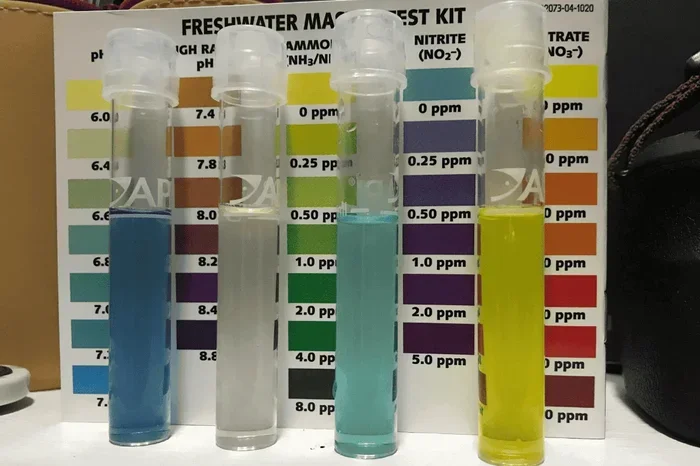
Clean water is the foundation of good betta fish housing. You need a fully cycled tank with beneficial bacteria that break down harmful waste. Do betta fish have to have water changes? Absolutely yes. Even in a cycled tank, regular partial water changes of 25 to 30 percent every week keep conditions ideal.
Here are the water parameters you should maintain:
- Temperature between 76 and 82 degrees Fahrenheit.
- pH level between 6.5 and 7.5.
- Zero ammonia and nitrite levels.
- Nitrate levels below 20 ppm.
A betta fish aquarium setup with a gentle filter and a heater is not optional. Bettas need warm, clean, and stable water to stay healthy. Skipping water changes or using untreated tap water introduces chlorine and chloramine, which are toxic to fish.
Feed a Balanced and Appropriate Diet
Feeding your betta the right food is one of the most overlooked aspects of betta fish care. Bettas are carnivores. They need protein-rich food that mimics what they would eat in the wild. High-quality betta pellets should form the staple of their diet.
You can supplement their meals with:
- Frozen or live bloodworms as an occasional treat.
- Brine shrimp for added nutrition and variety.
- Daphnia to aid digestion and add enrichment.
Feed your betta two to three small meals per day. Only give what they can consume within two to three minutes. Overfeeding is one of the most common causes of health problems and dirty water. If you ever notice your betta fish won’t eat, check the water quality first before assuming illness.
Add Plants and Enrichment
Bettas love to explore and hide. Adding live or silk plants gives them places to rest and feel secure. Live plants also help maintain water quality by absorbing nitrates. Avoid sharp plastic plants that can tear your betta’s delicate fins.
Other enrichment ideas include:
- Caves or hideouts made from fish-safe materials.
- Gentle current areas, since bettas prefer calm water.
- Occasional mirror exposure for short bursts of natural flaring behavior.
Creating a stimulating betta fish environment keeps your fish mentally healthy and active. A bored betta can become lethargic or stressed.
What You Should NEVER Do with Betta Fish
Knowing what not to do is just as important as knowing what to do. Many well-intentioned owners accidentally harm their bettas by following bad advice or making common assumptions. Let us go through the biggest mistakes you must avoid.
Never Keep Your Betta in a Tiny Unfiltered Bowl
This is the number one mistake in the betta fish world. Those small round bowls sold in pet stores are completely unsuitable. They lack filtration, heating, and enough space for your fish to move around. Do betta fish have to be in a filtered tank? Yes, without question. A filter helps maintain the nitrogen cycle and keeps the water free from harmful substances.
Keeping a betta in a bowl without a filter leads to:
- Rapid buildup of toxic ammonia.
- Stress and weakened immune system.
- Shortened betta fish lifespan, sometimes by years.
- Increased risk of bacterial and fungal infections.
If you currently keep your betta in a bowl, upgrading to a filtered tank is the single most impactful improvement you can make.
Never Overcrowd the Tank with Incompatible Tank Mates
Not every fish gets along with bettas. Do betta fish have to be kept alone? Not necessarily, but choosing the wrong companions can be disastrous. Aggressive fish like goldfish, guppies, and angelfish often clash with bettas. These tank mates may nip fins, compete for food, or stress your betta into hiding constantly.
If you want to add companions, consider peaceful species that occupy different levels of the tank. Some good options include:
- Cory catfish, which stay at the bottom and mind their own business.
- Neon tetras, which are small and tend to keep to themselves.
- Shrimp like ghost shrimp or amano shrimp, which rarely provoke aggression.
Always research compatibility before adding any new fish. And if you are unsure, do betta fish get along with shrimp is a great question to explore, as shrimp are often the safest companions. You should also check whether do betta fish do well with shrimp in your specific tank setup before making any additions.
Never Skip Water Changes or Use Untreated Water
Tap water contains chlorine and chloramine, which are lethal to fish. Never add tap water directly to your tank without treating it with a water conditioner. Products like Seachem Prime or API Water Conditioner neutralize these chemicals instantly.
Skipping regular water changes allows nitrate levels to creep up. High nitrates cause stress, reduce appetite, and make your betta vulnerable to disease. Even with a good filter, you must perform weekly water changes. Think of it like vacuuming your house. The filter catches debris, but it does not remove dissolved waste completely.
Never Overfeed Your Betta
It is tempting to give your betta extra food because they look so eager at feeding time. But overfeeding is one of the fastest ways to ruin your water quality. Uneaten food sinks to the bottom and decomposes, spiking ammonia levels within hours.
Signs of overfeeding include:
- Cloudy water shortly after feeding.
- A bloated or distended belly.
- Your betta refusing food at the next meal.
- Excess waste and algae blooms.
If your betta refuses food or won’t eat, do not keep offering more. Remove any uneaten food promptly and check your water parameters. Sometimes a skipped meal or two is actually healthy for bettas and helps their digestive system reset.
Never Ignore Signs of Stress or Illness
Bettas are good at hiding illness until it becomes serious. By the time you notice obvious symptoms, the problem may already be advanced. Watch for these warning signs:
- Clamped fins held close to the body.
- Loss of color or fading vibrancy.
- Lethargy and staying at the bottom of the tank.
- Rapid breathing or gasping at the surface.
- White spots, fuzzy patches, or torn fins.
If you notice any of these signs, test your water immediately and consider quarantine if you have other fish. Early intervention makes treatment much more effective. Ignoring early symptoms is one of the most preventable causes of betta fish loss.
Never Place the Tank in a Harmful Location
Where you put your betta tank matters more than most people realize. Avoid placing the tank in direct sunlight, as this promotes algae growth and causes temperature swings. Keep it away from drafts, air conditioning vents, and heat sources like radiators.
Also, avoid high-traffic areas where the tank will experience constant vibration and noise. Bettas are sensitive to their environment. A calm, stable location reduces stress and supports a healthy betta fish habitat. If your betta hides a lot or seems restless, its location might be the problem.
Common Mistakes New Betta Owners Make
Even with the best intentions, new betta owners often make mistakes that affect their fish’s health. Understanding these errors helps you avoid them from the start.
The first mistake is buying a betta on impulse without researching its needs. Bettas are often sold in small cups at pet stores, which gives the false impression that they are low-maintenance pets. They are not. They need proper tanks, filtration, heating, and consistent care just like any other fish.
The second mistake is believing that bettas can live in any small container. The “betta in a vase” trend is harmful. Bettas need surface access to breathe air, and a vase without proper filtration and space is cruel. The question do betta fish have to come up for air is a real one, and yes, they do need access to the water’s surface to gulp air, which a narrow vase can restrict.
The third mistake is neglecting to cycle the tank before adding the fish. Cycling establishes beneficial bacteria that process waste. Adding a betta to an uncycled tank exposes it to toxic ammonia from day one. If you are starting fresh, learn how to cycle a tank properly before introducing your betta.
How to Set Up the Perfect Betta Tank
Setting up a proper tank is the foundation of excellent betta fish care. Here is a simple checklist to guide you through the process.
Step 1: Choose a tank of at least 5 gallons, preferably 10 gallons for stability. Step 2: Install a gentle filter that does not create strong currents. Bettas are not strong swimmers and prefer calm water. Step 3: Add a heater and set it to 78 to 80 degrees Fahrenheit. Bettas are tropical fish and need warmth. Step 4: Add a substrate, live plants, and a few hiding spots. Step 5: Cycle the tank for at least two to four weeks before adding your betta. Step 6: Test water parameters regularly and perform weekly maintenance.
Following these steps gives your betta the best possible start in life. A well-set-up tank prevents most common health issues and creates a beautiful, enjoyable display.
Understanding Your Betta Fish Behavior
Bettas are fascinating creatures with distinct personalities. Understanding their behavior helps you provide better care and catch problems early.
Bettas are known for their flaring behavior, where they spread their fins and appear aggressive. This is a natural response to perceived threats or reflections. Occasional flaring is normal, but constant flaring from seeing another fish or their own reflection can cause stress and exhaustion.
Do bettas sleep? Yes, they do. Bettas need rest and will often rest near plants or decorations. If your betta appears motionless, it might just be sleeping. However, if it sleeps excessively and shows other symptoms, check the water quality.
Another interesting behavior is nest building. Male bettas create bubble nests on the water surface. This is a sign of a healthy, comfortable betta and should be celebrated, not disturbed.
Key Takeaways
- Provide at least a 5-gallon tank with filtration and heating. This is the single most important investment for your betta’s health.
- Perform weekly water changes and always treat tap water. Clean water prevents disease and keeps your betta thriving.
- Feed small amounts two to three times daily. Overfeeding causes water quality problems and health issues.
- Choose tank mates carefully or keep your betta alone. Incompatible companions cause stress and physical harm.
- Watch for signs of stress and illness daily. Early detection leads to faster treatment and better outcomes.
- Create an enriched environment with plants and hiding spots. A stimulating habitat supports mental and physical well-being.
Final Thoughts on What and What Not to Do with Betta Fish
Caring for a betta fish is a rewarding responsibility. When you understand what and what not to do with betta fish, you set yourself up for success. The dos are simple: give your betta enough space, clean water, proper food, and a stress-free environment. The don’ts are equally clear: avoid small bowls, skip overfeeding, never use untreated water, and research tank mates thoroughly.
Your betta fish depends entirely on you for its well-being. Every decision you make about its tank, diet, and daily care shapes its quality of life. By following the guidelines in this article, you give your betta the best chance to live a long, healthy, and vibrant life. Start with the basics, stay consistent, and enjoy the journey of being a great betta fish owner.
Frequently Asked Questions
Can I keep my betta fish in a bowl without a filter?
No, a bowl without a filter is not suitable for a betta fish. Bettas need filtered and heated water to stay healthy. A bowl lacks the space and biological filtration needed to maintain safe water conditions. Upgrade to at least a 5-gallon tank with a gentle filter for the best results.
How often should I feed my betta fish?
Feed your betta two to three small meals per day. Only offer what they can eat within two to three minutes. Overfeeding is one of the most common mistakes new owners make and leads to poor water quality and health problems. If your betta won’t eat, remove the food and check your water parameters.
Do betta fish need a heater in their tank?
Yes, bettas are tropical fish and need warm water between 76 and 82 degrees Fahrenheit. A heater keeps the temperature stable, which is essential for their immune system and overall health. Without a heater, temperature fluctuations can stress your betta and make it vulnerable to illness.
What tank mates are safe for betta fish?
Peaceful bottom-dwellers like cory catfish and small tetras are generally safe. Shrimp like ghost shrimp and amano shrimp also work well. Avoid aggressive fish like goldfish, guppies, and angelfish. Always research compatibility before adding any new fish to your betta tank.
Why is my betta fish hiding all the time?
Excessive hiding usually signals stress or illness. Check your water parameters first, as poor water quality is the most common cause. Other factors include bright lighting, aggressive tank mates, or lack of hiding spots. Make sure your tank has plants and caves where your betta can feel secure.
How long do betta fish live with proper care?
With proper care, betta fish typically live between three and five years, and some can reach seven years or more. The key factors are tank size, water quality, diet, and stress reduction. A well-maintained 5-gallon or larger tank with consistent maintenance gives your betta the best chance at a long and healthy life.