Should L Use Api Triple Sulfa on a Betta Fish
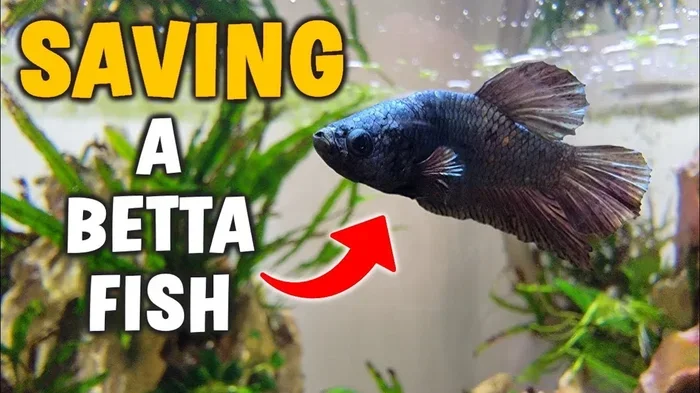
API Triple Sulfa is a popular fish antibiotic used to treat bacterial infections in betta fish. It can be effective for conditions like fin rot, mouth fungus, and gill infections when used correctly. However, improper dosing or misuse can harm your betta, so understanding the risks and proper application is essential.
API Triple Sulfa is one of the most talked-about medications in the betta fish world. If your fish looks sick, you want answers fast. You want something that works. You want to know if this is the right choice for your little friend.
The truth is, API Triple Sulfa can be a powerful tool. But it is not a magic bullet. Using it the wrong way can do more harm than good. This guide breaks down everything you need to know before you drop any medication into your betta’s tank.
We will cover what this drug does, when to use it, how to dose it safely, and what alternatives exist. By the end, you will feel confident making the best decision for your betta’s health.
Key Takeaways
- API Triple Sulfa treats bacterial infections: It works well on fin rot, gill infections, and other common betta diseases when dosed properly.
- Correct dosing is critical: Overdosing can damage your betta’s kidneys and stress the fish further.
- Remove carbon from your filter: Activated carbon will absorb the medication, making it ineffective.
- Water changes matter during treatment: Regular partial water changes help maintain water quality while medicating.
- Not all infections need antibiotics: Some conditions respond better to aquarium salt or warmer water alone.
- Consult a fish vet if unsure: When in doubt, seek professional advice before medicating your betta.
📑 Table of Contents
What Is API Triple Sulfa?
API Triple Sulfa is a broad-spectrum antibiotic designed for freshwater fish. It contains three sulfa drugs that work together to fight bacterial infections. The active ingredients are sulfathiazole, sulfadimidine, and sulfamethazine. Together, they target a wide range of gram-negative and gram-positive bacteria.
This medication comes in tablet or powder form. You dissolve it directly into the aquarium water. It has been a staple in fishkeeping for decades. Many hobbyists reach for it as a first response when they notice signs of infection.
How Does It Work?
Sulfa drugs block the bacteria’s ability to produce folic acid. Without folic acid, the bacteria cannot grow or reproduce. Over time, the infection clears as the bacteria die off. This process takes several days, which is why patience matters during treatment.
Triple Sulfa is bacteriostatic, not bactericidal. That means it stops bacteria from multiplying rather than killing them outright. Your betta’s immune system then finishes the job. This is why keeping your betta healthy and stress-free during treatment is so important.
When Should You Use API Triple Sulfa on a Betta Fish?
Knowing when to reach for API Triple Sulfa is just as important as knowing how to use it. This medication targets bacterial infections specifically. It will not help with fungal infections, parasites, or viral issues.
Common Conditions It Treats
Here are the bacterial infections where API Triple Sulfa tends to work well:
- Fin rot: Frayed or decaying fins caused by bacterial attack. If you notice ragged edges or redness at the fin base, this could be the culprit.
- Mouth fungus: White patches or cotton-like growth around the mouth area.
- Gill infections: Labored breathing, gill discoloration, or swelling.
- Body slime disease: Excess mucus coating the body, often caused by bacterial stress.
- General bacterial infections: Red streaks, open sores, or bloating from internal bacterial issues.
Before treating, make sure you correctly identify the problem. Many betta owners mistake fungal infections for bacterial ones. If you are unsure, take a close look at the symptoms. Fin rot often looks like the fins are melting away. Fungal infections look more like fluffy white cotton balls. Using API Triple Sulfa on a fungal infection will not help.
When NOT to Use It
There are situations where API Triple Sulfa is not the right choice:
- Your betta has a parasitic infection like ich (white spot disease). For that, you need a different treatment approach.
- The infection is clearly fungal rather than bacterial.
- Your betta is showing signs of a viral infection, which antibiotics cannot treat.
- You are treating a tank with live plants, as sulfa drugs can harm certain plant species.
If your betta has ich, consider looking into specialized treatments instead. Antibiotics like API Triple Sulfa do not target parasites. Using the wrong medication wastes time and stresses your fish.
How to Use API Triple Sulfa Safely
Proper dosing is the single most important factor when using API Triple Sulfa. Getting this right makes the difference between healing and harm.
Step-by-Step Dosing Guide
- Remove activated carbon: Take the carbon cartridge out of your filter. Carbon will absorb the medication and neutralize it before it can work. This is a mistake many beginners make.
- Turn off UV sterilizers: UV light will break down the sulfa drugs before they can take effect.
- Calculate tank volume: Know exactly how many gallons your tank holds. Dosing is based on water volume.
- Dissolve the tablets: Use the recommended dose per gallon. Typically, one tablet treats 10 gallons of water.
- Treat for 7 to 10 days: Continue daily dosing for the full course. Do not stop early just because things look better.
- Perform partial water changes: Change 25% of the water between treatments to maintain water quality.
Water Quality During Treatment
Using API Triple Sulfa can alter your water parameters. Sulfa drugs can shift pH levels and reduce beneficial bacteria in your filter. This is why monitoring your water during treatment is essential. Test your ammonia, nitrite, and nitrate levels every couple of days.
If you notice a spike in ammonia, do a small water change. This helps your betta stay comfortable while the medication does its work. Also, consider using aquarium salt as a complementary treatment. Salt supports your betta’s slime coat and reduces osmotic stress during antibiotic therapy.
What to Expect During Treatment
Your betta may seem lethargic during the first few days. This is normal. The medication takes time to work. You might also notice the water turn slightly cloudy. This is not a cause for alarm. It usually clears up on its own.
Watch for improvement in 5 to 7 days. Fins should start looking healthier. Loss of appetite should return. Open sores should begin to heal. If there is no improvement after 10 days, you may need to reassess your diagnosis.
Side Effects and Risks to Watch For
Like all medications, API Triple Sulfa comes with potential risks. Being aware of these helps you respond quickly if something goes wrong.
Common Side Effects
- Reduced appetite: Some bettas eat less during treatment. This is usually temporary.
- Lethargy: Your betta may hide more or stay still at the bottom of the tank.
- Water parameter shifts: pH swings or ammonia spikes can occur during extended treatment.
Serious Risks of Overdosing
Overdosing is the biggest danger with API Triple Sulfa. Too much medication can damage your betta’s kidneys and liver. Signs of overdose include:
- Gasping at the water surface
- Clamped fins tightly against the body
- Sudden loss of color
- Lying on the substrate and refusing to move
If you suspect an overdose, do a large water change immediately (50% or more). This dilutes the medication quickly. Also, add fresh activated carbon to your filter to absorb remaining traces of the drug.
Long-Term Concerns
Repeated use of sulfa drugs can lead to antibiotic resistance. Bacteria adapt over time and become harder to treat. This is why you should only use API Triple Sulfa when truly needed. Save it for confirmed bacterial infections, not as a preventive measure.
Some experts also warn about the impact on your tank’s biological filter. Beneficial bacteria help cycle your aquarium. Strong antibiotics can reduce these populations temporarily. Plan for a water change after completing the full treatment cycle to help your biological filter recover.
Alternatives to API Triple Sulfa
API Triple Sulfa is effective, but it is not the only option. Depending on the situation, other treatments might work better or carry fewer risks.
Alternative 1: Aquarium Salt
For mild bacterial infections, aquarium salt can be surprisingly effective. It is gentle, inexpensive, and does not harm beneficial bacteria at proper doses. Add one teaspoon per gallon for a mild treatment. Salt works by drawing out fluid from bacteria cells through osmosis.
Salt is especially helpful for early-stage fin rot and minor skin infections. Many betta keepers use salt as their first line of defense before reaching for stronger medications.
Alternative 2: Erythromycin
Erythromycin is another fish antibiotic that targets gram-positive bacteria. It is often gentler on bettas than sulfa drugs. If your betta has a sensitive constitution, erythromycin might be a better fit.
Alternative 3: Melafix and Pimafix
These are natural, botanical-based treatments. Melafix targets bacterial infections while Pimafix targets fungal issues. They are not as strong as pharmaceutical antibiotics, but they carry fewer side effects. They work well for mild cases where you want a gentler approach.
Alternative 4: Temperature Adjustment
Sometimes, simply raising the tank temperature to 80 to 82 degrees Fahrenheit can help your betta fight off a mild infection. Warmer water boosts your betta’s metabolism and immune response. Combined with good water quality, this alone can resolve minor bacterial issues.
Final Verdict: Should You Use API Triple Sulfa?
So, should you use API Triple Sulfa on your betta fish? The answer depends on the situation. If your betta has a confirmed bacterial infection and milder treatments have not worked, API Triple Sulfa is a solid choice. It targets a broad range of bacteria and has a long track record in the fishkeeping community.
However, it is not something to use casually. Always confirm the infection type first. Follow the dosing instructions carefully. Monitor your water quality throughout treatment. And never use it as a preventive measure.
If you are a beginner, start with aquarium salt and observe your betta for a few days. Only escalate to API Triple Sulfa if the condition worsens or does not improve. Your betta’s health depends on thoughtful, informed care.
Remember, every betta fish is different. What works for one fish may not work for another. Pay attention to your fish’s behavior, keep the water clean, and do not hesitate to seek advice from experienced hobbyists or a fish veterinarian when needed.
Frequently Asked Questions
Can I use API Triple Sulfa with a filter running?
Yes, but you must remove activated carbon from the filter before adding the medication. Carbon will absorb the sulfa drugs and make them ineffective. A standard filter without carbon will work fine during treatment. Keeping your filter running ensures good water circulation, which helps distribute the medication evenly throughout the tank.
How long does it take for API Triple Sulfa to work on a betta fish?
You should start seeing improvement within 5 to 7 days of consistent daily dosing. Fin rot and mouth fungus typically respond faster than deeper body infections. If there is no visible improvement after 10 days, consider whether you have correctly identified the infection type. Using the wrong medication for the wrong condition wastes valuable treatment time.
Is API Triple Sulfa safe for betta fish with sensitive immune systems?
Betta fish with weakened immune systems can be more sensitive to medications. If your betta is already stressed or sick, start with a half dose and monitor closely. Aquarium salt combined with a reduced dose of API Triple Sulfa can be a gentler approach for sensitive fish. Always maintain clean water during treatment to reduce additional stress on your betta.
Can I use API Triple Sulfa in a planted betta tank?
Sulfa drugs can harm certain live plants, especially sensitive species like mosses and delicate stem plants. If you have a heavily planted tank, consider moving your betta to a hospital tank for treatment instead. This protects your plants while still effectively treating your betta’s infection. A simple bare-bottom hospital tank works great for short-term medication courses.
What is the difference between API Triple Sulfa and other fish antibiotics?
API Triple Sulfa contains three sulfa drugs that target a broad range of bacteria. Other antibiotics like erythromycin focus on gram-positive bacteria, while others like tetracycline target gram-negative strains. Triple Sulfa covers both, making it a versatile choice. However, this broad spectrum can also affect beneficial bacteria in your filter, so use it only when truly needed.
Should I do a water change before starting API Triple Sulfa treatment?
Yes, performing a 25% water change before starting treatment is a great practice. This removes excess waste and toxins, giving your betta the best environment to heal during medication. Clean water helps your betta’s immune system work more effectively alongside the antibiotic. Continue with regular partial water changes throughout the treatment period as well.