Should Betta Fish Live in Small Containers
So, should betta fish live in small containers? The short answer is no. While bettas can survive in tiny bowls, they thrive in larger, properly filtered tanks. Keeping your betta in a cramped space leads to stress, poor health, and a shorter lifespan. This guide breaks down why size matters and what you can do to give your betta the best life possible.
You have probably seen those tiny glass bowls sitting on store shelves. They are cute. They are cheap. And they make it easy to bring home a beautiful betta fish. But here is the real question. Should betta fish live in small containers? The answer might surprise you. Many pet stores sell bettas in cups and tiny tanks. This creates a false impression that these fish are fine in cramped spaces. The truth is very different. Bettas need room, clean water, and proper conditions to truly thrive.
In this article, we will explore everything you need to know about betta fish habitats. We will cover why small containers are risky. We will look at the ideal tank size. And we will share practical tips to keep your betta happy and healthy. Whether you are a new betta owner or a seasoned hobbyist, this guide has something valuable for you.
Key Takeaways
- Small containers limit betta fish health: Tiny bowls restrict movement, reduce oxygen, and trap toxins quickly.
- The minimum tank size for a betta is 5 gallons: This gives your fish room to swim and stay healthy.
- Small bowls are popular but harmful: Many people keep bettas in small containers because of tradition, not science.
- Proper filtration and heating are essential: Even in a small tank, these tools make a big difference.
- Bettas need stimulation and space: A larger habitat reduces stress and improves your fish’s overall well-being.
- Regular water changes are non-negotiable: Small containers dirty fast, so maintenance matters even more.
📑 Table of Contents
Why Small Containers Are a Problem for Betta Fish
Let us start with the basics. A small container is anything under 5 gallons. This includes tiny bowls, cups, and narrow vases. Many people believe bettas can live in these because they survive. But surviving is not the same as thriving. A betta in a small bowl may look okay at first. Over time, though, problems build up fast.
Toxins Build Up Quickly
Fish waste, leftover food, and bacteria create ammonia in the water. In a large tank, beneficial bacteria help break down these toxins. In a small container, there is not enough water to dilute waste. Ammonia levels spike fast. This burns the betta’s gills and skin. Even small amounts of ammonia can cause serious harm. Bettas kept in small bowls often show signs of stress within days.
Oxygen Levels Drop
Bettas breathe oxygen from the water surface. Small containers have less surface area. This means less gas exchange happens. The water becomes low in oxygen. Your betta may start gasping at the top. This is a clear sign that the environment is unhealthy. A small container for fish simply cannot support proper oxygen levels over time.
Temperature Fluctuations Happen Fast
Bettas are tropical fish. They need warm water between 76 and 82 degrees Fahrenheit. Small volumes of water heat up and cool down very fast. A cold draft or a sunny window can swing the temperature wildly. These swings stress the fish and weaken the immune system. Can betta fish live in small bowls with unstable temperatures? Technically yes, but it is far from ideal.
What Size Tank Should a Betta Fish Live In
The ideal tank size for betta fish is at least 5 gallons. This is the minimum recommended by most fish experts. A 5-gallon tank gives your betta enough room to swim, explore, and stay active. It also makes it easier to maintain stable water conditions.
Why 5 Gallons Is the Minimum
Five gallons gives you enough water volume to dilute waste. It allows beneficial bacteria to establish a healthy colony. It also gives you space for a small filter and heater. These tools are essential for keeping the environment stable. A 5-gallon tank is not very big. But it makes a world of difference for your fish.
Larger Tanks Offer Even More Benefits
If you have the space, consider a 10-gallon tank. Larger tanks are more stable. They need fewer water changes. They also give your betta room to explore. You can add plants, hiding spots, and gentle décor. This creates a more natural and stimulating betta fish habitat. Your fish will be more active and show better colors.
| Container Size | Suitable for Betta? | Key Issues |
|---|---|---|
| 1-2 gallons | Not recommended | Toxins build fast, low oxygen, temperature swings |
| 3-4 gallons | Bare minimum | Needs frequent maintenance, limited space |
| 5 gallons | Minimum recommended | Stable with proper filter and heater |
| 10+ gallons | Ideal | Most stable, room for enrichment |
Why Do People Keep Betta Fish in Small Containers
It is easy to wonder why so many people keep bettas in tiny bowls. There are a few reasons behind this common practice. Understanding these reasons helps us change the conversation for the better.
The Tradition of Small Bowls
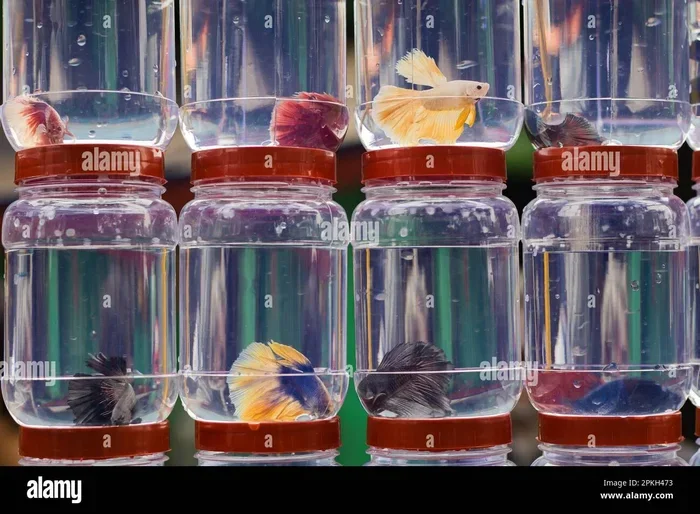
For decades, bettas have been sold in small cups at pet stores. This became the norm. Many people grow up seeing bettas in tiny containers. They assume this is what the fish needs. Why do betta fish live in small bowls? Mostly because of tradition and convenience. Store owners like small cups because they save space and cost less.
Marketing and Misinformation
Pet stores often market bettas as “low maintenance” fish. This is misleading. Bettas need proper care just like any other fish. The truth is that bettas are hardy. They can survive in poor conditions for a while. But this survival does not mean they are healthy or happy. Can betta fish live in small bowls comfortably? Not really. They just learn to cope with bad conditions.
The Appeal of Decorative Containers
Some people choose small containers because they look pretty. Desktop-sized tanks and decorative vases are popular gifts. They look charming on a desk or a shelf. But beauty should not come at the cost of an animal’s well-being. A small vase might look nice, but it offers very little for your fish.
How Small Containers Affect Betta Fish Health
The impact of a small habitat goes beyond just water quality. It affects your betta’s body and mind in real ways. Let us look at the health effects in detail.
Stress Weakens the Immune System
Stressed fish get sick more easily. A cramped space makes bettas feel trapped. They cannot escape from perceived threats. This constant stress wears down their body over time. A weakened immune system means your betta is more prone to diseases like fin rot and ich. Keeping your betta in a proper-sized tank reduces stress significantly.
Bettas in Small Bowls Often Show Behavioral Changes
A healthy betta is curious and active. It explores its environment and interacts with its surroundings. A betta in a tiny container often becomes lethargic. It may stop eating or hide in corners. Some bettas become aggressive because they feel threatened. These behavioral signs should never be ignored. They are clear signals that the living space is too small.
Shortened Lifespan
A well-cared-for betta can live 3 to 5 years, sometimes longer. Bettas kept in small containers often live much shorter lives. The constant stress, poor water quality, and lack of stimulation take a toll. Giving your betta a proper tank is one of the best ways to support a longer, healthier life.
Quick Tips for a Healthier Betta Habitat
- Always use a tank of at least 5 gallons.
- Install a gentle filter to keep water clean.
- Use a heater to maintain stable tropical temperatures.
- Perform weekly water changes of 25-30 percent.
- Add live plants for natural enrichment.
- Test water parameters regularly with a simple kit.
Can Betta Fish Survive in Small Containers
This is the question most people really want answered. And the honest answer is yes, bettas can survive in small containers. But survival and quality of life are two very different things. A betta in a tiny bowl might live for a few months or even a year. But it will not live its best life. The fish will likely experience chronic stress and health issues.
Think of it this way. Would you want to live in a closet your entire life? You could survive, but you would not be happy or healthy. Your betta feels the same way. A small container limits everything. Swimming room, oxygen, temperature stability, and mental stimulation. All of these matter for your fish’s overall well-being.
If you currently keep your betta in a small bowl, do not panic. You can make a change. Even moving to a 5-gallon tank is a huge improvement. Your betta will show the difference through better colors, more energy, and a stronger appetite. Should betta fish live in small containers? The evidence clearly points to no. Give your fish the space it deserves.
Common Mistakes People Make with Small Setups
Even well-meaning betta owners make mistakes. Here are a few to watch out for:
- Skipping the filter: Small tanks still need filtration. Without it, waste builds up fast.
- No heater: Room temperature water is usually too cold for bettas.
- Overcrowding: Even in a small tank, adding too many fish causes problems.
- Infrequent water changes: Small volumes dirty quickly and need regular maintenance.
- Using the wrong tank shape: Tall, narrow tanks have less surface area for oxygen exchange.
Better Alternatives to Small Containers
The good news is that improving your betta’s home is easier than you think. You do not need a huge aquarium or expensive equipment. A few smart choices make a big difference.
The 5-Gallon Betta Tank Setup
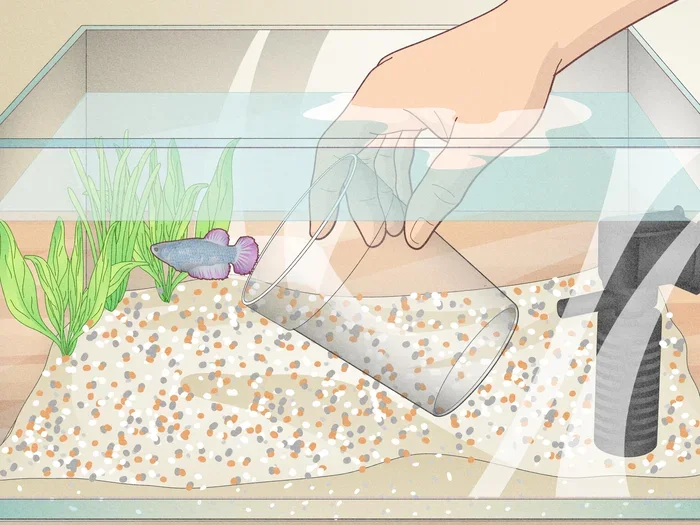
A 5-gallon tank is the sweet spot for most betta owners. It is affordable, easy to maintain, and gives your fish plenty of room. Here is a simple setup to get started:
- Choose a rectangular tank with a wide base.
- Add a gentle sponge filter to keep water clean.
- Install a small heater set to 78 degrees Fahrenheit.
- Add a layer of fine gravel or sand as substrate.
- Include a few live plants for hiding spots and oxygen.
- Use a thermometer to monitor the temperature daily.
Adding Enrichment to Your Betta’s Home
A bigger tank opens up opportunities for enrichment. You can add caves, tunnels, and floating plants. Bettas love to explore and rest on plants. You can also place the tank near a window with natural light. This gives your fish a view of the room and keeps it mentally stimulated. A happy betta is an active betta.
If you are considering adding tank mates, choose carefully. Not all fish get along with bettas. Some peaceful options include small snails or shrimp. Always research any new addition before introducing it to the tank. Can other species of fish live in a betta aquarium? Yes, but compatibility matters a lot.
Conclusion
So, should betta fish live in small containers? The answer is clear. Small containers limit your betta’s health, happiness, and lifespan. While bettas can survive in tiny bowls, they deserve much better. A proper tank of at least 5 gallons gives your fish the space, clean water, and stability it needs to truly thrive. Making the switch from a small bowl to a larger tank is one of the best things you can do for your pet. Your betta will thank you with vibrant colors, active behavior, and a longer life. Give your fish the home it deserves, and you will enjoy the rewards for years to come.
Remember, every fish deserves a healthy habitat. Whether you are just starting out or looking to improve your current setup, focus on providing the best possible environment. Your betta fish will live a happier, healthier life because of it.
Frequently Asked Questions
Can betta fish live in a 1-gallon bowl?
A 1-gallon bowl is not ideal for a betta fish. The water quality drops fast, and there is very little room to swim. While a betta might survive in a 1-gallon bowl, it will not thrive. If you must use a small bowl, you need to perform water changes every other day and keep the water clean and warm.
What is the minimum tank size for a betta fish?
The minimum recommended tank size for a betta fish is 5 gallons. This size provides enough water volume to keep toxins low and maintain stable temperatures. A 5-gallon tank also allows you to install a filter and heater, both of which are essential for your betta’s health and comfort.
Do betta fish get lonely in small tanks?
Bettas are solitary fish and do not need tank mates to be happy. However, they do need mental stimulation and enough space to explore. A small, bare tank with nothing to do can lead to boredom and stress. Adding plants and décor helps keep your betta engaged and active.
Can a betta fish live in a filtered tank that is small?
A filtered small tank is much better than an unfiltered bowl. Filtration helps remove waste and keeps the water cleaner for longer. However, even with a filter, a tank under 5 gallons is still too small for a betta to truly thrive. The bigger the tank, the more stable the environment will be.
How often should I change water in a small betta tank?
In a small tank under 5 gallons, you should perform a 25-30 percent water change every week. Smaller volumes of water dirty much faster than larger ones. If you skip water changes, ammonia and nitrite levels can spike quickly, putting your betta’s health at serious risk.
Why are betta fish kept in small containers at pet stores?
Pet stores keep bettas in small cups because it saves space and reduces costs. Bettas are hardy fish that can survive in small volumes of water for short periods. This practice creates a false impression that bettas are low-maintenance fish that need very little space. In reality, they need proper care and a suitable habitat to live a healthy life.