Should Betta Fish Be Floating
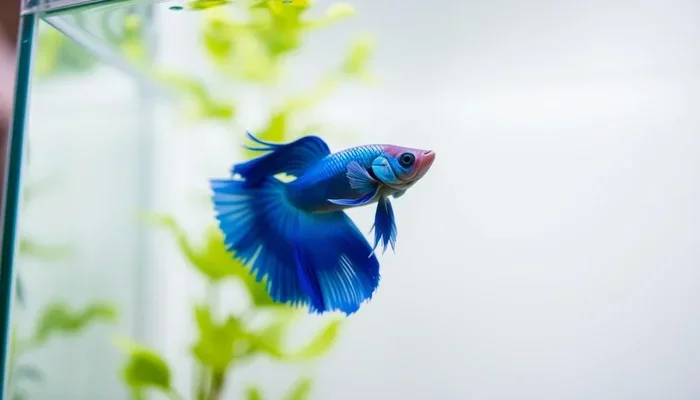
Should betta fish be floating? The short answer is: sometimes yes, sometimes no. A betta fish that floats slightly at the surface may simply be resting, but persistent floating could signal a health problem. Understanding the difference between normal floating and a potential swim bladder issue can save your fish’s life and keep your betta fish tank healthy.
If you have ever stared at your aquarium and wondered, “should betta fish be floating?” you are not alone. This is one of the most common questions new betta owners ask. The truth is that floating behavior in betta fish can mean many different things. Sometimes it is completely harmless. Other times, it is a warning sign that something needs attention.
Betta fish are fascinating creatures. They have unique swimming patterns, vivid colors, and distinct personalities. But when a betta starts floating at the top of the tank or floating on its side, it can be alarming. This guide will help you understand why your betta fish might be floating, what is normal, and when you should take action.
In this article, we will cover everything from normal resting behavior to serious health conditions like swim bladder disease. You will learn how water temperature, diet, and tank conditions all play a role in your betta’s buoyancy. By the end, you will feel confident knowing exactly what to look for and how to keep your fish healthy.
Key Takeaways
- Occasional floating is normal: Bettas often rest near the surface, especially when sleeping or relaxing.
- Swim bladder problems cause constant floating: This is a common condition that affects how your fish controls buoyancy.
- Water quality matters a lot: Poor water conditions can trigger floating behavior and other health issues.
- Temperature plays a role: Water that is too hot or too cold can stress your betta and affect its swimming patterns.
- Diet contributes to floating issues: Overfeeding or certain foods can lead to swim bladder problems.
- Know when to seek help: Persistent floating accompanied by other symptoms needs immediate attention.
📑 Table of Contents
Is It Normal for Betta Fish to Float?
The first thing you need to know is that not all floating is bad. Bettas are labyrinth fish, which means they breathe air from the surface. This natural trait makes them more likely to hang out near the top of the tank. So, if you see your betta floating near the surface for short periods, that is usually perfectly fine.
Normal Floating vs. Problematic Floating
Here is a simple way to tell the difference. If your betta swims down when you tap the glass or offer food, it is probably just resting. A betta that is truly struggling will not be able to swim down or will swim erratically. Normal floating looks relaxed. The fish may tilt slightly or rest near the surface with its fins spread out.
Problematic floating looks different. The fish may float upside down, float on its side, or be unable to dive. It might look like the fish is stuck at the top. The gills may move quickly, showing signs of distress. Let us look at some common causes.
Why Bettas Rest at the Surface
Bettas have a special organ called the labyrinth organ. This allows them to gulp air directly from the surface. Because of this, it is very common for bettas to spend time floating near the top. Think of it like a person sitting on the edge of a pool. They are not in trouble; they are just comfortable there.
Some bettas also float at the surface when they are sleeping. If you notice your betta floating motionless during the night or early morning, do not panic right away. Many bettas rest this way. This is especially true if the fish perks up when you offer food in the morning.
Common Reasons Why Betta Fish Float
Now let us get into the real reasons your betta might be floating. Some of these are easy to fix. Others need a closer look at your tank setup and care routine.
Swim Bladder Disease
The most common medical reason for floating is swim bladder disease. The swim bladder is an internal organ that helps fish control their buoyancy. When it gets inflamed or infected, the fish loses the ability to regulate its position in the water. This often results in the fish floating at the top or floating on its side.
Swim bladder problems can be caused by several things:
- Overfeeding: This is the number one cause. A bloated stomach presses against the swim bladder.
- Constipation: Lack of fiber in the diet can cause blockages that affect buoyancy.
- Bacterial infections: Poor water quality can lead to infections that impact the swim bladder.
- Physical injury: Fighting or hitting decorations can damage internal organs.
If you suspect swim bladder disease, the first step is to stop feeding your betta for two to three days. This helps clear the digestive system. After that, feed a single boiled pea (no shell) to help with digestion. Many fish owners see improvement within a few days.
Water Temperature Issues
Betta fish are tropical fish. They need warm, stable water temperatures to stay healthy. If the water is too cold, the fish’s metabolism slows down. This can cause the betta to become sluggish and float near the surface. On the other hand, water that is too hot reduces oxygen levels, which can also stress the fish.
For bettas, the ideal temperature range is between 76 and 82 degrees Fahrenheit. If you are unsure about your tank’s temperature, grab a simple aquarium thermometer and check it regularly. Maintaining consistent temperature is one of the easiest ways to prevent floating issues.
You can learn more about the ideal temperature range for your betta in our guide on what temperature should a betta fish tank be in celsius.
Poor Water Quality
Dirty water is a silent killer. Ammonia and nitrite buildup in a tank can cause serious stress to your betta. When a fish is stressed, its body reacts in strange ways, including floating at the surface or gasping for air. Even if the fish is not floating, poor water quality can lead to floating behavior over time.
Keep these water parameters in check:
- Ammonia: 0 ppm
- Nitrite: 0 ppm
- Nitrate: Below 20 ppm
- pH: 6.5 to 7.5
Regular water changes (25 to 30 percent every week) make a huge difference. A good filter also helps, but bettas prefer gentle water flow. Strong currents can stress them out. If you are curious about filtration needs, check out our article on do betta fish have to be in a filtered tank.
Stress and Depression
Yes, betta fish can become stressed and even depressed. A stressed betta may exhibit unusual behaviors, including floating at the top of the tank, hiding constantly, or losing color. Common stressors include aggressive tank mates, bright lights, loud noises, and cramped tanks.
If your betta is floating and seems listless, think about recent changes in the tank. Did you add a new fish? Did you move the tank to a different room? Stress-related floating often improves once the stressor is removed. You can read more about recognizing stress in bettas in our article on can my betta fish be depressed.
Feeding Problems
What you feed your betta matters more than you might think. Low-quality flakes or pellets that expand in water can cause bloating. This puts pressure on the swim bladder and leads to floating. Freeze-dried foods are especially problematic if not soaked before feeding.
Here are some feeding tips to prevent floating issues:
- Feed small amounts twice a day, not one large meal.
- Soak freeze-dried or pellet food before offering it.
- Include variety in the diet with frozen or live foods.
- Skip one day of feeding per week to allow digestion.
- Avoid overfeeding, even if your fish seems hungry.
When Floating Signals a Serious Problem
Not all floating is the same. Let us talk about when floating is a red flag and requires immediate action. Understanding the difference can mean the difference between a quick recovery and a serious health crisis for your fish.
Floating Upside Down
If your betta is floating upside down at the surface, this is a strong sign of swim bladder dysfunction. The fish cannot control its buoyancy and is essentially stuck. This is not normal resting behavior. It is a medical issue that needs attention.
Start with the fasting method mentioned earlier. If there is no improvement after three to four days, consider raising the water temperature slightly to around 80 degrees Fahrenheit. Warmer water helps speed up digestion. You can also add aquarium salt to the tank at a rate of one teaspoon per gallon to help reduce inflammation.
Floating and Gasping at the Surface
A betta that floats at the top and gulps air repeatedly may be suffering from low oxygen levels or poor water quality. This is different from a betta that casually surfaces to breathe. Gasping is a sign of distress.
Check your water parameters immediately. Perform a partial water change and make sure your filter is working properly. If the tank is too warm, cool it down gradually. Persistent gasping should never be ignored.
Floating After Water Changes
Sometimes floating appears right after a water change. This can happen if the new water is the wrong temperature or if chemicals like chlorine are present. Always use a water conditioner and match the temperature of new water to the tank water before adding it.
Also, be careful with sudden changes in water parameters. Bettas are sensitive to shifts in pH and hardness. Gradual adjustments are always safer.
How to Prevent Floating Issues in Your Betta Tank
Prevention is always better than cure. The good news is that most floating issues can be avoided with proper care and attention. Here is a practical checklist to keep your betta healthy and swimming normally.
Maintain a Clean Tank
Keep up with weekly water changes and vacuum the gravel during each change. Clean the filter media in old tank water, not tap water, to preserve beneficial bacteria. A clean tank means a healthy betta.
Feed a Balanced Diet
Variety is key. Rotate between high-quality pellets, frozen bloodworms, brine shrimp, and occasional treats like boiled peas. This keeps the digestive system working properly and reduces the risk of bloating and floating.
Keep the Tank Stress-Free
Provide plenty of hiding spots with plants and decorations. Bettas love soft lighting, so avoid placing the tank in direct sunlight. If you want to add tank mates, choose peaceful species. Learn more about compatible tank mates in our article on can betta fish be with other fish.
Monitor Water Parameters Regularly
Invest in a simple test kit. Check ammonia, nitrite, nitrate, and pH levels at least once a week. Catching problems early prevents them from turning into serious health issues like floating.
Watch for Early Warning Signs
Pay attention to your betta’s daily behavior. Any changes in swimming pattern, appetite, or energy level should be noted early. Catching a problem before the fish starts floating gives you the best chance of a quick fix.
Quick Tips for Dealing With a Floating Betta
Here are some fast, actionable tips you can use right away if your betta is floating:
- First, do not panic. Observe the fish for a few hours to see if it is just resting.
- Check the water temperature. Make sure it is in the ideal range of 76 to 82 degrees Fahrenheit.
- Test the water quality. Look for ammonia and nitrite spikes.
- Stop feeding for two to three days. This helps clear any digestive blockages.
- Feed a boiled pea after fasting. This acts as a natural laxative.
- Add aquarium salt if needed. One teaspoon per gallon can reduce inflammation.
- Lower the water level slightly. This makes it easier for the fish to reach the surface without struggling.
Expert Insights on Betta Floating Behavior
Veterinary experts and experienced fish keepers agree that floating behavior should always be evaluated in context. A single floating incident might not mean anything. But repeated floating, especially when paired with other symptoms like loss of appetite, clamped fins, or faded color, is a clear sign that something is wrong.
Dr. Richmond Loh, a well-known fish veterinarian, often emphasizes the importance of water quality as the root cause of most betta health problems. He notes that many owners rush to treat diseases when the real issue is simply poor tank maintenance. Regular water changes and proper feeding go a long way in preventing floating and other health issues.
Another expert tip is to observe your betta’s behavior over time. Keep a simple log of feeding, water changes, and any unusual behavior. This makes it much easier to spot patterns and catch problems early. Over time, you will become very familiar with your betta’s normal behavior, which makes it easier to spot when something is off.
Conclusion
So, should betta fish be floating? The answer depends on the situation. Occasional floating near the surface is completely normal and often just means your betta is resting or sleeping. But persistent floating, especially upside down or accompanied by gasping, is a sign that something needs attention.
The most common causes of problematic floating include swim bladder disease, poor water quality, incorrect temperature, stress, and overfeeding. The good news is that most of these issues are preventable with proper care. A clean tank, a balanced diet, and stable water parameters go a long way in keeping your betta healthy and active.
Remember, your betta depends on you for its well-being. By learning to read your fish’s behavior and responding quickly to warning signs, you can enjoy many happy years with your colorful companion. Trust your instincts, stay observant, and never hesitate to take action when something seems off. Your betta will thank you for it.
Frequently Asked Questions
Why is my betta fish floating at the top of the tank?
Your betta may be floating at the top because it is resting, sleeping, or breathing air through its labyrinth organ. Bettas naturally spend time near the surface. However, if the fish cannot swim down or seems distressed, it could be a sign of swim bladder disease, poor water quality, or temperature stress. Check your water parameters and tank conditions first before assuming the worst.
Can overfeeding cause a betta fish to float?
Yes, overfeeding is one of the most common causes of floating in betta fish. Excess food bloats the stomach, which pushes against the swim bladder and disrupts buoyancy. To prevent this, feed small amounts twice a day and skip one feeding day per week. If your betta is already floating from overfeeding, a short fast followed by a boiled pea can help.
Is it normal for a betta fish to float on its side?
Floating on its side is not normal resting behavior. It usually indicates a swim bladder problem or a more serious health issue. Check the water quality and temperature, and consider fasting your fish for a couple of days. If the floating does not improve within a few days, consult a fish veterinarian for a proper diagnosis and treatment plan.
How do I know if my betta is sleeping or floating because of illness?
A sleeping betta will typically be still but responsive. If you offer food, a sleeping betta will usually show interest or at least move slightly. A sick betta that is floating will appear unresponsive, may have clamped fins, faded color, or rapid gill movement. Observing your fish’s reaction to food is one of the best ways to tell the difference.
Can betta fish sleep floating at the surface?
Yes, betta fish can and do sleep floating near the surface. This is a natural behavior thanks to their labyrinth organ, which allows them to breathe air. If your betta floats motionless near the top at night or during naps but perks up when it is time to eat, this is likely normal sleeping behavior and nothing to worry about.
What should I do if my betta fish keeps floating and will not sink?
Start by checking your water parameters and temperature, as these are the most common causes. Fast your betta for two to three days and then feed a single boiled pea. Add aquarium salt at one teaspoon per gallon if inflammation is suspected. If the floating persists beyond a week or is accompanied by other symptoms like loss of appetite or visible injuries, seek advice from a fish veterinarian as soon as possible.