Is Warmer Water Better for Fish
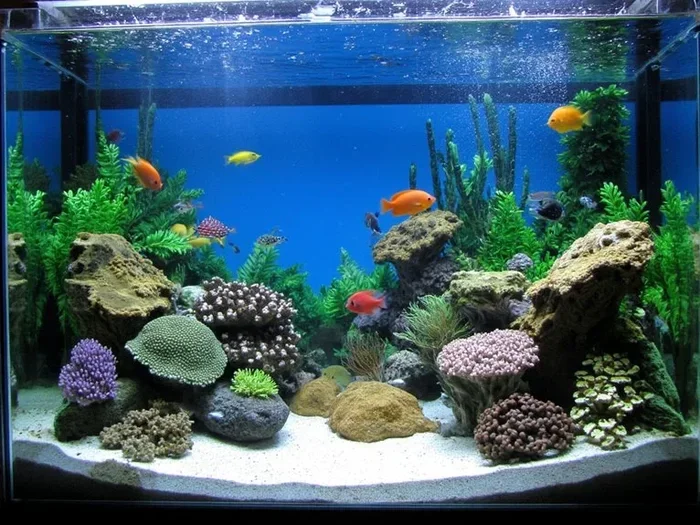
Is warmer water better for fish? The answer depends on the species. Many tropical fish, including bettas, thrive in slightly warm water between 76 and 82 degrees Fahrenheit. However, too-warm water can reduce oxygen levels and stress your fish. Finding the right balance is the key to a healthy aquarium.
Is warmer water better for fish? This is one of the most common questions new fish owners ask. The short answer is: it depends on the type of fish you keep. Some fish love warm water, while others do better in cooler conditions. Understanding your fish’s needs is the first step toward keeping them happy and healthy.
Many people think all fish want the same water temperature. That is not true at all. A betta fish needs different conditions than a goldfish. A tropical aquarium has different needs than a cold water setup. In this guide, we will break down everything you need to know about water temperature and fish health. You will learn what the ideal range is, when warmer water helps, and when it becomes a problem.
Whether you are a complete beginner or a seasoned aquarist, this article covers the water temperature for betta fish and other popular species. We will also share practical tips on how to maintain stable temperatures and avoid common mistakes. Let us dive in and make your aquarium the best it can be.
Key Takeaways
- Most tropical fish prefer warm water: Species like bettas do best in temperatures between 76 and 82 degrees Fahrenheit.
- Too warm is dangerous: Water above 85 degrees can lower oxygen and cause fish stress.
- A fish tank heater helps maintain stability: Consistent temperatures matter more than hot or cold spikes.
- Cold water fish need different care: Goldfish and some species prefer cooler water below 70 degrees.
- Monitor with an aquarium thermometer: Regular checks prevent temperature shock and keep fish healthy.
- Water changes affect temperature: Always match new water to tank temperature during water changes for betta fish.
- Signs of discomfort are obvious: Rapid gilling, lethargy, and loss of appetite signal temperature problems.
📑 Table of Contents
What Is the Ideal Water Temperature for Fish?
Every fish species has a preferred temperature range. This range is called the fish comfort zone. When the water stays inside this zone, fish feel safe, eat well, and stay active. When the temperature drifts too far, problems start to appear.
Tropical Fish and Warm Water
Tropical fish come from warm climates. They evolved in rivers and streams where the aquarium water temperature stays consistently warm. Most tropical species do best between 75 and 82 degrees Fahrenheit. This includes popular pets like bettas, guppies, neon tetras, and angelfish.
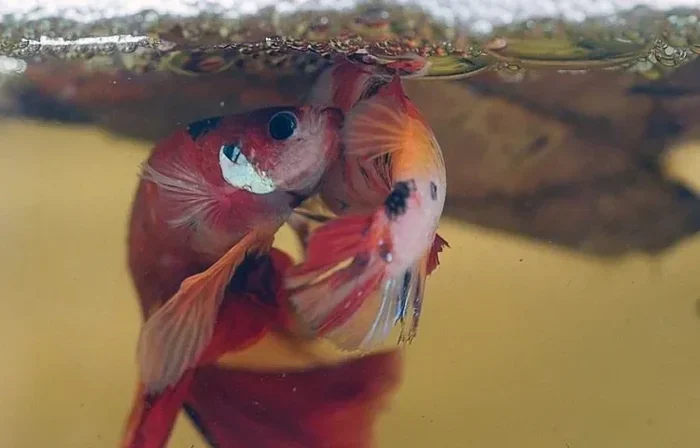
For betta fish specifically, the ideal betta temperature sits between 76 and 80 degrees Fahrenheit. This range supports their immune system, digestion, and bright coloration. If you keep your betta in the right betta fish temperature range, you will notice they are more active and vibrant.
Cold Water Fish and Cooler Temperatures
Not all fish need warm water. Cold water fish, like goldfish and white cloud mountain minnows, prefer temperatures below 70 degrees Fahrenheit. Keeping these fish in warm water can cause stress and shorten their lifespan.
Goldfish are often kept in bowls or tanks without heaters. This works fine as long as the room temperature stays cool. If you live in a warm climate, you may need a fan or cooler to keep the water in the right range for your cold water fish.
Temperate Fish: The Middle Ground
Some fish fall in between. These temperate fish do well at room temperature or with slight warmth. Platies, swordtails, and some livebearers are good examples. They can adapt to a range of temperatures but still have a sweet spot where they thrive best.
Why Warmer Water Can Be Good for Fish
Warm water is not always the enemy. In fact, for many species, it is essential. Here is why the right warmth matters for your tropical aquarium and the fish living in it.
Better Metabolism and Digestion
Fish are cold-blooded animals. Their body temperature matches the water around them. In warmer water, their metabolism speeds up. This means they digest food faster and absorb nutrients more efficiently.
For betta fish, this is especially important. Bettas are tropical fish that need warm water to process their food properly. If the water is too cold, food can sit undigested in their gut and cause health problems. A fish tank heater helps keep the temperature steady so digestion works smoothly.
More Active and Colorful Fish
Fish in their ideal temperature range are more active. They swim around, explore their tank, and interact with their environment. Warm water also enhances color in many species. Bettas, for example, show brighter reds, blues, and greens when the water temperature for betta is right.
Cold water can make fish sluggish. If your fish barely moves or stays hidden, the temperature might be too low. A simple adjustment can bring back their energy and natural behavior.
Stronger Immune System
When fish are kept in the right temperature range, their immune system works better. They can fight off diseases and heal from injuries more effectively. This is why temperature stability matters so much for fish health.
Sudden temperature drops are especially dangerous. A sudden chill can shock your fish and weaken their immune system overnight. This is why many experienced fish keepers recommend using a reliable heater and an aquarium thermometer to watch the temperature closely.
When Warmer Water Becomes a Problem
While warmth is good for tropical fish, too much of it causes real problems. Understanding the dangers of overheated water is just as important as knowing the benefits.
Lower Oxygen Levels
Warm water holds less dissolved oxygen than cool water. As the temperature rises, oxygen levels drop. Fish need oxygen to breathe through their gills. When oxygen runs low, fish gasp at the surface or breathe rapidly. This is one of the first signs of temperature shock.
If your tank is above 85 degrees Fahrenheit, you may need to cool it down. Adding a small fan or floating a bag of ice in a sealed bag can help lower the temperature safely. Never add ice cubes directly to the tank, as this can cause a sudden drop.
Increased Stress and Disease
Fish that get too warm become stressed. Stressed fish are more prone to disease. Common problems include ich, fin rot, and fungal infections. Warm water also speeds up the growth of bacteria and parasites, which makes infections spread faster.
If you notice your fish scratching against rocks or clamped fins, check the temperature first. Sometimes a simple adjustment solves the problem before it turns into a bigger health issue. This is a key part of betta fish care that many beginners overlook.
Algae Blooms and Water Quality
Warmer water also promotes algae growth. Excess algae can cloud your tank and use up oxygen. It can also throw off your water parameters, including pH and ammonia levels. Keeping the temperature in the right range helps maintain cleaner, clearer water.
Regular water changes play a big role here. If you are unsure about the best water to use, check out this guide on using tap water for your betta fish to make sure your water choices are safe.
How to Maintain the Right Temperature in Your Aquarium
Keeping the temperature stable is the real challenge for most fish keepers. Here is how you can do it right.
Use a Reliable Fish Tank Heater
A good heater is the backbone of any warm water aquarium. Look for a heater with a built-in thermostat. This keeps the water at a set temperature without constant monitoring. For a betta tank, a 25 to 50 watt heater usually works well depending on the tank size.
Place the heater near the filter outflow so the warm water circulates evenly. Avoid hiding it behind decorations where the heat cannot spread properly.
Invest in an Aquarium Thermometer
You cannot manage what you do not measure. A simple stick-on thermometer or a digital probe lets you check the temperature every day. Make it part of your routine, just like feeding your fish.
If you notice the temperature drifting, adjust the heater or check if the room temperature has changed. Drafty windows, air conditioning vents, and direct sunlight can all affect your tank.
Do Gradual Water Changes
When you change the water, make sure the new water matches the tank temperature. Adding cold or hot water during a change can cause a sudden temperature shift. This kind of shock is one of the leading causes of fish stress.
Let new water sit out for 24 hours before adding it. This also helps remove chlorine, which is important if you use tap water. For more on this topic, read about whether well water is okay for betta fish to understand how different water sources affect your tank.
Avoid Placing the Tank in Problem Spots
Location matters more than most people realize. Do not place your tank near windows, heaters, or air vents. Direct sunlight can overheat the water quickly. Air conditioning drafts can cool it down too fast. A stable room with consistent temperature is the best spot for your aquarium.
Warm Water Fish vs Cold Water Fish
Understanding the difference between warm water fish and cold water fish helps you set up the right tank. Here is a quick comparison to clear things up.
- Warm Water Fish: Need temperatures between 75 and 82 degrees. Examples include bettas, tetras, guppies, and angelfish. They usually need a heater.
- Cold Water Fish: Do well below 70 degrees. Goldfish and koi are common examples. They typically do not need a heater.
- Temperate Fish: Comfortable at room temperature or with slight warmth. Platies and swordtails fall into this category.
Mixing warm and cold water fish in one tank is a bad idea. Each species has different needs, and compromising on temperature usually hurts one group or the other. Always research the specific needs of each fish before adding them to your tank.
Can You Keep Bettas with Other Fish?
Bettas are tropical fish that need warm water. If you want to keep them with other species, choose tank mates that enjoy the same temperature range. Good options include corydoras catfish, neon tetras, and kuhli loaches. Avoid cold water fish like goldfish, as they need cooler conditions that would stress your betta.
For more tips on setting up a healthy tank environment, consider reading about whether african water fern is good for betta fish to learn about natural tank decorations that support water quality.
Signs Your Fish Are Uncomfortable with Water Temperature
Fish cannot tell you when something is wrong. But they show signs. Learning to read these signals helps you catch temperature problems early.
Rapid Gilling
If your fish is breathing fast near the surface, the water might be too warm. Warm water holds less oxygen, and your fish is trying to get more. Check the temperature and adjust if needed.
Lethargy and Hiding
Fish that stay at the bottom or hide constantly may be too cold. Their metabolism slows down, and they lose energy. A slight temperature increase often brings them back to life.
Loss of Appetite
Temperature extremes can kill a fish’s appetite. If your fish refuses food for more than a day, test the water temperature. Both too warm and too cold water can cause this behavior.
Clamped Fins
Fish that hold their fins close to their body are usually stressed. Temperature fluctuations are a common cause. Stabilizing the water temperature often resolves this problem quickly.
Conclusion
So, is warmer water better for fish? The answer is clear: warmer water is better for tropical fish like bettas, but only within the right range. Keeping your tropical aquarium between 76 and 82 degrees Fahrenheit creates the ideal environment for most warm water species. Going above or below that range invites stress, disease, and discomfort.
The key to success is consistency. Use a reliable heater, monitor with a thermometer, and make gradual changes during water maintenance. Pay attention to the signs your fish give you. A little attention to temperature goes a long way in keeping your fish healthy, active, and colorful.
Remember, every fish species is different. Take the time to learn what your specific fish needs. When you get the water temperature for betta fish or any other species just right, you will see the difference in their behavior and overall well-being. Your fish will thank you with years of vibrant, joyful life.
Frequently Asked Questions
What is the best temperature for a betta fish tank?
The best temperature for a betta fish tank is between 76 and 80 degrees Fahrenheit. This range supports their immune system, digestion, and bright coloration. Use a heater and thermometer to keep the temperature steady every day.
Can fish survive in cold water?
Yes, some fish can survive in cold water. Goldfish and koi are cold water species that do well below 70 degrees Fahrenheit. However, tropical fish like bettas cannot survive long in cold water and will become stressed or sick.
What happens if aquarium water gets too warm?
If aquarium water gets too warm, oxygen levels drop and fish become stressed. You may notice rapid gilling, lethargy, or loss of appetite. Temperatures above 85 degrees are especially dangerous and can lead to serious health problems or death.
Do I need a heater for my fish tank?
You need a heater if you keep tropical fish like bettas, tetras, or angelfish. Cold water fish like goldfish usually do not need a heater. Always match your equipment to the needs of the fish species you keep.
How often should I check my aquarium temperature?
Check your aquarium temperature at least once a day. Quick daily checks help you catch problems early before they affect your fish. A simple thermometer makes this part of your routine very easy.
Can a room’s temperature affect my fish tank?
Yes, room temperature affects your fish tank a lot. Drafts, direct sunlight, and heating vents can all cause temperature swings. Place your tank in a stable spot away from these influences to keep the water consistent.