Is Tuna Fish Better Hot or Cold
Tuna fish can be enjoyed both hot and cold, and each way brings its own benefits. Cold tuna shines in salads and sandwiches, while hot tuna works beautifully in cooked dishes and steaks. The best choice depends on your taste, the type of tuna, and what you are making.
Is tuna fish better hot or cold? This is a question that sparks debate in kitchens around the world. Some people love the cool, mild taste of tuna straight from the fridge. Others prefer the rich, warm flavor of a freshly cooked tuna steak. The truth is, both ways have real merits. In this guide, we break down everything you need to know about eating tuna fish hot or cold. You will learn about taste, texture, nutrition, and the best ways to prepare it.
Tuna is one of the most popular fish choices on the planet. It shows up in sandwiches, sushi rolls, casseroles, and salads. Whether you reach for canned tuna or buy fresh fillets, you have options. Let us dive into what makes each serving style special.
Key Takeaways
- Cold tuna is perfect for salads, sandwiches, and wraps because it keeps a fresh, mild flavor.
- Hot tuna brings out a richer taste and works great in pasta, casseroles, and seared steaks.
- Canned tuna is versatile and safe to eat both hot and cold right out of the can.
- Fresh tuna is best served rare or seared hot for the most flavorful experience.
- Nutrition stays high whether you eat tuna hot or cold, with protein and omega-3 fatty acids intact.
- Food safety matters most, so always store tuna properly and check expiration dates.
- Personal preference rules the day — try both ways and pick what you love most.
📑 Table of Contents
What Does Cold Tuna Taste Like?
Cold tuna has a clean, subtle flavor that many people enjoy. When you eat tuna straight from the refrigerator, the taste stays light and fresh. This is why tuna salad and tuna sandwiches are lunch staples in so many homes.
The texture of cold tuna is firm but tender. Canned tuna, especially when drained, flakes easily and mixes well with mayonnaise, mustard, or herbs. Fresh tuna that has been chilled also holds its shape nicely, making it perfect for poke bowls and sushi.
Best Uses for Cold Tuna
- Tuna salad — Mix with mayo, celery, and onion for a classic sandwich filling.
- Tuna wraps — Add lettuce, tomato, and avocado for a fresh lunch.
- Poke bowls — Use raw or lightly cured fresh tuna over rice.
- Pasta salad — Toss cold tuna with noodles, olives, and vegetables.
- Snack plates — Serve with crackers, cheese, and crackers for easy entertaining.
One big advantage of cold tuna is convenience. You can open a can and eat it immediately. No cooking, no waiting. This makes cold tuna a go-to option for busy mornings and quick lunches.
For those who enjoy the milder side of seafood, cold tuna is a winner. It also pairs well with bold condiments like lemon juice, hot sauce, and capers. If you want a light, refreshing meal, cold tuna delivers every time.
What Does Hot Tuna Taste Like?
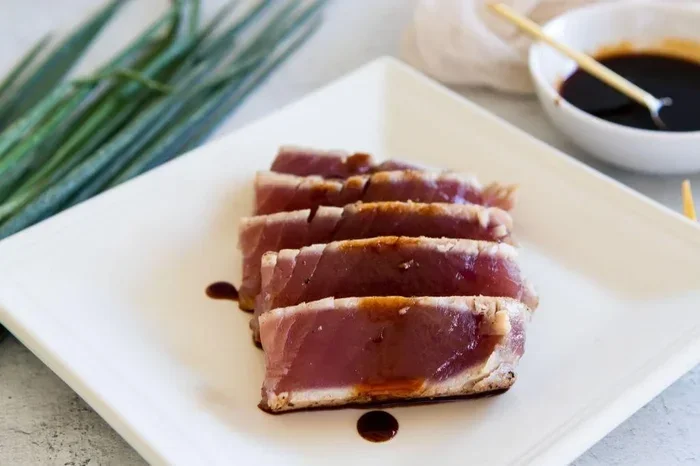
Hot tuna brings a completely different experience to the table. When you heat tuna, the flavors deepen and become more intense. The natural oils in the fish warm up and release a savory aroma that fills the kitchen. This is why seared tuna steak is a favorite at restaurants.
The texture changes too. Hot tuna can be flaky and tender on the inside with a slightly crispy outside. It absorbs seasonings beautifully, so you can play with spices, marinades, and sauces. Think garlic butter, soy glaze, or a simple squeeze of lemon.
Best Uses for Hot Tuna
- Seared tuna steak — Quick pan-sear for a restaurant-quality meal at home.
- Tuna pasta — Combine flaked tuna with tomato sauce and herbs.
- Tuna casserole — A warm, comforting dish perfect for family dinners.
- Grilled tuna — Brush with olive oil and grill for a smoky flavor.
- Tuna stir-fry — Toss with vegetables and soy sauce for a fast weeknight meal.
Cooking tuna also opens up pairing possibilities. Hot tuna works well with rice, roasted vegetables, crusty bread, and fresh salads on the side. The warmth makes the meal feel heartier and more satisfying.
If you compare tuna fish hot vs cold, hot tuna definitely has a bolder presence on the palate. It is the choice when you want comfort food or a dinner that feels special. The searing process locks in moisture and creates a caramelized exterior that adds another layer of flavor.
Nutrition: Does Temperature Change the Value?
Many people wonder whether heating tuna changes its nutritional value. The short answer is no. Tuna nutrition stays strong whether you eat it hot or cold. The protein content, omega-3 fatty acids, and essential minerals remain intact in both cases.
Here is a quick look at what a standard serving of tuna offers:
- Protein: Around 20 to 25 grams per serving, which supports muscle health.
- Omega-3 fatty acids: These healthy fats support heart and brain function.
- Calories: A low-calorie option, making it great for weight management.
- Vitamins: Rich in B12, selenium, and vitamin D.
- Low fat: Naturally lean, especially when compared to many other proteins.
Some people worry that cooking tuna might destroy the beneficial oils. While very high heat over long periods can reduce some omega-3 content, normal cooking methods like searing, baking, or grilling keep most nutrients safe. This is true whether you are comparing canned tuna or fresh fillets.
If you want the maximum health benefits, aim not to overcook your tuna. Whether served warm or chilled, the nutritional profile remains impressive. Tuna is a smart choice for anyone looking to add more healthy fish to their diet.
Tuna Temperature and Food Safety
Food safety is an important part of the hot vs cold tuna conversation. Eating cold tuna from a sealed can is perfectly safe. The canning process cooks the fish at high temperatures, which kills harmful bacteria. Once opened, you should refrigerate any leftover tuna and eat it within two to three days.
When it comes to fresh tuna, the rules shift slightly. Raw tuna, as used in sushi, must be sushi-grade and handled with care. Always buy from trusted suppliers and keep it cold until you are ready to use it. If you cook fresh tuna, make sure it reaches a safe internal temperature.
Quick Tips for Safe Tuna Handling
- Always check the expiration date on canned tuna before buying.
- Store opened canned tuna in a sealed container in the refrigerator.
- Wash your hands before and after handling raw tuna.
- Use separate cutting boards for raw fish and other ingredients.
- Cook fresh tuna to at least 145 degrees Fahrenheit in the center.
- Do not leave tuna at room temperature for more than two hours.
Following these simple steps keeps your tuna safe and delicious. Whether you prefer it hot or cold, proper handling makes all the difference. Nobody wants a foodborne illness when they are just trying to enjoy a good meal.
It is also worth noting that tuna mercury levels can be a concern for some people. Eating tuna in moderation and choosing lighter varieties like skipjack can help manage exposure. This advice applies to both hot and cold preparations equally.
Which Type of Tuna Works Best for Each Temperature?
Not all tuna is the same, and the type you choose can affect whether it tastes better hot or cold. Different varieties have different textures and fat levels that respond uniquely to temperature changes.
| Tuna Type | Best Hot or Cold? | Why? |
|---|---|---|
| Canned Albacore | Both | Mild flavor works in salads and casseroles |
| Canned Chunk Light | Both | Stronger taste holds up to cooking and cold mixes |
| Fresh Bluefin | Hot (seared) | Rich, fatty texture shines when seared rare |
| Fresh Skipjack | Both | Lean and firm, great grilled or in cold dishes |
| Yellowfin (Ahi) | Hot (seared) | Perfect for tuna steaks with a crispy outside |
| Bonito | Hot | Often used in cooked Mediterranean dishes |
As you can see, most types of tuna can handle both temperatures. But some varieties truly excel in one style over the other. Fresh bluefin tuna, for example, is a luxury fish often served raw or barely seared. Cooking it all the way through would mask its delicate, buttery flavor.
On the other hand, canned tuna is a pantry staple that adapts to almost any recipe. You can toss it into a cold pasta salad for lunch or mix it into a hot skillet for dinner. The versatility of canned tuna is one of the main reasons it remains so popular worldwide.
When comparing tuna fish preparations, also consider what you are pairing it with. Cold tuna loves bright, acidic flavors like lemon, vinegar, and fresh herbs. Hot tuna loves rich, savory flavors like garlic, butter, and soy sauce. Matching the temperature to the right flavor profile makes a big difference in the final dish.
Expert Tips for the Best Tuna Every Time
Want to elevate your tuna game? Here are some tried-and-true tips from home cooks and chefs alike.
- Do not overcook hot tuna. A few minutes on each side keeps it moist and tender. Overcooked tuna turns dry and chalky.
- Chill cold tuna well. Cold tuna tastes best when it is properly refrigerated. Keep it at or below 40 degrees Fahrenheit.
- Season simply. Good tuna needs little fuss. Salt, pepper, and a drizzle of olive oil often do the trick.
- Use quality canned tuna. Look for brands that use sustainable fishing practices and minimal additives.
- Experiment with both temperatures. Try the same can of tuna in a cold salad one day and a warm pasta the next. You might be surprised by how different they taste.
- Compare with other fish. If you enjoy tuna, you might also like salmon or tuna comparisons to explore new flavors.
These small changes can take your tuna dishes from ordinary to outstanding. The beauty of tuna is that it works in so many ways, and the hot vs cold debate really comes down to personal preference and what you are in the mood for.
Some people also wonder about the difference between tuna and other fish like cod or haddock. While those fish are great for fish and chips, tuna has a unique flavor profile that stands on its own. Its firm texture and deep taste make it a favorite across cultures and cuisines.
Conclusion
So, is tuna fish better hot or cold? The honest answer is both. Cold tuna offers a fresh, light experience that is perfect for quick meals and summer salads. Hot tuna delivers bold, rich flavors that comfort and satisfy on cooler days. Both ways keep the nutrition high and the taste delicious.
The best approach is to enjoy tuna both ways and discover which one you prefer. Keep canned tuna in your pantry for easy meals, and treat yourself to fresh tuna steaks when you want something special. With so many options, there is no wrong choice.
Next time you open a can of tuna or buy a fresh fillet, think about how you want to eat it. Will it be a cold tuna salad for a light lunch? Or a hot seared tuna steak for dinner? Either way, you are in for a tasty meal. Embrace the versatility of tuna fish and let your taste buds decide.
Frequently Asked Questions
Can you eat canned tuna straight from the can without cooking it?
Yes, canned tuna is fully cooked during the canning process. You can eat it straight from the can, either cold or warmed up. It is one of the most convenient protein sources available.
Is cold tuna safe to eat every day?
Eating cold tuna in moderation is generally safe. However, because of mercury levels, it is best to limit tuna intake to two to three servings per week. Vary your fish choices to stay safe.
Does heating tuna reduce its omega-3 content?
Normal cooking methods like searing or baking do not significantly reduce omega-3 levels. Only prolonged high heat can break down some fatty acids. Short cooking times preserve most of the healthy fats.
What is the best way to reheat leftover tuna?
The best way is to warm it gently in a skillet over low heat or microwave it in short bursts. Avoid high heat, which can dry out the tuna and make it tough.
Is fresh tuna the same as canned tuna?
No, fresh tuna and canned tuna are different. Fresh tuna is raw and has a softer texture, while canned tuna is pre-cooked and firmer. Both are nutritious but suited to different recipes.
Can you grill tuna steak and serve it cold later?
Yes, you can grill a tuna steak and chill it for use in salads or sandwiches later. The smoky flavor from grilling adds a nice dimension to cold dishes. Just make sure to chill it quickly and store it safely.