Is Trout Fishing Better in Morning or Evening
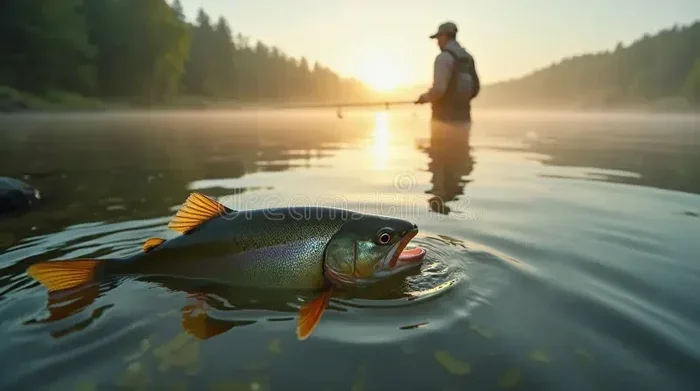
Trout fishing is generally better in the morning when water temperatures are cool and insects are active. However, evening fishing can also be highly productive, especially during summer months. This guide breaks down the exact conditions, times, and techniques that help you decide whether the morning or evening bite works best for you.
There is something magical about casting a line before the sun even breaks the horizon. The water is still. The air is crisp. And if you have ever asked yourself, “is trout fishing better in morning or evening,” you are not alone. This question has sparked debates among anglers for decades.
The short answer is that morning fishing tends to produce better results for trout in most conditions. But the full answer is more nuanced. Several factors like water temperature, light levels, insect activity, and season all play a role. In this guide, we will walk through everything you need to know to pick the right time for your next trout outing.
Whether you fish rivers, streams, or lakes, understanding when trout feed most actively can transform your fishing experience. Let us dive into the details and help you make the best decision for your next trip.
Key Takeaways
- Morning fishing wins for most trout: Cool water temps and active insect hatches make early hours the top choice.
- Evening fishing shines in summer: Warmer days push trout to feed more actively at dusk.
- Water temperature matters most: Trout feed aggressively when water sits between 50-65°F.
- Light conditions drive feeding: Low light in early morning and late evening triggers trout to move shallow.
- Season changes the game: Spring mornings are golden, while summer evenings take the lead.
- Location affects timing: River trout and lake trout may follow different feeding schedules.
- Match the hatch: Timing your trip around insect activity boosts your catch rate significantly.
📑 Table of Contents
- Why Morning Fishing Works Best for Trout
- When Evening Fishing Shines
- Morning vs Evening: The Key Differences
- How Season Affects the Best Fishing Time
- Tips to Maximize Your Catch Rate
- Expert Insights on Trout Feeding Behavior
- Common Mistakes Anglers Make When Timing Their Trips
- Final Thoughts on Trout Fishing Timing
Why Morning Fishing Works Best for Trout
Most experienced anglers will tell you the same thing: the early bird gets the trout. But why is that? The answer lies in how trout behave during the first hours of daylight.
Cool Water Temperatures
Trout are cold-water fish. They thrive when water temperatures range between 50 and 65 degrees Fahrenheit. During the morning, especially in spring and fall, water temperatures sit right in this sweet spot. As the day heats up, the water warms, and trout often become sluggish and move to deeper, cooler water.
This means your morning fishing window gives you the best chance of finding active trout in shallow, accessible water. They are feeding near the surface and in the shallows where they feel safe and comfortable.
Insect Activity Peaks at Dawn
One of the biggest reasons morning trout fishing is so productive is insect activity. Many aquatic insects hatch during the early hours. Mayflies, caddisflies, and stoneflies all tend to emerge around dawn. This creates a natural buffet for trout.
When insects are hatching, trout feed aggressively. They do not have to work hard to find food. It is like a buffet opening up right in front of them. If you time your trip to coincide with the morning hatch, you will see more strikes and catch more fish.
Also, low light conditions in the morning make trout feel safer feeding near the surface. They are less wary of predators and more focused on eating. This is why many anglers swear by early morning sessions over any other time of day.
Less Fishing Pressure
Let us be honest. Most people sleep in. By the time the weekend rolls around, the popular fishing spots are packed by mid-morning. If you hit the water at dawn, you will often have the river or lake to yourself. Less pressure means less spooked fish and better opportunities.
Trout are naturally cautious creatures. When fewer people are around, they behave more naturally. They hold in predictable spots and feed without the stress of constant disturbance. This alone can make morning fishing far more rewarding.
When Evening Fishing Shines
Do not count out the evening bite just yet. While morning is generally the top choice, evening fishing has its own set of advantages that can outperform the morning under the right conditions.
Summer Heat Pushes Trout to Feed at Dusk
During the hot summer months, water temperatures can rise too high for comfortable trout activity during the day. Trout retreat to deep pools and shaded areas. They become less active and less willing to chase your fly or lure.
But as the sun starts to set, the water begins to cool. Trout sense this change and become more active again. The evening hours in summer can be absolutely electric for trout fishing. Many anglers report their biggest catches of the year coming after dark.
Evening Insect Hatches
Just like the morning, evening brings its own insect hatches. Certain species of mayflies and caddisflies emerge in the late afternoon and evening. This second feeding window can be just as productive as the morning hatch.
Trout that ignored your morning fly might suddenly become very interested in your evening offering. The low light of dusk plays tricks on their vision and makes them feel safe moving into shallower water to feed. It is a fantastic time to be on the water.
Fewer Competing Anglers
Evening fishing also means fewer people on the water. Most casual anglers go in the morning and head home by noon. If you are willing to fish into the evening, you will enjoy peaceful waters and undisturbed fishing spots.
This is especially true for fly fishing for trout. A quiet evening river with a gentle breeze and a rising trout sipping an insect off the surface is about as perfect as it gets.
Morning vs Evening: The Key Differences
To help you decide which time works best for your situation, let us compare the two side by side.
| Factor | Morning Fishing | Evening Fishing |
|---|---|---|
| Water Temperature | Cool and ideal (50-65°F) | Cooling down after daytime heat |
| Insect Activity | High at dawn, tapers off | Second wave of hatches at dusk |
| Light Conditions | Low light, trout feel safe | Low light, trout move shallow |
| Fishing Pressure | Very low at dawn | Low after midday crowds leave |
| Best Season | Spring, fall, and cool summer days | Hot summer days and warm evenings |
| Trout Activity Level | High and aggressive feeding | Moderate to high, especially at dusk |
As you can see, both times of day have real advantages. The best choice depends on the season, weather, and the specific water you are fishing.
How Season Affects the Best Fishing Time
The time of year you fish plays a huge role in whether morning or evening will be more productive. Let us break it down by season.
Spring Morning Fishing
Spring is hands-down the best season for morning trout fishing. Water temperatures are rising from the cold winter months but still stay in the ideal range. Insects start hatching in full force, and trout are hungry after a long winter of low activity.
Mornings in spring are cool and comfortable. The water is clear and oxygen-rich. Trout are eager to feed and will hit your fly or lure with enthusiasm. If you can only fish once a week, spring mornings should be your go-to.
Summer Evening Fishing
Summer flips the script. Daytime water temperatures can spike above 70°F, which makes trout stressed and inactive. During the middle of the day, your chances of catching trout drop significantly.
But the evening hours in summer? That is a different story. As temperatures cool, trout come alive again. Evening trout fishing in summer can produce some of the best catches of the year. Plan your summer trips for late afternoon and into the evening for the best results.
Fall and Winter Considerations
Fall is another excellent season for morning fishing. The water cools down again and trout feed heavily to prepare for winter. Mornings in fall offer crisp air, beautiful scenery, and active fish.
Winter is a different beast entirely. Trout are sluggish in cold water and feed less frequently. In winter, the warmest part of the day, often late morning to early afternoon, is usually the best time. But even then, fishing is slow and requires patience.
Tips to Maximize Your Catch Rate
No matter whether you choose morning or evening, these practical tips will help you hook more trout.
Watch the Water Temperature
Invest in a simple water thermometer. When the water is between 50 and 65 degrees, you are in the trout feeding zone. If the water climbs above 70 degrees, even morning fishing becomes less productive. Adjust your expectations and target deeper, cooler water during hot spells.
Match the Hatch
Pay attention to what insects are on the water. If you see mayflies hatching in the morning, tie on a mayfly pattern. If caddisflies are emerging in the evening, switch to a caddis pattern. Matching the hatch is one of the simplest ways to dramatically improve your catch rate.
Fish the Edges
Trout love structure. They hold near rocks, fallen trees, undercut banks, and deep pools. Focus your casts along the edges of the river or lake where trout like to hide and wait for food to come to them.
Use Light Line and Stealthy Approaches
Trout have excellent vision and are easily spooked. Use lighter line, approach the water quietly, and avoid making sudden movements. The quieter you are, the more fish you will catch. This is especially important during clear water conditions when visibility is high.
Be Patient and Persistent
Trout fishing requires patience. Not every cast will result in a bite. But the more water you cover and the more time you spend on the river, the better your chances. Even experienced anglers have slow days. The key is to stay consistent and keep trying.
Expert Insights on Trout Feeding Behavior
According to fisheries biologists, trout are most active during feeding windows that align with insect emergence times. These windows typically occur at dawn and dusk. This is why the morning and evening hours consistently outperform midday fishing for trout across most species and habitats.
Studies on trout feeding patterns show that water temperature is the single biggest driver of activity. When the water is in the ideal range, trout feed aggressively. When it gets too warm or too cold, they conserve energy and feed less. This is why timing your trip around temperature is just as important as choosing between morning and evening.
Also, research shows that trout in rivers feed more predictably than trout in lakes. River trout position themselves in current seams and behind rocks, waiting for food to drift by. Lake trout roam more and can be harder to predict. Understanding the water type you are fishing helps you narrow down the best time to be on the water.
Common Mistakes Anglers Make When Timing Their Trips
Many anglers make the same mistakes when deciding when to fish for trout. Avoiding these can save you a lot of frustration.
- Fishing only on weekends: Weekday mornings offer the least pressure and the most active fish.
- Ignoring weather fronts: Trout feed heavily before a cold front and go dormant after one arrives.
- Fishing the same spot all day: If the morning bite slows, move to a different pool or try a deeper run.
- Overlooking water clarity: Muddy water after rain makes trout less active and harder to catch.
- Arriving too late: By the time most anglers hit the water, the morning bite is already fading.
For more on how weather affects your fishing, check out our guide on is it better to go fishing before or after rain. Rain can dramatically change water conditions and trout behavior.
Light conditions also play a major role. If you want to understand how sun and shade affect trout feeding, read our article on is it better to fish in the sun or shade. This will help you pick the right spots at the right times.
Final Thoughts on Trout Fishing Timing
So, is trout fishing better in morning or evening? The honest answer is that it depends. For most anglers, in most conditions, the morning hours offer the best trout fishing. The water is cool, insects are hatching, and fish are actively feeding in shallow water.
But do not dismiss the evening bite. During summer, evening fishing can outperform the morning and give you some of the most memorable trout catches of your life. The key is to understand the conditions and adapt your timing accordingly.
The best approach is to fish both. Try a morning session one day and an evening session another. Compare your results. Over time, you will learn what works best for the specific waters you fish and the trout species you target.
Get out there, enjoy the peace of early mornings and the beauty of evening sunsets, and let the trout tell you when the best time to fish really is. Tight lines and happy fishing.
Frequently Asked Questions
Is trout fishing better in the morning or evening?
For most conditions, trout fishing is better in the morning. Cool water temperatures, active insect hatches, and low light make early hours the most productive. However, evening fishing can be equally good during summer months when daytime heat pushes trout to feed at dusk.
What time of day do trout feed the most?
Trout feed most actively during dawn and dusk. These low-light periods trigger their natural feeding instincts. Insect activity also peaks during these times, which draws trout to the surface to feed aggressively.
Can you catch trout in the afternoon?
Yes, but it is generally harder. Afternoon water temperatures are higher, which makes trout less active. They move to deeper, cooler water and feed less frequently. If you fish in the afternoon, target deep pools, shaded areas, and use slower presentations to match the trout’s reduced energy levels.
Does weather affect the best time to fish for trout?
Absolutely. Overcast days can extend the morning bite into the afternoon. Before a rainstorm, trout often feed heavily. After a storm, fishing can be slow as water levels rise and become muddy. Stable, cool weather with light winds is ideal for trout fishing at any time of day.
Is morning or evening better for fly fishing trout?
Morning is generally better for fly fishing trout because insect hatches are most consistent at dawn. However, evening fly fishing can be fantastic during summer when second hatches emerge at dusk. Many fly anglers prefer mornings for the predictability of the hatch and the peaceful early atmosphere.
What season is best for trout fishing?
Spring and fall are widely considered the best seasons for trout fishing. Water temperatures are ideal, insect activity is high, and trout are actively feeding. Summer evenings can also be excellent, while winter trout fishing requires patience and targeting warmer parts of the day.
=== CONCLUSION ===
Choosing between morning and evening for your trout fishing trip comes down to understanding the conditions. Morning fishing wins in most scenarios thanks to cool water, active hatches, and low fishing pressure. Evening fishing takes the lead during hot summer days when trout shift their feeding to the cooler dusk hours.
The best strategy is simple. Get on the water early, watch the conditions, and adjust your timing based on what the trout are telling you. With the right timing and a bit of patience, you will enjoy more success and more fun on every trout fishing adventure.