Is Side or Down Imaging Fish Finder Better
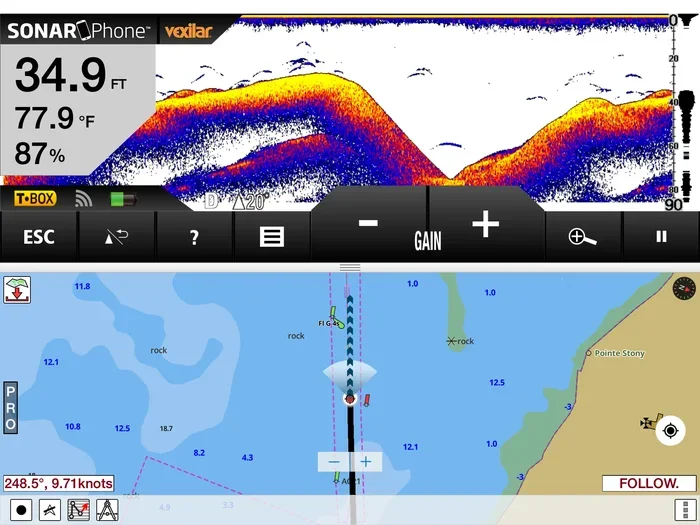
Choosing between a side imaging or down imaging fish finder can make or break your fishing trip. Both technologies use sonar to help you see underwater, but they work in very different ways. Side imaging covers a wide area, while down imaging gives you a detailed view directly beneath your boat. Let’s break down which one suits your fishing style best.
Key Takeaways
- Side imaging fish finders spread sonar waves wide, covering large areas to your left and right for broader underwater visibility.
- Down imaging fish finders focus sonar directly beneath the boat, providing high-detail views of structure and fish at specific depths.
- Your fishing style — whether you target shallow or deep water — plays the biggest role in choosing the right technology.
- Many modern fish finders now combine both side and down imaging into one unit for the best of both worlds.
- Transducer placement and frequency greatly affect image quality and coverage area for both systems.
- Budget matters — combo units cost more but offer unmatched versatility on the water.
- Beginners benefit more from down imaging because of its simplicity and focused detail directly below.
📑 Table of Contents
What Is a Fish Finder and Why Does It Matter?
A fish finder is an electronic device that uses sonar technology to show you what’s happening beneath the water’s surface. It sends sound waves into the water and reads the echoes that bounce back. Those echoes create an image on your screen showing fish, structure, and the bottom contour.
Think of it like a flashlight for the underwater world. Without one, you’re basically fishing blind. You rely on guesswork, lucky spots, and years of experience. With a good fish finder, you can see fish hiding under docks, locate underwater structures, and even read the depth of the water in real time.
Modern fishing electronics have come a long way. Today’s devices offer GPS mapping, color displays, and high-frequency scanning that can distinguish between a small bass and a rock on the bottom. Whether you’re a weekend angler or a professional tournament fisherman, a reliable fish finder is a game-changer. It helps you catch more fish and spend less time searching for them.
Now, when it comes to sonar technology, you have two main options: side imaging and down imaging. Both get the job done, but they serve different purposes. Let’s dig into how each one works.
Side Imaging vs Down Imaging: How They Work
Understanding the basics of each technology makes it easier to pick the right one. Both systems use a transducer — the device mounted on your boat that sends and receives sonar signals. But the way they spread those signals is very different.
How Side Imaging Works
Side imaging fish finders send sonar beams out to the left and right sides of your boat. The beams spread wide, sometimes covering up to 240 degrees around the vessel. This creates a panoramic view of the underwater world beside you.
Imagine standing in the middle of a room and turning around to look at everything on both sides. That’s essentially what side imaging does underwater. It’s fantastic for covering a lot of ground quickly. You can scan large stretches of a lake or ocean floor in a fraction of the time it would take to motor over every spot.
Side imaging works best in shallow to moderate depths. The wider the beam, the broader the area you can see. But as depth increases, the signal weakens and the image becomes less detailed. You still get good coverage, but fine details start to fade.
How Down Imaging Works
Down imaging fish finders focus their sonar beam straight down beneath the boat. The coverage area is narrow but incredibly detailed. Think of it like a spotlight pointing straight down instead of a room light.
This focused approach gives you a crystal-clear picture of what’s directly below you. You can see individual fish, distinguish between different types of structure, and read the bottom composition with impressive accuracy. Depth readings are also more precise with down imaging because the signal doesn’t spread out as much.
Down imaging shines in deeper water. Since the beam stays concentrated, it maintains strong signal strength even at significant depths. This makes it a favorite among bass fishing enthusiasts and deep-water anglers who need precise information right beneath their boat.
Side Imaging Fish Finder: Pros and Cons
Let’s take a closer look at what makes side imaging great — and where it falls short.
Advantages of Side Imaging
- Wide coverage area — You can scan large sections of water quickly without moving the boat.
- Great for searching — Ideal when you’re trying to locate fish scattered across a wide area.
- Excellent in shallow water — The wide beam covers more of the underwater landscape at lower depths.
- Structure scanning — You get a great overview of underwater terrain, including drop-offs, points, and humps.
- Fish detection — Fish holding on structure away from the boat become visible on the side scan.
Disadvantages of Side Imaging
- Less detail at depth — Signal weakens in deep water, reducing image clarity.
- Harder to read — The wide-angle view can be confusing for beginners trying to interpret the screen.
- Not ideal for precise marking — If you want to mark a specific spot and return to it, side imaging alone isn’t the best tool.
- Requires more practice — Reading side imaging data takes time and experience to master.
Quick Tips for Side Imaging
- Use a lower frequency (around 455 kHz) for wider coverage in shallow water.
- Slow down your boat speed for cleaner, more detailed images.
- Combine side imaging with GPS waypoint marking to save promising spots.
Down Imaging Fish Finder: Pros and Cons
Now let’s look at the other side of the coin.
Advantages of Down Imaging
- High detail and clarity — The focused beam shows fine structures and individual fish with stunning precision.
- Better in deep water — Signal stays strong at greater depths, maintaining image quality.
- Easy to read — The straight-down view is intuitive and simpler for beginners to understand.
- Bottom contour mapping — You get accurate readings of the bottom depth and composition directly under your boat.
- Water temperature readings — Many down imaging units include temperature sensors that help you locate fish holding at specific thermoclines.
Disadvantages of Down Imaging
- Limited coverage area — You only see what’s directly beneath the boat, missing structures off to the sides.
- Slower search capability — You have to physically move the boat to scan different areas.
- Less effective in shallow water — The narrow beam can miss fish holding in shallow areas away from the boat’s center.
- Can miss fish on structure — Fish holding on a point or reef away from your direct path won’t show up.
Quick Tips for Down Imaging
- Use a higher frequency (around 800 kHz) for maximum detail in moderate depths.
- Keep your boat speed low and steady for the clearest images.
- Mark waypoints on promising spots to revisit them later.
- Pair down imaging with a good GPS fish finder system for accurate location tracking.
Side Imaging vs Down Imaging: Head-to-Head Comparison
Sometimes the easiest way to decide is to see both options side by side. Here’s a comparison table to help you visualize the differences:
| Feature | Side Imaging | Down Imaging |
|---|---|---|
| Coverage Area | Wide (left and right) | Narrow (directly below) |
| Detail Level | Moderate | High |
| Best For | Searching wide areas | Precise depth and structure |
| Shallow Water | Excellent | Good |
| Deep Water | Moderate | Excellent |
| Ease of Use | Moderate (needs practice) | Easy (beginner-friendly) |
| Fish Detection Range | Up to 600+ feet on each side | Directly below, up to 500+ feet |
| Best Fishing Style | Trolling, searching | Bottom fishing, jigging |
As you can see, neither technology is universally better. Each one has a specific strength that suits a particular fishing situation. Your choice should depend on the type of water you fish, the species you target, and your experience level. If you want the best of both worlds, consider a combo unit that includes CHIRP sonar along with side and down imaging.
Which One Should You Choose?
This is the big question, and the answer depends on your fishing situation. Let’s break it down by different scenarios.
Choose Side Imaging If You
- Fish in shallow lakes and reservoirs where you need to scan wide areas.
- Target pelagic species that move around and require broad searching capability.
- Like to trol or move slowly while covering large stretches of water.
- Want to find structure points, reefs, and drop-offs that extend away from your path.
- Are a serious tournament angler who needs maximum search efficiency.
Choose Down Imaging If You
- Fish in deep lakes, oceans, or rivers where precision matters most.
- Target bottom-dwelling species like walleye, catfish, or deep bass.
- Prefer a simple, easy-to-read display that doesn’t require much training.
- Like to anchor or hold position over specific spots and work them thoroughly.
- Need accurate depth readings and bottom composition data.
Choose Both If You
- Want maximum versatility on the water.
- Fish a variety of depths and conditions throughout the season.
- Are willing to invest in a premium combo unit for the ultimate fishing strategy.
Expert Insights
Professional anglers often recommend starting with down imaging if you’re new to fish finders. The focused view is easier to learn, and you build a strong foundation in reading sonar data. Once you’re comfortable, adding side imaging opens up a whole new level of underwater awareness. Many experienced fishermen consider combo units the gold standard. They may cost more, but the added versatility pays for itself on your next fishing trip. As tournament pro Mike Elrod puts it, “I wouldn’t go out without both. Side imaging finds the fish, and down imaging lets me work them.”
Common Mistakes to Avoid
- Ignoring frequency settings — Using the wrong frequency can ruin your image quality. Always adjust based on depth and detail needs.
- Going too fast — High boat speed creates messy, unreadable sonar images on both systems. Slow down for clarity.
- Overlooking transducer placement — A poorly mounted transducer can cause interference and reduce performance significantly.
- Relying on one technology alone — Even the best single system has blind spots. Consider a combo unit for complete coverage.
- Not calibrating your device — Take time to adjust sensitivity and contrast settings for your specific water conditions.
Conclusion
So, is side or down imaging fish finder better? The honest answer is: it depends on your needs. Side imaging is your go-to for wide-area searches, shallow water scanning, and finding scattered fish. Down imaging excels at detailed underwater analysis, deep water precision, and easy-to-read displays for beginners.
Both technologies use the same basic sonar principle but deliver very different results on the water. The best choice comes down to where you fish, what species you chase, and how much detail you need. For many anglers, the ideal solution is a combo unit that delivers both side and down imaging in one powerful package.
Whatever you choose, investing in a quality fish finder is one of the best decisions you can make for your fishing setup. It transforms the way you see underwater, helps you locate fish faster, and ultimately helps you catch more fish. Take your time, consider your fishing style, and pick the system that fits. The water is waiting — now you can see what’s hiding beneath it.
Frequently Asked Questions
Can I use both side and down imaging at the same time?
Yes, if you have a combo fish finder unit. Many modern devices run both systems simultaneously, giving you wide-area coverage from side imaging and detailed views from down imaging on separate screens or a split display. This is the best option for anglers who want complete underwater awareness.
Which fish finder is better for bass fishing?
Down imaging is generally preferred for bass fishing because it provides high-detail views of structure and fish at the depths where bass typically hold. However, side imaging works well for locating bass scattered around shallow flats and points. Many bass anglers use a combo unit to get the advantages of both technologies.
Is side imaging worth it for beginners?
Side imaging can be challenging for beginners because the wide-angle view takes practice to interpret correctly. Beginners usually benefit more from down imaging, which offers a simpler, more intuitive straight-down perspective. Once you gain experience, adding side imaging to your toolkit is a great next step.
Does water temperature affect fish finder performance?
Water temperature itself doesn’t directly affect sonar performance, but it influences where fish hold. Many fish finders display water temperature readings, helping you locate thermoclines where fish gather. Extreme temperature changes can sometimes affect transducer readings, but this is rare. Proper transducer placement ensures consistent performance across all conditions.
What frequency should I use for side imaging?
A frequency of 455 kHz is standard for side imaging and provides a good balance between coverage width and detail. For very shallow water, you can go lower to 200 kHz for broader coverage. For more detail at moderate depths, bump up to 800 kHz. Adjust based on the depth and clarity you need for your specific fishing situation.
Are combo fish finders expensive?
Combo units cost more than single-technology models, but prices have become very reasonable in recent years. Entry-level combo fish finders start around $200-$300, while premium models with advanced features can run $500-$1,500 or more. The added versatility is well worth the investment if you fish in varied conditions and want the best chance of locating fish in any situation.