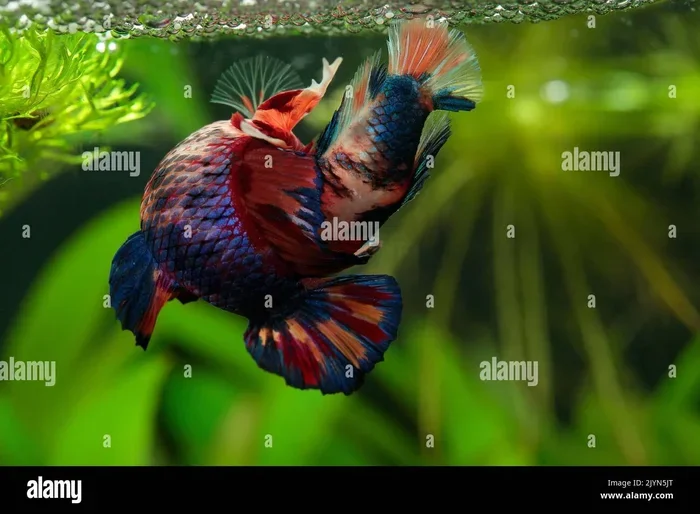
Is Public Spring Water Fine for Betta Fish

is public spring water fine for betta fish is an essential topic that provides valuable insights.
Key Takeaways
- Public spring water can be safe for betta fish: But only after testing for pH, minerals, and hardness.
- Spring water lacks chlorine: This is a benefit, but it also means you lose the convenience of simple conditioning.
- Mineral content varies widely: Always check the label and test the water before adding it to your tank.
- Bettas prefer stable water parameters: Any water source should maintain consistent pH and hardness levels.
- Tap water with conditioner is often the easiest option: It gives you the most control and is the most affordable.
- Never skip water testing: A simple test kit can prevent serious health problems for your betta.
- Mixing spring water with conditioned tap water is a smart strategy: It balances the benefits of both sources.
📑 Table of Contents
- What Is Public Spring Water and Why Does It Matter for Bettas?
- Can You Use Spring Water for Betta Fish Safely?
- What Kind of Water Is Best for Betta Fish?
- Common Mistakes When Using Spring Water for Bettas
- Quick Tips for Using Public Spring Water with Bettas
- Expert Insights on Water Choices for Betta Fish
- Final Thoughts
What Is Public Spring Water and Why Does It Matter for Bettas?
Public spring water comes from natural underground sources. It is collected, treated, and bottled for sale. Unlike tap water, it does not go through the same chlorination process. However, it still contains natural minerals that can affect your betta fish.
The term spring water for betta fish is something many hobbyists search for. The truth is, spring water is not automatically safe just because it comes from nature. Natural does not always mean safe for a sensitive fish like a betta. You need to understand what is inside that bottle before you pour it into your tank.
Betta fish water quality depends on several factors. These include mineral content, pH balance, and hardness. Spring water varies widely depending on the source. One brand might have high calcium levels, while another might be too soft. This is why testing your water before use is so important.
How Spring Water Differs from Tap Water
Tap water contains chlorine and chloramine. These chemicals are added to make water safe for humans, but they are harmful to fish. Can you use tap water for your betta fish? Yes, but only after treating it with a water conditioner. Spring water skips the chlorine part, but it brings its own set of challenges.
Spring water often has higher levels of dissolved minerals. These include calcium, magnesium, and sodium. For betta fish, these minerals can shift the water parameters in ways that are hard to predict. Tap water, when properly conditioned, gives you more control over what goes into your tank.
Here is a quick comparison to help you understand the differences:
- Chlorine content: Tap water has it; spring water usually does not.
- Mineral levels: Spring water is often higher in natural minerals.
- pH stability: Tap water is more predictable after conditioning.
- Cost: Spring water can be expensive for regular water changes.
- Convenience: Tap water is easier to access in large quantities.
Can You Use Spring Water for Betta Fish Safely?
The question of can you use spring water for betta fish does not have a simple yes or no answer. It depends on the specific spring water you are using and the needs of your betta. Some betta owners use spring water successfully, while others run into problems.
Can betta fish live in bottled spring water? Yes, many can. But the key is knowing what the water contains. Bottled spring water from the store is not the same as water from a natural spring in the wild. The bottling process can change the mineral balance.
Understanding Mineral Content in Spring Water
Spring water gets its minerals from the rocks and soil it passes through. This is what gives it its unique taste. But for betta fish, those minerals can be a double-edged sword.
Some minerals are actually beneficial. Calcium helps with bone health. Magnesium supports nerve function. But too much of these minerals can cause problems. High mineral content leads to hard water, which can stress your betta over time.
Here are some minerals commonly found in spring water and how they affect bettas:
- Calcium: Helps with health but can raise water hardness too much.
- Magnesium: Good in small amounts but can cause issues at high levels.
- Sodium: Even small amounts can be harmful to freshwater fish.
- Bicarbonate: Affects pH stability and can cause fluctuations.
pH Levels in Public Spring Water
Bettas thrive in water with a pH between 6.5 and 7.5. Most public spring water falls somewhere in this range, but not always. Some brands are more alkaline, with a pH above 7.5. Others lean acidic.
pH fluctuations are dangerous for betta fish. Even a small shift of 0.2 to 0.3 can cause stress. This is why it is critical to test the pH of any spring water before adding it to your tank. A simple aquarium test kit makes this easy and affordable.
If you are currently using spring water and notice your betta acting differently, the pH might be the cause. Signs of pH stress include clamped fins, loss of color, and erratic swimming. Testing your water is always the first step toward solving these issues.
What Kind of Water Is Best for Betta Fish?
Now that we have covered spring water, let us talk about the best overall water choices for bettas. The answer depends on your situation, budget, and how much control you want over your tank environment.
Tap Water (With Conditioner)
Tap water is the most common choice for betta fish tanks. It is cheap, easy to find, and works well when treated properly. The key is using a quality water conditioner for betta fish that removes chlorine and chloramine.
Many experienced fish keepers prefer tap water because you can adjust the parameters. You can use a conditioner that also adds beneficial minerals. This gives you the most control over your betta’s environment.
Distilled and Reverse Osmosis Water
Distilled water and reverse osmosis water are very pure. They contain almost no minerals. This might sound ideal, but it actually creates a problem. Pure water lacks the minerals bettas need, and it can leach minerals from your fish’s body.
If you use distilled or RO water, you need to remineralize it. This means adding back the minerals your betta needs. Products like remineralization salts make this process simple and safe.
Is reverse osmosis water good for betta fish? Yes, when remineralized correctly. Many breeding enthusiasts prefer RO water because it gives them a blank slate to work with. You control every mineral that goes into the tank.
Bottled Spring Water
Bottled spring water is a middle-ground option. It is free of chlorine, but it still has natural minerals. The problem is inconsistency. One batch might differ from the next. This makes it hard to maintain stable water parameters.
If you choose to use bottled spring water, buy from a reputable brand. Check the label for mineral content and pH. And always test your water before adding it to the tank. Treat it as a supplement, not your primary water source.
Common Mistakes When Using Spring Water for Bettas
Even well-meaning betta owners make mistakes when it comes to water choices. Here are some common errors to avoid.
Assuming All Spring Water Is the Same
This is the biggest mistake. Not all spring water brands are equal. Some have very high mineral content, while others are relatively low. The source, bottling process, and added treatments all vary.
Never assume that a spring water bottle is safe for your betta just because it says “natural” or “pure” on the label. Always read the label and, better yet, test the water yourself with an aquarium test kit.
Skipping Water Testing
Many beginners skip this step entirely. They pour the water straight into the tank and hope for the best. This is a risky approach. Without testing, you have no idea what your water parameters actually are.
A basic test kit costs under $20 and tests for pH, ammonia, nitrite, and nitrate. These tests take just a few minutes and can save your betta’s life. Testing should become a habit every time you add new water to your tank.
Using Spring Water Without Acclimation
Even if your spring water tests within safe parameters, you still need to acclimate your betta. Sudden changes in water temperature or chemistry can shock your fish. Always let the new water reach room temperature before adding it.
If you are doing a water change, mix the spring water with your existing tank water gradually. This gives your betta time to adjust and reduces the risk of stress.
Quick Tips for Using Public Spring Water with Bettas
Here are some practical tips to keep in mind if you decide to use public spring water:
- Test before use: Always check pH, hardness, and mineral content first.
- Buy in bulk: Spring water can be expensive. Buying larger bottles saves money.
- Store properly: Keep unopened bottles in a cool, dark place.
- Mix with conditioned tap water: This gives you the benefits of spring water with more predictable parameters.
- Monitor your betta: Watch for signs of stress after any water change.
- Keep a log: Record your water parameters and your betta’s behavior to spot trends.
Expert Insights on Water Choices for Betta Fish
Veterinarians and experienced fish keepers agree that water consistency matters more than the specific source. Your betta does best when the water parameters stay stable. Whether you use spring water, tap water, or RO water, the goal is the same: create a stable, safe environment.
Dr. Jessie Sanders, a certified aquatic veterinarian, often advises that the best water is the one you can consistently maintain. If spring water works for you and you can test it regularly, it can be a good choice. But if you find it too variable or expensive, tap water with conditioner is a perfectly fine alternative.
The key takeaway is that no single water source is perfect for every situation. Your local water conditions, your betta’s health, and your budget all play a role. The best approach is to stay informed and stay observant.
Final Thoughts
So, is public spring water fine for betta fish? The answer is yes, with some important caveats. Spring water can be used safely if you test it, understand its mineral content, and monitor your betta’s health. It is not the easiest or cheapest option, but it can work well for dedicated fish keepers.
If you are just starting out with betta fish, you might want to stick with tap water and a good conditioner. It is simpler, more affordable, and easier to control. As you gain experience, you can explore other water sources, including spring water.
The most important thing is that you care enough to ask the question. That shows you are a responsible betta owner who wants the best for your fish. Keep learning, keep testing, and your betta will thrive.
Frequently Asked Questions
Is public spring water safe for betta fish?
Public spring water can be safe for betta fish if you test it first. Check the pH, mineral content, and hardness before adding it to your tank. Always buy from a reputable brand and store the water properly.
Can I use spring water instead of tap water for my betta?
Yes, you can use spring water instead of tap water. However, spring water lacks chlorine, so you do not need a conditioner to remove it. The downside is that spring water minerals can vary, making it harder to maintain stable parameters.
What happens if I put spring water in my betta tank without testing it?
Untested spring water can have unknown pH levels and mineral content. This can stress your betta, cause health problems, or even be fatal in extreme cases. Always test before adding any new water source to your tank.
How often should I use spring water for my betta fish tank?
Spring water can be used for regular water changes, but it should be tested each time. Because mineral levels can vary between batches, testing ensures the water remains safe. Many owners mix spring water with conditioned tap water for the best results.
Is bottled spring water the same as distilled water for bettas?
No, they are very different. Distilled water has almost no minerals, while spring water contains natural minerals. Distilled water needs remineralization before use, whereas spring water may already have the minerals your betta needs. However, spring water minerals can be too high in some cases.
Can spring water cause pH swings in a betta tank?
Yes, spring water can cause pH swings if its mineral content is unstable. Different batches of spring water may have different pH levels. This is why testing every time you add new water is so important for maintaining a healthy betta environment.
=== CONCLUSION ===
Is public spring water fine for betta fish? Yes, it can be, but it requires careful attention and testing. Spring water offers benefits like being free of chlorine, but it comes with the challenge of inconsistent mineral levels. The best approach is to test your water, understand what is in it, and make informed decisions for your betta’s health.
Whether you choose spring water, tap water, or a mix of both, the goal is the same: a clean, stable, and safe environment for your betta fish. Keep learning, keep testing, and enjoy the rewarding experience of caring for these beautiful creatures.
If you found this guide helpful, share it with fellow betta owners. And remember, the best water for your betta is the water you understand and can control. Happy fish keeping!