Is Oil Takem from Mussells Better Than Fish Oil
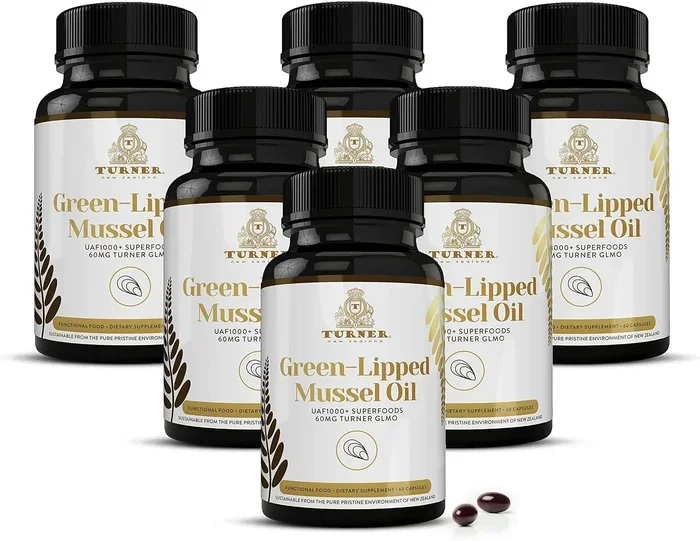
Mussel oil is a rising star in fish nutrition, but is it really better than fish oil? Both oils deliver essential omega-3 fatty acids that support betta fish health, yet they differ in composition, absorption, and benefits. This guide breaks down the key differences so you can choose the best option for your aquarium pets.
Key Takeaways
- Mussel oil offers a unique omega-3 profile that includes rare fatty acids not found in standard fish oil.
- Fish oil remains a proven choice for betta fish health, with decades of research supporting its benefits.
- Both oils reduce inflammation and support heart, joint, and brain health in aquarium fish.
- Mussel oil may be better for sensitive fish due to its cleaner source and lower contamination risk.
- Cost and availability differ between the two oils, with fish oil being more widely accessible.
- Mixing both oils can provide balanced nutrition for optimal betta fish wellness.
📑 Table of Contents
- Is Oil Taken From Mussels Better Than Fish Oil?
- What Is Mussel Oil and Why Does It Matter?
- What Is Fish Oil and Why Is It Popular?
- Mussel Oil vs Fish Oil: Key Differences
- Benefits of Mussel Oil for Betta Fish
- Benefits of Fish Oil for Betta Fish
- Which Oil Is Better for Your Betta Fish?
- Quick Tips for Adding Oil Supplements to Your Betta Diet
- Common Mistakes to Avoid
- Expert Insights on Mussel Oil vs Fish Oil
- Final Thoughts
Is Oil Taken From Mussels Better Than Fish Oil?
If you care about your betta fish, you want the best nutrition possible. Oils are a big part of that. But when it comes to mussel oil vs fish oil, which one wins? This is a question many fish keepers are asking lately. The answer is not as simple as you might think.
Mussel oil comes from green-lipped mussels found in New Zealand waters. Fish oil, on the other hand, is extracted from fatty fish like salmon, sardines, and anchovies. Both contain omega-3 fatty acids, which are vital for fish health. But their profiles are quite different.
In this article, we will break down everything you need to know. You will learn about the benefits, differences, and which oil suits your betta fish best. Let us dive right in.
What Is Mussel Oil and Why Does It Matter?
The Source of Mussel Oil
Mussel oil is extracted from the green-lipped mussel, also known as Perna canaliculus. These mussels grow in the clean waters around New Zealand. They are rich in marine omega-3s, including EPA and DHA. But here is the kicker. Mussel oil also contains a rare fatty acid called ETA. This fatty acid is not commonly found in fish oil.
ETA stands for eicosatetraenoic acid. It plays a unique role in reducing inflammation. This makes mussel oil a special addition to any fish diet. For betta fish keepers, this rarity is exciting. It means a broader range of health benefits in one supplement.
How Mussel Oil Is Made
The process of making mussel oil is fairly simple. Mussels are harvested and cleaned. Then the oil is extracted through a cold-pressing method. This gentle process preserves the delicate fatty acids. Cold pressing also avoids the use of harsh chemicals. The result is a pure, clean oil that retains its nutritional value.
Because mussels are filter feeders, they absorb nutrients directly from the water. This means the quality of the mussel oil depends heavily on the water conditions where the mussels grow. Clean water equals clean oil. That is why New Zealand mussels are so highly regarded.
What Is Fish Oil and Why Is It Popular?
The Basics of Fish Oil
Fish oil has been around for decades. It is one of the most widely used supplements for both humans and pets. For betta fish, fish oil provides essential EPA and DHA. These are the two omega-3 fatty acids that fish need most.
Fish oil is typically sourced from oily fish like sardines, anchovies, and mackerel. Some fish oils also come from salmon or cod liver. The extraction process can vary, but most involve rendering the fish and then purifying the oil. The final product is a concentrated source of omega-3s.
Fish oil is popular because it is well-studied. There is a lot of research backing its benefits. It is also widely available and affordable. For most fish keepers, fish oil is the go-to choice. But is it always the best choice? That depends on what you are looking for.
How Fish Oil Benefits Betta Fish
Fish oil supports many aspects of betta fish health. It helps reduce inflammation in the body. This is important for fish prone to fin rot and other common diseases. Fish oil also supports heart health and promotes a healthy immune system.
Additionally, fish oil contributes to vibrant coloration. The omega-3 fatty acids help enhance the natural pigments in betta fins. A well-fed betta with good nutrition will display brighter colors and healthier fins. Fish oil also aids in digestion and nutrient absorption.
Mussel Oil vs Fish Oil: Key Differences
Omega-3 Profile Comparison
The biggest difference between these two oils lies in their omega-3 fatty acid profiles. Fish oil is rich in EPA and DHA. Mussel oil contains EPA and DHA too, but it also has ETA and other rare fatty acids. This gives mussel oil a broader nutritional footprint.
Here is a simple comparison to help you understand the differences:
- Fish Oil: High in EPA and DHA. Well-researched. Affordable. Widely available.
- Mussel Oil: Contains EPA, DHA, and ETA. Broader anti-inflammatory benefits. Purer source. Less common.
When you compare these two, neither is a clear winner. It depends on your goals. If you want proven benefits at a low cost, fish oil is great. If you want a wider range of fatty acids, mussel oil has an edge.
Absorption and Bioavailability
Bioavailability refers to how well your fish can absorb and use the nutrients. Both oils are well absorbed by fish. However, mussel oil has a slight advantage here. The presence of ETA and other unique fatty acids may enhance overall absorption.
Fish oil is also highly bioavailable, especially when it is fresh and properly stored. Oxidized fish oil loses its benefits quickly. This is why storage matters. Always keep your fish oil in a cool, dark place. The same goes for mussel oil. Freshness is key for both.
Contamination and Purity
Purity is a major concern when choosing any fish supplement. Fish oil can sometimes contain traces of heavy metals or pollutants. This is because larger fish tend to accumulate more toxins in their bodies. Sardines and anchovies are smaller fish, so they generally have lower contamination levels.
Mussels, on the other hand, are filter feeders. They clean the water around them. In clean ocean environments, mussels are very low risk for contamination. This makes mussel oil a potentially cleaner choice. For betta fish owners who prioritize purity, mussel oil is worth considering.
Benefits of Mussel Oil for Betta Fish
Mussel oil offers several unique benefits for betta fish. Let us look at them in detail.
- Reduced inflammation: The ETA in mussel oil helps calm inflammation more effectively than EPA alone. This can help betta fish recover faster from injuries and infections.
- Improved joint health: Omega-3s support healthy joints and flexible fins. This is especially important for bettas, which can develop fin issues.
- Better skin and scale health: Mussel oil nourishes the skin and scales from the inside out. This leads to a healthier, more vibrant appearance.
- Enhanced immune function: A strong immune system helps bettas fight off diseases. The broad omega-3 profile in mussel oil supports immune health effectively.
- Support for brain function: DHA is essential for brain health. Mussel oil provides DHA along with other brain-supporting fatty acids.
If you want to give your betta a nutritional boost, mussel oil is a great option. It is especially useful for fish that need extra anti-inflammatory support.
Benefits of Fish Oil for Betta Fish
Fish oil is a trusted staple in fish nutrition. Here is why it remains so popular among betta keepers.
- Proven track record: Fish oil has been used in aquarium fish nutrition for many years. The results speak for themselves.
- Cost effective: Fish oil is generally cheaper than mussel oil. This makes it accessible for most fish keepers.
- Easy to find: You can buy fish oil supplements at most pet stores or online. It is widely available and convenient.
- Rich in EPA and DHA: These two fatty acids are the most important for fish health. Fish oil delivers them in high concentrations.
- Supports coloration: The omega-3s in fish oil help bring out the brilliant colors in betta fins and scales.
For most betta fish owners, fish oil is a reliable and affordable choice. It covers all the basics of fish nutrition very well. If you are new to fish keeping, fish oil is a safe starting point.
Which Oil Is Better for Your Betta Fish?
So, which one should you choose? The truth is, both oils have their strengths. The best choice depends on your specific situation.
If you have a healthy betta fish and want a basic, affordable supplement, fish oil is a solid choice. It provides the essential omega-3s your fish needs. If your betta has specific health concerns like inflammation or joint issues, mussel oil may offer extra benefits thanks to its unique fatty acid profile.
Some experienced fish keepers use both oils together. This approach provides a wider range of nutrients. It is like giving your betta a comprehensive nutritional package. Just be sure to follow dosing guidelines and not overdo it.
You might also want to read about is krill oil better than fish oil to explore another popular alternative. Understanding the options helps you make the best decision for your fish.
Quick Tips for Adding Oil Supplements to Your Betta Diet
- Start with small doses. Add a tiny amount of oil to your betta’s food. Observe how your fish responds before increasing the amount.
- Store oils properly. Keep them in a cool, dark place. Refrigeration can extend the shelf life of both fish oil and mussel oil.
- Check for freshness. Rancid oil has no nutritional value and can harm your fish. If the oil smells bad, throw it out.
- Mix with food. Soak pellets or flakes in a few drops of oil before feeding. This ensures your betta gets the full benefit.
- Do not overdo it. Too much oil can lead to greasy water and health issues. A little goes a long way for your fish.
Common Mistakes to Avoid
Many fish keepers make avoidable mistakes when using oil supplements. Here are a few to watch out for.
- Using expired oil: Old oil loses its potency. Always check the expiration date before adding oil to your betta’s diet.
- Skipping research: Not all oils are created equal. Some cheap products are heavily processed and stripped of nutrients. Choose high-quality brands.
- Overdosing: More is not always better. Too much oil can cause digestive issues and water quality problems.
- Ignoring water quality: Oil supplements work best in clean water. Maintain your aquarium’s filtration and perform regular water changes.
Avoiding these mistakes will help you get the most out of any oil supplement you choose for your betta fish.
Expert Insights on Mussel Oil vs Fish Oil
Many aquarists and fish nutrition experts weigh in on this debate. The general consensus is that both oils have a place in fish care. Mussel oil is newer and offers a unique profile. Fish oil is time-tested and widely trusted.
Experts suggest that for betta fish specifically, a combination approach works best. Use fish oil as a base supplement for general health. Add mussel oil occasionally for its extra anti-inflammatory benefits. This balanced approach covers all nutritional bases.
Some experts also recommend looking into other oil alternatives. If you are curious about comparisons, check out this article on which is better to take fish oil or krill oil for more insights.
Final Thoughts
The question of whether mussel oil is better than fish oil does not have a one-size-fits-all answer. Both oils bring valuable omega-3 fatty acids to the table. Fish oil is affordable, well-studied, and widely available. Mussel oil offers a unique fatty acid profile that may provide extra health benefits.
For your betta fish, the best choice is the one that fits your budget and your fish’s needs. Consider starting with fish oil and then introducing mussel oil as a supplement. Watch your fish closely and adjust as needed. Healthy, well-nourished bettas are a joy to watch.
Remember, no single oil can replace a balanced diet and clean water. These are the foundations of good fish care. Supplements are just that, a way to enhance what is already good. Keep learning, keep experimenting, and your betta fish will thrive.
Frequently Asked Questions
Can betta fish eat both mussel oil and fish oil?
Yes, betta fish can benefit from both oils. Using them together provides a wider range of omega-3 fatty acids. Just be sure to follow proper dosing guidelines to avoid over-supplementation.
How often should I add oil supplements to my betta’s diet?
Most fish keepers add oil supplements 2 to 3 times per week. A few drops mixed into food is usually enough. Observe your fish and adjust the frequency based on their health and appearance.
Is mussel oil more expensive than fish oil?
Generally, yes. Mussel oil tends to cost more due to its rarer sourcing and unique fatty acid profile. However, prices are coming down as demand grows. The extra cost may be worth it for the added benefits.
Can mussel oil help with betta fish fin rot?
Mussel oil has anti-inflammatory properties that may support healing and recovery. It is not a cure for fin rot, but it can help strengthen fin tissue and reduce inflammation during recovery. Always treat the underlying cause first.
Does fish oil cause water quality issues in aquariums?
In small amounts, fish oil should not cause water quality problems. However, overuse can lead to greasy film on the water surface. Always use the recommended amount and maintain good filtration.
Where can I buy quality mussel oil for fish?
You can find mussel oil supplements at specialty pet stores or online retailers. Look for products specifically formulated for fish. Check for third-party testing and purity certifications to ensure quality.
=== CONCLUSION ===
Is oil taken from mussels better than fish oil? The answer depends on your goals and your betta fish’s needs. Mussel oil brings a unique nutritional profile with rare fatty acids like ETA. Fish oil delivers proven, essential omega-3s at an affordable price. Both have their place in a well-rounded fish care routine. Start with what works for you and your fish, and consider adding mussel oil as a valuable supplement over time. Your betta fish will thank you with vibrant colors, healthy fins, and lively energy.