Choosing the right fish is the single most important factor for frying success. You need a fish with a firm, sturdy flesh that won’t fall apart in hot oil and has a mild, complementary flavor. The best options are typically lean, ocean-dwelling whitefish like cod, haddock, or pollock, or heartier freshwater species like catfish. Avoid very delicate, flaky, or oily fish, as they will either disintegrate or create a greasy, soggy final product. Proper preparation—especially thorough drying and correct oil temperature—is just as critical as the fish selection itself.
Key Takeaways
- Firmness is non-negotiable: The fish must hold together structurally when submerged in 350-375°F oil. Flaky, delicate fish like sole or tilapia (if not handled perfectly) will shred.
- Lean flesh beats oily flesh: Oily fish (salmon, mackerel, tuna) release their own oils when fried, leading to a greasy texture and potential for bitter, smoking oil. Lean fish create a cleaner, crisper crust.
- Mild flavor is a plus: The frying process and any batter or breading should shine. A strongly “fishy” flavored fish can become overpowering and unpleasant after frying.
- Top-tier frying fish are specific: Atlantic cod, haddock, pollock, Pacific halibut, and catfish are consistently the best performers due to their ideal texture and moisture content.
- Thickness matters: Uniform thickness (ideally ½ to 1-inch) ensures even cooking. Filets that are too thin will overcook and dry out before the coating sets.
- Preparation trumps pedigree: Even the best fish will fail if not patted completely dry and if the oil temperature is incorrect. Always use a thermometer.
- Betta fish are NOT for frying: Despite the category tag, Betta Fish are ornamental pets, not a food source. They are tiny, bony, and culturally significant as companion animals. This article focuses on edible, culinary species.
📑 Table of Contents
- Debunking the Betta: A Critical Starting Point
- The Science of Sizzle: What Makes a Fish “Fryable”?
- The All-Star Team: Top Fish for Frying
- The Naughty List: Fish to Avoid in the Fryer
- Mastering the Method: Preparation and Technique
- Common Pitfalls and How to Avoid Them
- Beyond the Fry: Health, Sustainability, and Flavor
- Conclusion: Your Fry, Your Way
Debunking the Betta: A Critical Starting Point
Before we dive into the sizzling world of frying, we must address the elephant—or rather, the beautiful, flowing-finned fish—in the room. The category assigned to this article is “Betta Fish.” Let’s be unequivocally clear: Betta fish (Siamese fighting fish) are not, and have never been, a culinary candidate for frying.
Betta fish are tiny, averaging just 2-3 inches in length. Their bodies are primarily bone and scale with minimal, bony muscle meat. They are bred and celebrated worldwide as stunning, low-maintenance aquarium pets with distinct personalities. The cultural and ethical consideration alone makes them entirely unsuitable for consumption. Furthermore, from a purely practical frying standpoint, their size and bone structure make them impossible to prepare in any recognizable “fried fish” form.
This article will instead focus on the thousands of years of culinary tradition and modern food science surrounding the frying of edible fish species. We’re talking about the filets, steaks, and whole fish you find at your seafood counter or catch from a lake or ocean. The principles of selecting the right fish for a perfect, crispy, golden-brown crust are universal, but they apply only to fish raised, caught, and sold for human consumption. With that essential clarification made, let’s get frying.
The Science of Sizzle: What Makes a Fish “Fryable”?
Frying is a brutal, high-heat cooking method. You’re submerging food in oil at temperatures between 350°F and 375°F (175°C – 190°C). The goal is to create a rapid, instantaneous seal on the exterior that cooks the interior through conduction while trapping steam. For fish, this means the exterior must form a hard, crisp barrier before the delicate interior proteins contract and squeeze out moisture. Not all fish are built for this battle. Three core scientific properties determine a fish’s fryability: flesh structure (firmness), fat content, and moisture retention.
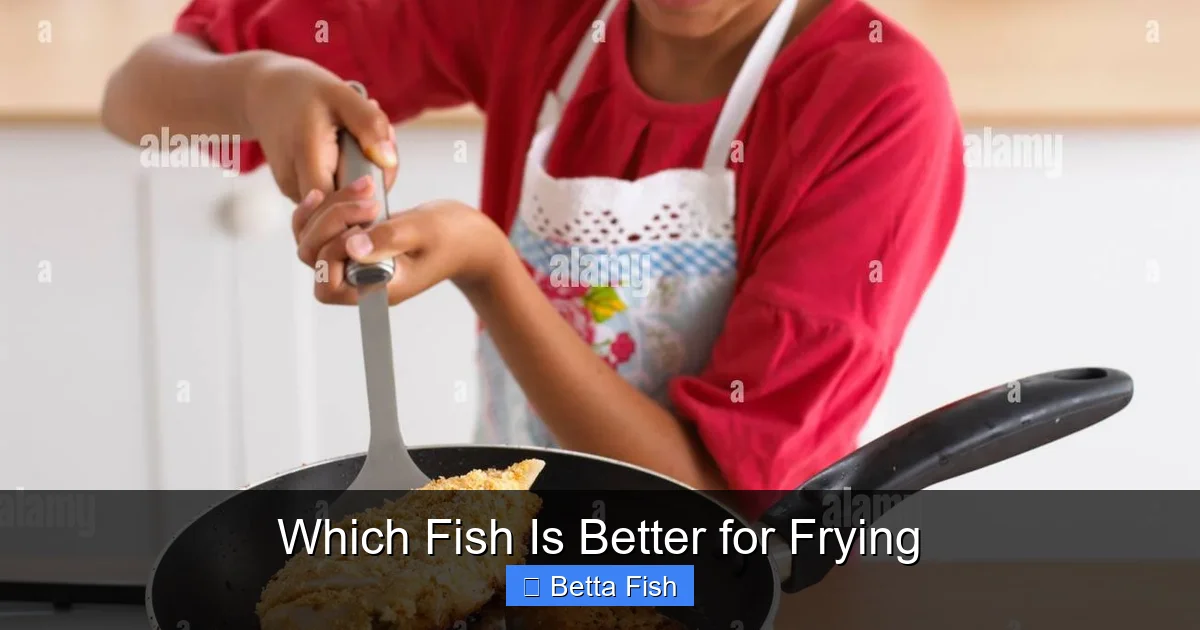
Visual guide about Which Fish Is Better for Frying
Image source: c8.alamy.com
1. Firmness and Structural Integrity
Fish muscle is made of short, delicate muscle fibers. Some species, particularly those that are strong swimmers against currents (like cod or halibut), have denser, more tightly packed fibers. This creates a “firm,” “meaty,” or “steaky” texture. When battered and dropped in oil, this firm structure resists shearing forces. It holds together, allowing the coating to adhere and set properly.
In contrast, “flaky” fish like flounder, sole, or some tilapia have very loose, delicate fibers that separate easily. In hot oil, the steam pressure from the inside blows these fibers apart before the coating can seal them. The result is a sad, falling-apart filet with patchy coating. For frying, you want a fish that you can pick up by one end without it drooping or tearing.
2. Fat Content: The Grease Factor
Fish are categorized as either “lean” (whitefish) or “oily” (bluefish). Oily fish—salmon, mackerel, sardines, tuna—have high levels of healthy fats stored in their muscle tissue and a layer under the skin. When you fry an oily fish, two bad things happen. First, the fish’s own oils render out into the frying oil, drastically lowering its smoke point and causing it to break down faster, becoming viscous and bitter. Second, the released oil interferes with the formation of a crisp crust, leading to a soggy, greasy coating that slides off. Lean fish, with fat content often below 5%, contribute no extra oil to the pan, allowing for a clean, crisp fry.
3. Moisture and Density
Water and hot oil are enemies. Water instantly vaporizes at 212°F (100°C), creating explosive steam pressure. A fish with very high water content will steam itself from the inside out during frying. This steam prevents the oil from contacting the surface directly, leading to a pale, soft, and wet coating. A slightly denser, lower-moisture fish allows the oil to do its job of dehydrating and crisping the exterior more efficiently. This is why freshness is paramount; older fish begins to break down, losing its ability to hold moisture properly and becoming mushy.
The All-Star Team: Top Fish for Frying
Armed with the science, we can now identify the champions. These species consistently deliver on the promise of a shatteringly crisp crust enclosing moist, flaky, and flavorful meat. They are readily available in most regions, whether fresh or frozen.
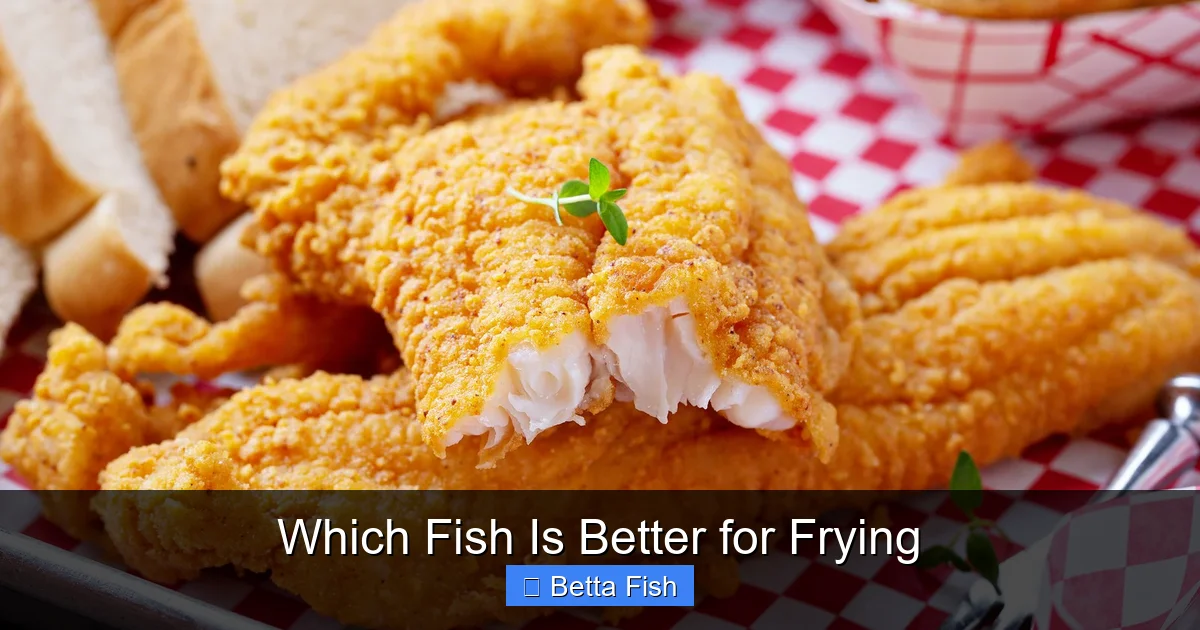
Visual guide about Which Fish Is Better for Frying
Image source: mashed.com
Atlantic Cod (Gadus morhua)
The undisputed king of the fry. Atlantic cod has been the foundation of fish-and-chips for centuries for good reason. Its flesh is exceptionally firm, white, and flaky in large, succulent pieces. It’s very lean, with a mild, slightly sweet flavor that takes on batter and seasoning beautifully. Its large, thick filets are perfect for uniform frying. Look for: “Cod loin” or center-cut filets. Pacific cod is also excellent but can be slightly less firm.
Haddock (Melanogrammus aeglefinus)
The elegant cousin to cod. Haddock is almost identical in texture and performance but has a slightly more pronounced, savory flavor (some call it “fishier,” but in a pleasant way). Its flesh is a beautiful pearly white. It’s the traditional choice for Scottish fish suppers and New England fried clams (often mixed with cod). It fries up just as reliably as cod.
Pollock (Theragra chalcogramma)
The workhorse of the frozen fish industry and a fantastic budget-friendly frying fish. Alaskan pollock is very lean, has a mild flavor, and a firm, white flesh that holds up well. It’s the fish most commonly used in commercial fish sticks and fast-food fish sandwiches because it’s economical and fries consistently. Its texture can be a touch more crumbly than cod, but with proper handling, it’s a top choice.
Catfish (Channel & Blue)
The freshwater heavyweight champion. Farm-raised U.S. catfish has a dense, firm, and almost succulent texture that is uniquely resistant to falling apart. It has a distinct, earthy, slightly sweet flavor that people either love or are learning to love. Its thickness is ideal. Catfish is traditionally cornmeal-dusted in the American South, but it takes a tempura or beer batter brilliantly. Key: Ensure it’s from a reputable U.S. farm for quality and sustainability.
Pacific Halibut
The luxury option. Halibut is a giant flatfish with steaks that are incredibly dense, meaty, and firm—almost like a lean pork chop. Its low fat content and tight muscle fibers make it one of the best possible fish for frying. It has a clean, mild, slightly sweet flavor. Because it’s so firm, you can fry it in larger pieces or steaks. It’s more expensive but delivers an unparalleled texture.
Other Strong Contenders
Tilapia: A popular, inexpensive, and mild-flavored fish. Its fryability is highly dependent on quality. Cheap, frozen tilapia can be mushy and watery. High-quality, fresh tilapia from a good source can have a reasonably firm texture. It’s a gamble, but a good one if you source well.
Whiting & Silver Hake: Small, lean, and very affordable Northeast species. They are excellent for frying whole (called “fryers” for this reason) or as small filets. Their flavor is delicate and sweet. They are a classic for fish fries and seaside shacks.
Salmon (for a specific style): Yes, oily salmon can be fried successfully, but not with a traditional batter. For salmon, you want a very hot pan with a thin coating of oil to sear the skin (if present) and create a crispy skin. A thick-cut salmon steak can be “pan-fried” this way. For deep-frying in batter, salmon’s high oil content makes it a poor choice—it will be greasy.
The Naughty List: Fish to Avoid in the Fryer
Knowing what not to cook is as important as knowing what to cook. These fish will lead to frustration, mess, and disappointment.
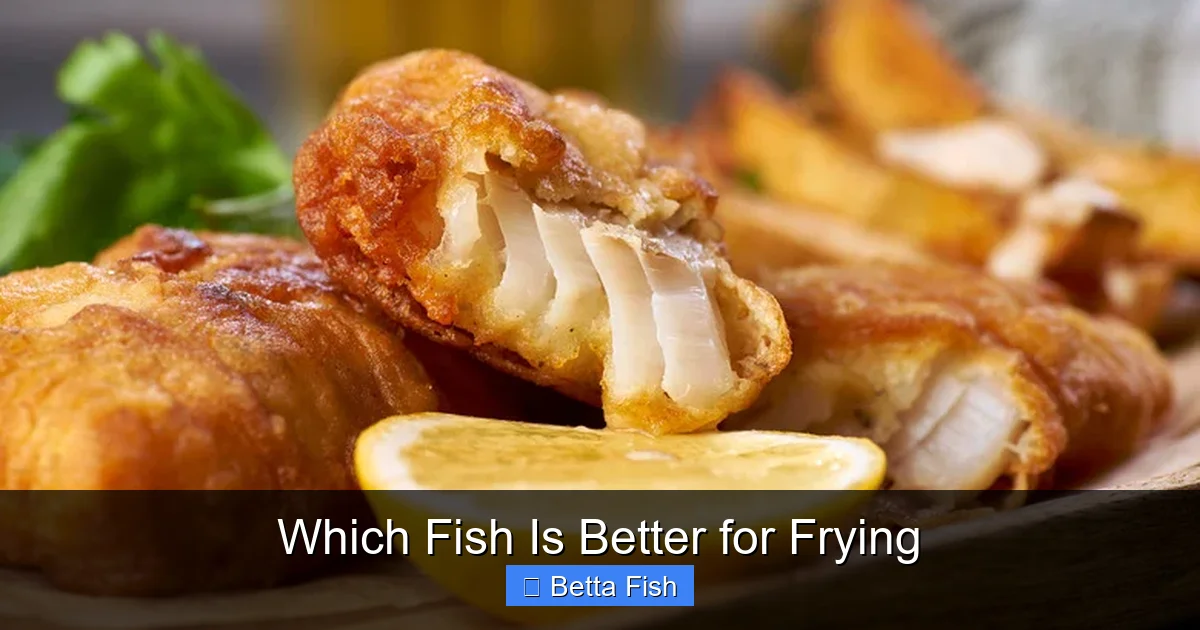
Visual guide about Which Fish Is Better for Frying
Image source: mashed.com
- Delicate Flatfish (Flounder, Sole, Summer Flounder/Fluke): The definition of flaky. Their flesh is so thin and fragile that it will shred into pieces the moment you try to move it after frying. They are better suited for gentle sautéing or baking en papillote.
- Very Oily Fish (Mackerel, Bluefish, Kingfish, Sardines): As explained, they will release too much oil, smoke up your kitchen, and create a soggy, oily coating. They are best grilled, broiled, or smoked.
- Tuna (for deep-frying): Like salmon, it’s too oily and dense for a batter. A thick tuna steak is wonderful seared rare on the outside, but a deep-fried, battered piece of tuna would be a greasy, unpleasant experience.
- Monkfish/Lotte: While firm and often called “poor man’s lobster,” its texture can be rubbery when fried. It’s better in stews or grilled.
- Pre-Marinated or “Seasoned” Filets: These have often been injected with a salt-water solution (a process called “plumping”) to add weight. This extra moisture guarantees a soggy, steaming fry, not a crisp one. Always buy plain, untreated fish.
Mastering the Method: Preparation and Technique
You’ve chosen the perfect cod filet. It’s now or never. The preparation steps are where 90% of success is determined. Skip them, and you’ll ruin even the best fish.
The Sacred Dry: Patting is Non-Negotiable
This is the #1 rule. Take your fish out of its packaging, place it on a wire rack or paper towels, and pat it completely, utterly, bone-dry with fresh paper towels. Any surface moisture will cause the oil to violently erupt (a dangerous splash) and will steam the coating off the fish, preventing adhesion. Do this 15 minutes before frying and let the fish air-dry further on the rack in the fridge. A dry surface is a crispy surface.
Seasoning: Beneath and Above
Season the fish itself lightly with salt and pepper on both sides after it’s dry. Salt draws out moisture, so if you salt a wet filet, you’ll create a brine that makes it soggy. Let the seasoned fish sit for 10 minutes, then pat dry again. Now, season your batter or breading mixture generously. This is your main flavor layer.
The Coating: Batter vs. Breading
Beer Batter: A mix of flour, baking powder, and cold beer (or sparkling water). Creates a thick, puffy, craggy crust that’s incredibly crisp. Ideal for cod, haddock, halibut. The cold liquid and baking powder create steam pockets for lift.
Dry Breading (Cornmeal, Panko, Flour): Lighter, thinner, and more delicate. Requires the fish to be exceptionally dry for adhesion. Often involves a dredge in seasoned flour, then a dip in egg wash or buttermilk, then the breading. Perfect for catfish (cornmeal) or a more subtle crisp.
Pro Tip: For any coating, let the coated fish rest on a rack for 5-10 minutes before frying. This allows the coating to hydrate and adhere, preventing it from falling off in the oil.
The Oil and Temperature: The Holy Trinity
Use a neutral, high-smoke-point oil. Canola, vegetable, peanut, or sunflower oil are all excellent. Never use olive oil (low smoke point) or butter (burns). You need enough oil for deep-frying—the fish should be fully submerged. A deep, heavy pot or a dedicated deep fryer is best.
Use a thermometer. This is not optional. 350°F is the target for the first fish. If the oil is too cold (<325°F), the coating absorbs oil like a sponge, becoming greasy and soggy. If it's too hot (>375°F), the coating burns before the fish cooks through. After adding the fish, the oil temperature will drop. Adjust your burner to bring it back to 350-360°F for the remainder of the batch. Never overcrowd the pot; it drops the oil temperature drastically.
Common Pitfalls and How to Avoid Them
Even with the right fish, these mistakes will sabotage your fry.
- Soggy Coating: Caused by oil temperature too low, fish not dry enough, or overcrowding. Solution: Dry fish thoroughly, use a thermometer, fry in small batches.
- Coating Falls Off: Caused by fish being too wet, coating not adhering, or fish being moved too soon after entering the oil. Solution: The sacred dry! Let coated fish rest. Gently lower fish into oil with tongs or a spider, and do not move it for the first 30-45 seconds.
- Greasy Fish: Caused by oil temperature too low, using old oil, or using an oily fish. Solution: Fresh oil, correct temperature, lean fish.
- Undercooked Center: Caused by filet being too thick for the oil temperature, or temperature dropping too much with a batch. Solution: Use uniform thickness. Use a thermometer to check internal temp (145°F). Adjust heat for each batch.
- Burnt Coating, Raw Fish: Oil is too hot. Solution: Lower the heat immediately. The coating burns before heat penetrates.
- Fish Sticking to the Basket: Coating wasn’t set before moving. Solution: Let fish fry undisturbed for at least 1 minute before gently lifting with tongs to check.
Beyond the Fry: Health, Sustainability, and Flavor
While delicious, fried food is an occasional treat due to the calorie and fat content from the oil. For a healthier approach, consider pan-frying with just a tablespoon of oil, or oven-frying (coating and baking on a rack). The principles of fish selection still apply—you still need a firm, lean fish.
Sustainability is a crucial factor. Refer to guides like the Monterey Bay Aquarium’s Seafood Watch. For example, Atlantic cod stocks have been heavily depleted but are recovering with strict quotas. Look for MSC (Marine Stewardship Council) certified wild-caught cod or haddock. U.S. farm-raised catfish is considered a sustainable choice due to strict regulations. Pacific halibut is generally well-managed. Avoid threatened species or those caught with destructive methods.
Flavor Pairings: The mildness of top frying fish is a canvas. Classic accompaniments are tartar sauce, lemon wedges, malt vinegar, and coleslaw. For a twist, try a spicy remoulade, a garlic-herb aioli, or a squeeze of fresh lime with catfish. The side should cut through the richness—vinegar, acidity, and crisp vegetables are key.
Conclusion: Your Fry, Your Way
The question “which fish is better for frying” has a definitive, science-backed answer: lean, firm-fleshed, mild-flavored fish with uniform thickness. Start your experiments with Atlantic cod or haddock—they are the gold standard for a reason. If you want a heartier, more distinctive flavor, seek out good-quality catfish. For a special occasion, splurge on halibut. The key is to treat the fish with respect: source it fresh and ethically, prepare it with meticulous dryness, and fry it with precise temperature control.
Frying fish at home is a deeply rewarding skill. The sound of the sizzle, the sight of that perfect golden crust, and the taste of hot, crisp fish with a dip of tartar sauce is a simple, profound joy. Armed with this knowledge, you are no longer guessing. You are a fish-frying technician. Now, heat that oil, and get to work.
Frequently Asked Questions
What is the absolute best fish for a first-time fryer?
Atlantic cod or haddock. They are the most forgiving, widely available, and consistently deliver perfect results. Their firm texture and mild flavor make them the ideal beginner’s choice for learning proper frying technique.
Can I fry fish in olive oil?
It’s not recommended. Extra virgin olive oil has a low smoke point (around 375°F) and will burn and become bitter at typical frying temperatures. Use a neutral oil with a high smoke point, like canola, vegetable, or peanut oil, for deep-frying.
How do I get my fried fish extra crispy?
Three keys: 1) Pat the fish completely dry. 2) Ensure your oil is at the correct temperature (350-375°F) using a thermometer. 3) Don’t overcrowd the pot, which lowers oil temperature. A final dusting of cornstarch in your dry coating or a very cold batter also helps maximize crispness.
Is frozen fish okay to fry, or should I always use fresh?
High-quality, flash-frozen fish (like many cod and haddock filets) is excellent for frying and often superior to “fresh” fish that has been sitting on ice for days. The key is to thaw it completely in the refrigerator and then pat it extremely dry. Never fry from frozen.
Why does my fish stick to the basket when I fry it?
The coating wasn’t set before the fish was moved. After gently lowering the fish into the oil, do not touch it for at least 60 seconds. The crust needs this time to form a solid barrier. Moving it too soon will cause the wet coating to adhere to the metal basket.
Should I season the fish or just the batter?
Do both, but in the right order. Lightly salt and pepper the dried fish filet itself and let it rest for 10 minutes, then pat dry again. Then, generously season your flour or batter mixture. This ensures flavor is infused into the fish meat and the crust.


