When deciding between cod and pollock, your priorities matter most. Cod offers a milder, flakier texture but comes at a higher price and often with greater sustainability concerns. Pollock provides a firmer, more flavorful bite, is budget-friendly, and typically boasts better environmental credentials. Nutritionally, they’re nearly identical—both lean, protein-rich, and low in mercury. Your choice should hinge on culinary needs, budget, and eco-values.
Ever found yourself staring at a seafood counter, wondering what the real difference is between cod and pollock? You’re not alone. These two white fish dominate grocery shelves, fish sticks, and restaurant menus, yet they’re often treated as interchangeable. But are they really? In this deep dive, we’ll tackle the burning question: which fish is better cod or pollock? We’ll compare them side-by-side on nutrition, taste, sustainability, price, and health so you can make a choice that fits your plate, your wallet, and your values. Let’s cast off the confusion.
Key Takeaways
- Nutritional Parity: Both cod and pollock are excellent lean proteins with similar calorie counts; pollock edges out with slightly more omega-3s, while cod offers a bit more iodine.
- Flavor & Texture Divide: Cod is mild, sweet, and flaky—ideal for absorbing flavors. Pollock is firmer, brinier, and holds shape better, suits robust dishes.
- Sustainability Winner: Pollock, especially Alaskan, is widely certified (MSC) and managed with lower bycatch. Many cod stocks, particularly Atlantic, are still recovering from overfishing.
- Cost & Accessibility: Pollock is consistently cheaper and more abundant, often found frozen or processed. Cod commands a premium, especially fresh Atlantic varieties.
- Health & Safety: Both are low-mercury, safe for frequent consumption, and rich in B vitamins and selenium. Allergies to one typically mean avoiding both.
- Culinary Flexibility: Cod excels in delicate preparations like baking or frying. Pollock’s firmness makes it perfect for grilling, stews, and processed goods like fish sticks.
- Labeling Vigilance: Mislabeling is common; pollock is sometimes sold as cod. Buy from reputable sources and look for specific origins (e.g., “Alaskan pollock”) to ensure authenticity.
📑 Table of Contents
Nutritional Profile: The Protein-Packed Comparison
When it comes to pure nutrition, cod and pollock are like two peas in a pod—both are lean, mean, protein machines. But subtle differences exist that might sway your decision if you have specific dietary goals.
Protein Content & Quality
Both fish are fantastic sources of high-quality, complete protein. A standard 3-ounce (85g) cooked serving of either provides roughly 15–20 grams of protein. This protein contains all nine essential amino acids your body needs to build and repair tissues, making it easily digestible and efficient for muscle maintenance.
Is one significantly higher? Not really. Cod might have a slight edge, averaging about 18–20g per serving, while pollock often lands around 17–19g. For the average person, this difference is negligible. Unless you’re a bodybuilder meticulously tracking macros, either fish will fuel your protein needs admirably.
Fat & Omega-3 Levels
Here’s where the scales tip a little. Both are low in total fat, but pollock generally contains more fat overall—about 1 gram per 3 ounces versus cod’s 0.5 grams. That might sound like cod wins for low-fat diets, but the type of fat matters. Pollock’s extra fat includes more omega-3 fatty acids (EPA and DHA), the heart- and brain-boosting fats we all want.
On average, pollock offers around 0.5–0.7g of omega-3s per serving, while cod provides about 0.2–0.4g. If you’re specifically aiming to increase omega-3 intake—for heart health, inflammation reduction, or cognitive support—pollock gives you more bang for your buck. However, both are still considered lean fish, and their omega-3 levels pale compared to fatty fish like salmon. So, don’t choose either expecting a massive omega-3 dose; think of them as solid contributors to a balanced seafood diet.
Vitamins & Minerals
Cod and pollock are both rich in B vitamins, particularly vitamin B12 and niacin (B3), which are crucial for energy metabolism and nervous system function. A serving of either provides well over 100% of your daily B12 needs—a big win for vegetarians who occasionally eat fish (pescatarians).
They also share high selenium content, a powerful antioxidant that supports thyroid function and combats oxidative stress. Selenium levels are similar, around 50–70% of your daily value per serving.
Where they diverge: cod is a notably good source of iodine (about 10–15% DV per serving), essential for thyroid hormone production. Pollock tends to have more potassium (around 10% DV), which helps regulate blood pressure. Neither is a significant source of iron or calcium, but both offer small amounts of phosphorus for bone health.
Bottom line: Nutritionally, cod and pollock are almost twins. Unless you’re deficient in iodine or chasing extra potassium, the choice won’t move the needle on your health metrics much. Both are excellent, low-calorie, nutrient-dense options.
Taste, Texture & Culinary Uses
This is where personal preference takes the wheel. The flavor and texture differences between cod and pollock are noticeable and can make or break a dish.

Visual guide about Which Fish Is Better Cod or Pollock
Image source: thumbs.dreamstime.com
Flavor Profiles
Cod is the mild-mannered diplomat of the sea. Its flavor is subtly sweet, clean, and almost neutral—some describe it as “chicken of the sea.” This mildness makes it a canvas for sauces, batters, and seasonings. It’s rarely “fishy,” which appeals to seafood skeptics and kids.
Pollock, in contrast, has a more pronounced, briny, oceanic flavor. It’s not overpowering, but you’ll taste the sea more distinctly. Some find it slightly earthy or “muddy” if not fresh, but when properly handled, it’s a robust, satisfying taste. If you enjoy the flavor of fish rather than just the texture, pollock might win you over.
Pro tip: Freshness amplifies flavor in both. Smell the fish—it should smell like clean ocean water, not fishy or ammonia-like. Pollock’s stronger scent when raw is normal; it shouldn’t be off-putting.
Best Cooking Methods
Texture dictates cooking. Cod is flaky and delicate. It cooks quickly and tends to fall apart easily, which is perfect for:
- Frying: Fish and chips, fish tacos. The flakes hold together in batter.
- Baking: Whole fillets with lemon and herbs. It stays moist if not overcooked.
- Steaming/Poaching: Delicate preparations like cod in white wine sauce.
Pollock is firmer and more resilient. Its meat holds together well, making it ideal for:
- Grilling: Kebabs or whole fillets that won’t disintegrate.
- Stews & Soups: Like fish chowder or bouillabaisse, where it needs to hold shape in liquid.
- Frying (for processed forms): It’s the star in most commercial fish sticks and patties because it binds well.
Key caution: Both fish become tough and dry if overcooked. Aim for an internal temperature of 145°F (63°C) and cook just until opaque and flaky.
Recipe Ideas
Let’s get practical. Here’s how to use each fish to its strengths:
For Cod:
- Lemon-Herb Baked Cod: Top fillets with lemon slices, garlic, and dill. Bake at 375°F for 12–15 minutes. The mild flavor soaks up the aromatics beautifully.
- Cod Fish Cakes: Flake cooked cod, mix with breadcrumbs, egg, and herbs, then pan-fry. The flaky texture binds well.
- Cod with Butter Sauce: A classic French meunière—flour-dusted cod pan-fried in butter, finished with lemon and parsley.
For Pollock:
- Grilled Pollock with Spices: Marinate in olive oil, paprika, and cumin. Grill 4–5 minutes per side. The firm flesh won’t stick to grates.
- Fisherman’s Stew: Simmer pollock chunks with tomatoes, potatoes, and clam juice. It holds up in the broth.
- Pollock “Fish” Tacos: Blacken with chili powder and lime. Its stronger flavor stands up to bold toppings like slaw and chipotle mayo.
Can you substitute them? Yes, but mind the texture. If a recipe calls for a delicate, flaky fish (like sole), cod is closer. For hearty, chunky fish (like in a curry), pollock works fine. Adjust cooking time: pollock may need a minute or two longer due to density.
Sustainability & Environmental Impact
This is where the debate heats up. If you care about ocean health, the which fish is better cod or pollock question gets a clear answer in many cases.
Visual guide about Which Fish Is Better Cod or Pollock
Image source: thumbs.dreamstime.com
Fishing Methods & Bycatch
Cod is often caught via bottom trawling—dragging heavy nets along the seafloor. This method can destroy habitats like coral and sponges and results in high bycatch (unintended catch of other species). Atlantic cod fisheries have been notorious for overfishing and bycatch issues for decades.
Pollock, especially Alaskan pollock, is primarily harvested using mid-water trawls that target schooling fish above the ocean floor. This reduces habitat damage and bycatch significantly. The Gulf of Alaska and Bering Sea pollock fisheries are among the cleanest in terms of bycatch rates, often less than 1–2% of total catch.
Note: Not all pollock is equal. Atlantic pollock (from the North Atlantic) may use different methods. Always check the origin.
MSC Certifications & Population Health
The Marine Stewardship Council (MSC) is a gold standard for sustainable seafood. Look for the blue MSC label.
- Alaskan Pollock: The entire fishery is MSC-certified and often held up as a model of sustainable management. Strict quotas based on scientific assessments prevent overfishing. The stock is healthy and abundant.
- Pacific Cod: Some fisheries (e.g., Gulf of Alaska) are MSC-certified and well-managed, but others may not be. It’s a mixed bag.
- Atlantic Cod: Many stocks are still depleted from centuries of overfishing. Some fisheries have MSC certification after strict recovery plans, but others are not certified or are “in transition.” Avoid Atlantic cod unless you see a trusted eco-label.
In short: Alaskan pollock is almost always the most sustainable choice. Cod requires more detective work.
Ocean Health Considerations
Overfishing cod has ripple effects. As top predators, their decline disrupts marine food webs. By contrast, well-managed pollock fisheries maintain ecosystem balance. Also, consider carbon footprint: both are often caught in the North Pacific (pollock) or North Atlantic (cod) and shipped globally. If you’re in North America, Alaskan pollock has a shorter transport route than Atlantic cod, potentially lowering emissions.
Practical tip: Use resources like Monterey Bay Aquarium’s Seafood Watch or the MSC website to check current ratings. When in doubt, choose pollock from Alaska for a clear conscience.
Price, Availability & Labeling Issues
Money talks, and here pollock speaks loudly. But there’s more to the story than just price tags.
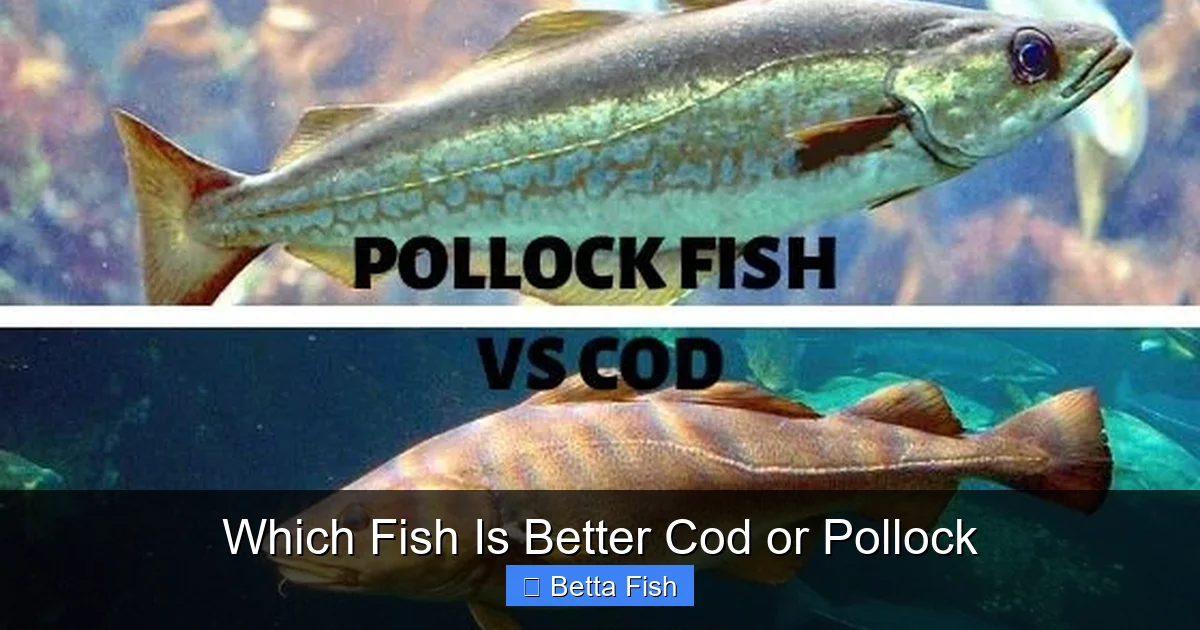
Visual guide about Which Fish Is Better Cod or Pollock
Image source: seafishpool.com
Market Price Comparison
Pollock is the budget champion. On average, you’ll pay:
- Pollock: $3–$6 per pound (frozen fillets), sometimes even less in bulk.
- Cod: $8–$15+ per pound, with fresh Atlantic cod at the high end.
Why the gap? Pollock populations are huge, especially in Alaska, leading to high-volume, low-cost catches. Cod, particularly Atlantic, is scarcer due to past overfishing and slower reproduction. Supply and demand drive the price.
What it means for you: If you’re feeding a family or meal-prepping on a budget, pollock is a no-brainer. But remember: price can reflect sustainability and quality. Cheap cod might be mislabeled or from questionable sources.
Fresh vs. Frozen vs. Processed
Both fish are widely available in multiple forms:
- Fresh: More common for cod in coastal areas. Pollock fresh is rarer; it’s often sold frozen-at-sea. Fresh fish should have firm flesh, clear eyes (if whole), and no fishy odor.
- Frozen: The most common form for both, especially inland. Individually quick-frozen (IQF) fillets are convenient and just as nutritious as fresh. Look for “flash-frozen” to lock in quality.
- Processed: Pollock dominates here—it’s the primary fish in fish sticks, imitation crab (surimi), and fast-food fish sandwiches. Cod is less processed but appears in some breaded products. Processed versions often have added sodium, sugars, or fillers, so check labels.
Advice: For health and value, buy frozen or fresh from a trusted fishmonger. Avoid highly processed versions if you’re watching additives.
Mislabeling Concerns
Seafood fraud is real. Pollock is frequently mislabeled as cod, especially in cheaper products, because it’s so similar in appearance but costs less. A study by Oceana found that up to 50% of “cod” samples in some markets were actually pollock or other species.
How to protect yourself:
- Buy whole fish: Easier to identify by shape and skin pattern.
- Check scientific names: Cod is Gadus morhua (Atlantic) or Gadus macrocephalus (Pacific). Pollock is Pollachius pollachius (Atlantic pollock) or Gadus chalcogrammus (Alaska pollock, formerly Theragra chalcogramma). Labels with these names are more reliable.
- Look for trusted brands: Companies with traceability programs (e.g., True Alaska, Trident Seafoods) are less likely to mislabel.
- Price as a clue: If “cod” is suspiciously cheap, it’s probably not cod.
When you ask which fish is better cod or pollock, part of the answer depends on whether you’re actually getting what you pay for.
Health Considerations: Mercury, Allergies & More
Both fish are generally safe and healthy, but there are nuances to consider, especially for vulnerable groups.
Mercury Levels & Safety
The FDA and EPA classify both cod and pollock as “best choices” for seafood consumption, meaning they’re low in mercury and safe to eat 2–3 times per week, even for pregnant women and children.
Mercury accumulates in larger, longer-lived fish. Since cod and pollock are relatively small and caught young, their mercury levels are low. Average concentrations are around 0.05–0.1 parts per million (ppm), far below the FDA’s action level of 1.0 ppm.
However, source matters. Fish from highly polluted waters might have higher levels. Stick to reputable sources and vary your seafood choices to minimize any risk.
Allergy & Dietary Restrictions
Fish allergies are common and can be severe. Cod and pollock are both finfish, so cross-reactivity is high. If you’re allergic to one, you’re likely allergic to the other. Always carry an epinephrine auto-injector if you have a diagnosed fish allergy.
For diets:
- Gluten-free: Both are naturally gluten-free, but processed versions (e.g., breaded fish sticks) may contain gluten.
- Low-FODMAP: Both are low-FODMAP in standard servings (3 oz), safe for IBS diets.
- Paleo/Keto: Both fit perfectly as lean protein sources.
- Religious restrictions: Neither is shellfish, so they’re okay for most diets that avoid shellfish, but check individual kosher/halal certifications if needed.
Bone Health & Other Nutrients
Beyond protein and omega-3s, both contribute to overall nutrition:
- Bone support: Both contain phosphorus and small amounts of magnesium, important for bone structure. Neither is a high-calcium source.
- Thyroid health: Cod’s iodine content (about 10–15% DV per serving) supports thyroid hormone production. Pollock has less iodine but still some.
- Immune function: Selenium in both boosts antioxidant enzymes that protect cells.
- Energy metabolism: B vitamins (B12, B6, niacin) help convert food into energy and support brain health.
No major red flags here. Both are wholesome additions to a balanced diet.
The Verdict: Which Fish Is Better for You?
So, after all this, which fish is better cod or pollock? There’s no universal winner—only the better choice for your specific situation. Let’s break it down by priority:
- If taste and texture are your top concerns: Choose cod for mild, flaky dishes like baked fillets or fish tacos. Pick pollock if you prefer a firmer, more flavorful fish for grilling or hearty stews.
- If budget is tight: Pollock is the clear, consistent winner. You get similar nutrition for less money.
- If sustainability matters most: Opt for Alaskan pollock (with MSC label). It’s the most reliably eco-friendly. If you want cod, seek Pacific cod with MSC certification and avoid Atlantic cod unless it’s from a well-managed, certified fishery.
- If you’re cooking for picky eaters or kids: Cod’s mildness is a safer bet. It’s less likely to be rejected.
- If you’re buying processed foods: Know that most fish sticks and imitation crab are pollock-based. If you want cod, look for specific labeling.
- If you’re watching mercury or allergens: Both are low-mercury and equally allergenic—no advantage either way.
My personal take: I keep both in my freezer. Pollock is my go-to for weeknight stews and budget-friendly meals. I save cod for special occasions or when I want a delicate, restaurant-quality dish. By understanding their differences, you can do the same—using each where it shines.
In the end, the which fish is better cod or pollock debate isn’t about declaring a champion. It’s about matching the fish to your recipe, your values, and your budget. Both are nutritious, versatile, and widely available. So next time you’re at the store, take a moment to check the label, consider the source, and pick the one that fits your needs. Your taste buds—and the ocean—will thank you.
Frequently Asked Questions
Is cod or pollock healthier?
Both are very healthy, lean protein sources with similar vitamins and minerals. Pollock has slightly more omega-3 fatty acids, while cod offers a bit more iodine. For most people, the health difference is minimal—choose based on preference.
Which fish is more sustainable, cod or pollock?
Pollock, especially Alaskan pollock with MSC certification, is generally more sustainable due to better-managed fisheries and lower bycatch. Many cod stocks, particularly Atlantic, are still recovering from overfishing, so sustainability varies by source.
Can I substitute pollock for cod in recipes?
Yes, but consider texture and flavor. Cod is milder and flakier; pollock is firmer and fishier. In delicate dishes like baked sole, cod is better. In hearty soups or grilled skewers, pollock substitutes well without issue.
Why is pollock so much cheaper than cod?
Pollock is more abundant, especially in Alaska, leading to high-volume catches and lower costs. Cod, particularly Atlantic, is scarcer due to historical overfishing and slower reproduction, driving up prices.
Is pollock a “real” fish or just an imitation?
Pollock is absolutely a real fish—a distinct species in the cod family. However, it’s often used to make imitation crab (surimi) and processed products, which might confuse shoppers. Always check labels for “Alaskan pollock” to ensure you’re getting the real deal.
Which has less mercury, cod or pollock?
Both are low-mercury fish, safe for frequent consumption including for pregnant women and children. Their mercury levels are very similar and well below safety thresholds. Variability depends more on the fish’s size and origin than the species.


