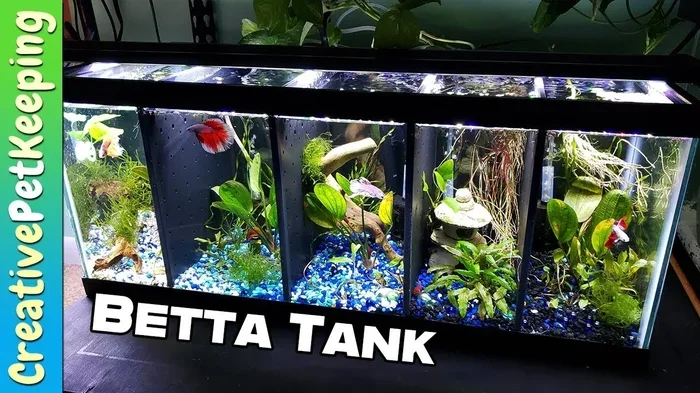
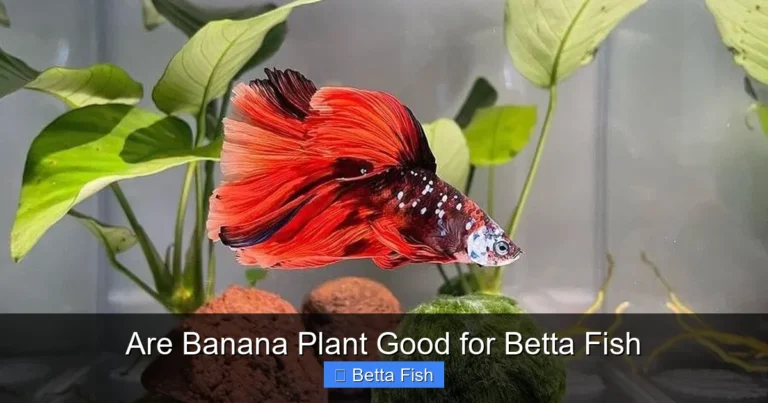
Is It Hard to Take Care of Betta Fish
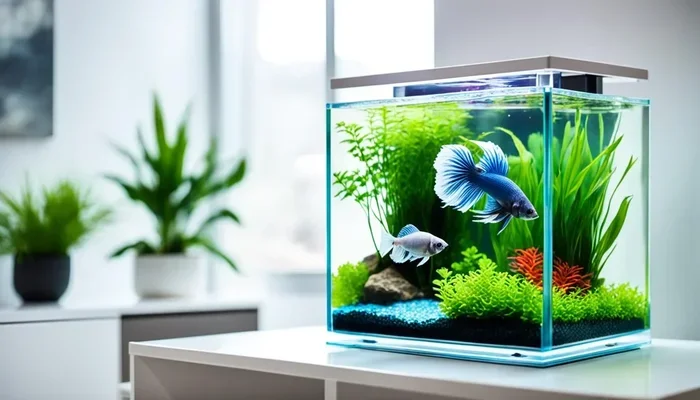
No, it is not hard to take care of betta fish. With the right tank setup, proper feeding routine, and basic maintenance, keeping a betta healthy is surprisingly simple. This guide breaks down everything you need to know, from tank size and water temperature to feeding schedules and common mistakes beginners make.
So, is it hard to take care of betta fish? The short answer is no. Betta fish care is actually much simpler than most people think. These colorful little fish, often called Siamese fighting fish, have a reputation for being delicate. But the truth is, they are surprisingly resilient when you give them what they need.
Whether you are a complete beginner or someone looking to add a new fish to your collection, bettas are a fantastic choice. They are peaceful, beautiful, and don’t require a huge aquarium setup. In this guide, we will walk through everything you need to know about betta fish care in plain, simple language. By the end, you will feel confident and ready to give your betta a happy, healthy home.
Many people assume that bettas are hard to keep because of the way pet stores display them. You often see them sitting in tiny cups with no explanation. That setup is not only unhealthy, it is also misleading. A well-cared-for betta can live three to five years, sometimes even longer. The key is understanding their basic needs and keeping things consistent.
Key Takeaways
- Betta fish are beginner-friendly: They thrive in simple setups and don’t need complex equipment.
- A 5-gallon tank is the minimum: Larger tanks make maintenance easier and keep your betta healthier.
- Feeding is straightforward: A small portion of high-quality food once or twice a day is all they need.
- Water quality matters most: Regular partial water changes prevent most common health problems.
- Avoid common mistakes: Overfeeding, tiny bowls, and cold water are the top reasons bettas struggle.
- Betta fish are hardy: With basic care, they can live 3 to 5 years and stay vibrant and active.
📑 Table of Contents
What Makes Betta Fish Care So Simple?
One of the biggest reasons taking care of betta fish is easy is because they are hardy creatures. They have evolved to survive in warm, shallow waters in Southeast Asia. This means they can handle a range of conditions that would stress out other tropical fish.
Here are a few reasons why betta fish are great for beginners:
- They don’t need a huge tank. A 5-gallon tank is the minimum, and that is plenty of space for one betta.
- They eat simple food. High-quality pellets or flakes are all they need for daily nutrition.
- They are low maintenance. A partial water change once a week keeps things clean and fresh.
- They don’t need tank mates. Bettas are solitary fish and do just fine on their own.
If you are curious about how easy bettas really are compared to other fish, check out our article on Are Betta Fishes Easy To Take Care Of for more insight. The short version is that bettas rank among the easiest freshwater fish to keep.
Betta fish maintenance really comes down to consistency. You don’t need fancy equipment or advanced skills. You just need to stay on top of a few simple tasks each week. That is what makes betta fish care so approachable for people of all experience levels.
Setting Up the Perfect Betta Fish Tank
The foundation of good betta fish care starts with the right tank setup. Getting this part right makes everything else much easier. A proper habitat keeps your fish stress-free and reduces the chance of illness.
Tank Size Matters
A lot of people make the mistake of keeping their betta in a tiny bowl. While a betta can survive in a small container for a while, it will not thrive. The minimum tank size should be 5 gallons. A 10-gallon tank is even better because it gives you more room for plants, hiding spots, and stable water conditions.
Here is a quick comparison of tank sizes:
- 1-gallon bowl: Too small. Water parameters crash quickly. Not recommended.
- 3-gallon tank: Acceptable in a pinch, but hard to maintain stable conditions.
- 5-gallon tank: The sweet spot for a single betta. Easy to manage and keeps your fish happy.
- 10-gallon tank: Ideal. More stable water chemistry and room for enrichment.
Water Temperature and Quality
Bettas are tropical fish. They need warm water to stay healthy. The ideal temperature range is between 76 and 82 degrees Fahrenheit. If the water gets too cold, your betta will become sluggish and more prone to illness.
Using a small aquarium heater is essential. You do not need an expensive one. A simple preset heater designed for 5-gallon tanks works perfectly. Pair that with a basic filter to keep the water clean, and you are already ahead of most beginners.
When it comes to water, betta fish water quality is critical. Always use dechlorinated tap water or bottled spring water. Avoid distilled water because it lacks the minerals your fish need. For more details on the best water options, you can read our guide on What Kind Of Water Is Best For Betta Fish.
Decorations and Plants
Bettas love places to hide and explore. Adding live or silk plants gives them a natural feel and reduces stress. Avoid sharp plastic decorations because bettas have delicate fins that can tear easily.
A few simple additions go a long way:
- A couple of silk or live plants for cover.
- A smooth rock or piece of driftwood.
- A soft substrate like sand or fine gravel.
- A hiding spot like a small cave or leaf hammock.
These touches make the tank more interesting for you and more comfortable for your fish. You do not need to spend a lot of money to create a beautiful and healthy environment.
Feeding Your Betta Fish the Right Way
Feeding is one of the most important parts of betta fish care, and it is also where many beginners go wrong. Overfeeding is the number one mistake people make with their bettas. These fish have small stomachs, and eating too much can cause serious health problems.
What to Feed Your Betta
A high-quality pellet food designed for bettas should be the staple of their diet. Look for pellets that sink slowly, since bettas are surface feeders. Brands that list fish meal as the first ingredient are usually a solid choice.
You can also offer variety occasionally:
- Freeze-dried bloodworms: A great treat that adds protein to their diet.
- Brine shrimp: Small and easy to digest. Perfect as an occasional snack.
- Daphnia: A natural food that helps with digestion.
- Live or frozen foods: The best option, but make sure they come from a trusted source.
Feed your betta two to three pellets once or twice a day. That is all they need. If you are unsure about portion sizes, remember this rule: what fits inside their eyeball is about the right amount. For a more detailed feeding guide, check out our article on How To Properly Take Care Of Betta Fish.
Feeding Schedule Tips
Consistency is key. Try to feed your betta at the same times each day. Many owners find that morning and evening feedings work well. Skip one feeding day per week. This helps their digestive system stay healthy and prevents constipation, which is a common issue in bettas.
Never feed your betta more than they can eat in two minutes. Remove any uneaten food after feeding time. Leftover food breaks down in the water and can cause ammonia spikes, which are dangerous for your fish.
Common Mistakes Beginners Make with Betta Fish Care
Even though betta fish care is straightforward, there are a few pitfalls that trip up new owners. Knowing what to avoid saves you a lot of headaches and keeps your fish healthy.
Mistake 1: Keeping Them in Tiny Bowls
This is the most common mistake. A tiny bowl with no filter or heater might look cute, but it is not a proper home. Small volumes of water change temperature and chemistry very quickly. A 5-gallon tank with a filter and heater is the bare minimum for a healthy betta.
Mistake 2: Overfeeding
Bettas will eat as much as you give them, even if it is too much. Overfeeding leads to bloating, constipation, and poor water quality. Stick to small, measured portions and resist the urge to give extra food just because your fish looks hungry.
Mistake 3: Ignoring Water Changes
Even with a filter, you need to do regular water changes. A 25 to 30 percent water change every week keeps ammonia and nitrite levels in check. Skipping this task is one of the fastest ways to make your betta sick.
Mistake 4: Using the Wrong Water
Tap water contains chlorine and chloramine, both of which are toxic to fish. Always use a water conditioner to remove these chemicals before adding water to your tank. This is a small step that makes a huge difference in your fish’s health.
Mistake 5: Placing the Tank in a Bad Spot
Direct sunlight, drafty windows, and locations near heaters or air conditioners can all cause temperature swings. Place your betta tank in a quiet spot with stable room temperature. Avoid areas where the water will heat up or cool down too quickly.
Keeping Your Betta Fish Healthy and Happy
Prevention is always better than cure when it comes to betta fish health. A well-maintained tank with stable conditions is the best defense against illness. But it is also important to know the signs that something is wrong so you can act quickly.
Signs of a Healthy Betta
A healthy betta fish will have bright, vibrant colors and flowing fins. They will be active and curious, exploring their tank and responding to your presence. Their appetite should be consistent, and their waste should be normal in color and consistency.
Signs Your Betta Might Be Sick
Watch out for these warning signs:
- Faded or dull coloring.
- Clamped fins held close to the body.
- Loss of appetite or refusing food.
- Lethargy or spending too much time at the bottom of the tank.
- White spots on the body or fins (a sign of ich).
- Labored breathing or gasping at the surface.
If you notice any of these symptoms, the first step is to check your water parameters. Ammonia, nitrite, and nitrate levels should be tested regularly. A simple liquid test kit is inexpensive and gives you accurate readings. For more on maintaining good water conditions, see our guide on How To Take Care Of A Betta Fish Water.
Tank Maintenance Routine
Keeping up with a simple weekly routine makes all the difference. Here is what a basic maintenance schedule looks like:
- Monday: Test the water with your liquid test kit.
- Tuesday: Do a 25 to 30 percent water change with conditioned water at the right temperature.
- Wednesday: Check the filter and heater to make sure everything is working.
- Daily: Feed your betta a small portion and observe their behavior.
- Weekly: Wipe down the inside glass and remove any visible debris.
Following this routine takes less than 30 minutes per week. It keeps your tank stable and your betta thriving. For a more comprehensive care routine, our article on How To Care For A Betta Fish 101 covers everything in detail.
How Long Do Betta Fish Live?
With proper care, the average betta fish lifespan is three to five years. Some well-cared-for bettas have even lived longer. The key factors that influence lifespan are water quality, diet, temperature stability, and stress levels. Giving your betta a clean, warm, and enriching environment is the best way to ensure they live a long and happy life.
So, Is It Really Hard to Take Care of Betta Fish?
The answer is clear: it is not hard to take care of betta fish. They are one of the most beginner-friendly freshwater fish you can own. As long as you provide a properly sized tank, stable warm water, a simple feeding routine, and regular maintenance, your betta will do just fine.
The biggest secret to easy betta care is consistency. Small, regular actions like feeding the right amount, doing weekly water changes, and checking your equipment add up to a huge difference over time. You do not need to be an experienced aquarist to succeed with bettas. You just need to be willing to learn and stay consistent.
If you are still on the fence, remember that millions of people around the world keep bettas successfully. They are rewarding pets that bring color and calm to any room. Start with a 5-gallon tank, follow the basics, and you will be well on your way to enjoying a happy, healthy betta fish for years to come.
For those wondering whether bettas are a good fit for your home, take a look at our article on Is It Good To Keep Betta Fish At Home. It covers everything from space requirements to family-friendly considerations. The bottom line is that bettas are wonderful companions that are far easier to care for than most people expect.
Frequently Asked Questions
Is it hard to take care of betta fish for a complete beginner?
Not at all. Betta fish are one of the easiest freshwater fish to care for. They do well in a simple 5-gallon tank with a heater and filter, and their feeding routine is straightforward. As long as you stay consistent with weekly water changes and avoid overfeeding, your betta will thrive.
What is the minimum tank size for a betta fish?
The minimum recommended tank size is 5 gallons. While a betta can survive in a smaller container, a 5-gallon tank provides stable water conditions and enough space for your fish to swim and explore comfortably. Larger tanks, such as 10 gallons, are even better for long-term health.
How often should I feed my betta fish?
Feed your betta once or twice a day with a small amount of high-quality pellets. Two to three pellets per feeding is usually enough. It is also a good idea to skip one feeding day per week to support healthy digestion and prevent overfeeding issues.
Can betta fish live in cold water?
No, bettas are tropical fish and need warm water. The ideal temperature range is between 76 and 82 degrees Fahrenheit. Cold water can make your betta sluggish and more vulnerable to diseases. A small aquarium heater is essential for maintaining the right temperature.
How long do betta fish live with proper care?
With proper care, betta fish typically live three to five years. Some individuals have been known to live even longer. The key factors that influence lifespan include water quality, a balanced diet, stable temperatures, and a stress-free environment.
Do betta fish need a filter in their tank?
Yes, a filter is highly recommended. It helps maintain clean water by removing waste and keeping ammonia levels low. You do not need a powerful filter, though. A gentle sponge filter or a small hang-on-back filter works well for a 5-gallon betta tank without creating too much current.